
Play Uma Musume JP: Beginner’s Quick Guide
How to Play Uma Musume JP: Beginner’s Quick Guide
Uma Musume Pretty Derby is a Japanese mobile game that combines horse racing simulation with idol management and character collection. If you’re new to the game, the sheer number of systems and menus can feel overwhelming at first. This comprehensive guide breaks down everything you need to know to start your journey as a trainer, from account creation through your first races and gacha pulls.
Whether you’re interested in competitive racing, collecting your favorite horse girl characters, or simply enjoying the rhythm game elements, Uma Musume JP offers something for every player type. The game has exploded in popularity since its 2021 global release, and the Japanese version remains the most feature-rich and updated version available. Understanding the core mechanics early will help you progress faster and make the most of your initial gameplay experience.
Getting Started: Account Setup and Downloads
Before you can start playing Uma Musume JP, you’ll need to download the game and create an account. The Japanese version is available exclusively through the Japanese App Store or Google Play, which means you’ll need either a Japanese Apple ID or a way to access the Japanese Play Store. Many international players use VPN services or regional account switching to download the game legally.
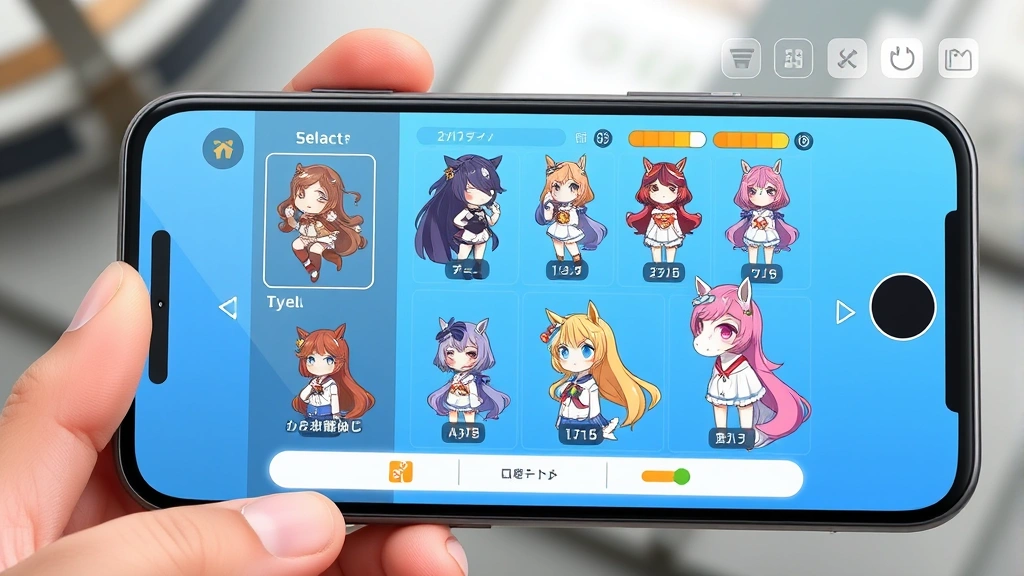
Once you’ve downloaded the game, launch it and you’ll be prompted to create an account. You can link your account to a DMM account, which is recommended for account security and recovery purposes. The DMM account acts as your backup, allowing you to restore your progress if you switch devices. During initial setup, you’ll also be asked to choose a trainer name and select your starting horse girl character.
The starting character selection is important but not permanent—you can recruit other characters later through the gacha system. However, your first selection does matter for early progression, so choose a character whose stats align with your preferred race types. After completing the tutorial, you’ll receive several free gacha pulls and starter bonuses, which you should save for limited-time character banners if possible.

Understanding the Main Menu Interface
The main menu is your hub for accessing all game systems. The bottom navigation bar contains five primary icons: Home (your trainer profile), Training (where you develop characters), Racing (competition modes), Shop (purchasing items and gacha), and Menu (settings and other options). Understanding what each section does will help you navigate efficiently.
The Home screen displays your trainer level, current resources, and team status. Your main resources include Motivation (used for training actions), Money (earned through races), and Jewels (premium currency). You’ll also see your current team lineup and can access your character roster from here. The character cards show essential stats like Speed, Stamina, Power, Guts, and Intelligence—these five stats determine your horse girl’s racing performance.
Navigation becomes much smoother once you understand that most functions can be accessed through multiple paths. For instance, you can access your characters from Home, from the Training menu, or directly from the Racing section. As you explore, you’ll discover shortcuts that make sense for your playstyle. The game also includes a help section with detailed explanations of each system, though the Japanese language may present a barrier for non-Japanese speakers.
If you’re looking to optimize your gameplay experience further, check out the FixWiseHub Blog for comprehensive how-to guides on various topics that can complement your gaming knowledge. Many gaming guides follow similar structural principles to home improvement and hobby guides.
Your First Training Session
Training is the core mechanic of Uma Musume JP. During a training session, you select a horse girl character and guide her through a series of training activities over multiple months. Each training session lasts several in-game months, culminating in races that test your character’s abilities.
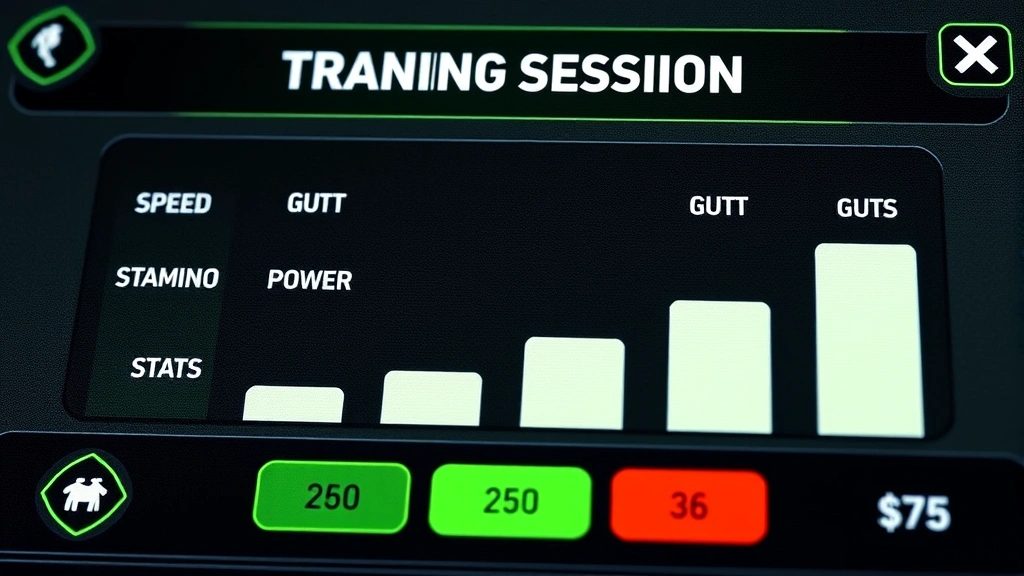
During each training turn, you have a limited number of action points. You can spend these points on training activities that increase your character’s five core stats. Each stat affects different aspects of racing performance: Speed determines base velocity, Stamina affects endurance, Power influences acceleration, Guts determines mental fortitude, and Intelligence helps with race strategy and positioning.
When selecting training activities, you’ll see numerical values indicating how much each stat will increase. You’ll also notice a happiness meter—performing training actions that align with your character’s preferences increases happiness, which multiplies stat gains. Pay attention to what activities each character likes or dislikes, as this directly impacts your efficiency.
Your character will also gain fatigue from training. Once fatigue reaches maximum, you must rest before continuing. Resting restores energy but wastes valuable training turns, so balance your training intensity carefully. As you progress, you’ll unlock support cards that provide passive bonuses during training and can significantly boost your character’s development.
Racing Mechanics and Competition
Races are where your training efforts pay off. Uma Musume JP features various race types including sprint races (1000-1600 meters), mile races (1600-2000 meters), and long-distance races (2000+ meters). Different horse girls have different distance specializations, so choose characters suited to the race distance you’re competing in.
Before entering a race, you’ll see a preview showing the race conditions, other competitors, and their estimated abilities. The race forecast helps you decide whether your character is ready or if you need more training. During the actual race, you’ll see your character running alongside competitors, with a strategy indicator showing whether they’re positioned correctly for their race type.
Race strategy is crucial—some characters excel at leading from the front, others perform better from behind, and some prefer middle positioning. The game automatically follows your character’s strategy type, but you can influence outcomes through proper stat distribution and support card selection. A character with high Intelligence will make better strategic decisions during races compared to one with low Intelligence.
Winning races earns significant rewards including Money, which you can spend on training items and character upgrades. Losing races still provides rewards but at reduced amounts. As you progress, you’ll unlock higher-tier races with better rewards but also stronger competitors. The racing system rewards consistent training and strategic character development.
Gacha System and Character Collection
The gacha system is how you obtain new horse girl characters. You can perform gacha pulls using Jewels (premium currency) or Friend Points (earned through daily login and activities). The game regularly features limited-time banners with increased rates for specific characters, making strategic gacha spending important for long-term progression.
When pulling from the gacha, you’ll see a list of available characters and their rarity levels. Rarity is indicated by star ratings—three-star characters are common, four-star characters are rare, and five-star characters are extremely rare and powerful. Limited-time banners typically feature a specific five-star character with increased pull rates, though the base rate for five-stars remains relatively low.
Save your premium Jewels for limited-time banners featuring characters you want, rather than spending them on standard gacha pulls. The game is generous with free Jewels for new players, but these deplete quickly if spent carelessly. Many experienced players recommend completing the story mode and daily quests before deciding how to spend your Jewels.
Duplicate characters aren’t wasted—they can be used to unlock additional abilities and increase your character’s power level. This system encourages long-term collection and repeated pulls on banners you’re interested in. Understanding the gacha system’s mechanics will help you build a strong roster without spending excessive resources.
Daily Quests and Resource Management
Daily quests provide consistent resources and should be completed every day to maximize your progression. These quests are relatively quick and reward Money, training items, and Jewels. Completing all daily quests takes approximately 15-20 minutes depending on your play speed and device performance.
Beyond daily quests, you’ll find weekly quests and special event quests. Event quests often feature limited-time stories and exclusive rewards, making them important to prioritize. The game typically runs events for one to two weeks, so plan your schedule accordingly to complete event objectives before they expire.
Resource management becomes increasingly important as you progress. Money is spent on training items, character upgrades, and facility improvements. Training items directly boost stats during training sessions, providing significant efficiency gains. Prioritize purchasing the most cost-effective training items until you accumulate substantial wealth.
Stamina is another crucial resource—your account has limited stamina that regenerates over time. Each quest or race costs stamina, so manage it carefully. New players often waste stamina on inefficient activities, so focus on high-reward quests that match your current level. As you advance, you’ll unlock more efficient use of stamina through higher-tier activities.
Team Building Strategies
Building an effective team requires understanding synergies between characters and support cards. Your active team consists of one primary horse girl character and up to five support cards that provide passive bonuses during training. Support card selection dramatically impacts training efficiency.
When building your first team, focus on characters and support cards that complement your primary character’s specialty. If training a speed-focused character, include support cards that boost Speed stat gains. This focused approach maximizes stat efficiency and creates a cohesive team that performs well in races.
As you collect more characters and support cards, you’ll discover that certain combinations create powerful synergies. Some cards boost the same stat type, others increase overall efficiency, and rare cards provide unique bonuses. Experimenting with different team compositions helps you discover what works best for your playstyle.
The game includes a team-building guide that shows recommended support card combinations for each character. Use these guides as starting points, then customize based on your available cards. Don’t feel pressured to have perfect teams immediately—progression happens gradually, and you’ll naturally acquire better cards through continued play.
For additional insights on building effective systems and strategies, check out the guide on becoming a software engineer, which emphasizes systematic thinking and problem-solving approaches that apply to game strategy as well.
FAQ
Is Uma Musume JP available in English?
The Japanese version is in Japanese, but an English version called Uma Musume Pretty Derby exists for some regions. The JP version has more features and characters, making it the preferred choice for dedicated players willing to use translation tools.
How much does Uma Musume JP cost?
Uma Musume JP is free-to-play with optional premium purchases. You can progress entirely without spending money, though gacha pulls use premium currency that can be purchased. The game is generous with free Jewels for new and returning players.
What’s the best starting character?
There’s no definitively best starting character—they’re all viable. Choose a character you like, as you’ll enjoy training them more. Your starting character isn’t permanent; you can recruit others through gacha pulls and eventually build multiple teams.
How long does a training session take?
A complete training session from start to finish typically takes 30-60 minutes depending on how efficiently you play and how many races you enter. You can pause and resume training sessions whenever you want.
Can I play Uma Musume JP on PC?
Uma Musume JP is primarily a mobile game, but you can play it on PC using Android emulators like BlueStacks or Nox. However, emulator use violates some game terms of service, so use at your own risk.
Should I reroll my starting account?
Rerolling (creating new accounts until you get desired starting characters) is possible but time-consuming. For casual players, this isn’t necessary. The game is generous enough that you’ll acquire strong characters through normal play.
What’s the stamina system?
Stamina limits how many quests and races you can do daily. Each activity costs stamina, and stamina regenerates over time. Managing stamina efficiently helps you maximize daily rewards without wasting resources.

Related Posts

Superscript in Google Docs: Expert Tips

Strikethrough in Excel: Easy Steps for Beginners
