
Canasta Basics: Learn from the Experts
Canasta Basics: Learn from the Experts
Canasta is a captivating card game that combines strategy, skill, and social enjoyment. Whether you’re looking to master a new hobby or join friends for game night, understanding the fundamentals of canasta is essential. This comprehensive guide will walk you through everything you need to know to play confidently and competitively.
The game has grown tremendously in popularity over recent decades, with players of all ages discovering its unique blend of rummy-style gameplay and partnership dynamics. Unlike simpler card games, canasta rewards both tactical thinking and careful observation of your opponents’ moves. By the end of this guide, you’ll understand the rules, strategies, and nuances that separate casual players from true canasta enthusiasts.
Understanding Canasta Fundamentals
Canasta, which means “basket” in Spanish, is a rummy-type card game that originated in Uruguay in 1939. The game quickly spread throughout South America and eventually became popular worldwide. A standard canasta game involves two to six players, though the most common format uses four players in two partnerships.
The primary objective is to meld cards into valid combinations and be the first to reach a predetermined score, typically 5,000 points. Melds consist of three or more cards of the same rank, and wild cards (twos and jokers) can substitute for natural cards. Understanding these basic principles is crucial before diving into gameplay mechanics.
The game uses two standard decks of 52 cards plus four jokers, making 108 cards total. This larger deck size distinguishes canasta from other rummy games and allows for more complex melds and strategic possibilities. The increased card pool means more opportunities for players to form valuable combinations and execute sophisticated plays.
Game Setup and Card Distribution
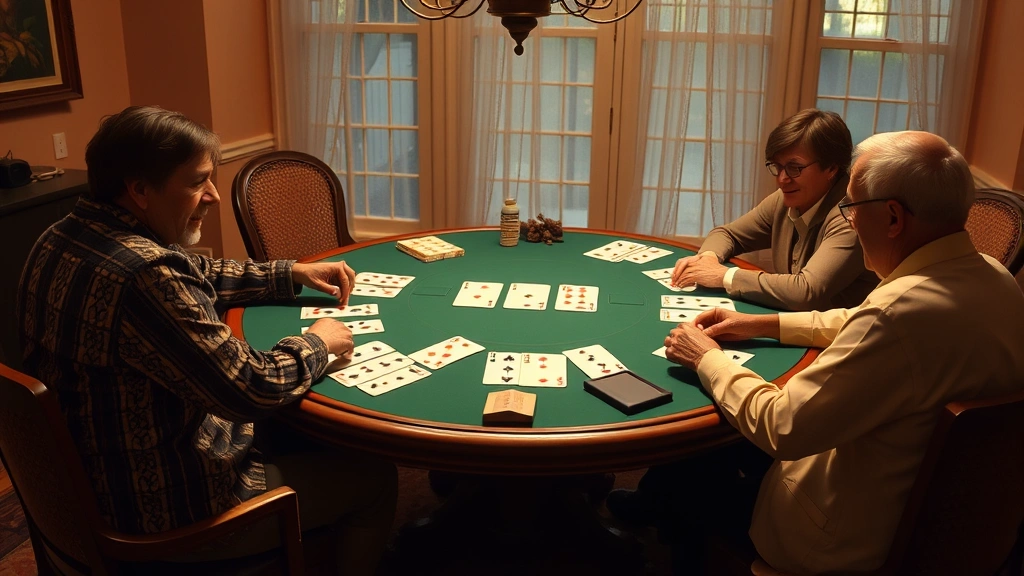
Proper setup ensures fair and consistent gameplay. Begin by selecting a dealer randomly, then shuffle both decks together thoroughly. The dealer distributes cards one at a time, clockwise, giving each player 11 cards in a standard four-player game. Players with fewer participants may receive different card counts—consult official canasta rulebooks for specific variations.
After dealing, place the remaining deck in the center of the table as the stock pile. Turn over the top card and place it beside the stock to begin the discard pile. If the initial card is a wild card or red three, continue turning cards until a natural card appears. This setup prevents automatic advantages and ensures balanced starting conditions.
Red threes hold special significance in canasta—they’re bonus cards that provide immediate points. If a player is dealt red threes, they must immediately place them on the table and draw replacement cards from the stock. This mechanic prevents one player from gaining an unfair advantage through lucky dealing.
The player to the dealer’s left plays first, beginning a turn sequence that continues clockwise around the table. Each turn follows a specific pattern: draw a card, play melds or add to existing melds, and discard a card. Understanding this rhythm is fundamental to playing smoothly and maintaining game pace.
Hand Gameplay and Melds
During your turn, you must first draw a card from either the stock pile or the discard pile. If you take from the discard pile, you must immediately use that card in a meld on the table. This requirement prevents players from simply hoarding valuable discard pile cards without contributing to gameplay.
Valid melds require a minimum of three cards of the same rank. For example, three sevens, four nines, or five kings all constitute valid melds. You can lay down multiple melds in a single turn if they’re all valid. Once a meld is established on the table, any player (not just the player who created it) can add matching cards to it—this is called “laying off.”
Wild cards (twos and jokers) can substitute for any natural card in a meld. However, a meld must always contain more natural cards than wild cards. A meld of three eights with two wild cards is invalid; a meld of three eights with one wild card is perfectly acceptable. This balance requirement prevents wild cards from dominating gameplay and encourages players to seek natural combinations.
A “canasta” is a special meld containing seven or more cards—either all natural cards (worth 500 bonus points) or containing wild cards (worth 300 bonus points). Completing a canasta is a major achievement and significantly boosts your score. Many strategies revolve around building toward canastas rather than smaller melds.
After playing melds or laying off cards, you must discard one card face-up onto the discard pile. This discard becomes available for the next player to pick up. Strategic discard selection is crucial—you want to discard cards that don’t help opponents while protecting valuable cards that might help you later.
Scoring and Point Systems
Canasta’s scoring system rewards strategic play and successful meld completion. Each card carries specific point values: number cards (4-7) are worth face value, eights and nines are worth 10 points, tens through kings are worth 10 points, aces are worth 1 or 11 points (your choice), and twos and jokers are worth 20 points.
Red threes are worth 100 points each and are scored for the team that has them. Black threes have special rules—they block the discard pile and prevent opponents from picking it up, but they’re worth zero points. Understanding red and black three mechanics is essential for advanced play and defensive strategies.
Bonus points are awarded for completing canastas (500 for natural, 300 for mixed) and for going out (when a player melds all their cards, earning 100 bonus points). Teams reaching 5,000 points first win the game. If a team goes “negative” during a hand, they start the next hand at minus points, adding dramatic tension to gameplay.
Scoring is tallied after each hand concludes. The team that goes out (melds all their cards) scores their total meld points plus bonuses. Teams that didn’t go out score only the points in their melds, subtracting the value of cards remaining in their hands. This mechanic creates interesting endgame decisions about when to “go out” versus when to continue building melds.
Advanced Strategies for Winning
Successful canasta players develop sophisticated strategies beyond basic rule knowledge. Partnership communication is vital in four-player games. Though direct communication about cards is prohibited, skilled players signal through their play patterns, discard choices, and meld timing. Learning to read your partner’s signals gives significant advantages.
Discard pile management separates expert players from novices. The discard pile is a valuable resource—it contains known cards that might complete your melds. However, leaving it accessible to opponents is dangerous. Experienced players strategically “freeze” the discard pile by discarding black threes or wild cards, making it unavailable until someone can meld the top card with natural cards from their hand.
Understanding meld timing is crucial for winning. Sometimes holding back melds allows you to build canastas before revealing your hand strength. Other times, laying down melds early prevents opponents from using the discard pile effectively. The decision to lay down or hold back requires analyzing opponent hands, partnership position, and scoring dynamics.
Card counting and memory skills provide substantial advantages. Tracking which cards have been played helps predict what remains in the deck and what opponents might hold. This information influences your discard decisions and helps you decide when to pick up the discard pile.
Developing partnership strategy means discussing overall approaches with your partner between hands. Some partnerships prioritize speed and early scoring, while others focus on building large canastas. Consistent strategy helps partners anticipate each other’s moves and coordinate plays more effectively.
Common Mistakes to Avoid
Even experienced players make costly errors. The most frequent mistake is poor discard selection. Discarding cards that complete opponent melds or help the discard pile become too valuable is a critical error. Always consider what you’re giving opponents before discarding.
Another common error involves misunderstanding wild card rules. Players often forget that melds must contain more natural cards than wild cards, leading to invalid melds. Additionally, some players incorrectly believe wild cards can be used in any situation—they cannot replace cards in canastas, and they cannot form melds by themselves.
Premature going out is another mistake. While going out scores 100 bonus points, failing to go out when you have the opportunity wastes that bonus. Conversely, holding back when you could go out might allow opponents to score significantly, changing the game’s momentum. Timing your “going out” move requires careful analysis of your hand and scoring position.
Neglecting red three scoring causes point miscalculations. Red threes must be tracked separately and scored for the team holding them at hand’s end. Forgetting to count red threes can significantly impact final scores and game outcomes.
If you’re interested in expanding your game night repertoire, consider learning how to play bocce ball for outdoor entertainment or exploring other FixWiseHub games and activities. Many people enjoy pairing card games like canasta with other social activities for comprehensive entertainment.
Additionally, some players make the mistake of inconsistent rule interpretation. Before playing with a new group, clarify house rules regarding variations like whether players can pick up the discard pile with two cards from their hand, or whether melds must be announced before laying them down. Consistent rule application prevents disputes and maintains game integrity.
FAQ
What’s the minimum number of points needed to lay down melds in canasta?
The initial meld requirement depends on your team’s current score. If your team has 0-1,495 points, your first meld must total at least 50 points. From 1,500-2,995 points, you need 90 points. From 3,000-4,995 points, you need 120 points. Reaching 5,000 points wins the game. Once your team has laid down an initial meld, all subsequent melds have no minimum point requirement.
Can you pick up the discard pile whenever you want?
No, you can only pick up the discard pile if the top card can be immediately melded with cards from your hand. If the pile is frozen (topped with a black three or wild card), you cannot pick it up unless you have two natural cards matching the top card in your hand. This rule prevents players from simply collecting the pile without contributing melds.
What happens if someone goes out before everyone has played?
When a player goes out (melds all their cards), that hand immediately ends. The team that went out scores their meld points plus bonuses. Other teams score only their melds, subtracting unmelded card values. The next hand begins with the same dealer or rotates to the next player, depending on your group’s preference.
How do red threes affect scoring if you don’t meld anything?
Red threes are worth 100 points each for the team holding them, regardless of whether that team melded cards. If your team failed to lay down any melds and holds four red threes, you score 400 points. However, if your team didn’t meld and holds red threes, the opposing team can score negative points, creating interesting strategic dynamics.
Can you use wild cards to make a meld of all wild cards?
No, wild cards alone cannot form a valid meld. A meld must contain at least three cards, and at least two must be natural cards of the same rank. This rule prevents wild cards from dominating play and ensures players must pursue natural card combinations.
What’s the difference between natural and mixed canastas?
A natural canasta contains seven or more natural cards of the same rank with no wild cards, worth 500 bonus points. A mixed canasta contains seven or more cards with at least one wild card substituting, worth 300 bonus points. Natural canastas are more difficult to achieve but offer greater rewards, creating strategic incentives to build them when possible.

Related Posts

Program Universal Remote: Expert Tips Inside

Program a Universal Remote? Expert Tips Inside