Can You Master Canasta? Expert Tips Inside
Can You Master Canasta? Expert Tips Inside
Canasta is a captivating card game that combines strategy, skill, and a bit of luck to create an engaging experience for players of all levels. Whether you’re looking to impress friends at game night or simply want to expand your card game repertoire, learning how to play canasta opens doors to hours of entertainment. This comprehensive guide will walk you through everything you need to know, from basic rules to advanced strategies that will elevate your gameplay.
The beauty of canasta lies in its accessibility paired with surprising depth. Unlike some card games that require years of practice to master, canasta rewards both beginners and experienced players. You can learn the fundamentals in an afternoon and spend years discovering nuanced strategies. Whether you’re gathering around a kitchen table or joining a competitive canasta league, understanding the game’s mechanics is your first step toward becoming a skilled player.
Understanding Canasta Basics
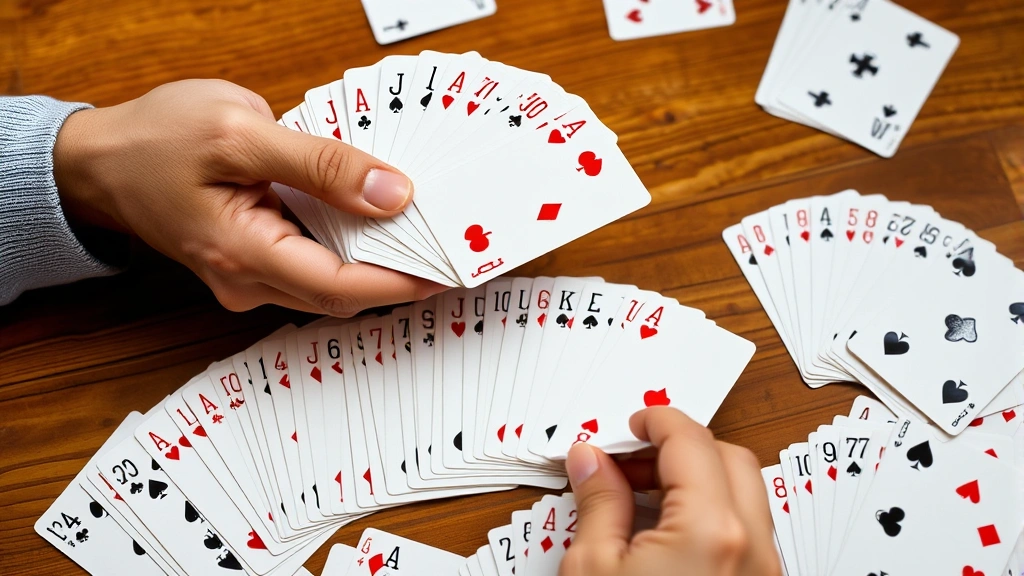
Canasta, which means “basket” in Spanish, originated in Uruguay during the 1930s and quickly spread throughout South America and eventually worldwide. The game is played with multiple decks of standard playing cards plus jokers, creating a unique dynamic that sets it apart from traditional card games. At its core, canasta is about forming melds—combinations of cards of the same rank—and being the first to eliminate your hand while scoring points strategically.
The fundamental objective is to form melds of seven or more cards and “go out” by playing all cards from your hand. However, there’s much more nuance to winning than simply playing cards. You’ll need to manage your hand carefully, block opponents from achieving their goals, and make tactical decisions about which cards to draw and discard. The game rewards both aggressive play and defensive positioning, making every decision consequential.
Understanding the card values is essential before diving into gameplay. In canasta, cards hold different point values: numbered cards 3-7 are worth face value, cards 8-10 are worth 10 points, face cards (Jack, Queen, King) are worth 10 points, Aces are worth 1 or 11 points depending on context, and wild cards (2s and Jokers) are worth 50 points. Red 3s have special significance as they provide automatic point bonuses but cannot be played in melds. These values directly impact your scoring strategy and decision-making throughout the game.
Game Setup and Card Dealing
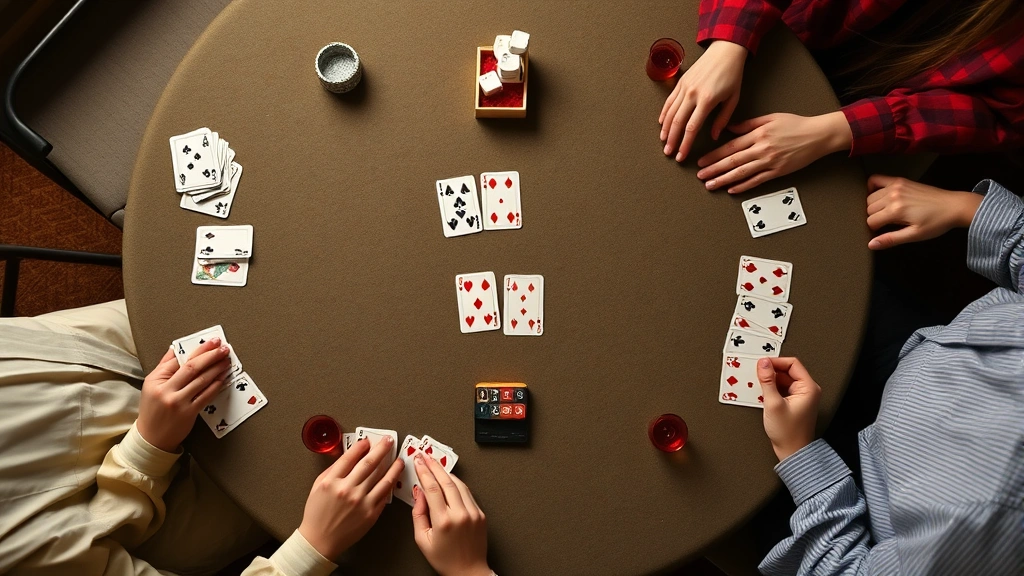
Before learning how to play canasta properly, you must master the setup phase. The game typically involves two to six players, though it’s most enjoyable with four players divided into two partnerships. You’ll need two standard decks of 52 cards plus four jokers (108 cards total for a two-deck game; some variations use three or four decks for more players).
To begin, shuffle all decks thoroughly and place them in the center as the stock pile. One player becomes the dealer, and each player receives 11 cards dealt one at a time in clockwise rotation. After all players have their initial hands, the next card from the stock is turned face-up to start the discard pile. This card is crucial—if it’s a red 3 or wild card, additional cards are placed on top until a natural card appears. Players then take turns, and the game officially begins once everyone understands their starting position.
The dealer position rotates after each round, typically moving to the left. Proper shuffling is vital because canasta relies on card distribution for fair play. Some players prefer having a designated shuffler separate from the dealer to ensure impartiality. The initial 11-card hand size is standard in most variations, though some house rules modify this number. Understanding these setup procedures prevents disputes and ensures smooth gameplay from the start.
Turn Structure and Gameplay
Each player’s turn follows a consistent structure: draw a card, play melds or add to existing melds, and discard one card. This simple framework supports complex strategic decisions that define skilled play. When it’s your turn, you must first draw either the top card from the stock pile or the entire discard pile. Drawing from the discard pile requires specific conditions—you must immediately use the top card in a new meld or add it to an existing meld.
Once you’ve drawn, you may form new melds, add cards to your existing melds, or add cards to your partner’s melds (in partnership games). A meld consists of three or more cards of the same rank, though you can create melds with wild cards substituting for natural cards. You cannot add cards to opponent melds, which adds a strategic blocking element to the game. After playing all desired melds and additions, you must discard exactly one card face-up onto the discard pile, ending your turn.
The discard pile becomes progressively more valuable as it grows. Once the pile contains seven or more cards, it becomes “frozen” if a wild card or red 3 sits on top. A frozen pile can only be taken by forming a new meld with natural cards matching the top card. This mechanic creates tension and strategic depth—should you freeze the pile to prevent opponents from drawing, or leave it open for your own advantage? Players often debate whether to draw from stock or risk the discard pile, especially as the game progresses and melds begin forming.
Melds and Scoring Systems
Melds are the heart of canasta, and understanding meld requirements is crucial for success. A valid meld contains at least three cards of the same rank, with natural cards (non-wild) comprising the majority. You can include wild cards (2s and Jokers) to substitute for natural cards, but you must maintain at least one more natural card than wild card in any meld. For example, a meld of 5-5-5-2-Joker is valid (three natural, two wild), but 5-5-2-Joker-Joker is not (only two natural, three wild).
A “canasta” is a meld of seven or more cards and holds special significance. Natural canastas (seven or more cards without wild cards) score 500 points bonus, while mixed canastas (containing wild cards) score 300 points bonus. Achieving a canasta requires patience and planning—you can’t simply play seven random cards; they must all match in rank. Many players focus on building toward canastas because the bonus points can swing games dramatically.
Scoring happens at the end of each round, once someone “goes out” by playing all cards from their hand while having at least one canasta (in most variations). Points are calculated by adding the value of all cards in completed melds, subtracting points for cards remaining in hand, and adding bonuses for canastas and going out. Red 3s provide 100 points each if your team has at least one canasta; otherwise, they count as minus 100 points. This creates interesting decisions about when to go out versus when to continue playing.
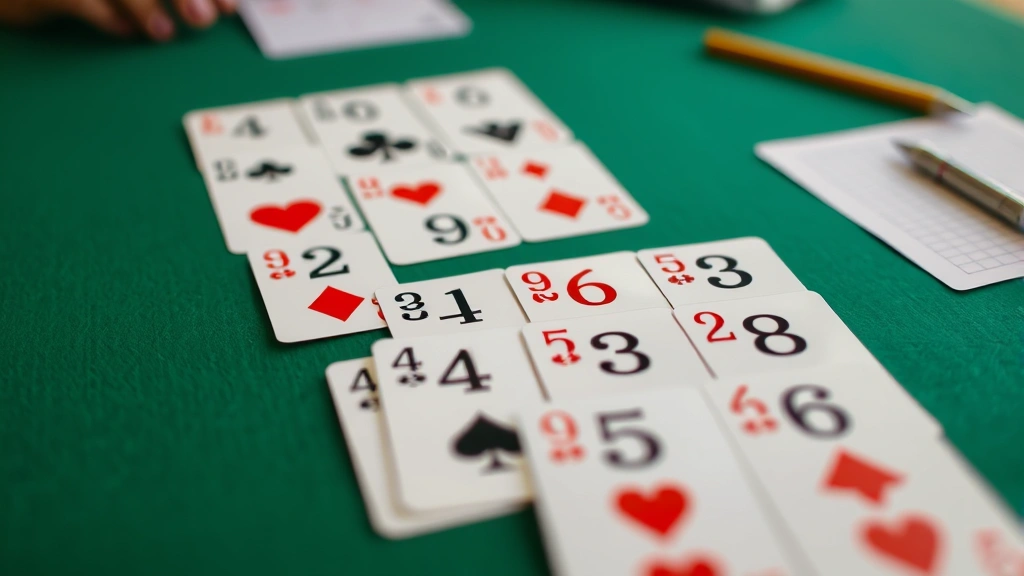
The first team to reach a target score (typically 5,000 points) wins the game. Some variations use different target scores, and FixWiseHub Blog offers additional resources for house rule variations. Keeping accurate score is essential, and many players maintain a running tally visible to all players. Scoring disputes are rare when everyone understands the point values and bonus conditions before play begins.
Advanced Strategies to Win
Moving beyond basic rules requires developing strategic thinking about card management, partnership communication, and opponent psychology. Experienced players understand that canasta involves significant decision-making about which cards to discard. Discarding high-value cards early leaves you vulnerable if opponents take the discard pile, but holding them too long clutters your hand. The optimal strategy depends on your melds, hand composition, and game state.
Hand management separates casual players from skilled ones. Successful players track which cards have been played, estimate remaining cards in the stock, and anticipate what opponents need. If you notice an opponent building toward a meld of 7s, you might discard your 7s strategically to prevent their canasta. Conversely, if your partner needs 7s, you might hold yours to protect them from the discard pile. These subtle decisions compound throughout the game.
Partnership communication is vital in four-player games. While you cannot discuss specific cards, you can signal through your play patterns. Discarding high cards suggests you have low cards; playing melds indicates which ranks you’ve completed. Experienced partners develop intuitive understanding of each other’s strategies. Some players use conventional signals—discarding cards in specific suits or patterns to communicate hand composition. Within legal bounds, this psychological element adds depth to gameplay.
Freezing the discard pile strategically can shift momentum. If opponents are close to going out, freezing the pile by discarding a wild card denies them the advantage of drawing multiple cards. However, freezing also limits your own access to the pile, so timing matters. Freeze the pile when you’re ahead in melds and your opponents are behind, forcing them to draw from stock and slowing their progress.
Managing wild cards requires careful consideration. Using wild cards early in melds can block opponents from completing those ranks naturally. Conversely, holding wild cards until late-game gives you flexibility to complete melds quickly. Some strategies involve hoarding wild cards for a final burst of meld-making, while others distribute them throughout the game to maintain control. The optimal approach depends on your hand composition and game state.
Common Mistakes to Avoid
New players often make predictable errors that experienced opponents exploit. One fundamental mistake is discarding wild cards carelessly. Since wild cards can substitute in any meld, discarding them early gives opponents powerful tools to build melds quickly. Unless you have strategic reasons to discard a wild card, holding them provides flexibility and denies opponents options.
Another common error involves taking the discard pile too frequently. While the pile offers multiple cards, taking it also exposes your hand composition and commits you to immediate play. If you must take the pile to form a meld, that’s necessary, but taking it out of habit wastes opportunities to draw from the stock and maintain hand flexibility. Successful players are selective about when they take the discard pile.
Failure to track played cards costs players dearly. Remembering which cards have been melded, discarded, or played helps you estimate remaining cards and adjust strategy accordingly. Keeping mental notes of opponent melds reveals which ranks they’re pursuing, allowing you to block strategically. Players who ignore this information make poor discard decisions and miss opportunities to control the game.
Premature going out is another mistake. While going out ends the round and can score points, it sometimes costs more than continuing to play. If you go out without building high-value melds, you’ll score fewer points than you could have. Strategic players assess whether going out now or continuing to build melds serves their long-term scoring goals better.
Overvaluing high-card melds can lead to poor decisions. While face cards and aces score highly, they’re harder to meld because fewer of them exist in the deck. Players sometimes chase high-card melds at the expense of building achievable melds with more common ranks. Balanced meld development, combining easy-to-build melds with strategic high-value ones, typically outperforms aggressive high-card strategies.
Variations and House Rules
Canasta has evolved into numerous variations, each with unique rules and strategic implications. Two-player canasta uses a different hand size (15 cards) and modified melds requirements because two players cannot form partnerships. Three-player canasta introduces neutral melds that anyone can add to, creating interesting dynamics. Understanding these variations expands your gaming options and keeps canasta fresh across different player counts.
Some variations require two canastas before anyone can go out, increasing game length and strategic complexity. Others modify the target score, use different card combinations, or change wild card rules. House rules often develop organically within gaming groups—perhaps your family always plays with red 3s as wild cards, or requires natural canastas for going out. Discussing and documenting house rules prevents disputes and ensures consistent gameplay.
You can explore variations similar to canasta through other games. How to Play Bocce Ball offers different strategic elements if you want variety in game nights, though it’s a completely different game type. For indoor entertainment variety, How to Make a Paper Airplane provides quick, low-commitment activities between canasta rounds.
Some players enjoy creating custom variations with modified scoring, additional wild cards, or bonus melds. The key is ensuring all players understand and agree to variations before play begins. Experimenting with different rule sets can rejuvenate interest in canasta among regular players and help new players find versions that suit their preferences.
FAQ
What is the minimum number of players for canasta?
Canasta can be played with two to six players, though four players in two partnerships is considered optimal. Two-player canasta uses different rules and hand sizes to maintain balance. The game becomes less strategic with more than six players due to reduced hand sizes and increased luck factors.
Can you play canasta with a single deck?
No, canasta requires multiple decks. Standard play uses two decks (108 cards with jokers), while three or four decks are used for larger player counts. A single deck doesn’t provide enough cards for proper gameplay and melds.
What happens if the stock pile runs out?
If the stock pile is depleted, players continue drawing from the discard pile if possible. If neither stock nor discard cards are available, the current player’s turn ends, and play passes to the next player. The game continues until someone goes out.
Can you add to opponent melds?
No, you can only add cards to your own melds or your partner’s melds. This rule prevents opponents from helping each other achieve goals and maintains strategic blocking opportunities.
What’s the difference between natural and mixed canastas?
A natural canasta contains seven or more cards of the same rank with no wild cards and scores 500 bonus points. A mixed canasta contains seven or more cards including wild cards and scores 300 bonus points. Natural canastas are harder to achieve but reward players with higher bonuses.
How do red 3s work in canasta?
Red 3s cannot be played in melds but are placed aside when drawn. Each red 3 scores 100 points if your team has at least one canasta, or minus 100 points if you don’t have a canasta. This creates strategic tension about completing canastas.
What’s the going out bonus?
When a player goes out by playing all cards from their hand, their team receives a 100-point bonus (or 200 in some variations). This rewards players for eliminating their hands and adds urgency to the endgame phase.

Related Posts

Prevent Razor Bumps: Tips from Dermatologists

Prevent Razor Bumps? Dermatologist Advice