Learn Canasta Rules: Beginner’s Guide
Learn Canasta Rules: A Beginner’s Guide to Mastering This Classic Card Game
Canasta is a captivating rummy-style card game that has entertained players for generations. Whether you’re looking to join a game night with friends or simply want to expand your card game repertoire, understanding the fundamentals of canasta is the first step toward becoming a confident player. This comprehensive guide will walk you through everything you need to know to start playing canasta today.
The beauty of canasta lies in its blend of strategy, luck, and social interaction. Unlike some card games that require years of practice to master, canasta rules are straightforward enough for beginners to grasp in an afternoon, yet complex enough to keep experienced players engaged. By the end of this guide, you’ll understand how to deal cards, form melds, manage your hand effectively, and navigate the scoring system with ease.
What is Canasta?
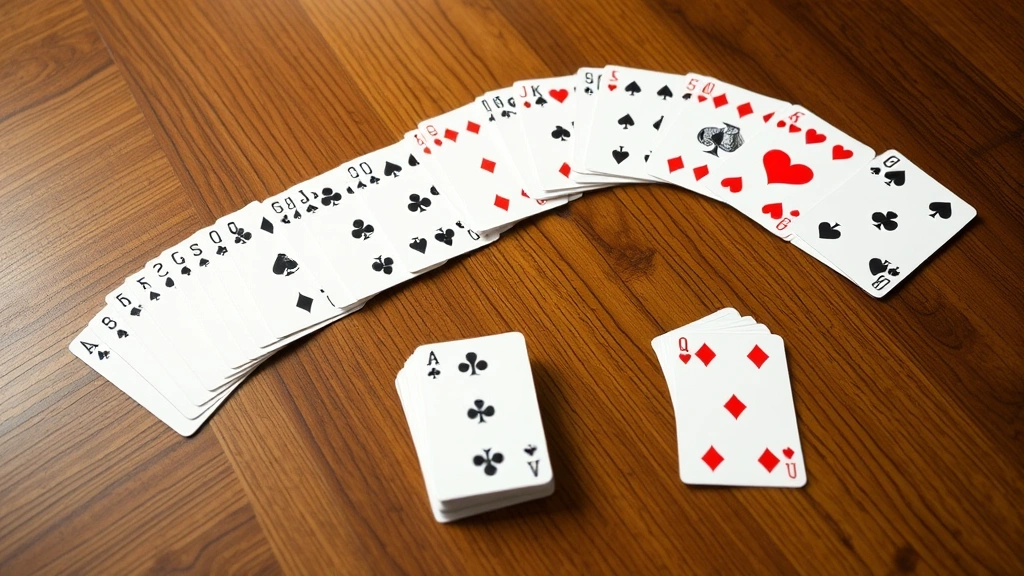
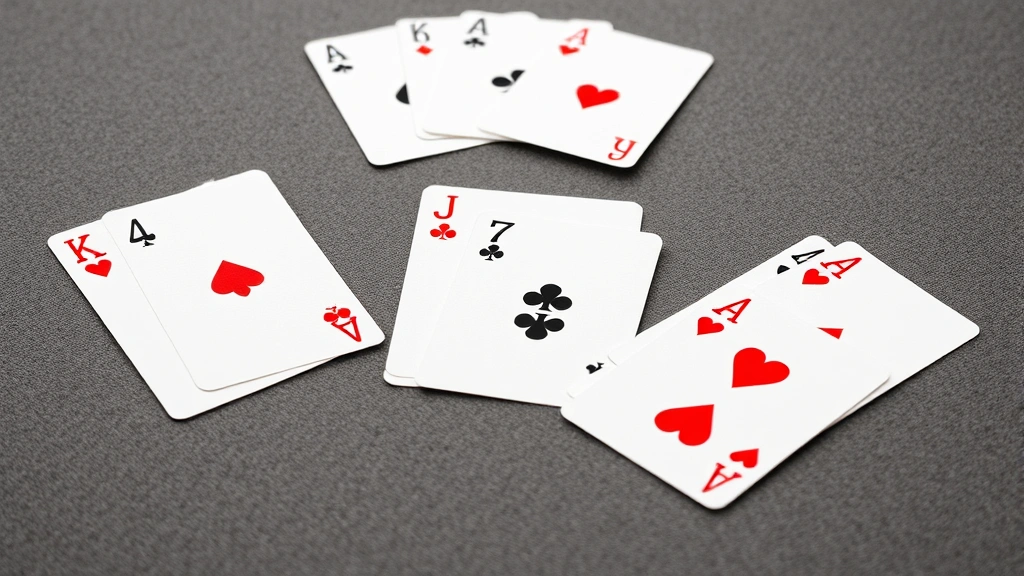
Canasta is a card game played with two standard decks of 52 cards plus four jokers, making a total of 108 cards. The name “canasta” comes from the Spanish word for “basket,” which refers to the tray used to hold the discarded cards during gameplay. This game is typically played with two to six players, though four players in two partnerships is the most common format.
The primary objective of canasta is to form melds—combinations of cards of the same rank—and accumulate points before your opponents do. Players aim to go out by playing all or most of their cards, which triggers the end of a round. The game continues over multiple rounds until a team or player reaches a predetermined score threshold, usually 5,000 points.
Canasta gained popularity in the 1950s and remains a beloved game in social settings, senior communities, and family gatherings. The game requires a balance of luck, strategy, and adaptability, making it an excellent choice for both casual and competitive players. If you’re interested in exploring more recreational activities, check out our guide on how to make a paper airplane for another fun indoor pastime.

Game Setup and Dealing
Before you can begin playing canasta, proper setup is essential. Start by shuffling both decks together thoroughly to ensure random card distribution. One player is designated as the dealer, and this role rotates clockwise after each round.
The dealer distributes cards one at a time, face-down, moving clockwise around the table. In a four-player partnership game, each player receives 11 cards. In a two-player game, each player receives 15 cards. Once all players have received their cards, the dealer places the remaining deck in the center of the table as the stock pile. The top card from the stock pile is then turned face-up next to the stock pile to start the discard pile.
If the first card turned up is a wild card (a deuce or joker) or a red three, the dealer must turn up another card until a natural card appears. Players should arrange their cards by suit and rank, making it easier to identify possible melds. Keep your hand hidden from other players, and never reveal your cards until it’s time to play them.
The player to the dealer’s left plays first. This initial player can draw from the stock pile or pick up the discard pile if the top card can be immediately melded. Understanding the proper setup ensures the game proceeds smoothly and fairly for all participants.
Understanding Melds and Combinations
Melds are the heart of canasta gameplay. A meld consists of three or more cards of the same rank, regardless of suit. For example, three sevens, four kings, or five aces all constitute valid melds. The minimum requirement of three cards applies to the initial meld each player lays down during a round.
Wild cards—deuces and jokers—can substitute for any natural card in a meld. However, canasta has specific rules about wild cards: a meld cannot contain more wild cards than natural cards. For instance, you can have a meld of three natural eights and two wild cards, but you cannot have three wild cards with only two natural eights.
A canasta is a special seven-card meld that provides bonus points. Natural canastas contain seven natural cards of the same rank, while mixed canastas contain seven cards with some wild cards substituted. Natural canastas are worth more points than mixed canastas, encouraging players to aim for pure combinations when possible.
Once a meld is laid on the table, other players can add matching cards to it during their turns, a process called “laying off.” This strategic element allows players to reduce their hand size while contributing to existing melds. However, you can only add to your own team’s melds in partnership games, not to opponents’ melds.
Red threes are special cards in canasta. These cannot be melded in the traditional sense; instead, they must be laid aside immediately when drawn or picked up. Each red three is worth 100 points if your team has melded cards, or -100 points if your team hasn’t. Black threes can only be melded with other black threes and act as stoppers for the discard pile.
Gameplay Mechanics and Turn Structure
Each turn in canasta follows a consistent structure. A player begins their turn by drawing one card from either the stock pile or the discard pile. Drawing from the stock pile is straightforward—simply take the top card. However, picking up the discard pile is more complex and requires meeting specific conditions.
To pick up the discard pile, you must be able to immediately meld the top card with cards from your hand. Additionally, if you haven’t melded yet during the round, your initial meld must have a minimum point value. In partnership games, this minimum is typically 50 points for the first round, increasing to 90 points in subsequent rounds. The point values are determined by the card ranks: aces and deuces are worth 20 points, face cards are worth 10 points, and other cards are worth their face value.
After drawing a card, you must play one card face-up onto the discard pile. This ends your turn. If you manage to play all cards from your hand, you can go out, which ends the round immediately. However, you can only go out if your team has formed at least one meld during the round.
The discard pile becomes blocked if a black three is played on top, preventing the next player from picking it up. This strategic element allows players to control the game’s pace and deny opponents access to valuable cards. Understanding turn structure is crucial for developing effective gameplay strategies, much like understanding the mechanics in other activities such as how to merge cells in Excel when organizing game records.
Scoring System Explained
Canasta employs a detailed scoring system that rewards successful melding and penalizes unplayed cards. At the end of each round, points are calculated based on melds laid down and cards remaining in players’ hands.
Melded cards contribute positive points to a team’s score. Base values are assigned to each rank: aces and deuces are worth 20 points, kings, queens, and jacks are worth 10 points, tens through fours are worth 5 points, and threes are worth 5 points when melded. However, bonuses significantly increase these values: a natural canasta (seven natural cards) earns 500 bonus points, while a mixed canasta (with wild cards) earns 300 bonus points.
Unmelded cards in your hand count as negative points against your team’s score. These cards are subtracted from your team’s total: aces and deuces cost 20 points each, face cards cost 10 points each, and other cards cost their face value. If a player goes out, their team receives a 100-point bonus.
Red threes provide special scoring: if your team has melded cards, each red three is worth 100 points. If your team hasn’t melded, red threes count as -100 points each. This rule encourages teams to establish melds early in the round. The game continues until one team reaches the predetermined winning score, typically 5,000 points in standard canasta.
Strategic Tips for Beginners
Developing sound strategy is essential for improving your canasta game. One fundamental principle is to establish your team’s initial meld early in the round. Meeting the minimum point requirement allows your team to score points and prevents red threes from counting against you.
Pay close attention to the discard pile and your opponents’ plays. Observing which cards are discarded reveals what cards opponents likely don’t have in their hands. This information helps you predict what cards might be safe to discard without feeding opponents the cards they need.
Manage your wild cards strategically. While wild cards are valuable for completing melds, don’t use them carelessly. Reserve wild cards for situations where they’re truly necessary, as they’re often the most flexible cards in your hand. Consider saving natural cards for your canastas, which earn higher bonuses than mixed canastas.
In partnership games, communication with your partner is vital. While you can’t discuss your exact cards, you can signal through your plays which suits you’re strong in and which cards you need. Learning to read your partner’s plays develops over time and becomes increasingly important in competitive play.
Be cautious about picking up the discard pile if it’s large and you haven’t melded yet. Taking a massive discard pile forces you to hold many cards, increasing the risk of being stuck with high-value cards if someone goes out. Sometimes it’s wiser to draw from the stock pile and build your hand gradually.
Common Mistakes to Avoid
New canasta players often make predictable mistakes that cost them points. The most common error is discarding high-value cards early in the round. Aces, kings, and deuces should be protected carefully, as these cards are valuable for melds and costly if left unplayed at round’s end.
Another frequent mistake is failing to recognize when you should go out. If you can play all your cards and your team has already melded, going out immediately is usually the best choice. Waiting for the perfect moment often backfires when an opponent goes out instead, leaving you with unmelded cards.
Beginners sometimes misunderstand the rules regarding red threes. Forgetting to immediately set aside red threes when drawn or picked up can result in rule violations. Always remember that red threes never participate in traditional melds and must be separated from your playable hand immediately.
Overusing wild cards in early melds is another common pitfall. Since wild cards are limited, using too many in your first meld leaves you without substitutes later when you need them. Balance your meld composition, using mostly natural cards when possible and reserving wild cards for crucial moments.
Neglecting to track the stock pile size is a strategic mistake. When the stock pile becomes small, picking up the discard pile becomes riskier because you might be forced to draw remaining small stock cards. Awareness of remaining cards helps you make better decisions about which pile to draw from.
For more information about game rules and variations, visit FixWiseHub Blog or consult our complete canasta guide for advanced strategies.
Frequently Asked Questions
Can you play canasta with fewer than four players?
Yes, canasta is adaptable to different player counts. Two-player canasta works well with modified rules—each player receives 15 cards instead of 11, and both play as individuals rather than partners. Three-player variations exist, though four players in partnership format remains the standard and most balanced version.
What happens if the stock pile runs out?
If the stock pile is depleted before anyone goes out, players continue taking the top card from the discard pile. If no player can legally take the discard pile, the round ends and scoring occurs. This situation rarely happens in normal gameplay but is an important rule to understand.
Can you go out without forming a canasta?
Yes, you can go out with regular melds of three to six cards. However, forming a canasta (seven cards) provides substantial bonus points, so it’s strategically advantageous when possible. The primary requirement for going out is that your team has melded at least once during the round.
Are there different variations of canasta rules?
Several canasta variations exist, including Bolivia, Samba, and Hand and Foot. These variations modify standard rules regarding wild cards, melds, and scoring. Most casual players stick with classic canasta, but learning variations keeps the game fresh and interesting for experienced players.
How do you handle ties in canasta scoring?
If two teams reach the winning score in the same round, the team with the higher score wins. In tournament play, specific tiebreaker rules may apply, but in casual games, the highest score simply claims victory. This is rare since scoring typically exceeds 5,000 points significantly in winning rounds.
What’s the best strategy for managing red threes?
Red threes are essentially automatic points if your team melds, so prioritizing early melding is key. Once you establish a meld, any red threes you subsequently draw or pick up become beneficial rather than detrimental. Conversely, if your team hasn’t melded and you’re holding red threes, try to meld quickly to convert them to positive points.

Related Posts
Prevent Razor Bumps: Expert Tips for Smooth Shaving

Prevent Razor Bumps: Tips from Dermatologists