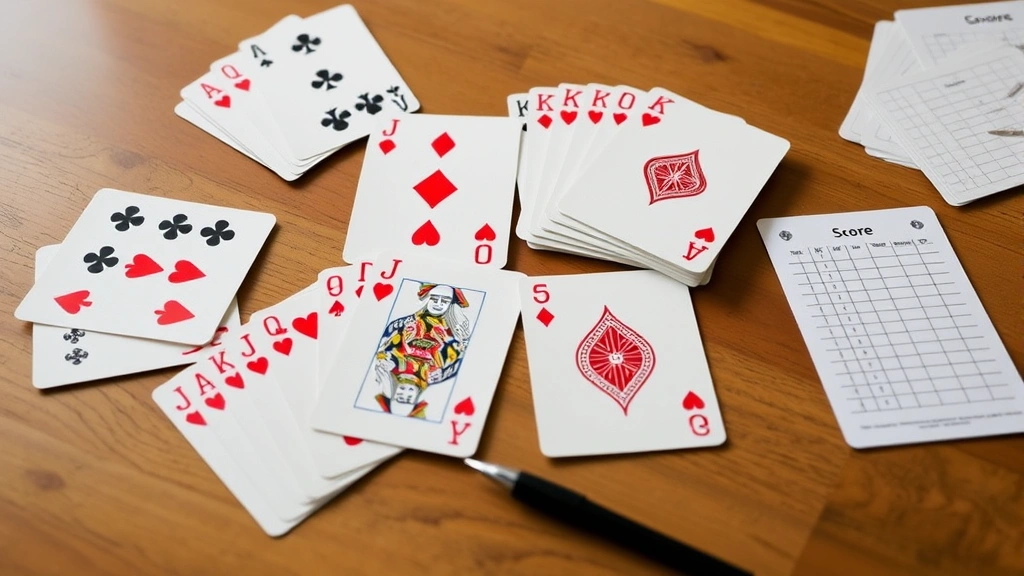
How to Play Canasta? Beginner’s Guide
How to Play Canasta: Beginner’s Guide
Canasta is a captivating rummy-style card game that has entertained families and friends for decades. With roots tracing back to Uruguay in the 1930s, this game combines strategy, luck, and social fun into an engaging experience perfect for game nights. Whether you’re looking to learn a new hobby or want to join friends who already play, understanding the fundamentals of canasta will have you playing confidently in no time.
This comprehensive guide breaks down everything you need to know about playing canasta, from basic setup and card values to melds, scoring, and winning strategies. By the end, you’ll be ready to shuffle a deck and start your first game with confidence.
What You Need to Play Canasta
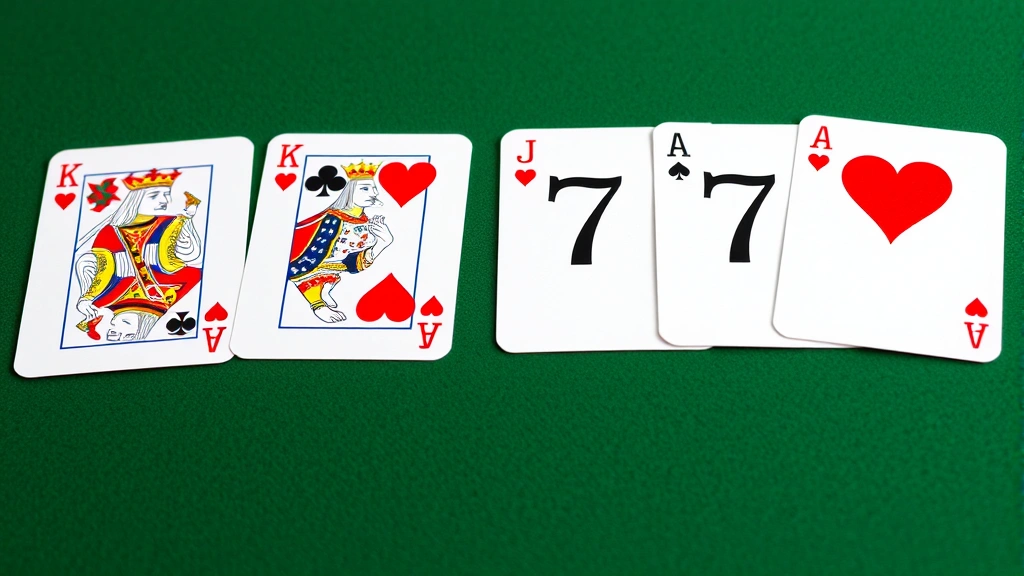
Before you begin your canasta journey, you’ll need to gather the right materials. The game requires two standard decks of playing cards plus four jokers—essentially 108 cards total. Many players prefer using specialty canasta card decks, which come with extra jokers and are specifically designed for the game.
You’ll also need a scorepad and pen to track points throughout the game. Canasta is typically played with two to six players, though it works best with four players in partnership format. If you’re learning alone, grab a friend or family member to practice with. The beauty of canasta is its flexibility—you can play casually or competitively depending on your group’s preferences.
A flat playing surface like a dining table is essential, as you’ll need space to arrange your hand, melds, and the discard pile. Some players like to use a card table or even a kitchen counter. Make sure everyone can see the cards and reach the center of the play area comfortably.
Card Values and Ranking
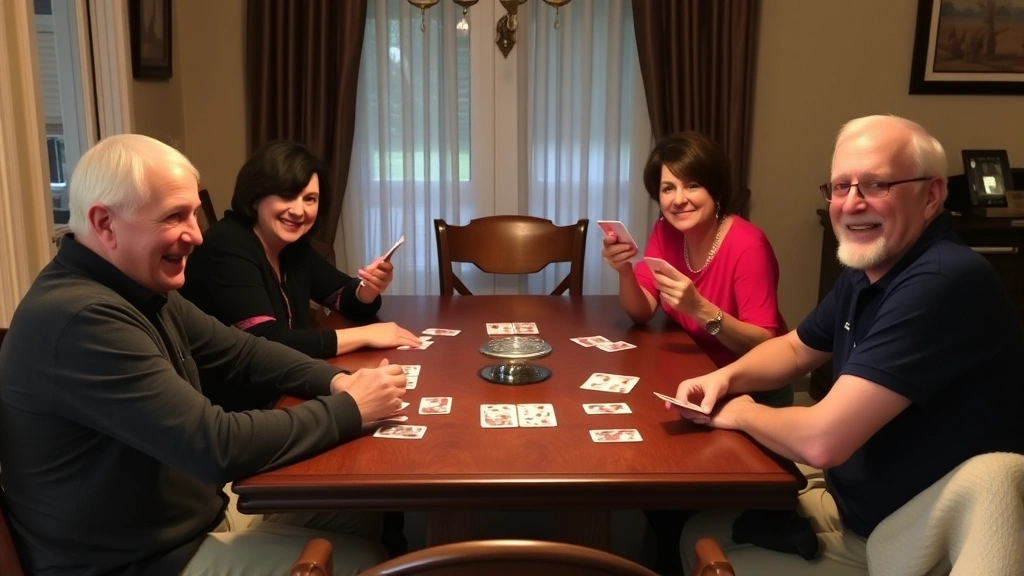
Understanding card values is crucial for scoring and strategy in canasta. Here’s how cards are ranked in terms of their point values:
- Jokers and Twos: Worth 50 points each (these are wild cards)
- Aces: Worth 20 points
- Kings through Eights: Worth 10 points each
- Sevens and lower: Worth 5 points each
Wild cards (jokers and twos) can represent any card you need, making them incredibly valuable for completing melds. However, there are restrictions on how many wild cards you can use in a single meld. Understanding these values helps you calculate your score at the end of each hand and decide which cards to hold or discard strategically.
The ranking also matters when determining what cards can start a meld. Natural cards (non-wild cards) are always preferred over wild cards when possible, and sequences must follow standard playing card order.
Basic Game Setup
Setting up canasta properly ensures everyone starts on equal footing. Begin by shuffling both decks together thoroughly. One player deals 11 cards to each participant, one at a time, going clockwise around the table. The remaining cards form the stock pile, placed face-down in the center.
Next to the stock pile, create a discard pile by turning over the top card of the stock. If this card is a joker, two, or three, bury it in the stock and flip another card. The three is a special card in canasta—it cannot be picked up as part of normal play and serves specific purposes.
Players arrange their 11 cards in their hand and prepare for play. In partnership games, teammates sit across from each other. The player to the left of the dealer goes first. This player must either draw from the stock or pick up the discard pile, then discard one card to end their turn.
Understanding Melds
Melds are the heart of canasta. A meld is a set of three or more cards of the same rank (like three sevens or four kings) or a sequence of cards in the same suit (like 5-6-7-8 of hearts). Learning to recognize and form melds is essential to playing well.
There are important restrictions on melds you should know:
- Minimum opening meld value: Your first meld of the hand must have a minimum point value. Early in the game, this might be 50 points; later hands require 90 points
- Wild card limits: You cannot use more wild cards than natural cards in a single meld
- Sequence requirements: Sequences must be in the same suit and follow standard card order
Once you’ve laid down your first meld, you can add cards to your own melds or your partner’s melds during subsequent turns. A canasta is a special meld of seven or more cards—either seven of the same rank or a seven-card sequence. Completing a canasta earns you bonus points and is a major goal in the game.
Red threes (hearts and diamonds) are special cards that award bonus points but cannot be played in melds. If you draw a red three, place it on the table immediately and draw a replacement card. Black threes can only be melded when you’re going out.
How Turns Work
Each turn follows a simple sequence. First, you must draw a card either from the stock pile or by picking up the entire discard pile. Picking up the discard pile is often advantageous if it contains cards you need for melds.
After drawing, you may lay down melds if you haven’t melded yet this hand, or add to existing melds. You’re not required to meld on every turn—sometimes it’s better to hold cards and wait for a stronger position. Finally, you must discard one card face-up onto the discard pile to end your turn.
The discard pile grows throughout the hand. Players can only pick it up if they have two natural cards matching the top card, or if picking it helps them meld immediately. This rule prevents players from simply hoarding the pile. When someone picks up the discard pile, they take all cards in it, not just the top card.
Play continues clockwise around the table until someone goes out by melding or adding to melds until they have no cards left. That player must discard their final card to officially go out. Going out ends the round, and scores are calculated.
Scoring System Explained
Canasta uses a detailed scoring system that rewards good play and penalizes mistakes. After each hand, calculate points as follows:
- Melds: Add up the point values of all cards in your melds
- Cards in hand: Subtract the point values of cards still in your hand
- Canasta bonus: Add 500 points for a natural canasta (seven cards, all natural) or 300 points for a mixed canasta (includes wild cards)
- Going out bonus: Add 100 points if you go out first
- Red three bonus: Each red three is worth 100 points if your team has melded; they count against you if you don’t meld
Partnership games combine both partners’ scores. The first team to reach an agreed-upon total (usually 5,000 points) wins the game. Some groups play multiple rounds and track cumulative scores across hands.
Understanding scoring helps you develop strategy. Sometimes it’s worth going out quickly to prevent opponents from scoring, while other times you might want to build larger melds to accumulate more points before finishing the hand.
Winning and Game Strategy
Winning at canasta requires balancing aggressive play with defensive tactics. Here are key strategies for improving your game:
Meld early when possible. Once you’ve met the minimum opening meld requirement, get your cards on the table. This prevents you from being stuck with high-value cards if someone goes out suddenly.
Manage the discard pile carefully. Don’t discard cards you think opponents need. Pay attention to what others are picking up and what they’re discarding. If someone keeps discarding hearts, they probably don’t have many in their hand.
Build toward canastas. Completing seven-card melds gives you substantial bonus points. Try to meld cards that will help you build canastas rather than spreading your efforts across many small melds.
Watch your hand size. Keep track of how many cards you and your opponents have. If someone has very few cards, they might go out soon, so prioritize your own melds.
Use wild cards strategically. Don’t waste jokers and twos on easy melds. Save them for situations where they’re truly needed to complete important melds or canastas.
Go out at the right time. Sometimes it’s better to go out quickly to stop opponents from scoring. Other times, you want to build more points first. This judgment improves with experience.
Like learning to make a paper airplane, canasta improves with practice. Each game teaches you something new about timing and card management.
For more detailed strategy discussions, check out Pagat’s comprehensive canasta rules, which covers advanced variations and tournament play.
FAQ
Can you play canasta with two players?
Yes, canasta works with two players, though it plays differently than partnership games. Each player draws 15 cards instead of 11, and both must go out for the hand to end. Many prefer the four-player partnership version for better strategy and social interaction.
What happens if the stock pile runs out?
If the stock pile is exhausted and a player cannot pick up the discard pile, their turn ends. Play continues with players drawing from the discard pile or passing if they cannot. The game continues until someone goes out.
Can you pick up the discard pile on your first turn?
Yes, you can pick up the discard pile on your first turn if you have two natural cards matching the top card. However, you still need to meet the minimum opening meld value with all your cards after picking it up.
What are black threes used for?
Black threes are defensive cards. You can only meld them when you’re going out. If you discard a black three, the next player cannot pick up the discard pile, making it a useful blocking card.
How do partnerships work in canasta?
Partners sit across from each other and combine their scores. They can add cards to each other’s melds, and both must go out for the hand to end in some variations. Partners should communicate strategy through careful observation of play.
Is there a time limit for turns?
No standard time limit exists in casual canasta, though tournament play may impose time limits. For friendly games, take as long as you need to decide, but try not to slow down the game excessively.
What’s the difference between natural and mixed canastas?
A natural canasta uses seven or more cards all of the same rank with no wild cards. A mixed canasta includes wild cards. Natural canastas earn 500-point bonuses while mixed canastas earn 300-point bonuses, rewarding skillful play with natural cards.
Ready to host your first canasta night? Gather your materials, invite some friends, and start with a practice hand or two. Like any card game, the more you play, the more intuitive the rules become. Soon you’ll be enjoying the strategic depth and social fun that has made canasta a beloved game for generations. Visit the Spruce Crafts canasta guide for additional variations and house rules you might enjoy exploring.

Related Posts
Prevent Razor Bumps: Expert Tips for Smooth Shaving

Prevent Razor Bumps: Tips from Dermatologists