
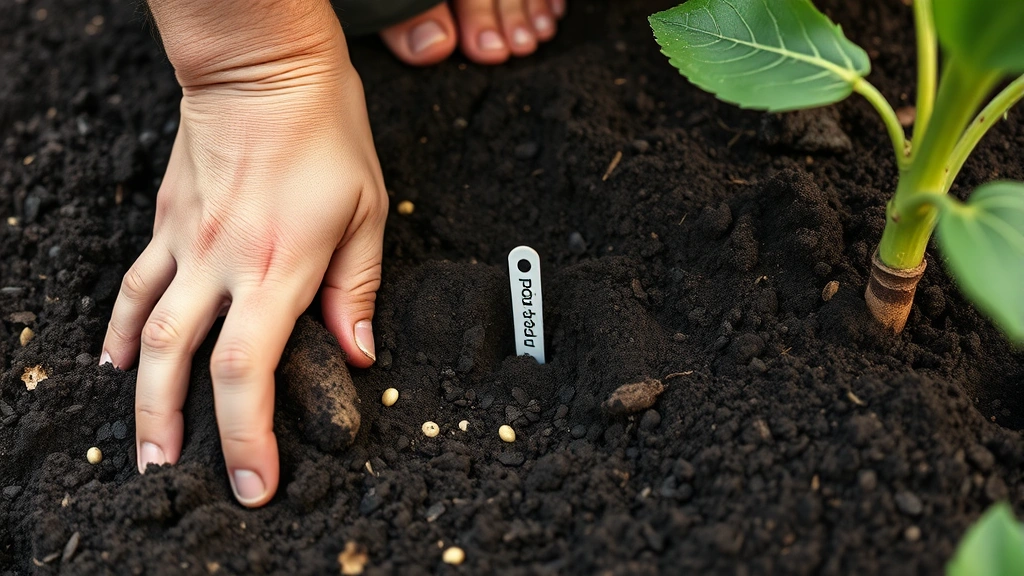
Plant Sunflower Seeds? Expert Tips Inside!
How to Plant Sunflower Seeds: Expert Tips for a Thriving Garden
Growing sunflowers from seed is one of the most rewarding gardening projects you can undertake. These cheerful giants transform any landscape, whether you’re planting them in a backyard garden, along a fence line, or in decorative containers. The process is straightforward enough for beginners, yet offers enough nuance to keep experienced gardeners engaged. With proper planning and attention to a few key details, you’ll be harvesting your own sunflowers within months.
Sunflowers are remarkably forgiving plants that thrive in most climates across North America and beyond. They’re not fussy about soil conditions, grow quickly, and provide stunning visual interest throughout the growing season. Whether you want to grow towering varieties that reach 12 feet tall or compact cultivars perfect for small spaces, understanding the fundamentals of seed planting will set you up for success. This comprehensive guide covers everything from selecting the right seeds to nurturing mature plants ready for harvest.
Choosing the Right Sunflower Seeds
Before you dig into the soil, selecting quality seeds is your first critical decision. Sunflower varieties range dramatically in height, color, and bloom time, so understanding your options ensures you plant what actually fits your space and vision. Visit reputable seed retailers or local nurseries to examine seed packets closely, checking germination rates and variety descriptions.
The most popular giant varieties include ‘Mammoth Russian’ and ‘Sunburst’, which can reach 10-12 feet tall and produce enormous flower heads. If you have limited space, consider dwarf varieties like ‘Teddy Bear’ or ‘Moulin Rouge’, which max out at 2-3 feet. Intermediate options such as ‘Autumn Beauty’ offer a nice compromise at 4-6 feet with multiple blooms per plant. Beyond size, varieties differ in color—classic golden yellow remains most common, but you’ll find deep burgundy, pale cream, and bi-color options.
When purchasing seeds, check the germination percentage on the packet; aim for at least 85% germination to ensure good sprouting rates. Look for seeds from the current year’s harvest when possible, as older seeds may have reduced viability. If you’re ordering seeds online similar to other garden projects, ensure they arrive well before your local frost date. Many gardeners also save seeds from previous year’s sunflowers, which is economical and fun—simply let flowers dry on the stalk, then collect the mature seeds.
Understanding Sunflower Growing Requirements
Sunflowers earned their name honestly: they absolutely demand full sun to thrive. Plan to plant them in a location receiving at least 6-8 hours of direct sunlight daily, though 10+ hours is ideal. Without sufficient light, plants become leggy, weak, and produce smaller flowers. Morning sun is particularly valuable because it dries dew from leaves, reducing fungal disease risk.
Soil requirements are refreshingly flexible. Sunflowers tolerate poor, sandy, or clay soils that many other plants reject. However, they perform best in well-draining soil with a pH between 6.0 and 7.5. If your garden is extremely acidic or alkaline, consider a soil test through your local extension office for guidance. Amend heavily compacted clay with compost or aged manure to improve drainage and prevent root rot.
Temperature matters more than most gardeners realize. Sunflower seeds need soil temperatures of at least 50°F to germinate, though 70°F or warmer is ideal for quick sprouting. Plant seeds only after your last frost date has passed and soil has warmed sufficiently. Planting too early in cold soil results in seed rot or extremely slow germination. In cooler climates, waiting an extra 1-2 weeks after your frost date often yields better results than rushing the season.
Preparing Your Planting Site
Proper site preparation dramatically improves success rates. Begin by clearing the planting area of weeds, grass, and debris. Remove any large rocks or roots that might obstruct seedling development. If you’re planting in an existing garden bed, loosen soil to a depth of 10-12 inches using a garden fork or tiller.
Work in 2-4 inches of compost or aged manure if your soil is poor or compacted. This improves both drainage in clay soils and water retention in sandy soils. For container growing, fill pots with high-quality potting mix rather than garden soil, which compacts in containers and restricts root development. A 5-gallon container accommodates dwarf varieties well; giant types need 10+ gallons.
Consider wind exposure when choosing your location. While sunflowers need sun, very tall varieties in extremely windy sites may require staking or support later. If wind is a concern, plant against a south-facing wall or fence that provides afternoon protection without blocking sunlight. The support structure also helps with the overall sunflower growing process as plants mature.
Step-by-Step Planting Instructions
Timing is everything with sunflower planting. In most climates, plant seeds 1-2 weeks after your last spring frost date. Check your local frost date calendar for precise timing. You can succession-plant every 2-3 weeks through early summer to extend the blooming season, though the last planting should occur at least 70-80 days before your first fall frost.
Direct Seeding Method (Most Common):
- Plant seeds directly into prepared garden soil 1-1.5 inches deep. Don’t plant deeper, or seeds may struggle to push through soil.
- Space seeds 6 inches apart in rows, with rows 12-18 inches apart for dwarf varieties and 18-24 inches for giant types. Sunflowers develop deep taproots and dislike transplanting, so direct seeding prevents root damage.
- Cover seeds with soil and water gently but thoroughly until soil is moist 3-4 inches deep.
- Keep soil consistently moist (not waterlogged) until seedlings emerge in 7-14 days, depending on soil temperature.
- Once seedlings develop 2-3 true leaves, thin them to proper spacing by removing weaker plants with scissors rather than pulling, which disturbs remaining roots.
Starting Indoors (Optional):
Some gardeners start seeds indoors 4-6 weeks before the last frost to get a head start. Use biodegradable peat pots to minimize root damage during transplanting. Sow one seed per pot, keep soil warm and moist, and provide bright light to prevent legginess. Harden off seedlings by gradually exposing them to outdoor conditions over 7-10 days before transplanting. This method works well in short-season climates but adds complexity for minimal benefit in most areas.
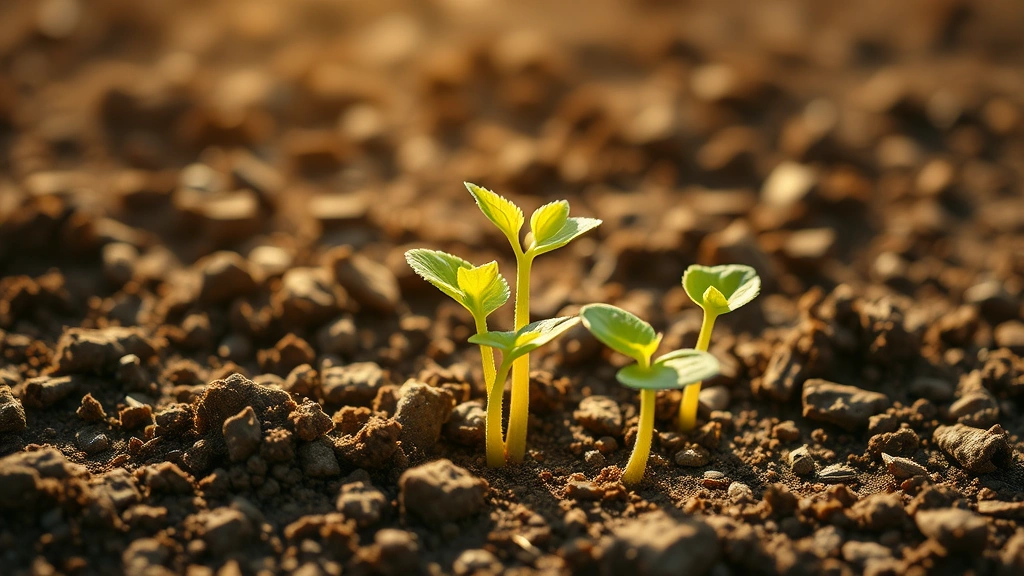
Watering and Early Care
Consistent moisture during the first 3-4 weeks is critical. Young seedlings have shallow roots vulnerable to drought stress. Water deeply 2-3 times weekly, aiming to keep soil moist 2-3 inches deep. As plants establish and roots deepen (you’ll notice rapid growth), reduce watering frequency but increase the amount applied at each watering. This encourages deeper rooting and stronger plants.
Once established, sunflowers are remarkably drought-tolerant and rarely need supplemental watering except in extreme heat or prolonged dry spells. Over-watering is actually more problematic than under-watering, particularly in humid climates where it promotes fungal diseases. The general rule: water deeply but less frequently, allowing soil to dry slightly between waterings.
Mulching conserves soil moisture and moderates temperature fluctuations. Apply 2-3 inches of organic mulch (straw, shredded leaves, or wood chips) around plants once they’re 6 inches tall, keeping mulch 2-3 inches away from the stem to prevent rot. Fertilizing is usually unnecessary if you’ve amended soil with compost. If your soil is poor or plants show yellowing leaves, apply a balanced fertilizer (10-10-10) at half strength every 2-3 weeks.
Supporting Growth and Managing Pests
As seedlings grow, thin them progressively to final spacing. This concentrates energy into fewer, stronger plants that produce larger flowers. Final spacing depends on variety: 12 inches apart for dwarfs, 18-24 inches for medium types, and 24-36 inches for giants. Thinning is tedious but essential—crowded plants compete for light and nutrients, resulting in weak, spindly growth.
Sunflowers don’t require fertilizing if soil was properly prepared, but a single application of balanced fertilizer when plants reach 12 inches tall boosts flower production. Avoid high-nitrogen fertilizers, which encourage excessive foliage at the expense of blooms. Family Handyman recommends focusing on phosphorus and potassium for optimal flowering.
Staking tall varieties becomes necessary as plants mature. Install sturdy stakes 6-8 feet tall when plants reach 2-3 feet, tying stems loosely with soft twine every 12-18 inches up the stalk. This prevents wind damage and protects the developing flower head. For very windy sites, plant varieties that naturally branch and produce multiple smaller flowers rather than single giant blooms.
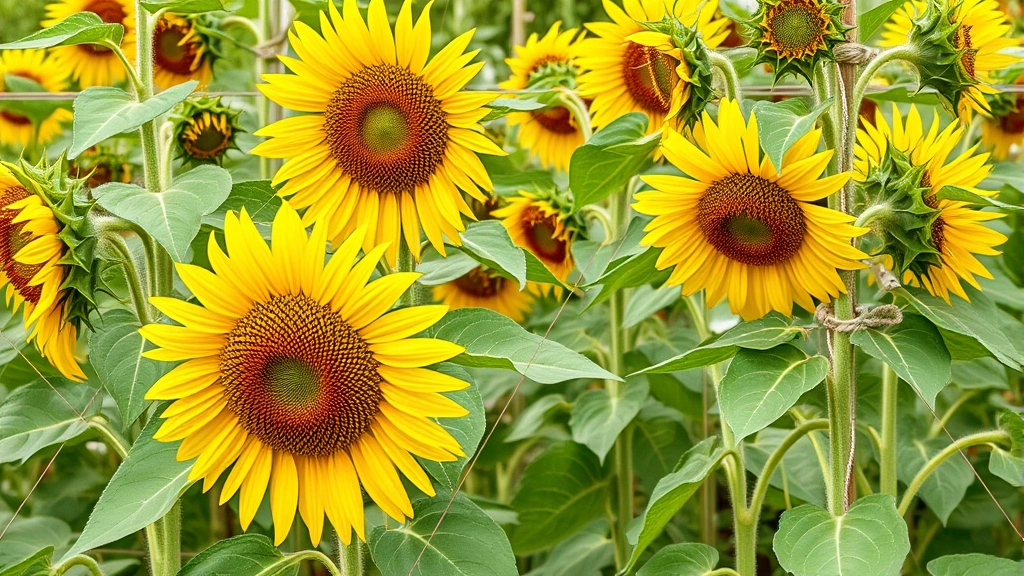
Common Pests and Management:
- Sunflower beetles: Hand-pick these yellow-and-black striped insects from plants. Neem oil spray provides organic control if infestations are severe.
- Aphids: Spray with strong water stream to dislodge, or use insecticidal soap for heavy infestations.
- Powdery mildew: Ensure good air circulation and avoid wetting foliage. Sulfur dust or neem oil treats early infections.
- Slugs and snails: Copper tape around container rims or diatomaceous earth around plants deters these pests organically.
- Birds and squirrels: Once flower heads develop, netting protects seeds from wildlife. Install netting once flowers begin setting seed.
Most sunflower varieties show natural pest resistance. Regular monitoring and prompt action at the first sign of problems prevent minor issues from becoming major infestations. The key is catching problems early when they’re easiest to manage.
Harvesting Your Sunflowers
Cut flowers for arrangements when the back of the flower head turns from green to yellow and petals are fully open. Cut stems early in the morning when they’re most turgid, using sharp pruners and leaving at least 12 inches of stem. Place immediately in water to prevent wilting. Sunflower arrangements last 7-12 days in a vase—change water every 2-3 days and trim stems diagonally to maximize water absorption.
For seed harvesting, allow flowers to mature on the plant until the back of the head browns and the face droops downward. At this stage, seeds are fully developed and easier to harvest. Cut the entire flower head, leaving 6-12 inches of stem. Hang heads upside down in a warm, dry location with good air circulation for 2-4 weeks until seeds easily separate from the head. Rub your thumb across the dried flower face to dislodge seeds, then clean and store them in a cool, dry place.
Sunflower seeds store remarkably well—properly dried seeds remain viable for 4-6 years in sealed containers kept in cool conditions. This makes saving seeds an excellent way to build a personalized seed collection. Many gardeners also leave mature flower heads on plants for wildlife—birds, particularly finches, relish sunflower seeds and provide delightful garden activity throughout fall.
FAQ
Can I plant sunflower seeds directly in the ground?
Yes, direct seeding is the preferred method. Sunflowers develop sensitive taproots that dislike transplanting. Plant seeds 1-1.5 inches deep, 6 inches apart, directly where you want them to grow. This is simpler than starting indoors and produces healthier plants with better root systems.
How long does it take sunflower seeds to sprout?
Seeds typically germinate in 7-14 days with warm soil (70°F+). In cooler soil (50-60°F), germination may take 3-4 weeks. Patience is important—don’t assume seeds failed if sprouting takes longer than expected. Consistent soil moisture accelerates germination.
What’s the best time to plant sunflower seeds?
Plant after your last spring frost date when soil has warmed to at least 50°F (ideally 70°F+). Check your local frost date and plant 1-2 weeks after. You can succession-plant every 2-3 weeks through early summer to extend the blooming season.
Do sunflowers need a lot of water?
Young seedlings need consistent moisture for the first 3-4 weeks. Established plants are drought-tolerant and actually prefer drying out slightly between waterings. Over-watering causes more problems than under-watering, particularly fungal diseases. Water deeply but infrequently.
How tall do sunflowers get?
Height varies dramatically by variety. Dwarf types reach 2-3 feet, medium varieties grow 4-6 feet, and giant varieties can exceed 12 feet. Check seed packets for specific variety heights before planting to ensure they fit your space.
Can I grow sunflowers in containers?
Yes, dwarf and medium varieties thrive in containers. Use pots at least 5 gallons for dwarfs, 10+ gallons for medium types. Fill with quality potting mix and ensure excellent drainage. Container plants need more frequent watering than in-ground plants.
How do I prevent sunflowers from getting too tall and floppy?
Stake tall varieties when they reach 2-3 feet using sturdy 6-8 foot stakes. Tie stems loosely every 12-18 inches up the stalk. In windy areas, choose naturally branching varieties that produce multiple smaller flowers rather than single giants.
When should I harvest sunflower seeds?
Wait until the flower head back turns brown and the face droops downward. This takes 70-100 days after planting depending on variety and conditions. Cut the entire head and hang it upside down in a warm, dry location for 2-4 weeks before removing seeds.
Are sunflowers susceptible to disease?
Sunflowers are relatively disease-resistant but can develop powdery mildew in humid conditions. Ensure good air circulation, avoid overhead watering, and remove affected leaves promptly. Most varieties show natural disease resistance, especially in well-prepared soil with proper spacing.
Can I save seeds from my sunflowers to plant next year?
Absolutely! Let flowers mature fully on the plant, then cut and dry the heads. Store cleaned, dried seeds in sealed containers in cool conditions. Seeds remain viable for 4-6 years. This is economical and allows you to select seeds from your best-performing plants.

Related Posts

Superscript in Google Docs: Expert Tips

Strikethrough in Excel: Easy Steps for Beginners
