
Grow Sunflowers: Expert Tips for Planting Success
Grow Sunflowers: Expert Tips for Planting Success
Sunflowers are among the most rewarding plants to grow in a home garden, offering vibrant blooms, edible seeds, and straightforward cultivation requirements. Whether you’re a seasoned gardener or picking up a shovel for the first time, learning how to plant sunflower seeds opens the door to spectacular summer displays and abundant harvests. These cheerful giants thrive in most climates and require minimal maintenance once established, making them perfect for gardeners of any skill level.
The beauty of sunflowers extends beyond their stunning appearance. These versatile plants attract pollinators, provide food for wildlife, and can even be dried and harvested for nutritious seeds. With the right preparation and knowledge, you’ll be growing towering sunflowers that brighten your landscape and produce bountiful yields. This comprehensive guide walks you through every step of the planting process, from soil preparation through harvest, ensuring your sunflower garden thrives from seed to bloom.
Choosing the Right Sunflower Seeds
Before you begin planting, selecting the appropriate sunflower variety sets the foundation for success. Sunflowers come in numerous cultivars, each with distinct characteristics regarding height, bloom size, color, and growing season. Understanding your options helps you choose seeds that match your garden’s conditions and your personal goals.
Tall varieties like Mammoth Russian can reach 12 feet or more, creating dramatic focal points and producing large seed heads perfect for harvesting. These giants require sturdy support and ample space. Medium varieties typically grow 4-8 feet tall and offer a balance between visual impact and manageability. Dwarf varieties stay under 3 feet, making them ideal for container gardening, small spaces, or creating colorful borders alongside other plants.
Consider bloom color beyond the classic yellow: varieties include deep red, orange, cream, and bi-color combinations. Some sunflowers produce single large flower heads, while others branch prolifically with multiple smaller blooms. Check seed packets for days to maturity, which typically range from 70 to 100 days. For continuous blooms throughout summer, succession planting similar to strawberry cultivation techniques can extend your flowering season.
Purchase seeds from reputable suppliers like Burpee or local garden centers to ensure quality and viability. Fresh seeds have higher germination rates, so buy new seeds each season when possible. Store unused seeds in a cool, dry place for future planting.
Preparing Your Soil and Garden Space
Sunflowers are remarkably adaptable plants that tolerate various soil types, but they perform best in well-draining soil with moderate fertility. Proper site selection and soil preparation significantly impact growth rates, bloom quality, and seed production.
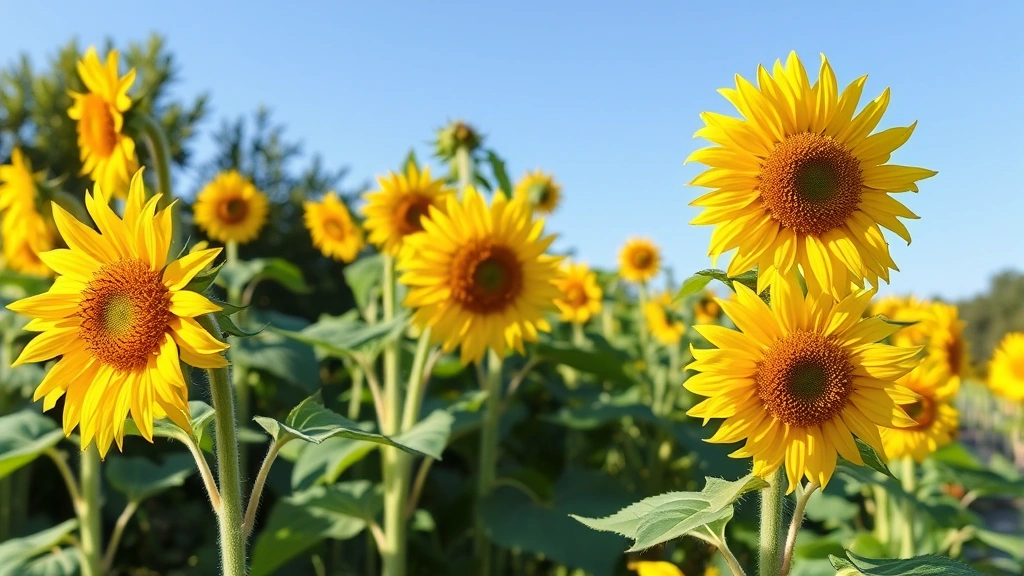
Location requirements are straightforward: choose a spot receiving at least 6-8 hours of direct sunlight daily. Sunflowers are heliotropic when young, tracking the sun’s movement across the sky, so south or west-facing locations work wonderfully. Ensure the area has good air circulation to prevent fungal diseases and protect plants from strong winds that can topple tall varieties.
Soil preparation begins 2-3 weeks before planting. Test your soil’s pH, aiming for 6.0-7.5, which is neutral to slightly acidic. Sunflowers tolerate slightly alkaline soils but struggle in highly acidic conditions. Work 2-3 inches of compost or well-rotted manure into the top 8-10 inches of soil to improve drainage and nutrient content. This amendment process is similar to preparing soil for strawberry beds, where organic matter creates ideal growing conditions.
Remove weeds, rocks, and debris from the planting area. Sunflowers develop deep taproots, so loosen soil to at least 12 inches deep using a garden fork or tiller. Compacted soil restricts root development and limits plant vigor. If your garden has poor drainage, create raised beds or mounds to prevent waterlogging, which causes root rot.
For container gardening, use high-quality potting soil mixed with compost in large containers (at least 5-gallon capacity for dwarf varieties, 20+ gallons for tall types). Containers must have drainage holes to prevent water accumulation.
The Planting Process: Step-by-Step
Timing your planting correctly ensures seeds germinate quickly and seedlings develop before the heat of summer. In most regions, direct sow sunflower seeds outdoors after the last frost date when soil temperatures reach at least 50°F, ideally 60°F or warmer. Planting too early in cold soil causes seeds to rot before sprouting.
Direct sowing method is the most common approach for sunflowers:
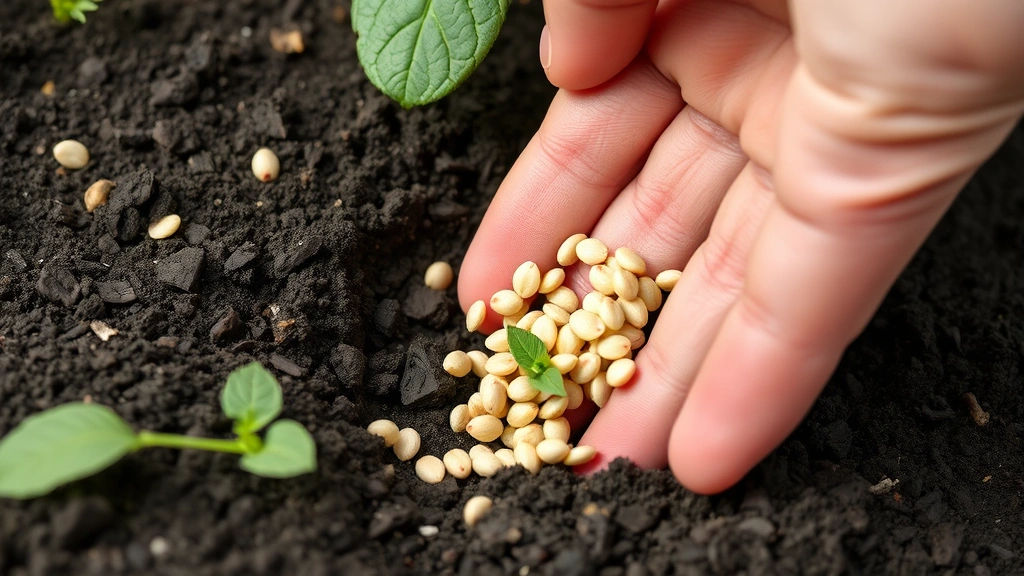
- Create shallow furrows or holes 1-1.5 inches deep using your finger or a small stick. Space holes 6 inches apart for dwarf varieties, 12-18 inches apart for medium types, and 24-36 inches apart for tall varieties.
- Place one or two sunflower seeds in each hole. Two seeds per hole increases germination success; you’ll thin to the strongest seedling later if both sprout.
- Cover seeds lightly with soil and pat gently to ensure seed-to-soil contact, which aids germination.
- Water the area thoroughly but gently to avoid displacing seeds. Keep soil consistently moist (not waterlogged) until seedlings emerge, typically within 7-10 days.
- Once seedlings develop their first true leaves and reach 2-3 inches tall, thin by removing the weaker plant, leaving the strongest seedling in each spot.
Indoor seed starting works if you want to extend your growing season or protect young plants from pests. Start seeds indoors 4-6 weeks before your last frost date in peat pots or seed trays. Maintain soil temperature around 70°F and provide bright light once seedlings emerge. Harden off seedlings by gradually exposing them to outdoor conditions over 7-10 days before transplanting.
Plant transplants at the same depth they were growing in containers, burying the stem slightly deeper if they’re leggy. Space according to variety requirements. Water well after transplanting and provide temporary shade for 2-3 days if weather is extremely hot.
Watering and Basic Care
Establishing proper watering habits ensures vigorous growth and abundant blooms. Sunflowers are relatively drought-tolerant once established, but consistent moisture during their first month of growth produces stronger plants and better flowering.
Watering frequency depends on rainfall, temperature, and soil type. Young seedlings need regular moisture, so water when the top inch of soil feels dry. Once plants reach 12 inches tall with established root systems, they’re more resilient. Water deeply once or twice weekly rather than frequent shallow watering, which encourages shallow root systems. About 1-1.5 inches per week from rainfall or irrigation is ideal.
Water at soil level in early morning to prevent wetting foliage, which promotes fungal diseases. Avoid watering in evening when moisture lingers on leaves overnight. During extreme heat waves, increase watering frequency but allow soil to dry slightly between waterings to prevent root rot.
Fertilizing is minimal for sunflowers in well-prepared soil. If your soil lacks nutrients, apply a balanced fertilizer (10-10-10) when seedlings reach 6 inches tall. Repeat every 3-4 weeks during the growing season, or use a slow-release fertilizer at planting time. Avoid over-fertilizing with nitrogen, which produces excessive foliage at the expense of blooms.
Support and staking becomes necessary for tall varieties, especially in windy locations. Install stakes or cages when plants reach 24 inches tall, before they become too heavy to tie securely. Use soft ties like cloth strips or gardening tape that won’t cut into stems. Medium varieties may need support in exposed areas. Dwarf varieties rarely require staking.
Pinching the main growing tip when plants reach 12-18 inches tall encourages branching and multiple flower heads, useful for cut flower production. Leave this step undone if you prefer single large blooms.
Managing Pests and Diseases
Sunflowers are generally hardy and pest-resistant compared to many garden plants, but several issues can impact growth and seed production. Early detection and prompt action prevent problems from escalating.
Common pests include sunflower beetles, which chew holes in leaves and flower buds. Hand-pick beetles in early morning when they’re sluggish, dropping them into soapy water. Neem oil or insecticidal soap sprays control moderate infestations. Aphids cluster on stems and buds, weakening plants and spreading viruses. Blast them off with water from a hose, or use neem oil for severe infestations.
Birds love sunflower seeds, particularly as they mature. Protect developing seed heads with netting or mesh bags once flowers fade and seeds begin forming. Install bird netting over plants or use scare devices like reflective tape or predator decoys.
Disease management focuses on prevention through proper spacing and air circulation. Powdery mildew appears as white coating on leaves in humid conditions. Improve air flow by spacing plants appropriately and removing lower leaves if needed. Sulfur dust or fungicidal sprays control active infections. This Old House’s gardening resources offer detailed disease management strategies applicable to various plants.
Rust causes orange or brown spots on leaves and stems. Remove infected foliage and avoid overhead watering. Downy mildew creates yellowing patches; remove affected leaves and improve drainage. Most fungal diseases thrive in wet conditions, so water at soil level and avoid wetting foliage.
Prevent root rot by ensuring excellent drainage and avoiding overwatering. If plants wilt despite adequate moisture, root rot may be present; unfortunately, there’s no cure, so remove and destroy affected plants. Rotate planting locations yearly to prevent soil-borne disease buildup.
Harvesting and Storage
The reward for your gardening efforts arrives at harvest time, whether you’re cutting fresh blooms for arrangements or collecting seeds for snacking or replanting.
Cut flower harvesting should occur in early morning after dew dries but before heat peaks. Choose flowers that are fully open or just beginning to open. Cut stems at least 12 inches long using sharp pruners, cutting at a 45-degree angle just above a leaf node. Remove lower leaves that would sit below the waterline in vases. Sunflowers last 8-12 days in fresh arrangements with daily water changes and stem re-cutting every few days.
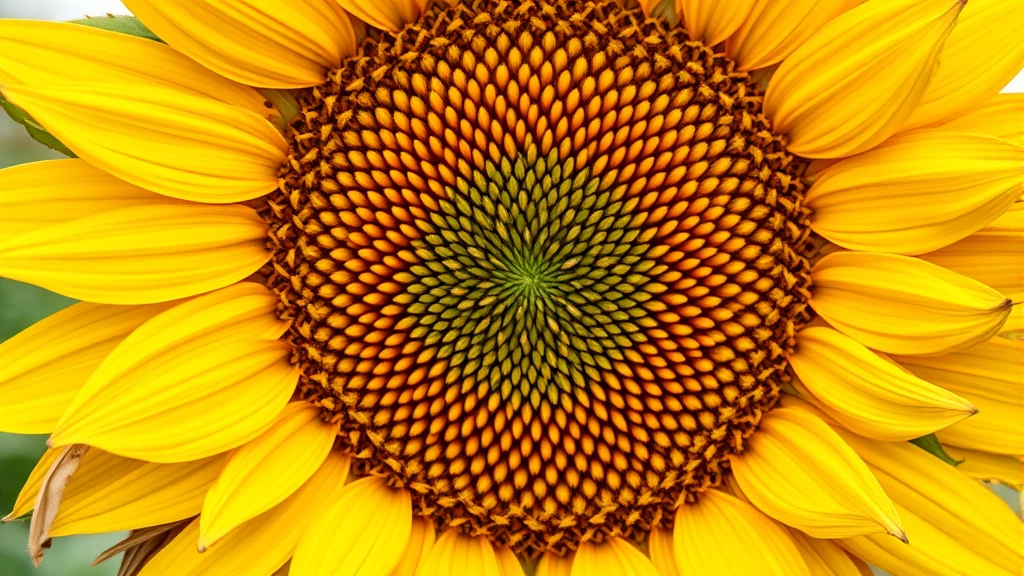
Seed harvesting begins when flower petals drop and the back of the seed head turns brown or yellowish. The seeds will feel loose when rubbed. Cut the seed head with 12 inches of stem attached and hang it upside down in a warm, dry location like a garage or shed for 2-3 weeks. Place a cloth or paper bag underneath to catch falling seeds.
Once fully dry, rub the seed head with your hand or a stiff brush to dislodge seeds. Separate seeds from chaff by winnowing: spread seeds on a tray and blow gently while tilting the tray so chaff blows away while heavier seeds remain. Rinse seeds and spread them on a tray to dry completely (1-2 weeks) before storage.
Storage of harvested seeds requires cool, dry conditions. Place dried seeds in airtight containers or sealed bags and store in a cool location (50-70°F) with low humidity. Properly stored seeds remain viable for 3-4 years. For eating, roast fresh seeds at 300°F for 30-40 minutes, stirring occasionally, then cool and store in airtight containers.
If you’re interested in preserving other garden harvests, explore pickling techniques for onions or selecting ripe cantaloupes from your garden. These skills complement your overall gardening knowledge.
Frequently Asked Questions
Can I plant sunflower seeds directly in the ground?
Yes, direct sowing is the preferred method for sunflowers. Plant seeds 1-1.5 inches deep after the last frost date when soil reaches 50-60°F. Most sunflowers germinate within 7-10 days in warm soil. Direct sowing produces stronger root systems compared to transplanting.
How deep should I plant sunflower seeds?
Plant sunflower seeds 1-1.5 inches deep. Planting too shallow exposes seeds to birds and drying; planting too deep prevents seedlings from reaching the surface. The soil should be moist but not waterlogged at planting.
What is the best spacing for sunflower plants?
Space dwarf varieties 6 inches apart, medium varieties 12-18 inches apart, and tall varieties 24-36 inches apart. Adequate spacing ensures good air circulation, reduces disease risk, and allows each plant access to soil moisture and nutrients. Closer spacing produces thinner, weaker plants with smaller blooms.
How often should I water sunflowers?
Water young seedlings when the top inch of soil feels dry. Established plants need about 1-1.5 inches weekly from rainfall or irrigation. Water deeply once or twice weekly rather than frequent shallow watering. Reduce watering once plants are well-established and reach their full height.
Do sunflowers need fertilizer?
Sunflowers grown in well-prepared soil with compost amendments need minimal fertilizing. If soil is poor, apply balanced fertilizer when seedlings reach 6 inches tall and repeat monthly. Avoid excessive nitrogen, which promotes foliage at the expense of blooms. Slow-release fertilizer applied at planting provides season-long nutrition.
Why are my sunflower seedlings wilting?
Wilting indicates either overwatering (root rot), underwatering (drought stress), or transplant shock. Check soil moisture first: if wet, allow it to dry and improve drainage. If dry, water thoroughly. Young transplants may wilt temporarily; provide shade and consistent moisture for 2-3 days. If wilting persists despite proper watering, root rot may be present, requiring plant removal.
When should I harvest sunflower seeds?
Harvest when flower petals drop and the back of the seed head turns brown or yellow, typically 30-45 days after flowering begins. Cut the seed head and hang it upside down in a warm, dry location for 2-3 weeks until seeds are completely dry and easily removed. This timing ensures maximum seed maturity and viability.
Can I grow sunflowers in containers?
Yes, dwarf and medium varieties grow well in containers with at least 5-20 gallons of soil capacity. Use quality potting soil mixed with compost, ensure excellent drainage, and provide 6-8 hours of direct sunlight. Container plants need more frequent watering than ground-planted varieties. Support tall varieties with stakes or cages.
What are the best companion plants for sunflowers?
Plant sunflowers alongside lettuce, cucumbers, marigolds, and zinnias. Avoid planting near beans or potatoes, which may compete for nutrients. Sunflowers’ tall height provides afternoon shade for heat-sensitive plants. Their deep roots don’t compete with shallow-rooted companions, making them excellent border plants in mixed garden layouts.
How long do sunflowers take to grow from seed to bloom?
Most sunflower varieties bloom 70-100 days after planting, depending on variety and growing conditions. Dwarf varieties may flower in 60-70 days, while tall varieties take 80-100 days. Warm soil, consistent moisture, and adequate sunlight accelerate growth and flowering.
Growing sunflowers from seed to harvest is a rewarding experience that teaches patience, observation, and garden stewardship. By following these expert tips and maintaining consistent care throughout the growing season, you’ll enjoy vibrant blooms and abundant seeds that make your gardening efforts worthwhile. Start with quality seeds, prepare soil properly, and provide appropriate water and sunlight, and your sunflower garden will thrive beautifully. For additional gardening guides and how-to tutorials, explore our comprehensive resource library.

Related Posts

Superscript in Google Docs: Expert Tips

Strikethrough in Excel: Easy Steps for Beginners
