
Grow Avocado from Seed: Expert Tips
How to Plant an Avocado Seed: Expert Tips for Growing Your Own Tree
Growing an avocado tree from seed is one of the most rewarding and budget-friendly gardening projects you can undertake. Unlike purchasing a mature tree from a nursery, starting from a seed gives you the satisfaction of nurturing a plant from its earliest stage while saving considerable money. Whether you’re an experienced gardener or a complete beginner, this guide will walk you through every step of the process with proven techniques and practical advice.
The beauty of growing avocados from seed is that it requires minimal investment and equipment. You likely already have most of what you need in your kitchen and home. However, success depends on understanding the unique requirements of avocado seeds, including proper extraction, preparation, and the patience needed for germination and early growth. This comprehensive guide covers everything from seed selection through the first year of care.
Selecting and Extracting Your Avocado Seed
The foundation of successful avocado propagation begins with selecting a healthy, viable seed. Not all avocado seeds will germinate successfully, so choosing the right one matters significantly. Look for seeds from ripe, mature avocados—ideally ones you’ve eaten fresh rather than purchased from a store weeks prior. Seeds from recently ripened fruit have the highest germination rates and vigor.
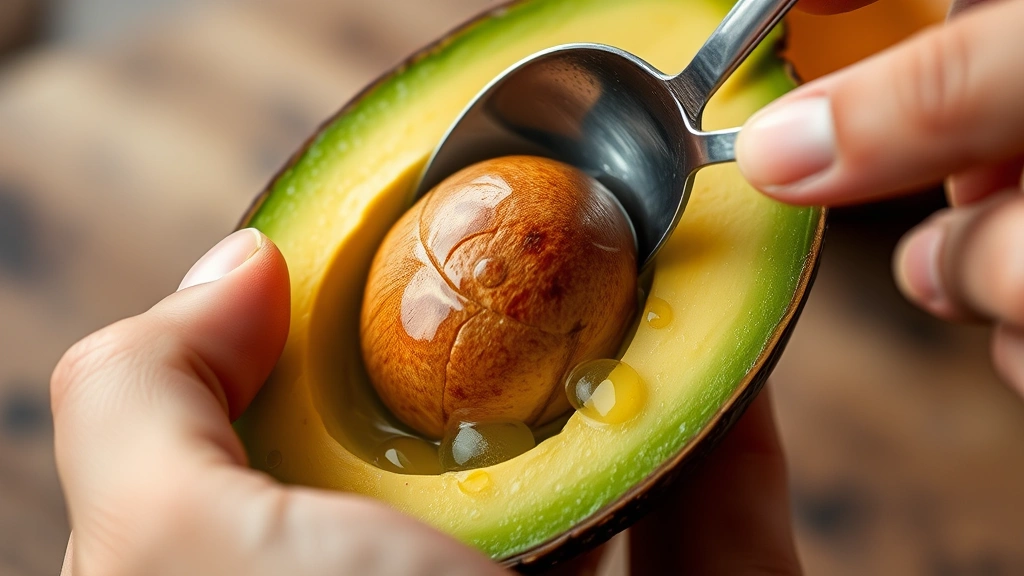
To extract the seed properly, cut the avocado lengthwise around the pit using a sharp knife. Gently twist the two halves apart and carefully remove the seed with a spoon, working it out without puncturing or cracking the seed coat. Rinse the seed thoroughly under cool running water to remove all avocado flesh and residue. Any remaining pulp can lead to mold and rot during germination. Use your fingers or a soft cloth to gently scrub away stubborn bits, but avoid aggressive scrubbing that might damage the seed coat.
Examine your extracted seed for any cracks, soft spots, or damage. A healthy avocado seed should feel firm and heavy for its size. If you notice any mold spots, discoloration, or structural damage, select a different seed. The seed’s appearance is your first indicator of viability—a smooth, firm, unblemished seed offers the best chance of successful germination and growth.
Preparing the Seed for Germination
Once you’ve selected and cleaned your seed, you have two primary methods to encourage germination: water propagation and soil propagation. Before attempting either method, some gardeners prefer to remove the thin brown seed coat. This step is optional but can slightly accelerate germination by allowing water to penetrate more easily. If you choose to remove it, rub the seed gently under running water or use your fingernail to carefully peel away the thin outer layer. Be cautious not to damage the cream-colored seed interior.
Another preparation technique involves creating a small flat spot on the bottom of the seed using a file or sandpaper. This creates a larger surface area for water absorption and can improve germination rates. However, this step should be done gently to avoid cracking the seed. Many successful growers skip this step entirely and still achieve excellent results, so it’s not essential.
Store your prepared seed in a cool, dry location until you’re ready to begin germination. Avocado seeds can be kept dormant for several weeks if necessary, though fresher seeds generally germinate faster and more reliably. If you’re not ready to start immediately, keep the seed in a paper towel in your refrigerator—not the freezer, which can damage the embryo.
Water Propagation Method
The water propagation method is perhaps the most popular technique for germinating avocado seeds because it allows you to monitor progress daily and adjust conditions easily. This method requires only a glass of water and toothpicks, making it ideal for beginners.
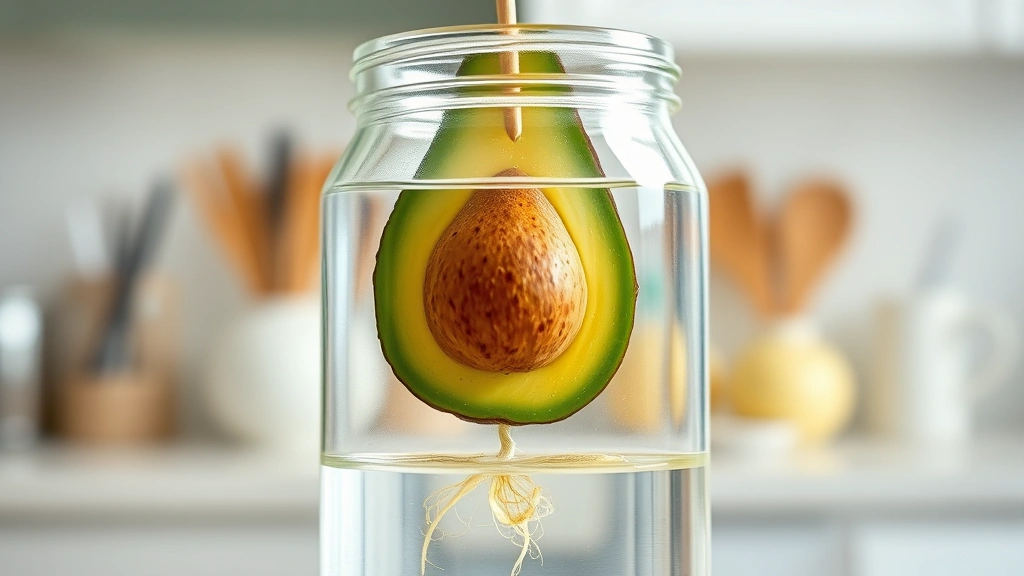
To set up water propagation, you’ll need three toothpicks and a clear glass or jar. Insert the toothpicks horizontally into the seed, spacing them evenly around the widest part of the seed. These toothpicks will rest on the rim of your glass, suspending the seed so that approximately one-third of it sits submerged in water while two-thirds remains above the waterline. This positioning is critical—too much water submersion can cause rot, while too little prevents proper hydration.
Fill your glass with room-temperature water and position the seed so the bottom third is submerged. Place the glass in a warm location, ideally between 65-75°F, away from direct sunlight. A kitchen counter or bathroom shelf works perfectly. Change the water every three to five days to prevent bacterial growth and ensure adequate oxygen availability. Fresh water also prevents the development of mold and fungal issues that commonly plague stagnant water propagation.
Germination typically begins within two to four weeks, though some seeds take up to eight weeks. You’ll first notice a crack forming in the seed coat as the root emerges. The root will grow downward first, extending into the water. Once the root reaches approximately one inch in length, a shoot will eventually emerge from the top of the seed. This shoot may take several additional weeks to appear, so patience is essential.
During water propagation, maintain consistent water levels and temperature. If your home is particularly cold, consider placing the glass near a warm area or using a seedling heat mat to maintain optimal temperature. Avoid placing the glass in direct sunlight at this stage, as excessive light can cause algae growth and may confuse the seed’s growth signals.
Soil Propagation Method
An alternative to water propagation, the soil method allows you to skip the transplanting step later and can result in stronger root development from the beginning. This method works well for those who prefer a more traditional approach or who live in very warm climates.
To propagate in soil, prepare a container with drainage holes filled with moist potting soil mixed with perlite for improved drainage. Create a small depression in the center and position your avocado seed so that approximately one-third remains above the soil surface. The seed should rest firmly in the soil without being compressed. Water gently until the soil is moist but not waterlogged.
Cover the container loosely with plastic wrap or place it in a propagation dome to maintain humidity while allowing some air circulation. Position the container in a warm location between 65-75°F, away from direct sun. Check soil moisture every few days—it should remain consistently moist like a wrung-out sponge, neither soggy nor dry.
In the soil propagation method, germination may take slightly longer than water propagation, typically four to eight weeks. You won’t be able to monitor root development as easily, but you’ll eventually see the seed crack and a shoot emerge from the top. Once the shoot appears and develops its first true leaves, you can transition to normal potting care.
Planting in Potting Soil
Once your seed has germinated and developed a root and shoot, it’s time to transition to a potting soil environment if you haven’t already. This step is essential whether you’ve used water or soil propagation, as it provides the nutrients and structure necessary for sustained growth.
Select a pot with drainage holes, approximately four to six inches in diameter. Larger pots can lead to excessive moisture retention and root rot, so start small and plan to upgrade your container size as the plant grows. Fill the pot with a high-quality potting mix—avoid garden soil, which compacts too easily and drains poorly. A mixture of potting soil, perlite, and compost provides excellent drainage and aeration.
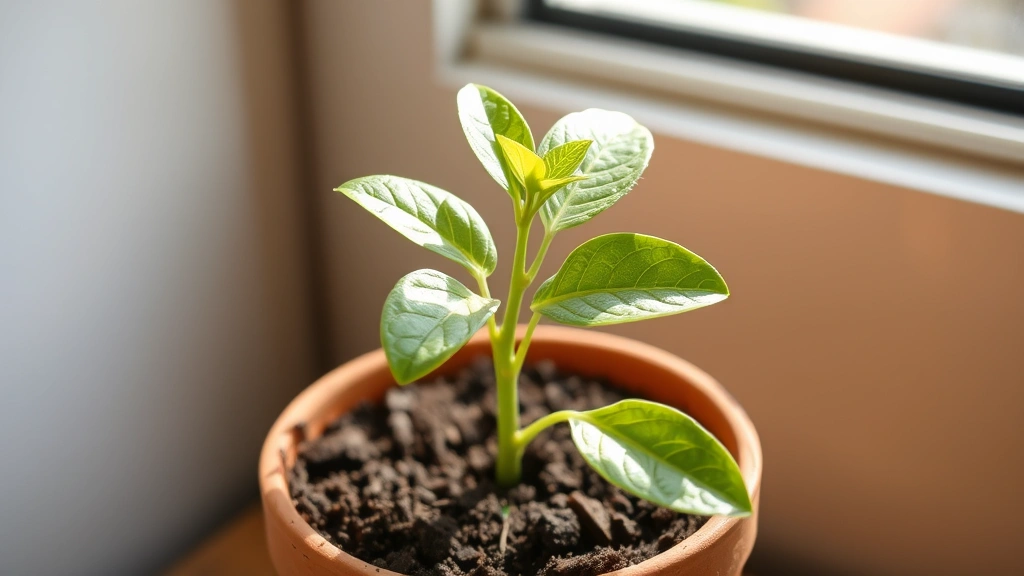
Carefully position your sprouted seed in the soil so that approximately one-third of the seed remains above the soil surface. This exposed portion allows you to monitor the seed’s health and prevents excessive moisture around the seed coat, which can cause rot. The roots should be well-covered with soil, and the emerging shoot should point upward.
Water the soil gently but thoroughly after planting, ensuring water drains from the bottom. Avoid creating a water-logged environment. Place the pot in a warm location with bright, indirect light. A south-facing window or grow light positioned several inches above the plant works excellently. Young avocado plants need 6-8 hours of light daily for optimal growth.
During the first month after potting, water when the top inch of soil feels dry to the touch. Avocado plants prefer slightly moist soil but are highly susceptible to root rot if overwatered. Establish a consistent watering schedule rather than watering on a fixed calendar—soil moisture needs vary based on temperature, humidity, and season.
Caring for Your Sprouted Avocado
Once your avocado seedling has established itself with visible growth, consistent care becomes your primary focus. Temperature, light, humidity, and nutrients all play crucial roles in developing a healthy, vigorous plant.
Light Requirements: Young avocado plants need bright, indirect light for 6-8 hours daily. A south or west-facing window provides ideal conditions in most climates. If natural light is insufficient, supplement with a grow light positioned 6-12 inches above the plant. Insufficient light causes leggy, weak growth and pale foliage. Rotate your pot every few days to ensure even light exposure and symmetrical growth.
Temperature and Humidity: Maintain temperatures between 65-75°F for optimal growth. Avocados are sensitive to cold and suffer damage below 50°F. Avoid placing your plant near heating vents, air conditioning units, or cold windows during winter. Humidity should be moderate—around 50-60%. If your home is very dry, mist the plant occasionally or place it on a pebble tray filled with water.
Fertilization: Begin fertilizing once your plant has developed several sets of true leaves, typically 2-3 months after sprouting. Use a balanced, water-soluble fertilizer diluted to half strength and apply monthly during the growing season (spring and summer). Reduce fertilization during fall and winter when growth naturally slows. Over-fertilization causes salt accumulation and damages roots, so less is better than more.
Pruning for Shape: When your avocado reaches 6-8 inches tall, pinch off the top growing tip. This encourages branching and creates a bushier, more attractive plant rather than a single tall stem. Remove any dead, diseased, or crossing branches. As the plant grows, continue light pruning to maintain shape and encourage dense foliage.
Transplanting to Larger Containers
As your avocado grows, it will eventually outgrow its initial pot. Proper transplanting ensures continued healthy development and prevents root-bound conditions that stress the plant.
Watch for signs that transplanting is needed: roots growing through drainage holes, water running straight through without being absorbed, or visible roots circling the soil surface. These indicators suggest the plant has become root-bound and requires a larger container.
Transplant in spring when the plant is actively growing. Select a pot only 1-2 inches larger in diameter than the current container—jumping to a much larger pot creates excessive moisture retention. Gently remove the plant from its current pot by loosening soil around the edges and tipping it out carefully. Gently loosen the root ball to encourage outward growth into new soil.
Fill your new pot partially with fresh potting mix and position the plant at the same depth it was previously planted. Backfill with soil, firming gently to eliminate air pockets. Water thoroughly and place in bright, indirect light. The plant may experience slight transplant shock, but recovery occurs within a week or two with proper care.
Continue this transplanting process every 12-18 months as the plant grows. Eventually, your avocado may reach 3-4 feet indoors and require a 10-12 inch pot. Some growers transition mature plants to larger outdoor spaces in warm climates where avocados thrive.
Common Problems and Solutions
Seed Not Germinating: If your seed shows no signs of germination after 8 weeks, the seed may not be viable. Ensure water or soil remains consistently moist and warm (65-75°F). Some seeds simply fail to germinate despite proper conditions—this is normal. Select a fresh seed and try again.
Mold or Fungal Growth: White or green fuzz on the seed or soil indicates mold. In water propagation, change water more frequently and ensure adequate air circulation. In soil, reduce watering frequency and improve ventilation. Remove affected soil and repot if necessary.
Leggy, Weak Growth: Insufficient light causes thin, pale stems with large spacing between leaves. Increase light exposure dramatically—move closer to a window or add a grow light. Weak growth also suggests overwatering or poor drainage; adjust your watering schedule and ensure soil drains properly.
Yellow Leaves: Yellowing foliage indicates overwatering, poor drainage, or nutrient deficiency. Check soil moisture—it should be moist but not waterlogged. Ensure your pot has adequate drainage holes. If drainage is fine, apply a diluted balanced fertilizer.
Brown Leaf Tips: This typically results from low humidity or inconsistent watering. Increase humidity by misting or using a pebble tray. Maintain consistent soil moisture without waterlogging. Avoid using chlorinated tap water if your water is heavily treated.
Pest Infestations: Indoor avocados occasionally attract spider mites or mealybugs. Inspect regularly for tiny webs or cotton-like clusters on stems. Treat with neem oil spray or insecticidal soap according to product directions. Isolate affected plants from other houseplants to prevent spread.
Slow Growth: Young avocados naturally grow slowly initially. Ensure adequate light, consistent warmth, and appropriate watering. Fertilize monthly during growing season with balanced fertilizer. Patience is essential—expect 6-12 months before significant size increase.
FAQ
How long does it take to grow an avocado from seed?
Germination typically takes 3-4 weeks, though some seeds require up to 8 weeks. After germination, the seedling grows slowly—expect 6-12 months to achieve a foot-tall plant. Reaching mature fruit-bearing size (3-4 feet) indoors takes 3-5 years or longer.
Will my avocado tree produce fruit indoors?
Avocados grown from seed indoors rarely produce fruit, as they require very specific conditions including extensive root space, consistent warmth, high light levels, and cross-pollination. Growing for fruit is more successful outdoors in warm climates (zones 9-11). Most indoor growers enjoy their plants as ornamental foliage plants.
Can I grow avocado outdoors in cold climates?
Avocados are extremely cold-sensitive and cannot survive freezing temperatures. In zones 8 and colder, grow in containers that can be moved indoors during winter. In zones 9-11, outdoor growing is possible with protection during cold snaps. Check your local hardiness zone guidelines before planting outdoors.
What’s the difference between water and soil propagation?
Water propagation allows you to monitor root development and is faster, but requires transplanting later. Soil propagation skips the transplanting step and may produce stronger roots initially, but germination is slower and harder to monitor. Both methods work equally well—choose based on your preference.
How often should I water my avocado plant?
Water when the top inch of soil feels dry to the touch, typically every 5-7 days depending on conditions. Avoid overwatering—avocados prefer slightly moist rather than soggy soil. In winter, reduce watering frequency as growth slows.
Can I use garden soil instead of potting mix?
Garden soil is not recommended for container avocados. It compacts too easily, drains poorly, and often contains pathogens. Use a high-quality potting mix designed for container plants, ideally amended with perlite for improved drainage.
When should I fertilize my avocado seedling?
Begin fertilizing once the plant has developed several sets of true leaves, typically 2-3 months after germination. Use a balanced, diluted fertilizer monthly during spring and summer. Reduce or eliminate fertilization in fall and winter.
Is it better to start with a seed or buy a grafted tree?
Grafted trees from nurseries fruit much faster (3-4 years versus 7-10+ years) and more reliably. However, growing from seed is more economical, educational, and rewarding. For most home gardeners, seed propagation is ideal for ornamental enjoyment rather than fruit production. For commercial fruiting, grafted trees are superior.
What should I do if my seed cracks but no root emerges?
This sometimes indicates the seed is beginning germination but hasn’t yet pushed out a visible root. Continue providing warm, moist conditions for another 2-4 weeks. If no root emerges after 6 weeks from the initial crack, the seed has likely failed and should be replaced.

Related Posts

Superscript in Google Docs: Expert Tips

Strikethrough in Excel: Easy Steps for Beginners
