
Pickle Onions Easily: Expert Tips Revealed
Pickle Onions Easily: Expert Tips Revealed
Pickling onions at home is one of the most rewarding and straightforward food preservation techniques you can master. Whether you’re looking to create tangy condiments for tacos, burgers, or charcuterie boards, homemade pickled onions offer superior flavor and quality compared to store-bought alternatives. The process requires minimal equipment, affordable ingredients, and just a few hours of your time—making it perfect for both beginner and experienced home cooks.
The beauty of pickling onions lies in its simplicity and versatility. You can adjust the vinegar ratios, spice levels, and sweetness to match your personal taste preferences. Plus, pickled onions last for weeks in the refrigerator, making them an excellent addition to meal prep routines. In this comprehensive guide, we’ll walk you through everything you need to know about pickling onions like an expert, from selecting the right varieties to storing your finished product.
Choosing the Right Onions for Pickling
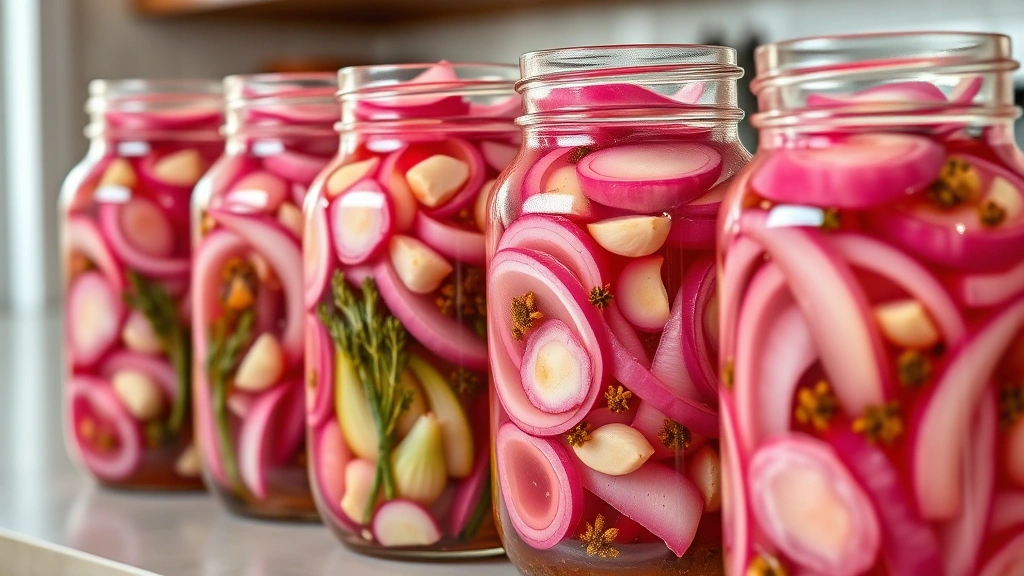
The foundation of excellent pickled onions starts with selecting the appropriate onion variety. While you might think any onion will work, certain types deliver superior results in terms of texture, flavor, and appearance. Red onions are the most popular choice for pickling because they maintain their vibrant color, develop a beautiful pink hue in the brine, and offer a slightly sweet flavor that balances well with vinegar. These medium-sized onions also have a firm structure that resists becoming mushy during the pickling process.
Yellow onions work wonderfully if you prefer a more traditional, pungent pickle flavor. They’re larger than red onions, so you’ll need to cut them into thinner slices or smaller pieces for proper pickling. White onions are another excellent option, particularly if you want a milder, sweeter result. Cipollini onions, a small Italian variety, are prized by professional chefs for pickling because of their natural sweetness and petite size—they can often be pickled whole with minimal preparation.
Size matters significantly when selecting onions for pickling. Medium-sized onions (roughly 2-3 inches in diameter) are ideal because they’re easier to slice uniformly and pickle evenly. Avoid very large onions, as their layers tend to separate during cutting and cooking. Similarly, tiny onions may overcook and become too soft. Look for firm onions with papery, unblemished skin—avoid any that feel soft or show signs of sprouting.
The freshness of your onions directly impacts the final product. Purchase onions within a few days of when you plan to pickle them. Fresh onions have a crisp texture that translates into satisfying crunch in your finished pickles. Store them in a cool, dark place until you’re ready to begin the pickling process. If you’re sourcing onions from a farmers market, ask the vendor about harvest dates—recently harvested onions will yield the best results.
Essential Equipment and Ingredients
You don’t need specialized equipment to pickle onions successfully. Most home cooks already have everything necessary in their kitchen. A sharp knife for slicing onions is essential—a dull blade will crush rather than cut the onion layers, affecting both texture and appearance. A cutting board, preferably one dedicated to onions to avoid flavor transfer, provides a safe work surface. You’ll also need a large mixing bowl for combining your brine ingredients and a measuring cup for accurate proportions.
Glass jars are the preferred storage containers for pickled onions. Mason jars in pint or quart sizes work perfectly and are widely available at grocery stores and online retailers. Glass preserves the flavor better than plastic and allows you to see your beautiful pickled onions without opening the jar. Avoid metal containers, as the acidic brine can react with certain metals and compromise both flavor and safety. A kitchen scale helps ensure consistent results, though measuring spoons and cups work adequately if you don’t have one.
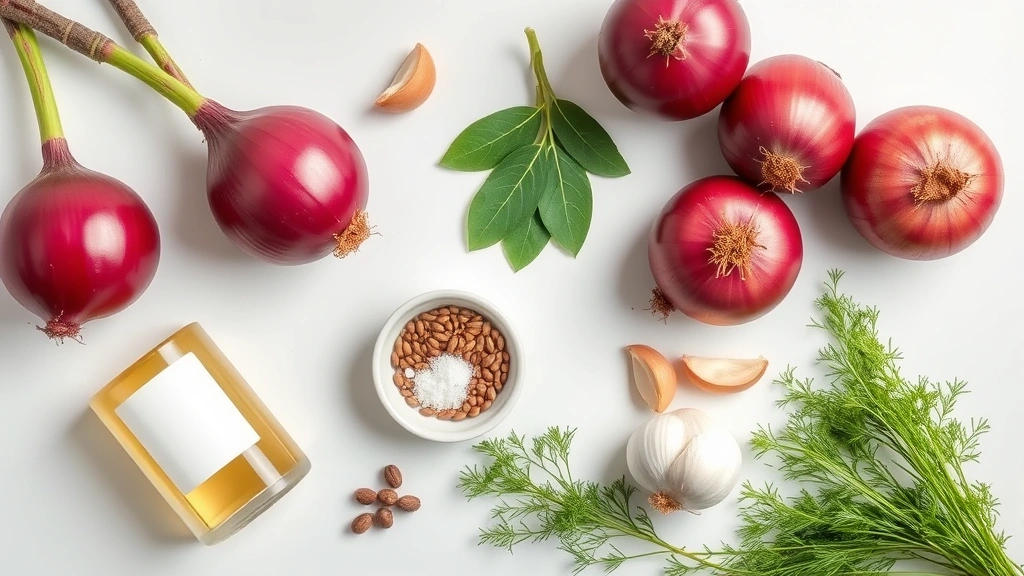
The ingredient list for basic pickled onions is refreshingly short. You’ll need onions (obviously), vinegar, water, salt, and sugar. The vinegar is the star ingredient—it provides the tangy flavor and acts as a natural preservative. White vinegar offers a clean, sharp taste, while apple cider vinegar adds subtle sweetness and complexity. Red wine vinegar creates a more sophisticated flavor profile. For a comprehensive guide to kitchen techniques, consider exploring additional resources beyond pickling.
Beyond the basics, you can incorporate spices and aromatics to customize your pickled onions. Black peppercorns add subtle heat and complexity. Bay leaves contribute earthy notes. Mustard seeds provide a gentle spice and visual interest. Fresh garlic cloves, thyme, rosemary, and dill are popular additions that elevate the flavor profile. Red pepper flakes introduce heat for those who enjoy spicy pickles. Coriander seeds, cumin, and cloves appeal to adventurous palates seeking more exotic flavors.
The quality of your ingredients directly affects the final product. Use filtered or distilled water if your tap water is heavily chlorinated, as chlorine can interfere with the pickling process and flavor. Choose high-quality vinegar with at least 5% acidity—check the label to confirm. Sea salt or pickling salt are preferable to iodized table salt, which can cloud the brine and affect flavor. Granulated sugar works fine, though some cooks prefer honey or brown sugar for added depth.
Step-by-Step Pickling Process
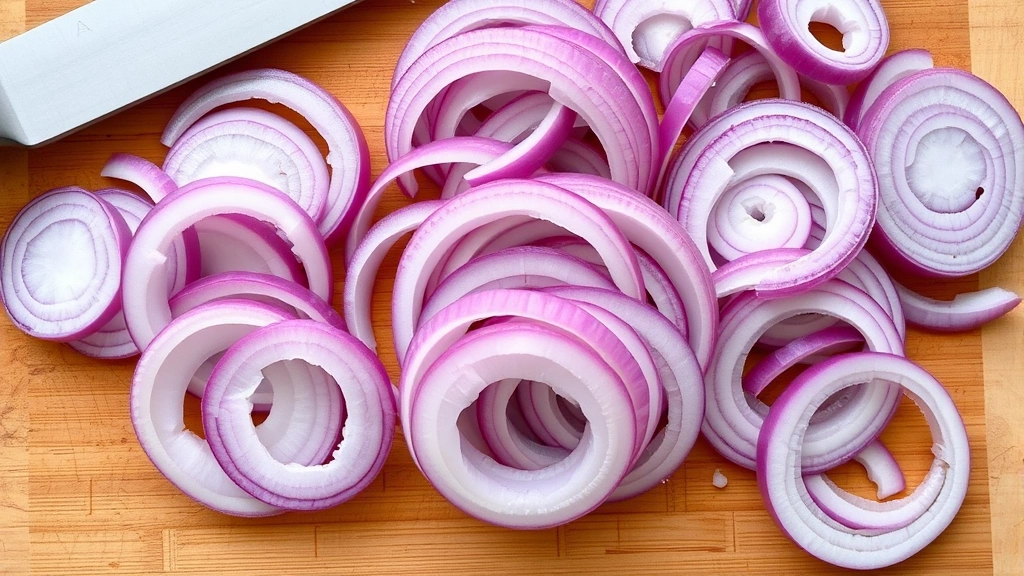
Preparation is crucial for successful pickling. Start by washing your onions thoroughly under cool running water and patting them dry. Using a sharp knife, slice off the root and stem ends. Peel away the papery outer layers and the first layer of onion flesh if it appears damaged. Slice the onions into thin rings or half-moons, roughly 1/8 to 1/4 inch thick. Thinner slices pickle faster and create a more tender final product, while thicker slices maintain more crunch.
Place your prepared onion slices into a large mixing bowl. The onions will likely take up significant volume, but don’t be concerned—they’ll reduce considerably as they wilt. Some cooks prefer to salt the raw onions lightly and let them sit for 15-30 minutes to begin the wilting process, which helps them pack more densely into jars. This optional step also draws out some of the onion’s sharp bite, resulting in a milder finished product.
Now prepare your pickling brine, which is the foundation of flavor. In a saucepan, combine your vinegar, water, sugar, and salt. A classic ratio uses one part vinegar to one part water, though you can adjust based on your preferred tartness. For a standard batch, start with one cup of vinegar and one cup of water. Add two tablespoons of sugar and one tablespoon of salt. This yields a balanced, moderately sweet brine that works with most onion varieties and flavor additions.
Bring the brine to a boil over medium-high heat, stirring occasionally to ensure the sugar and salt dissolve completely. Once boiling, reduce heat and add your desired spices and aromatics. Whole spices work better than ground varieties because they won’t cloud the brine. Add your bay leaves, peppercorns, mustard seeds, garlic cloves, and fresh herbs now. Simmer for 2-3 minutes to allow the flavors to infuse into the liquid, then remove from heat.
While your brine heats, prepare your jars. Wash them thoroughly with hot soapy water and rinse completely. For longer storage (beyond 3-4 weeks), sterilize your jars by running them through a hot dishwasher cycle or placing them in boiling water for 10 minutes. This step eliminates bacteria and mold spores that could compromise your pickles. Allow jars to cool slightly before filling.
Pack your prepared onions into the sterilized jars, filling them about three-quarters full. Don’t compress the onions too tightly—they need space for the brine to circulate and penetrate evenly. Leave approximately 1/2 inch of space at the top of each jar. Distribute your cooked spices and aromatics among the jars, ensuring each gets a fair share of flavoring ingredients.
Carefully pour the hot brine over the onions, filling each jar until the onions are completely submerged. This is important because onions exposed to air can develop mold or discoloration. If you’ve sterilized your jars, you can seal them with hot lids and rings while the brine is still hot—the cooling process creates a vacuum seal that extends shelf life considerably. If using non-sterilized jars for refrigerator storage, simply cap them once cooled.
Allow the jars to cool completely to room temperature before refrigerating. During this cooling period, the onions begin absorbing the brine and developing their characteristic tangy flavor. You can begin eating your pickled onions after just a few hours, but the flavor improves significantly after 24 hours and continues developing for up to a week. The onions will soften slightly over time as the acid breaks down their cell structure.
Flavor Variations and Recipes
Once you’ve mastered the basic pickling technique, experimenting with flavor variations keeps things exciting. Quick-pickled onions use the same method but are eaten within a few days—perfect when you want immediate gratification. These maintain more crunch and sharper onion flavor than longer-stored versions. Sweet pickled onions increase the sugar content to 3-4 tablespoons per batch, creating a condiment that pairs beautifully with grilled meats and rich cheeses.
For those seeking heat, spicy pickled onions incorporate red pepper flakes, fresh jalapeños, or habanero slices directly into the brine. Start with 1/2 teaspoon of red pepper flakes and adjust upward based on your heat tolerance. Fresh chili peppers add visual appeal and more intense, evolving heat as they infuse. Asian-inspired pickled onions replace some of the vinegar with rice vinegar, add a tablespoon of soy sauce, and include star anise, ginger slices, and sesame seeds.
Herb-forward variations appeal to those who cook frequently with fresh herbs. Mediterranean pickled onions feature oregano, thyme, and rosemary, making them ideal for Greek salads, feta cheese pairings, and Mediterranean grain bowls. Dill pickle onions combine fresh dill with mustard seeds and garlic for a flavor profile reminiscent of classic dill pickles—perfect alongside sandwiches and charcuterie boards. Herbes de Provence pickled onions use the classic French herb blend, creating sophisticated pickles suitable for upscale entertaining.
For adventurous cooks, spiced pickled onions incorporate warming spices like cinnamon sticks, cloves, and allspice berries. These work wonderfully with autumn-themed meals, roasted vegetables, and braised meats. Mustard-seed pickled onions feature whole brown and yellow mustard seeds, creating visual interest and a subtle spice that builds on the palate. Honey-sweetened pickled onions replace granulated sugar with raw honey, adding floral notes and additional complexity.
Consider pairing your pickled onions with complementary dishes. They’re essential components of tacos, particularly carnitas or fish tacos. Top burgers and sandwiches with pickled onions for bright acidity that cuts through rich meats and creamy condiments. Include them on charcuterie boards alongside cured meats, cheeses, and crackers. Use pickled onions as a topping for grain bowls, adding tangy contrast to warm grains and roasted vegetables. They’re also excellent additions to composed salads, particularly those featuring hearty greens and substantial proteins.
Storage and Shelf Life
Proper storage is essential for maintaining the quality and safety of your pickled onions. Refrigerator storage is the most straightforward method for most home cooks. Sealed jars of pickled onions last 3-4 weeks in the refrigerator, though they often remain safe and palatable for 6-8 weeks. The cold temperature slows bacterial growth and flavor degradation. Always use clean utensils when removing pickled onions from jars—never stick your fingers directly into the brine, as this introduces bacteria.
If you’ve processed your jars using the hot water bath method with sterilized jars and hot lids, your pickled onions can be stored in a cool, dark pantry for up to 6 months before opening. Once opened, transfer to the refrigerator and consume within 3-4 weeks. Check sealed jars occasionally for signs of spoilage—bulging lids, cloudiness, or unusual odors indicate problems. When in doubt, discard the batch rather than risk foodborne illness.
Temperature stability matters for long-term storage. Avoid storing pickled onions in warm areas or places with temperature fluctuations, as these accelerate spoilage. A cool pantry, basement shelf, or the back of a lower kitchen cabinet works better than above-stove storage or sunny windowsills. Once opened, always refrigerate pickled onions and keep them tightly sealed between uses. The longer onions remain exposed to air, the faster they deteriorate.
For those interested in more involved food preservation techniques, resources like This Old House offer comprehensive guides to home improvement and preservation projects. Additionally, Family Handyman provides practical advice for kitchen organization and food storage solutions. Understanding proper storage extends the life of your homemade products significantly.
If you notice your pickled onions developing white film or cloudiness, don’t automatically assume they’re spoiled. The white substance is often harmless yeast or harmless mold that can be skimmed away. However, if you observe pink or black mold, or if the onions smell off or taste fermented in an unpleasant way, discard them immediately. Trust your senses—if something seems wrong, it probably is.
Freezing is another storage option, though it affects texture considerably. Frozen pickled onions work better in cooked dishes where texture is less critical than in fresh applications. Thaw frozen pickled onions in the refrigerator before using, and consume within a few weeks of thawing. For most uses, fresh pickled onions stored in the refrigerator offer superior results compared to frozen versions.
FAQ
Can I use any type of onion for pickling?
While most onions can technically be pickled, red, yellow, and white onions work best. Red onions maintain their color beautifully and develop an attractive pink hue in the brine. Yellow onions offer a sharper, more traditional pickle flavor. White onions provide milder results. Cipollini onions, a small Italian variety, are prized for pickling because of their natural sweetness and small size.
How long does it take for pickled onions to develop flavor?
You can eat pickled onions after just a few hours, but they taste significantly better after 24 hours. The flavor continues developing for up to a week, with the onions becoming progressively softer and more infused with brine flavors. For the best balance of crunch and flavor, consume pickled onions within 3-5 days of preparation.
Why are my pickled onions still too sharp or pungent?
Raw onions have a sharp, sulfurous bite that mellows over time as they pickle. If your onions taste too pungent, simply wait longer—the flavor will mellow after several days. Alternatively, increase the sugar content in your brine slightly, as sweetness balances sharpness. You can also salt raw onions lightly and let them sit for 15-30 minutes before pickling to reduce their bite.
Can I reuse the pickling brine for another batch?
Technically, you can reuse brine, but the flavor becomes diluted and less effective as a preservative with each use. For best results, prepare fresh brine for each batch. However, if you’re making multiple batches in succession, you can strain the used brine, boil it again to sterilize, and use it once more if desired. Always discard brine that’s been open for more than a week.
What should I do if my pickled onions taste too vinegary?
If your brine is too acidic, you’ve likely used too much vinegar or too little water. For future batches, adjust the ratio toward more water. For an existing batch, you can dilute the brine by removing some liquid and replacing it with equal parts water and vinegar mixed together. Add a bit more sugar to balance the increased water content. The flavor will also mellow naturally over time.
How can I tell if my pickled onions have gone bad?
Signs of spoilage include pink or black mold, off odors, fermented or unpleasant tastes, and bulging jar lids. White film on the surface is usually harmless yeast and can be skimmed away. When in doubt, err on the side of caution and discard the batch. Properly stored pickled onions in sealed jars should last 3-4 weeks in the refrigerator or up to 6 months in a cool pantry before opening.
Do I need special equipment for pickling onions?
No special equipment is required. A sharp knife, cutting board, mixing bowl, saucepan, and glass jars are all you need. Mason jars work perfectly for storage. For longer shelf-life storage, you may want to sterilize jars using a hot water bath or dishwasher, but this isn’t necessary for refrigerator storage. A kitchen scale helps ensure consistent results, but measuring cups and spoons work fine.

Related Posts

Superscript in Google Docs: Expert Tips

Strikethrough in Excel: Easy Steps for Beginners
