
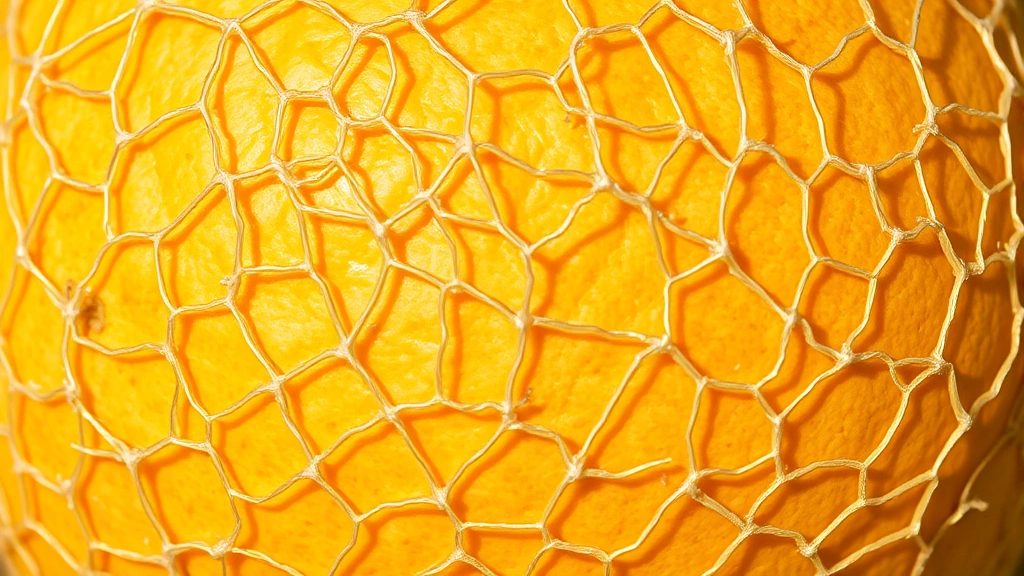
How to Pick a Cantaloupe? Expert Tips Inside
How to Pick a Cantaloupe: Expert Tips Inside
Selecting the perfect cantaloupe can transform your fruit bowl and elevate your summer meals. Whether you’re planning a refreshing breakfast or preparing a fruit salad for a gathering, knowing how to pick a ripe, sweet cantaloupe is an essential skill that takes just a few minutes to master. Many shoppers grab the first melon they see without considering ripeness, texture, or quality indicators—a mistake that often results in bland, mealy fruit that disappoints at the table.
This comprehensive guide walks you through the expert techniques used by produce professionals to identify the best cantaloupes every time. You’ll learn what to look for, what to avoid, and how to store your selection properly so it stays fresh and delicious. With these practical tips, you’ll never waste money on an underripe or overripe cantaloupe again.
Understanding Cantaloupe Ripeness Stages
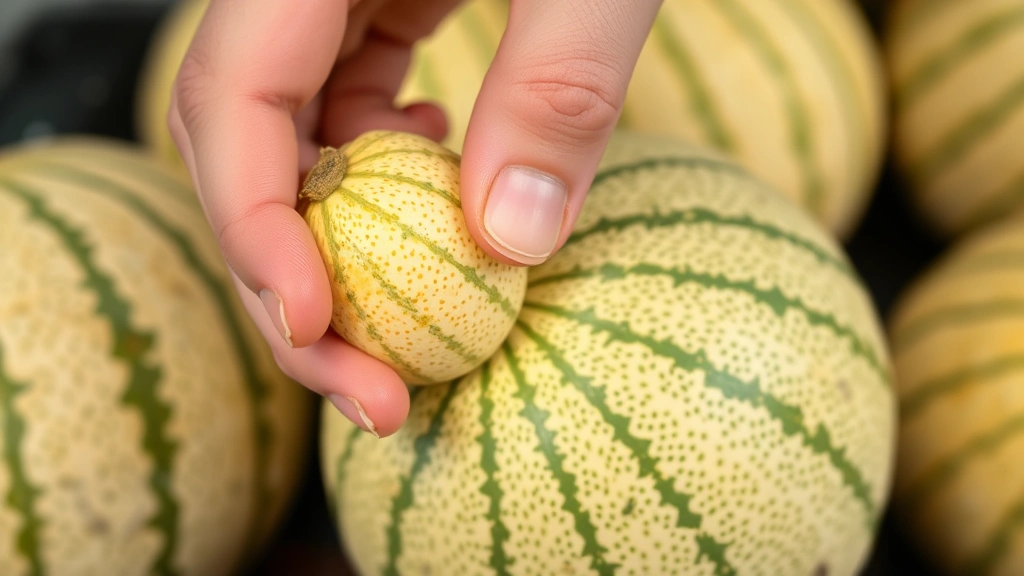
Before you can successfully pick a cantaloupe, you need to understand the different stages of ripeness and what they mean for flavor and texture. Cantaloupes don’t ripen significantly after harvest, unlike some other fruits, so selecting a ripe melon at the store is crucial. The fruit progresses through several distinct phases from unripe to overripe, and knowing these stages helps you make informed decisions.
An unripe cantaloupe typically has a greenish-tan color and feels rock-hard when squeezed gently. The netting pattern on the surface appears raised and prominent, and the melon lacks any sweet aroma. Unripe cantaloupes taste bland, watery, and disappointing—they won’t develop flavor sitting on your counter. Ripe cantaloupes display a golden-tan or beige background color beneath the netting, feel slightly yielding when pressed at the stem end, and emit a sweet, musky fragrance. The netting becomes more pronounced and the overall appearance looks full and symmetrical.
An overripe cantaloupe feels too soft when squeezed, may have soft spots or bruises, and sometimes develops a fermented or unpleasant smell. These melons often have a mushy texture inside and can taste overly sweet or even slightly alcoholic. Understanding these stages ensures you select fruit at peak quality. For complementary produce knowledge, check out our guide on how to freeze strawberries for year-round fruit enjoyment.
Visual Inspection Techniques
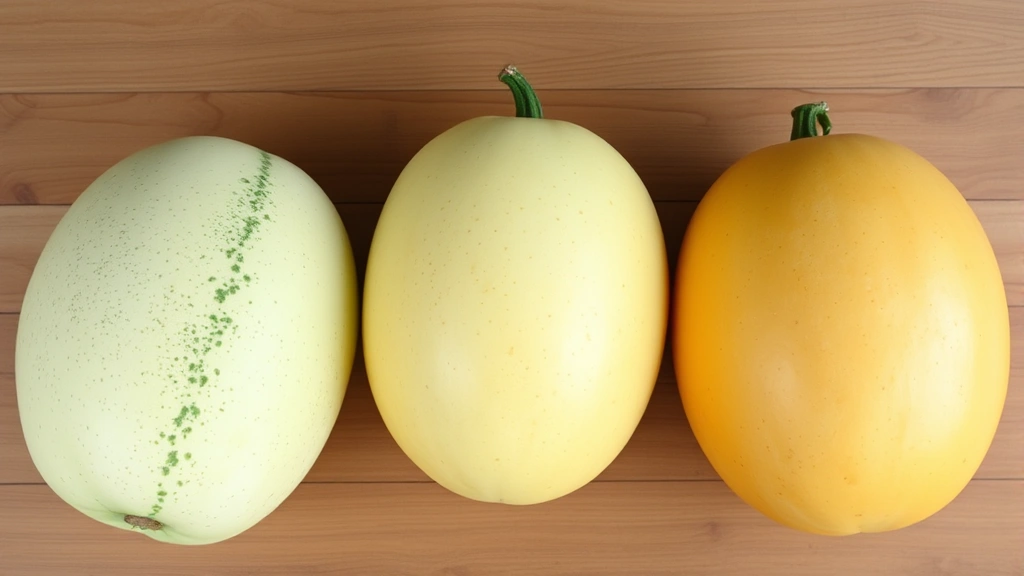
Your eyes are your first tool when learning how to pick a cantaloupe. A systematic visual inspection reveals numerous clues about ripeness and quality. Start by examining the overall color of the melon. The background color—the area between the netting—should be a golden tan or beige, never green. Green indicates the fruit was picked too early and won’t ripen properly. The color should be uniform across the entire surface without large brown patches or dark spots, which suggest decay or overripeness.
Next, assess the netting pattern, which is the raised, web-like texture covering the cantaloupe’s surface. High-quality melons have dense, well-developed netting that’s raised and prominent across the entire fruit. The netting should be thick and interconnected, creating a protective barrier. Sparse or shallow netting suggests the fruit didn’t mature properly and likely lacks flavor. Conversely, netting that’s cracked or deeply sunken indicates age or stress during growing.
Examine the stem end carefully—this is where the melon connected to the vine. A ripe cantaloupe has a clean, slightly depressed circular scar where the stem separated naturally. The depression should be smooth and well-healed, about the size of a quarter. A stem still attached to the fruit indicates harvesting occurred too early. A large, jagged, or bruised stem end suggests rough handling or overripeness. Some melons have a small nub of stem remaining, which is acceptable if the surrounding area looks clean.
Look for any blemishes, bruises, or soft spots on the surface. Minor surface imperfections are normal, but deep cracks, large bruises, or mushy areas mean the fruit is damaged or deteriorating. Avoid melons with these defects, as they’ll have compromised flavor and potentially unsafe interior quality. Check the shape and symmetry as well—a cantaloupe should be relatively round or slightly oval, not lopsided or oddly shaped, which can indicate growth problems or uneven ripeness.
The Smell Test Method
The aroma test is one of the most reliable indicators when you’re learning how to pick a cantaloupe. A ripe, high-quality cantaloupe has a distinctive sweet, musky fragrance that’s immediately recognizable. This smell comes from volatile compounds that develop as the fruit ripens, and it’s an almost foolproof way to identify peak ripeness.
Hold the cantaloupe up to your nose and smell the stem end, where the aroma is strongest. You should detect a sweet, fruity, slightly floral scent that’s pleasant and inviting. The smell shouldn’t be overpowering or fermented—a strong alcohol-like aroma indicates overripeness. If you smell nothing at all, the cantaloupe is likely underripe or was picked too early. Some people describe the ideal scent as similar to honeydew or sweet grass.
Also smell the opposite end of the melon, the bottom or blossom end. This area should have a subtle sweetness as well. If the entire melon has no discernible sweet aroma, pass on it—it won’t taste good. Conversely, if the smell is fermented, vinegary, or unpleasantly strong, the fruit has begun to overripen or ferment internally.
Keep in mind that cold storage affects aroma. If melons have been refrigerated at the store, they may smell less fragrant than room-temperature fruit. In this case, rely more heavily on the other selection methods. However, even cold cantaloupes should have at least a subtle sweet smell when you bring your nose close. The smell test works best when combined with visual inspection and touch assessment for the most accurate evaluation.
Touch and Weight Assessment
The tactile evaluation is essential for learning how to pick a cantaloupe that’s perfectly ripe. Your hands provide valuable information about the fruit’s ripeness and internal quality. Begin by gently squeezing the melon, focusing on the stem end where the fruit is typically softest when ripe. Apply moderate pressure with the heel of your hand or your fingers—you’re not trying to crush it, just assess firmness.
A properly ripe cantaloupe should yield slightly to gentle pressure at the stem end, feeling somewhat soft but not mushy. The fruit shouldn’t be rock-hard like an unripe melon, nor should it feel like a water balloon. This slight give indicates the flesh inside has developed proper sweetness and texture. If the entire melon is rock-hard, it’s underripe. If it’s very soft or has soft spots, it’s overripe or damaged.
Next, evaluate the weight relative to size. Pick up the cantaloupe and compare it to others of similar size. A ripe melon feels substantial and heavy for its dimensions, indicating a high water content and dense, sweet flesh. A light cantaloupe of the same size likely contains less juice and flavor. The fruit should feel full and dense, not hollow or light.
Also assess the firmness of the netting by running your fingers across it. The raised netting should feel solid and substantial, not brittle or crumbly. Brittle netting can indicate age or improper storage. Additionally, check for any soft spots or areas of give beyond the stem end. The melon should be uniformly firm except for the slight yield at the stem. Any unexpected soft areas suggest internal deterioration or damage.
For additional guidance on quality assessment techniques, explore our comprehensive FixWise Hub blog with how-to guides and tutorials covering various selection and preparation methods.
Avoiding Common Picking Mistakes
Even with knowledge of proper selection techniques, many people make preventable errors when choosing cantaloupes. Understanding these common mistakes helps you avoid them. The most frequent error is selecting based on size alone. Larger doesn’t mean better—a medium cantaloupe that’s ripe will taste far superior to a large underripe melon. Focus on ripeness indicators rather than size.
Another mistake is ignoring the stem end. Many shoppers examine only the netting and color while overlooking the stem area, which provides critical ripeness information. Always check the stem end scar for cleanliness, depression, and appearance. A poorly-healed or unusual stem end is a red flag.
Some people rely solely on the smell test without considering visual and tactile information. While aroma is important, it’s just one indicator. Cold storage reduces smell, so combining all three assessment methods—sight, smell, and touch—gives you the most accurate evaluation. This multi-sensory approach rarely fails.
Avoid squeezing too hard, which can bruise the fruit and damage cells even if the melon is ripe. Gentle pressure is sufficient to assess firmness. Aggressive squeezing creates damaged spots that accelerate deterioration. Additionally, don’t assume all melons in a bin are equally ripe. Ripeness varies significantly, so inspect each melon individually rather than grabbing one randomly.
Many shoppers overlook small blemishes that indicate quality issues. While minor surface marks are normal, deep cracks, large bruises, or soft spots suggest problems. Similarly, don’t ignore unusual odors. If a cantaloupe smells fermented, vinegary, or off, trust your nose—the fruit is likely overripe or damaged internally.
Finally, avoid purchasing pre-cut or pre-packaged cantaloupe when possible. Whole melons allow you to personally verify ripeness and quality. Pre-cut fruit has been exposed to air, losing freshness and flavor quickly. If you must buy pre-cut cantaloupe, check the cut surface for browning or deterioration and verify the packaging date.
Storage and Preparation Tips
Once you’ve successfully selected a ripe cantaloupe using these expert techniques, proper storage ensures it maintains quality and flavor. An uncut ripe cantaloupe stores well at room temperature for 2-3 days, allowing you time to consume it. Store it in a cool location away from direct sunlight. For longer storage, refrigerate the whole melon in the crisper drawer for up to 5 days. Cold temperatures slow ripening and deterioration.
After cutting, wrap cut portions tightly in plastic wrap or store them in an airtight container in the refrigerator. Cut cantaloupe keeps for 3-5 days refrigerated. For extended storage, you can freeze cantaloupe chunks on a baking sheet, then transfer them to freezer bags for up to 3 months. Frozen cantaloupe works well in smoothies and fruit preparations, though the texture becomes softer when thawed.
When you’re ready to prepare your cantaloupe, wash the exterior thoroughly under running water, using a vegetable brush to remove dirt and bacteria from the netting. Cut the melon in half lengthwise and use a sturdy spoon to scoop out the seeds and fibrous center. The flesh can then be cut into cubes, slices, or scooped with a melon baller for elegant presentation.
Consider how your cantaloupe selection fits into your overall meal planning. Like learning how to make whipped cream from heavy cream, understanding how to properly prepare fresh cantaloupe enhances your culinary capabilities. You can serve cantaloupe fresh, add it to fruit salads, blend it into smoothies, or even grill slices for a unique dessert. The sweet, refreshing flavor pairs beautifully with prosciutto, feta cheese, fresh mint, and lime.
For those interested in expanding their kitchen skills, our guide on how to clean a coffee maker complements your overall food preparation knowledge, ensuring your kitchen equipment is always ready for meal preparation.
FAQ
Can you ripen a cantaloupe at home?
Cantaloupes don’t ripen significantly after harvest, unlike bananas or avocados. Once picked, the fruit won’t develop more sweetness or aroma. You can store an underripe cantaloupe at room temperature for a day or two to soften slightly, but it won’t gain flavor. Always select a ripe melon at the store rather than hoping to ripen an underripe one at home.
What’s the difference between cantaloupe and honeydew?
Cantaloupes have a beige-tan color with prominent netting, while honeydew melons are smooth-skinned and pale green or yellow. Cantaloupes have a sweet, musky aroma when ripe, whereas honeydew has a more subtle smell. Both should yield slightly at the stem end when ripe, but their selection methods are otherwise similar.
Why is my cantaloupe watery inside?
Watery texture typically indicates the fruit was picked too early or experienced stress during growing. Underripe cantaloupes often have more water and less sugar content, resulting in bland, watery flesh. This is why proper ripeness selection at purchase is crucial—there’s no way to fix a watery melon at home.
How do you know if a cantaloupe is bad?
Signs of a bad cantaloupe include soft spots or bruises, fermented or unpleasant smell, mold growth, visible decay, or a completely soft texture throughout. A slightly soft stem end is normal for ripe fruit, but widespread softness indicates overripeness or internal deterioration. Trust your senses—if something seems off, don’t purchase it.
Is it okay to eat cantaloupe with a small crack in the rind?
A small surface crack is usually acceptable if the fruit is otherwise sound and the crack doesn’t expose mushy interior flesh. However, large cracks or cracks combined with soft spots indicate the melon is compromised. When in doubt, select a different fruit without visible damage.
What’s the best time of year to buy cantaloupe?
Cantaloupes are most abundant and flavorful during summer months, typically June through September in North America. During peak season, quality is generally higher and prices are lower. While cantaloupes are available year-round, off-season fruit is often less flavorful and more expensive. Plan your purchases accordingly for the best value and taste.

Related Posts

Superscript in Google Docs: Expert Tips

Strikethrough in Excel: Easy Steps for Beginners
