
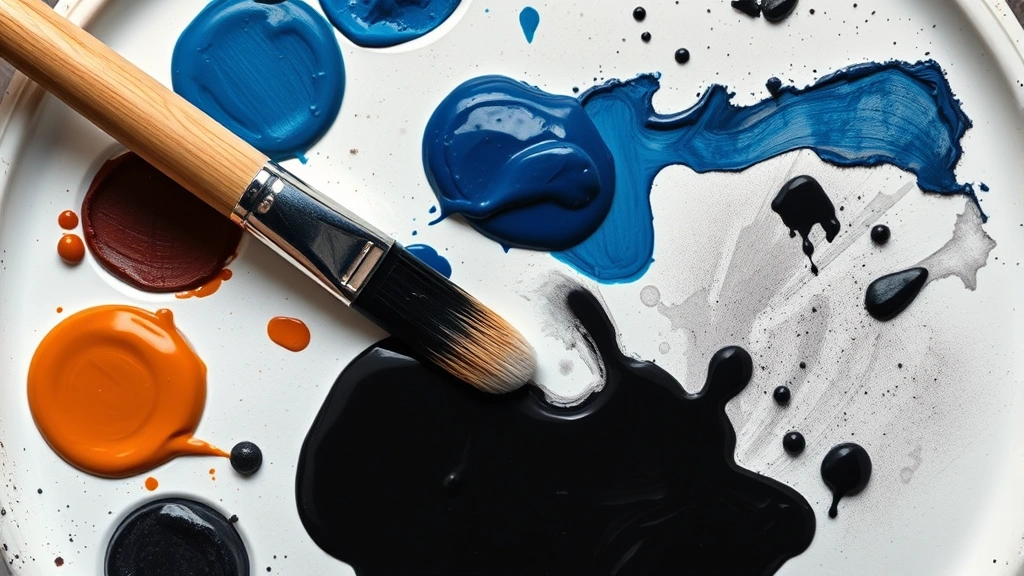
Mixing Black Paint: Expert Artist Tips
Mixing Black Paint: Expert Artist Tips for Perfect Pigmentation
Creating true black paint is one of the most fundamental skills in any artist’s toolkit, yet many beginners struggle to achieve a rich, vibrant black without relying solely on commercial black pigments. Whether you’re working with acrylics, oils, watercolors, or gouache, understanding how to mix black paint opens up a world of possibilities for creating depth, shadow, and sophistication in your artwork. The key lies not just in combining colors, but in understanding color theory, pigment properties, and the subtle variations that make the difference between a flat, lifeless black and a luminous, professional-quality black.
Black paint mixing isn’t simply about dumping equal parts of different colors together. The process requires knowledge of complementary colors, pigment opacity, and how different mediums interact with various pigments. This comprehensive guide will walk you through multiple methods for achieving the perfect black, from traditional color mixing techniques to advanced approaches used by professional artists. By mastering these techniques, you’ll develop greater control over your color palette and create paintings with superior depth and visual impact.
Understanding Color Theory for Black Paint
Before you begin mixing black paint, you need to understand the foundational principles of color theory that govern how pigments interact. Black, in color theory, is the absence of light and the combination of all colors in their most saturated forms. However, when working with paint pigments (subtractive color), the approach differs from light-based color mixing.
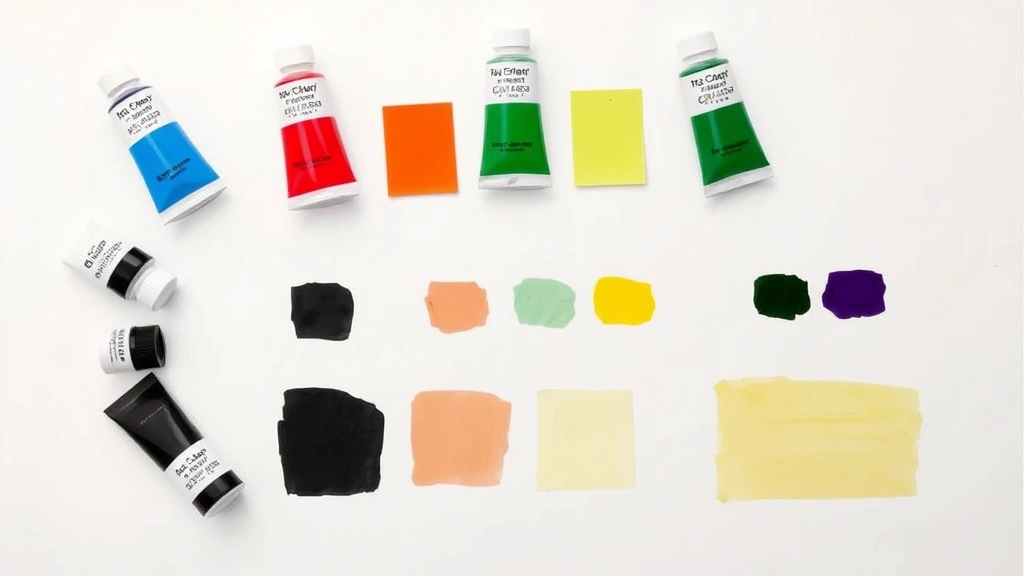
The most effective way to understand black paint creation is through the concept of complementary colors. Complementary colors sit opposite each other on the color wheel—red and green, blue and orange, yellow and purple. When you mix complementary colors together in equal proportions, they neutralize each other and create a dark, near-black pigment. This principle is more reliable than trying to mix primary colors alone, as it produces richer blacks with greater depth.
Temperature also plays a crucial role in black paint mixing. A warm black (leaning slightly brown or reddish) will look different from a cool black (leaning slightly blue or purple). Professional artists often keep multiple blacks on hand or can quickly mix variations depending on the mood and temperature they want to establish in their painting. Understanding these nuances separates amateur work from professional-quality art.
Primary Method: Complementary Color Mixing
The most reliable and professional method for mixing black paint involves using complementary color pairs. This technique works across virtually all paint mediums and produces superior results compared to other mixing methods. Here’s the step-by-step process:
- Start with your base complementary pair. The most common combination is ultramarine blue mixed with burnt sienna or raw sienna. These pigments naturally create a deep, rich black when combined in proper proportions. Another excellent pairing is alizarin crimson with viridian green, which produces a sophisticated, slightly cool black.
- Mix in small quantities. Place a small amount of your first color on your palette—about the size of a pea. Add an equally small amount of the complementary color. Using small quantities prevents waste and allows you to adjust the mixture without starting over.
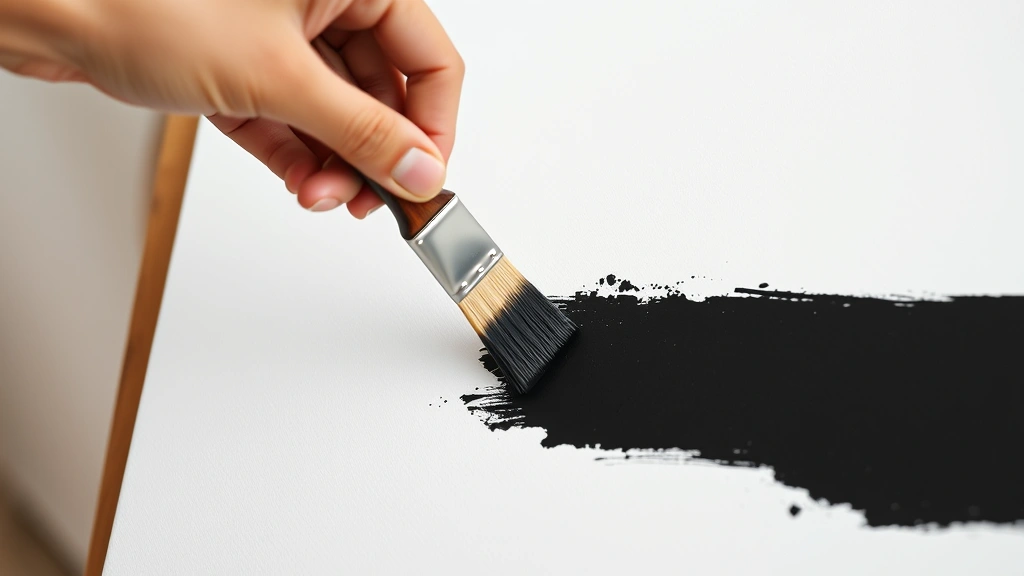
- Blend thoroughly. Use a clean brush or palette knife to mix the two colors completely. You’re looking for a uniform, dark mixture with no visible streaks of either original color. This may require 30-60 seconds of continuous blending.
- Adjust the ratio as needed. If your mixture appears too brown or too blue, you can shift it by adding slightly more of one color. Add the complementary color in tiny increments—you can always add more, but removing color is impossible once mixed.
- Test on your painting surface. Before committing to your black, test it on a scrap of the same paper, canvas, or surface you’re working on. The black may appear different depending on the surface texture and surrounding colors.
The beauty of this method is its flexibility. By varying the ratio of complementary colors, you can create warm blacks, cool blacks, and everything in between. A black that’s slightly more brown works wonderfully for shadows in warm-toned paintings, while a slightly cooler black enhances cool color palettes.
Alternative Mixing Techniques
While complementary color mixing is the gold standard, professional artists employ several alternative techniques depending on their specific needs and available materials.
Three-Color Method: Some artists prefer mixing three colors to create black rather than relying on just two complementary colors. A common approach involves combining ultramarine blue, alizarin crimson, and yellow ochre in carefully balanced proportions. This method can produce blacks with exceptional depth because the three pigments interact in complex ways. Start with blue and crimson in equal parts, then add tiny amounts of yellow ochre until you achieve the desired tone. This technique requires more practice but rewards patient artists with exceptional color control.
Warm Black Mixing: For paintings with warm color schemes, create a warm black by combining red and green pigments. Alizarin crimson or cadmium red mixed with viridian green produces a black with warm undertones. Alternatively, combine ultramarine blue with burnt sienna, which naturally skews toward the warmer side of the black spectrum. Warm blacks are particularly effective in traditional landscape and portrait painting.
Cool Black Mixing: Cool blacks work beautifully in contemporary art and paintings with cool color palettes. Mix phthalo blue with alizarin crimson for a black with cool, sophisticated undertones. Prussian blue combined with burnt sienna creates another excellent cool black. These variations prevent your painting from appearing muddy and maintain color harmony throughout your composition.
Neutral Gray-to-Black Method: Some artists prefer creating a neutral gray first, then adding small amounts of black pigment or complementary colors to deepen it to true black. This approach gives you more control over the final darkness level and can be particularly useful when you need blacks of varying intensities in a single painting.
Working with Different Paint Mediums
The medium you’re working with—whether acrylic, oil, watercolor, or gouache—affects how you mix and apply black paint. Each medium has unique properties that influence the final result.
Acrylic Paint Black Mixing: Acrylics dry quickly, which means you should mix larger quantities of black than you think you’ll need, as it’s difficult to match the exact shade once the paint dries. Mix your black on a non-porous palette, and work quickly. If you need to store mixed black acrylic, keep it in an airtight container or sealed palette to prevent premature drying. The water-based nature of acrylics means you can thin black paint with water to create lighter shades, but this reduces opacity. Add a small amount of white to create lighter blacks without losing pigment intensity.
Oil Paint Black Mixing: Oil paints offer the advantage of extended working time, allowing you to refine your black mixture over several minutes. When mixing black oils, use a palette knife for better control and more thorough blending. Oil blacks tend to be richer and more luminous than acrylics, but they require careful pigment selection, as some pigments don’t mix well with oils. Never mix oil and acrylic paints together. If you need to lighten oil black, use white oil paint or a small amount of medium rather than water.
Watercolor Black Mixing: Watercolor presents unique challenges for black mixing because the medium is transparent and relies on water for application. Mix watercolor blacks on a clean palette using distilled water. The transparency of watercolors means that even mixed blacks will have some luminosity when applied thinly. For darker blacks, apply multiple layers, allowing each layer to dry before adding the next. Ultramarine blue and burnt sienna create particularly beautiful watercolor blacks with subtle warm tones visible in lighter applications.
Gouache Black Mixing: Gouache is essentially opaque watercolor, making it ideal for mixing vibrant blacks. The opacity of gouache means your mixed blacks will appear more solid and uniform than watercolor blacks. Mix gouache blacks similarly to watercolors, but you can achieve deeper, more consistent coverage. Gouache blacks work beautifully for bold, graphic artwork and illustration.
For those interested in exploring other DIY projects beyond painting, our FixWiseHub Blog features comprehensive how-to guides covering various creative and practical skills that complement your artistic development.
Common Mistakes to Avoid
Even experienced artists occasionally fall into traps when mixing black paint. Understanding these common mistakes helps you avoid frustration and produce better results consistently.
Over-Mixing: While thorough blending is important, excessive mixing can sometimes cause the pigments to separate or create an undesirable texture. Mix until the color is uniform, then stop. If you continue mixing indefinitely, you may create an inferior black.
Incorrect Pigment Ratios: Using equal parts of complementary colors doesn’t always produce the best black. Different pigments have different tinting strengths. Ultramarine blue, for example, is a strong tinter, so you may need less blue than sienna to achieve perfect black. Experiment with ratios like 60% blue to 40% sienna to find what works with your specific pigments.
Using Muddy Pigments: Not all pigments mix into clean blacks. Some combinations create muddy, brownish-grays instead of true black. Stick with proven pigment combinations, especially when you’re learning. As your skills develop, you can experiment with unusual pairings.
Ignoring Surface Effects: Black paint appears different on different surfaces. A black that looks perfect on white paper might appear too brown on canvas. Always test your mixed black on the actual surface you’re working on before committing to your artwork.
Forgetting About Transparency: In transparent mediums like watercolor, a mixed black may appear more transparent than a commercial black. If you need complete opacity, you may need to add white or use a commercial black as a base, then modify it with complementary colors.
Advanced Black Paint Variations
Once you’ve mastered basic black mixing, professional artists explore sophisticated variations that add nuance and sophistication to their work.
Chromatic Blacks: Chromatic blacks are mixed blacks that retain subtle color undertones rather than appearing completely neutral. A slightly purple black, created by adding a touch more blue than sienna, works beautifully in paintings with cool color schemes. Similarly, a slightly warm black with brownish undertones complements warm palettes. These subtle variations prevent paintings from appearing flat and create more sophisticated color relationships.
Layered Blacks: Rather than mixing all your black at once, advanced artists sometimes layer different complementary color pairs to create complex, multidimensional blacks. For example, you might apply a layer of pure ultramarine blue, then glaze a layer of burnt sienna over it, creating a black with incredible depth. This technique works particularly well in oil and acrylic painting, where you can build layers.
Black with Texture: By mixing black paint with medium, texture paste, or other additives, you can create blacks with physical dimension. This technique is popular in contemporary and abstract art, where the texture of the black paint itself becomes part of the visual interest.
Transparent vs. Opaque Blacks: Advanced artists understand that blacks can be either transparent or opaque depending on pigment selection and application. Transparent blacks work beautifully for glazing and creating depth, while opaque blacks provide strong graphic impact. Experiment with different pigment combinations to understand these properties in your chosen medium.
If you’re interested in exploring other creative mixing and formulation projects, our guide on how to make perfume demonstrates similar principles of combining ingredients thoughtfully to achieve desired results.
FAQ
What’s the best pigment combination for mixing black paint?
Ultramarine blue combined with burnt sienna is the most reliable and widely recommended combination for mixing black paint across all mediums. This pairing consistently produces a rich, deep black with excellent coverage. However, other excellent combinations include alizarin crimson with viridian green, and Prussian blue with alizarin crimson for cooler blacks.
Can I use primary colors to mix black paint?
While it’s theoretically possible to mix black using only the three primary colors (red, yellow, and blue), the results are typically muddy and unsatisfactory. The complementary color method is far superior because it uses pigments specifically positioned opposite each other on the color wheel, creating more efficient color neutralization.
Why does my mixed black look brown instead of black?
Brown-looking blacks typically result from incorrect pigment ratios or using pigments with warm undertones in improper proportions. Try adjusting your ratio—add more of the blue pigment if your mixture appears too brown. Alternatively, switch to cooler pigments like Prussian blue instead of ultramarine blue.
How do I make black paint lighter without using white?
In transparent mediums like watercolor, you can thin black paint with water or medium to create lighter shades. In acrylics, you can add water to reduce opacity, though this also reduces pigment intensity. For most mediums, adding white is the most effective way to create lighter blacks, producing shades called “grays” or “tints of black.”
Is it better to mix black or use commercial black paint?
Professional artists often prefer mixed blacks because they offer superior control, depth, and the ability to create blacks suited to specific color palettes. Commercial blacks can appear flat and one-dimensional. However, commercial blacks are useful for initial blocking in or as bases that you can modify with complementary colors. Many artists use both approaches depending on the situation.
How do I store mixed black paint?
For acrylics, store mixed black in airtight containers or sealed palettes to prevent drying. For oils, you can store mixed blacks in sealed containers or covered palettes for extended periods. Watercolor blacks should be stored in clean, dry wells to prevent contamination. Label containers with the pigment ratios used so you can recreate the exact shade later.
What’s the difference between mixing black and using black pigment?
Black pigment is a pure color made from carbon or iron oxide, while mixed black is created by combining complementary colors. Mixed blacks offer more depth, luminosity, and flexibility in matching specific color temperatures. Black pigment appears flatter and more one-dimensional but provides convenience and consistency.
Can I mix black paint with other colors to create new shades?
Absolutely. Adding small amounts of other colors to your mixed black allows you to create sophisticated variations. Add a touch of white for lighter grays, incorporate small amounts of blue for cooler tones, or add brown for warmer variations. This technique allows you to expand your color palette from a single mixed black.


