
Make Perfume Last? Expert-Approved Tips
How to Make Perfume Last Longer: Expert-Approved Tips for All-Day Fragrance
There’s nothing quite like discovering your signature scent, only to watch it fade away by mid-afternoon. Whether you’ve invested in a luxury fragrance or found an affordable favorite, the disappointment of diminishing fragrance longevity can be frustrating. The good news is that perfume longevity isn’t entirely dependent on the product itself—your application techniques, storage methods, and body preparation play equally important roles in extending your scent’s staying power.
Making perfume last longer is both an art and a science. By understanding the chemistry behind fragrance and implementing strategic practices, you can dramatically extend the wear time of even lighter eau de toilette formulations. This comprehensive guide reveals expert-approved methods used by fragrance professionals and beauty enthusiasts worldwide to maximize scent projection and longevity throughout the day.
Understanding Fragrance Concentration and Longevity
The first step in making perfume last longer involves understanding what you’re actually purchasing. Fragrances come in different concentrations, each with varying levels of fragrance oils and corresponding longevity. Parfum (also called pure perfume or extrait de parfum) contains 20-30% fragrance oils and typically lasts 6-8 hours or longer. Eau de parfum (EDP) contains 15-20% fragrance oils and generally lasts 4-6 hours. Eau de toilette (EDT) contains 5-15% fragrance oils and usually lasts 2-4 hours. Eau de cologne contains 2-4% fragrance oils and may fade within 1-2 hours.
Understanding these differences helps you make informed purchasing decisions. If longevity is your priority and you have the budget, investing in eau de parfum or parfum formulations guarantees longer wear time compared to eau de toilette options. However, this doesn’t mean lighter concentrations can’t last all day with proper technique. The fragrance notes themselves also matter significantly—base notes like sandalwood, vetiver, and musk naturally last longer than volatile top notes like citrus and bergamot.
Prepare Your Skin for Maximum Scent Retention
Hydrated skin holds fragrance significantly longer than dry skin. This is because fragrance molecules bond better to moisturized skin, creating a slower evaporation rate. Before applying perfume, apply an unscented moisturizer or fragrance-free lotion to all areas where you plan to spray. Allow the moisturizer to fully absorb—typically 2-3 minutes—before applying your fragrance. This creates an optimal base for scent retention.
Many fragrance enthusiasts use specialized fragrance primers or body oils designed specifically for this purpose. Premium beauty retailers now stock products formulated to enhance fragrance longevity. However, simple unscented moisturizer works equally well and costs significantly less. The key is consistency—make moisturizing part of your daily routine before applying fragrance.
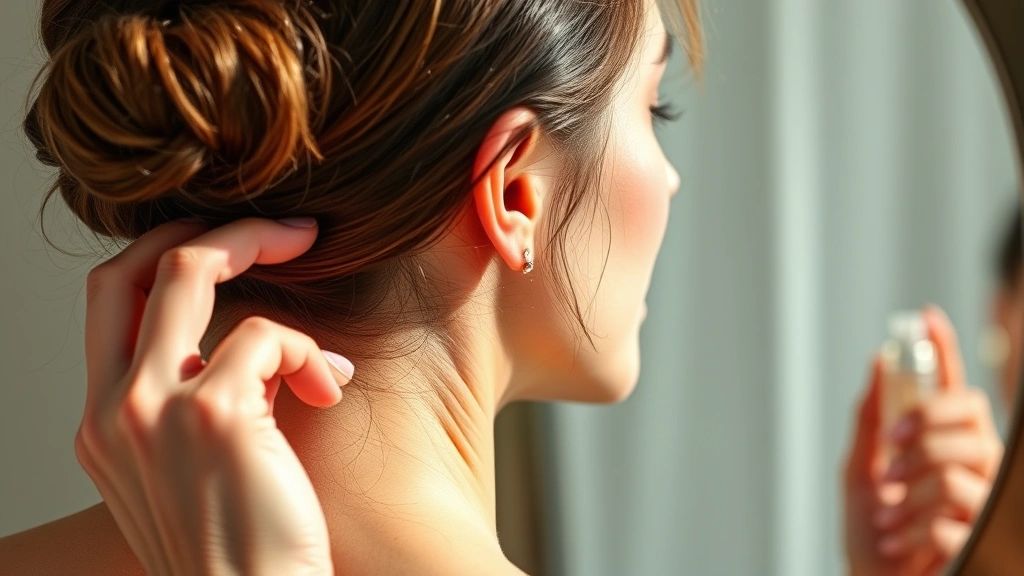
Body temperature also affects fragrance projection and longevity. Warmer areas of your body—like the inside of your wrists, behind your ears, the base of your throat, and inside your elbows—naturally amplify fragrance and make it last longer. These pulse points generate heat that helps fragrance molecules diffuse more effectively throughout the day.
Master the Art of Strategic Application
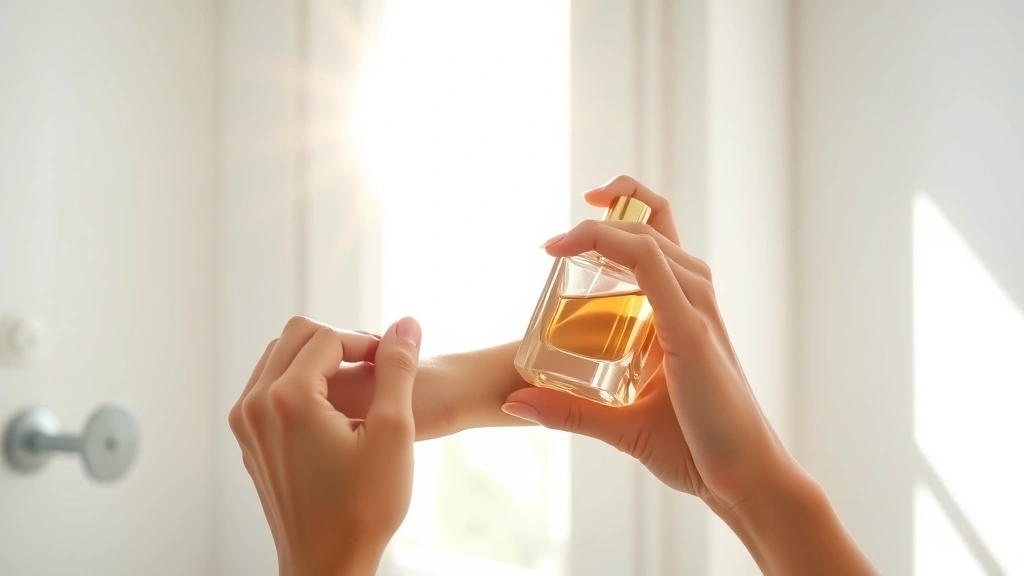
How you apply perfume matters just as much as what you apply. The most common mistake is spraying fragrance and immediately rubbing wrists together. This friction breaks down fragrance molecules and actually decreases longevity. Instead, spray fragrance on pulse points and allow it to dry naturally for 15-20 seconds without touching the area.
Apply perfume to multiple pulse points for extended wear. Spray 1-2 spritzes on the inside of each wrist, one spray at the base of your throat, and one behind each ear. Some experts recommend spraying fragrance in the air and walking through the mist for a lighter, more diffused application that still extends throughout the day. This technique is particularly useful if you prefer subtle fragrance projection.
For maximum longevity, apply fragrance to less obvious areas that still generate heat. Spray perfume on your chest, behind your knees, and inside your elbows. These areas provide excellent fragrance diffusion while remaining out of sight. Additionally, applying fragrance to your hair (by spraying it into the air and walking through) creates a long-lasting scent cloud, as hair holds fragrance molecules effectively.
The amount you use significantly impacts longevity. Most people underapply fragrance, thinking they’re being subtle when they’re actually limiting their scent’s staying power. A proper application typically requires 3-5 spritzes for eau de toilette and 2-3 spritzes for eau de parfum. Fragrance experts recommend experimenting with quantities to find your personal sweet spot—enough for all-day wear without overwhelming those around you.
Storage Techniques That Preserve Fragrance Quality
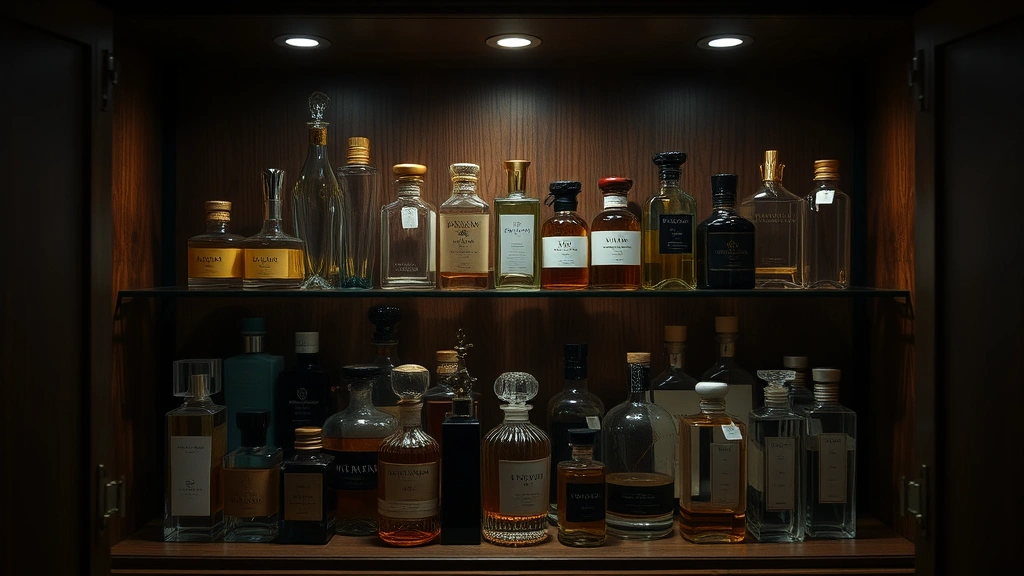
Improper storage degrades fragrance quality and reduces longevity. Fragrance is sensitive to light, heat, and humidity. Store your perfume in a cool, dark place away from direct sunlight and heat sources. A bedroom closet, drawer, or cabinet works perfectly. Never store fragrance in bathrooms, as the humidity and temperature fluctuations degrade the scent over time.
Keep perfume bottles tightly sealed when not in use. Exposure to air oxidizes fragrance and diminishes its potency. Store bottles in their original packaging when possible, as the boxes provide additional light protection. If you travel frequently with fragrance, invest in a small atomizer bottle for portability, but keep your main bottle properly stored at home.
Temperature stability is critical. Avoid storing fragrance near windows, radiators, or air conditioning vents. The ideal storage temperature ranges from 55-75°F (13-24°C). Fluctuating temperatures cause fragrance oils to expand and contract, potentially damaging the bottle seal and accelerating degradation. Some fragrance collectors store their most valuable scents in wine coolers set to optimal temperatures.
Most fragrances maintain quality for 3-5 years with proper storage. However, lighter concentrations like eau de cologne may degrade more quickly. Always check the manufacturing date if available. Properly stored fragrance not only lasts longer on your skin but maintains its original scent profile, ensuring you experience the fragrance exactly as intended by the creator.
Layering Methods for Extended Fragrance Wear
Fragrance layering is a professional technique that dramatically extends scent longevity. This involves using complementary unscented or lightly scented products to create a base that helps fragrance adhere to your skin longer. Start with a fragrance-free body wash, followed by a matching scented body lotion if available, and finish with your fragrance spray.
Many fragrance brands offer coordinated products specifically designed for layering. A body lotion in the same scent provides an excellent base, extending fragrance wear by 2-4 hours on average. If your preferred fragrance doesn’t have a matching lotion, use any fragrance-free moisturizer as your base layer, then apply your fragrance on top. The unscented lotion creates the necessary skin moisture while your fragrance provides the actual scent.
Some enthusiasts layer fragrances intentionally, combining complementary scents to create a unique fragrance profile while extending overall longevity. For example, applying a light floral fragrance first, then layering a musky base note fragrance on top creates depth and longevity. This technique requires experimentation to find combinations that work together harmoniously rather than clashing.
Consider using fragrance-infused body oils as a layering product. These products contain a higher concentration of fragrance oils than lotions and create an excellent base for your perfume. Apply the oil immediately after showering to damp skin, let it absorb for 2-3 minutes, then apply your fragrance. This combination can extend scent wear to 8+ hours for lighter formulations.
Daily Habits That Support Scent Longevity
Your daily habits significantly impact how long fragrance lasts. Maintaining proper hydration by drinking adequate water helps your skin retain moisture, which in turn helps fragrance last longer. Well-hydrated skin has better elasticity and moisture content, creating ideal conditions for fragrance molecule adhesion.
Avoid excessive sweating or intense physical activity immediately after applying fragrance. Sweat can interact with fragrance molecules, potentially altering the scent or causing it to fade faster. If you exercise regularly, apply fragrance after your workout rather than before. For those who work out in the morning, apply fragrance before leaving for work or gym, allowing time for the fragrance to fully set before perspiration begins.
Be mindful of environmental factors. Wind and air conditioning can accelerate fragrance evaporation. In very dry climates, fragrance may fade faster regardless of application technique. Conversely, humid environments typically support longer fragrance wear. If you live in a dry climate, consider applying fragrance more frequently throughout the day or using a higher concentration formulation.
Reapplication throughout the day extends your fragrance experience without requiring a longer-lasting initial application. Many people apply a light spritz of fragrance in the afternoon, 4-6 hours after their morning application. This refreshes the scent and ensures all-day fragrance presence. Carrying a travel atomizer makes midday reapplication convenient and practical.
Your diet can subtly affect how fragrance performs on your skin. Foods with strong odors—like garlic and onions—can interfere with fragrance perception. Conversely, staying well-nourished and maintaining balanced nutrition supports healthy skin, which holds fragrance more effectively. While diet’s impact is minor compared to other factors, it’s worth considering as part of a comprehensive approach to fragrance longevity.
FAQ
Why does my perfume fade so quickly even though I apply it correctly?
Several factors could contribute to rapid fragrance fading. Your skin type matters—very oily or very dry skin can both cause fragrance to fade faster than normal skin. Additionally, you may be using eau de toilette or cologne rather than eau de parfum, which naturally have shorter wear times. Environmental factors like excessive heat, humidity, or dry air also affect longevity. Consider upgrading to a higher concentration fragrance, ensuring your skin is properly moisturized, and trying the layering techniques described above.
Is it better to spray perfume on skin or clothing?
Fragrance lasts longer on skin because body heat helps diffuse the scent throughout the day. However, you can lightly spray fragrance on clothing for a different effect—scent lingers longer on fabric but projects less intensely. For maximum longevity, apply to skin at pulse points. If you prefer a more subtle fragrance experience, spray lightly on clothing. Never heavily spray fragrance on delicate fabrics, as the alcohol content can stain or damage them.
How many times per day should I apply fragrance?
This depends on the fragrance concentration, your personal preference, and the occasion. For eau de parfum, one morning application typically lasts 6+ hours. For eau de toilette, you may need reapplication every 3-4 hours for continuous scent presence. For special events, apply fragrance once before leaving home. In daily life, apply once in the morning and reapply once in the afternoon if desired. Avoid over-applying, as this can overwhelm others and become unpleasant.
Can I make my fragrance last longer by storing it in the refrigerator?
While cool temperatures preserve fragrance quality, storing fragrance in the refrigerator isn’t ideal. Refrigerators have humidity and temperature fluctuations that can damage fragrance. Additionally, frequent temperature changes as you remove and replace the bottle can degrade the scent. A cool, dark closet or cabinet maintains stable temperature without the humidity issues of a refrigerator. Reserve refrigeration only for extremely valuable or rare fragrances in extreme climates where room temperature exceeds 80°F (27°C) consistently.
Does applying fragrance to wet skin make it last longer?
Applying fragrance to damp skin can actually help it last longer because moisture provides an excellent base for fragrance adhesion. However, the skin should be just slightly damp, not dripping wet. Apply moisturizer to damp skin immediately after showering, let it absorb for 2-3 minutes until the skin feels dry but hydrated, then apply fragrance. This technique combines moisture benefits with proper drying time, creating optimal conditions for fragrance longevity.
Are expensive fragrances guaranteed to last longer?
Price doesn’t always correlate with longevity. A luxury fragrance with eau de toilette concentration may fade faster than an affordable eau de parfum. The fragrance concentration matters far more than the brand name or price point. That said, high-end fragrances often use quality ingredients and higher concentrations, which does typically result in longer wear. However, you can find excellent long-lasting fragrances at various price points by checking the concentration level before purchasing.

Related Posts

Superscript in Google Docs: Expert Tips

Strikethrough in Excel: Easy Steps for Beginners
