
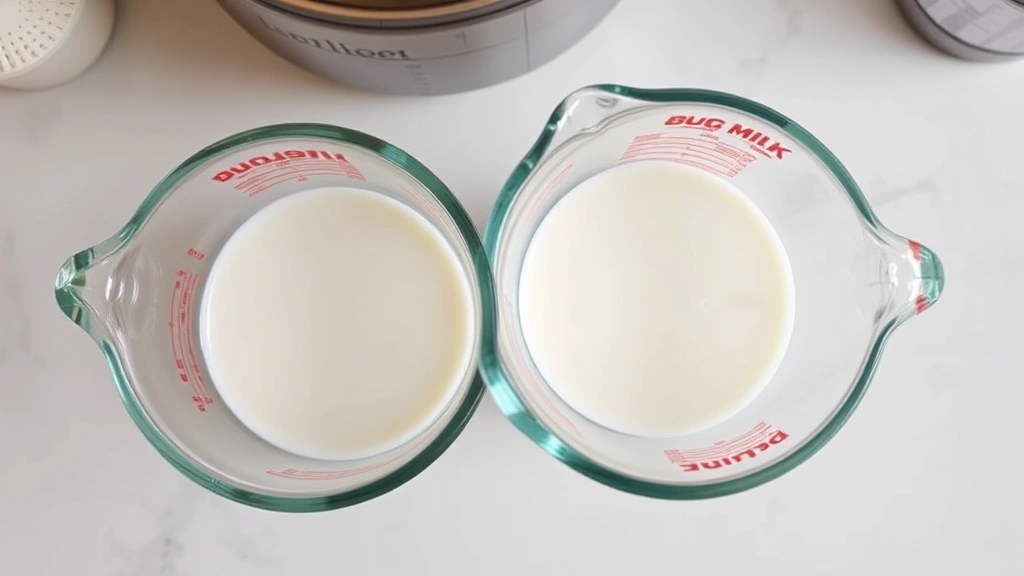
DIY Half and Half: Easy Recipe for Beginners
DIY Half and Half: Easy Recipe for Beginners
Half and half is a staple ingredient in countless kitchens, from morning coffee to rich desserts and savory sauces. But what if you don’t have any on hand? Making your own half and half at home is surprisingly simple, requiring just two basic ingredients and five minutes of your time. Whether you’re a beginner in the kitchen or simply looking to save money, this DIY approach gives you complete control over the quality and freshness of your cream.
The beauty of homemade half and half lies in its versatility and ease. Unlike store-bought versions that may contain additives or stabilizers, your homemade version will be pure, fresh, and customizable to your preferences. This guide walks you through everything you need to know about making half and half from scratch, including ingredient ratios, storage tips, and creative uses for your finished product.
What Is Half and Half?
Half and half is a dairy product that sits perfectly between milk and heavy cream in terms of fat content. The name describes its composition: it’s literally half whole milk and half heavy cream. This combination creates a product with approximately 10-12% milk fat, making it richer than milk but lighter than pure cream. Understanding this basic composition is the foundation for creating your own version at home.
The standard definition of half and half varies slightly by region, but in the United States, the FDA regulates it to contain between 10.5% and 18% milk fat. Most commercial versions hover around 12% fat, which is the sweet spot for most culinary applications. When you make your own, you can adjust the ratio to suit your specific needs—making it slightly richer or lighter depending on what you’re preparing.
Half and half became popular in American kitchens during the early 20th century as a convenient middle ground between milk and cream. Today, it remains a kitchen essential for coffee lovers, bakers, and home cooks who want to add richness without the heaviness of pure heavy cream. Learning how to make this ingredient yourself is an excellent kitchen skill that opens up new possibilities for your cooking and baking projects.
Ingredients You’ll Need
The beauty of making half and half at home is that you need absolutely nothing fancy—just two simple, everyday dairy products that you likely already have in your refrigerator.
- Whole milk: This is the foundation of your half and half. Whole milk contains approximately 3.5-4% milk fat, which provides the lighter component of your mixture. Use fresh, cold whole milk for the best results. If you only have low-fat or skim milk available, you can still make half and half, though the final product will be slightly less rich.
- Heavy cream: Also called heavy whipping cream, this ingredient brings the richness and body to your mixture. Heavy cream typically contains 36-40% milk fat, which is what creates that luxurious texture. Make sure you’re using heavy cream rather than whipped cream, which contains added stabilizers and sugar.
That’s truly all you need. No special equipment, no obscure ingredients, no complicated techniques. The ratio of these two ingredients is what determines the final fat content and consistency of your product. Most standard half and half recipes use equal parts milk and cream, which is where the name originates.
When selecting your dairy products, quality matters. Choose fresh milk and cream from reputable sources, preferably with the furthest expiration dates available. Ultra-pasteurized versions work fine, though some cooks prefer standard pasteurized products for slightly better flavor. Store both ingredients in the coldest part of your refrigerator until you’re ready to use them.
Step-by-Step Instructions
Making homemade half and half is a straightforward process that requires minimal effort and produces excellent results every single time.
- Gather your ingredients: Remove your whole milk and heavy cream from the refrigerator. Measure out equal amounts of each—start with 1 cup of milk and 1 cup of cream if you’re making a larger batch, or ½ cup of each for a smaller portion. The exact amounts aren’t critical; what matters is maintaining the equal ratio.
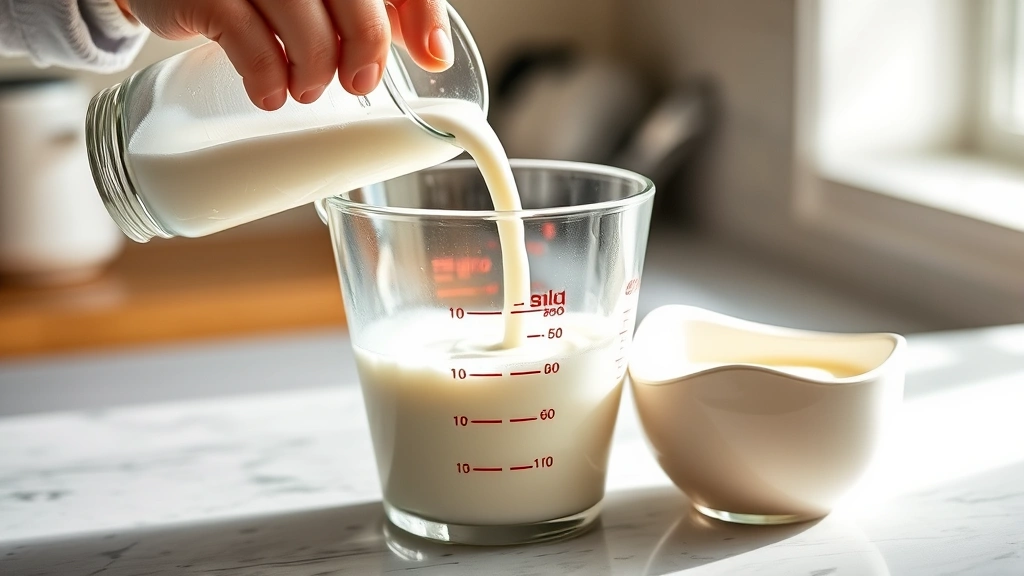
- Pour into a container: Select a clean glass jar, measuring cup, or any food-safe container. Pour the whole milk in first, then add the heavy cream. Using a container with clear measurements on the side makes this step easier to manage.
- Mix thoroughly: Stir the milk and cream together using a whisk, fork, or spoon until they’re completely combined. You’ll notice the mixture becomes slightly lighter in color and more uniform in appearance. Continue stirring for about 30 seconds to ensure thorough blending. The mixture should appear smooth and homogeneous with no visible separation.
- Taste test (optional): If you’d like, pour a small amount into a cup and taste it to verify the flavor and consistency match your expectations. Homemade half and half should taste fresh, creamy, and slightly sweet—similar to commercial versions but fresher.
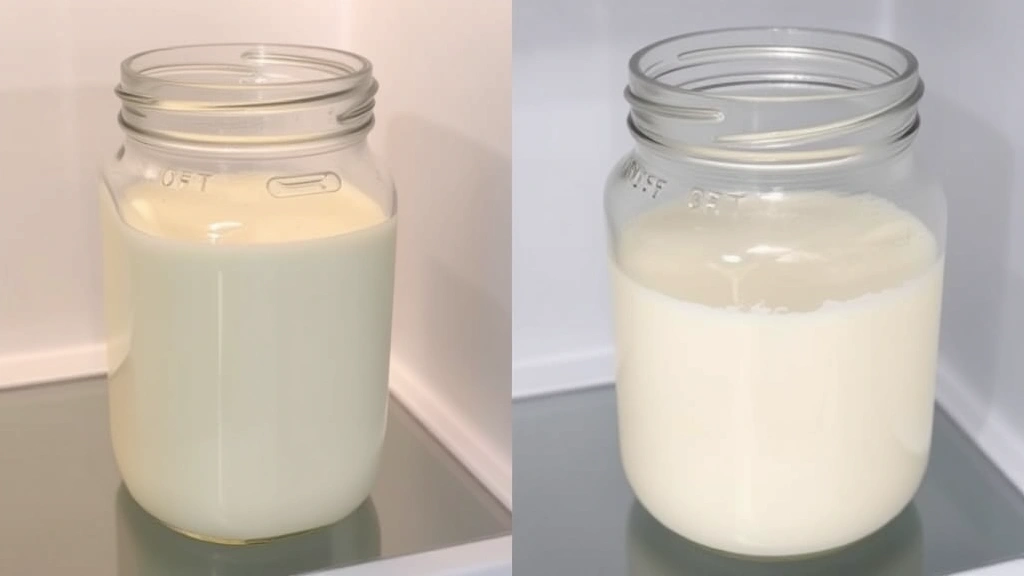
- Transfer to storage container: If you’re not using your half and half immediately, pour it into a clean, airtight container suitable for refrigerator storage. Glass jars with tight-fitting lids work wonderfully and help you see how much you have remaining.
The entire process takes less than five minutes from start to finish. No heating, no special techniques, no waiting—just combine and mix. This simplicity is what makes homemade half and half such an attractive option for busy home cooks.
If you’re planning to use your homemade half and half for making a latte at home, you might want to prepare it the night before so it’s perfectly cold and ready for your morning coffee routine. The same applies if you’re using it in gravy from drippings or other cooked dishes.
Storage and Shelf Life
Proper storage is essential for maintaining the quality and safety of your homemade half and half. Since you’re not using any preservatives or stabilizers, it’s important to handle storage carefully.
Refrigerator Storage: Store your homemade half and half in a clean, airtight container on a shelf in the main body of your refrigerator, not on the door. The door experiences temperature fluctuations that can affect dairy products. Properly stored half and half will last approximately 3-4 days in the refrigerator. The exact shelf life depends on the freshness of your original milk and cream—if your ingredients were nearing their expiration dates, your half and half won’t last quite as long.
Freezer Storage: Yes, you can freeze homemade half and half for longer-term storage. Pour it into ice cube trays for convenient portioning, or use freezer-safe containers. Frozen half and half will last up to three months. However, note that freezing may slightly alter the texture—when thawed, it might separate slightly. This isn’t a problem if you’re using it in coffee, cooking, or baking, but it may not be ideal for applications where you want a completely smooth, integrated texture.
Signs of Spoilage: Before using stored half and half, check for signs of spoilage. Look for any unusual color changes, smell the product for any sour or off odors, and examine it for visible mold or separation that won’t recombine. If anything seems off, discard the batch. It’s always better to be cautious with dairy products.
Creative Uses for Homemade Half and Half
Now that you know how to make half and half, let’s explore the many ways you can use it in your kitchen. This versatile ingredient shines in countless applications.
Coffee and Hot Beverages: The most common use for half and half is in coffee. It adds richness and creaminess without the heaviness of heavy cream or the thinness of regular milk. Use it in regular drip coffee, espresso drinks, or specialty coffee preparations. It also works beautifully in hot chocolate, tea, and other warm beverages.
Baking and Desserts: Homemade half and half is excellent in baking applications where you need a richer texture than milk but don’t want the full intensity of heavy cream. Use it in cake batters, frosting recipes, custards, and ice cream bases. It creates a tender crumb in cakes and adds luxurious texture to creamy desserts.
Soups and Sauces: Add half and half to creamy soups like tomato bisque, potato soup, or mushroom soup. It creates a silky texture without overwhelming other flavors. Use it in cream sauces for pasta, vegetables, or meat dishes. The moderate fat content makes it ideal for reducing without breaking or separating.
Mashed Potatoes: Swap regular milk for homemade half and half in your mashed potato recipe for restaurant-quality results. The added fat creates incredibly creamy, luxurious potatoes that taste far superior to basic versions.
Creamed Vegetables: Use homemade half and half to create classic creamed vegetable dishes like creamed corn, creamed spinach, or creamed peas. The fat content is perfect for coating vegetables while the dairy flavor complements vegetables beautifully.
Pasta Dishes: Incorporate half and half into Alfredo sauce, carbonara variations, or creamy pasta dishes. It provides richness without the overwhelming heaviness of pure cream.
Troubleshooting Common Issues
Separation: If your homemade half and half separates or appears curdled, this typically indicates that one of your base ingredients was already beginning to spoil. Always start with fresh milk and cream. If separation occurs during storage, try whisking it back together vigorously. If it doesn’t recombine, it’s best to discard it.
Overly Thin Consistency: If your finished product seems too thin, you likely used more milk than cream in your ratio. For the next batch, increase the proportion of heavy cream slightly. Remember that the standard ratio is 1:1, but you can adjust it to your preference.
Overly Thick Consistency: Conversely, if your half and half is too thick and heavy, you used too much cream. Thin it out by adding a bit more whole milk and mixing thoroughly. For future batches, reduce the cream proportion slightly.
Graininess: A grainy texture usually indicates that your cream was starting to turn or that temperature fluctuations occurred during storage. Always use the freshest ingredients possible and maintain consistent refrigerator temperatures.
Flavor Issues: If your homemade half and half tastes off or slightly sour, your ingredients were likely past their prime. Always check expiration dates and trust your taste buds—if something seems wrong, it probably is.
Most issues can be prevented by using fresh, quality ingredients and maintaining proper storage conditions. The beauty of homemade half and half is that if something goes wrong, you’ve only wasted two inexpensive ingredients—nothing hazardous or wasteful.
For more kitchen tips and tricks, check out the FixWiseHub Blog where you’ll find countless other helpful guides for home cooking and improvement projects.
FAQ
Can I make half and half with skim milk instead of whole milk?
Yes, technically you can, but the result will be thinner and less rich than traditional half and half. Skim milk contains virtually no fat, so your mixture will primarily derive its fat content from the heavy cream. If you must use skim milk, slightly increase the proportion of heavy cream to compensate for the missing fat from the whole milk.
Is homemade half and half cheaper than buying it at the store?
In most cases, yes. When you calculate the cost per cup of milk and cream, making your own half and half is typically 20-30% less expensive than purchasing commercial versions. The savings increase if you buy dairy products on sale or shop at warehouse clubs like Costco.
Can I use ultra-pasteurized cream and milk?
Absolutely. Ultra-pasteurized products work perfectly fine for making homemade half and half. Some people prefer standard pasteurized products because they believe the flavor is slightly superior, but ultra-pasteurized versions are completely acceptable and actually last longer in your refrigerator.
How long does homemade half and half last compared to store-bought versions?
Homemade half and half typically lasts 3-4 days in the refrigerator, while commercial versions often last 7-10 days because they contain stabilizers and preservatives. However, the fresher taste of homemade versions makes up for the shorter shelf life. If longevity is important, freeze portions in ice cube trays.
Can I use this for whipping cream applications?
No, homemade half and half doesn’t have enough fat content to whip successfully. Heavy cream needs at least 30% fat to whip, while half and half contains only about 12%. If you need whipped cream, use pure heavy cream instead.
What’s the difference between homemade and commercial half and half?
The main differences are that commercial versions contain additives like carrageenan or guar gum for stabilization and consistency, plus they’re homogenized for uniform texture. Homemade versions are pure dairy with no additives. Many people prefer the taste of homemade, though the texture might be slightly less uniform.
Can I adjust the fat content of my homemade half and half?
Yes, absolutely. The standard 1:1 ratio creates approximately 12% fat content, which is typical for commercial half and half. If you want slightly higher fat content, use more heavy cream and less milk. If you prefer lower fat content, use more milk and less cream. Experiment to find your preferred ratio.
Is it safe to leave homemade half and half at room temperature?
No. Like all dairy products, homemade half and half should never be left at room temperature for more than two hours. Bacteria multiply rapidly in dairy products when they’re warm. Always refrigerate promptly after making and keep refrigerated until ready to use.

Related Posts

Superscript in Google Docs: Expert Tips

Strikethrough in Excel: Easy Steps for Beginners
