

Craft Gasoline in ARK: Essential Survival Guide
How to Make Gasoline in ARK: Essential Survival Guide
Gasoline is one of the most critical resources in ARK: Survival Evolved, powering everything from industrial equipment to vehicles that dominate the late-game experience. Whether you’re piloting a motorboat across dangerous waters, running an industrial forge, or fueling up your generator during a power outage, understanding how to craft gasoline efficiently can mean the difference between thriving and merely surviving in ARK’s harsh environments.
This comprehensive guide walks you through every aspect of gasoline production, from gathering raw materials to optimizing your refining setup. We’ll cover the essential crafting recipes, the best locations for resource farming, and advanced techniques to maximize your fuel output. By the end, you’ll have the knowledge to establish a reliable gasoline supply chain that keeps your base powered and your vehicles running.

Understanding Gasoline Basics
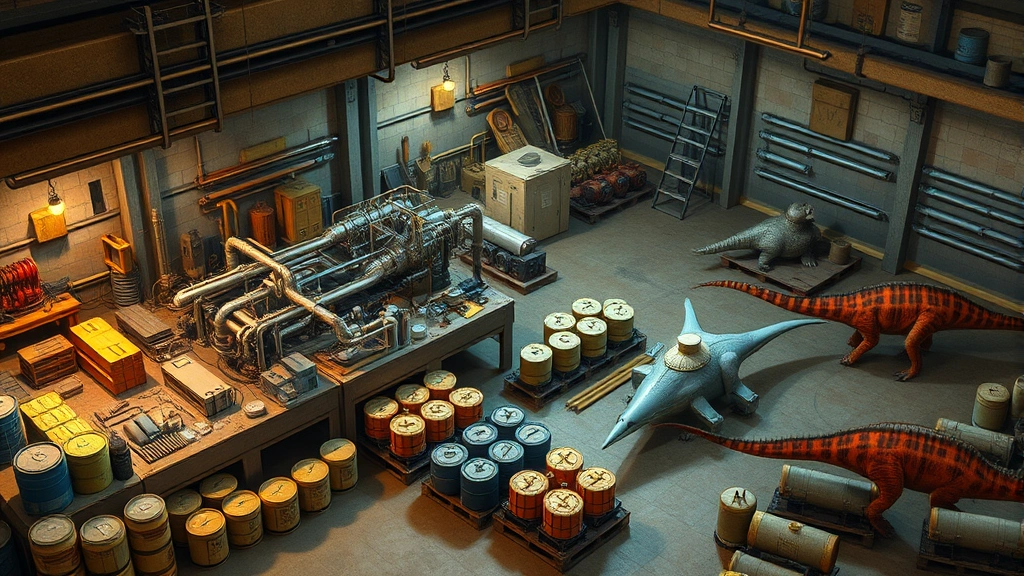
Gasoline in ARK serves as fuel for advanced machinery and vehicles. Unlike basic crafting, gasoline production requires specific industrial structures and multiple resource inputs. The primary method involves using an Oil Refinery, a late-game crafting station that converts raw materials into refined fuel. Understanding the relationship between your inputs and outputs is essential for planning an efficient production system.
The crafting process isn’t instantaneous—it requires time and energy. Each gasoline unit produced consumes specific quantities of oil and hide, with the refinery consuming gasoline itself as a power source. This creates an interesting dynamic where you must produce enough surplus gasoline to sustain your operations while maintaining enough to power your equipment and vehicles.
Before investing resources into an Oil Refinery, ensure you’ve progressed far enough in the game to access the necessary engrams and materials. You’ll need to be at least level 60 and have sufficient crafting points invested in the Industrial tier of your skill tree. The FixWiseHub Blog provides additional game progression tips that complement gasoline production strategies.
Raw Materials Required
Creating gasoline demands two primary raw materials: Oil and Hide. Both are essential, and running out of either will halt your gasoline production immediately. Understanding where to find these materials and how much you need is crucial for maintaining consistent fuel output.
Oil Collection Methods
Oil is the most labor-intensive material to gather. Several creatures drop oil when harvested, including:
- Trilobites—Found in shallow water zones, these creatures are easy to kill and provide consistent oil drops
- Seagulls—Coastal areas yield these birds, though they provide smaller quantities
- Anglerfish—Dangerous deep-water creatures that drop significant oil quantities
- Oil Deposits—Underwater nodes in specific map locations provide raw oil when harvested
- Beaver Dams—These structures contain oil-soaked wood that yields oil when processed
The most efficient method depends on your map and available resources. The Island map features abundant underwater oil deposits near the southern coast, while Scorched Earth players can access desert oil deposits. Taming creatures like the Angler or Tusoteuthis (giant squid) significantly speeds up oil farming in aquatic environments.
Hide Acquisition
Hide is more straightforward to obtain. Any creature harvesting yields hide, with larger dinosaurs providing more per kill. Efficient hide farming involves:
- Killing medium-sized creatures like Trike or Stego with stone tools
- Using a Sickle or Metal Pick to harvest hide more efficiently
- Taming a Therizinosaurus for automated hide farming
- Collecting from downed creatures before they spoil
Plan for approximately 5 hide per gasoline unit produced, though exact quantities depend on your refinery efficiency settings.
Refining Gasoline Step-by-Step
Step 1: Construct an Oil Refinery
The Oil Refinery is an industrial-tier crafting station requiring substantial resources. Gather the following materials:
- 1,500 metal ingots
- 150 cementing paste
- 100 crystal
- 50 oil
- 100 electronics
Place your refinery in a secure, accessible location within your base. Ensure adequate space for fuel management and easy access to your oil and hide supplies. Many players establish dedicated oil refineries away from their main base to manage heat and fire hazards.
Step 2: Gather Oil and Hide
Collect sufficient quantities of both materials before beginning production. A single gasoline unit requires 5 oil and 5 hide as basic inputs. However, the refinery itself consumes 1 gasoline per 30 seconds of operation, meaning you’ll need surplus production to offset operational costs. Calculate your needs carefully—if you plan to produce 100 gasoline, gather at least 500 oil and 500 hide to account for refinery consumption.
Step 3: Load the Refinery
Access your Oil Refinery inventory and place oil and hide into the designated slots. The interface clearly shows required quantities and estimated production time. Unlike crafting stations that produce items instantly, the refinery operates continuously, consuming fuel and materials over time.
Step 4: Power the Refinery
Oil Refineries require gasoline as fuel, creating the initial bootstrap problem. Your first batches of gasoline must come from alternative sources or you must use fuel from external supplies. Once you have initial gasoline reserves, the refinery becomes self-sustaining (with surplus production). Connect the refinery to a fuel source or manually feed gasoline into its inventory.
Step 5: Monitor Production
Check your refinery regularly to ensure materials don’t run out mid-cycle. An empty refinery wastes time and delays fuel production. Establish a supply chain system where gathering teams continuously replenish oil and hide stocks, preventing production interruptions.
Optimizing Production
Efficient gasoline production separates casual players from survival experts. Several optimization strategies dramatically increase your fuel output:
Establish Multiple Refineries
A single refinery produces gasoline relatively slowly. Building 3-5 refineries in parallel multiplies your production rate. Coordinate your gathering teams to supply multiple stations simultaneously. This approach requires more initial investment but pays dividends through consistent fuel availability.
Automate Material Gathering
Taming creatures specifically for resource farming eliminates manual collection time. A single Therizinosaurus can farm hide continuously, while Anglers or Tusoteuths excel at oil collection. Establish creature pens near your refineries and use them as primary gathering sources. This method requires initial taming investment but creates renewable, automated supply chains.
Implement Storage Systems
Use large storage containers to stockpile oil and hide. This buffer prevents production delays when gathering teams are unavailable. Organize your storage by material type and establish minimum stock levels. When oil reserves drop below your threshold, mobilize gathering teams immediately.
Coordinate with Tribe Members
In multiplayer servers, assign team members specific roles: gatherers, refiners, and transporters. This division of labor accelerates the entire production pipeline. Establish collection quotas and refinery targets, holding each member accountable for their responsibilities.
Utilize Server Settings
On private servers, adjust crafting time multipliers to accelerate gasoline production. Increasing resource drop rates from creatures and deposits also boosts material availability. These adjustments make gasoline production more accessible while maintaining survival challenge.
Common Mistakes to Avoid
Underestimating Material Requirements
New players often gather insufficient oil and hide, leading to production bottlenecks. Calculate your needs generously and gather 50% more than your initial estimate. This buffer accounts for refinery consumption and unexpected usage spikes.
Neglecting Refinery Maintenance
Allowing your refinery to run empty wastes valuable production time. Implement a monitoring system where players check refinery status at regular intervals. Automated alerts or scheduled gathering runs prevent this common mistake.
Poor Location Selection
Placing refineries in exposed or dangerous locations invites raids and creature attacks. Build your refineries inside protected structures with proper defenses. Consider establishing remote refinery outposts near resource-rich areas while maintaining a fortified main facility.
Ignoring Fuel Sustainability
Failing to plan for gasoline consumption creates a resource crisis. Ensure your production exceeds your consumption by at least 20%. Monitor fuel reserves daily and adjust gathering strategies as your base grows and fuel demands increase.
Neglecting Alternative Fuel Sources
While planning resource allocation (similar to organizing data), diversify your fuel strategy. Investigate other power sources like generators and solar panels. This diversification reduces dependency on gasoline and provides backup power during production shortages.
Frequently Asked Questions
What’s the Fastest Way to Get Initial Gasoline?
The fastest method involves gathering oil and hide, then using an Oil Refinery immediately upon construction. However, the refinery requires gasoline as fuel, creating a chicken-and-egg problem. Solve this by harvesting oil from underwater deposits and hide from common creatures, then running your first batch. Alternatively, request gasoline from established players on your server or trade with other tribes.
How Much Gasoline Does an Oil Refinery Consume?
An Oil Refinery consumes 1 gasoline per 30 seconds of continuous operation. This means producing 100 gasoline units consumes approximately 100 gasoline in fuel (depending on production time). Always factor this consumption into your production planning to ensure you maintain surplus reserves.
Can I Produce Gasoline Without an Oil Refinery?
No, the Oil Refinery is the only method to produce gasoline in ARK. You cannot craft gasoline in your inventory or standard crafting stations. This makes establishing a functional refinery a critical progression milestone for late-game gameplay.
What Creatures Drop the Most Oil?
Anglerfish and Tusoteuths provide the highest oil quantities per kill. However, these creatures are dangerous and require proper taming and combat skills. For safer, more accessible oil farming, Trilobites and underwater deposits offer reliable alternatives with minimal risk.
Should I Build My Refinery Inside or Outside My Base?
This depends on your base design and threat level. Building inside your base provides protection but creates fire and explosion hazards. Building outside maximizes safety but requires defensive structures. Most experienced players build multiple refineries—some protected inside, others in remote locations near resource nodes. This approach balances security with production efficiency.
How Do I Prevent Gasoline Theft?
Store gasoline in secure containers within your base’s protected perimeter. Lock all storage units and limit access to trusted tribe members. On PvP servers, expect raids and plan accordingly. Distribute gasoline reserves across multiple locations rather than concentrating it in a single container. This strategy minimizes losses if one location is compromised.
What’s the Best Server Setting for Gasoline Production?
For balanced gameplay, increase crafting speed multipliers by 1.5x and resource drop rates by 1.2x. These settings make gasoline production more accessible without completely eliminating the survival challenge. Adjust further based on your tribe’s preferences and playstyle.
Mastering gasoline production transforms your ARK experience from survival mode to dominance mode. With multiple refineries running smoothly and reliable supply chains in place, you’ll have unlimited fuel for your adventures, industrial equipment, and vehicles. Start small with a single refinery, then expand your operation as your resources and experience grow. The investment pays enormous dividends throughout your gameplay journey.

Related Posts

Superscript in Google Docs: Expert Tips

Strikethrough in Excel: Easy Steps for Beginners
