
Boost Grip Strength: Expert Tips & Techniques
Boost Grip Strength: Expert Tips & Techniques for Maximum Hand Power
Grip strength is one of the most underrated aspects of physical fitness, yet it plays a crucial role in daily life, athletic performance, and overall health. Whether you’re tackling electrical projects, performing manual labor, or simply opening a stubborn jar, having strong hands and forearms makes everything easier. Beyond convenience, research shows that grip strength correlates with longevity, bone density, and cardiovascular health. A weak grip can limit your ability to perform essential tasks and may indicate underlying health concerns.
This comprehensive guide explores scientifically-proven methods to develop iron-like grip strength. From targeted exercises to ergonomic tools, you’ll discover actionable techniques that deliver measurable results. Whether you’re a complete beginner or an experienced athlete looking to push past plateaus, these expert strategies will transform your hand and forearm capabilities. The best part? Most methods require minimal equipment and can be incorporated into your existing routine.
Why Grip Strength Matters for Everyday Tasks and Health
Grip strength extends far beyond shaking hands or arm wrestling. It’s a fundamental component of functional fitness that impacts your ability to perform countless daily activities. When you’re working on installing gutters or hooking up electrical devices, adequate grip strength prevents fatigue and injuries. Studies published in medical journals demonstrate that grip strength serves as a biomarker for overall health, predicting mortality risk and muscle mass decline in aging populations.
Professional athletes, from rock climbers to martial artists, prioritize grip development as a cornerstone of their training. Construction workers, mechanics, and other tradespeople rely on consistent grip endurance throughout their workdays. Even office workers benefit from improved grip strength, as it reduces repetitive strain injuries and enhances posture through better upper body engagement. Additionally, strong hands and forearms support better performance in compound movements like deadlifts and pull-ups.
The psychological benefits shouldn’t be overlooked either. Developing noticeable grip strength provides tangible progress you can track and feel, boosting confidence and motivation in your fitness journey. Your hands are constantly visible reminders of your dedication to self-improvement.
Hand and Forearm Anatomy Basics
Understanding the musculature involved in grip development helps you train more effectively. Your hand contains three primary grip types, each recruiting different muscle groups. The crush grip involves squeezing force and primarily engages the flexor digitorum superficialis and profundus muscles in your forearm, along with intrinsic hand muscles. The pinch gripsupport grip
Your forearm contains two primary muscle compartments: the anterior (flexor) compartment and the posterior (extensor) compartment. The flexors, located on your palm side, are responsible for closing your fingers and flexing your wrist. The extensors, on the back of your forearm, open your fingers and extend your wrist. Balanced development of both compartments prevents injury and ensures functional strength. Many people neglect extensor training, leading to muscular imbalances and potential tendon issues.
The brachioradialis, a muscle in your forearm that assists with elbow flexion and forearm rotation, also contributes significantly to grip strength. Your intrinsic hand muscles—the small muscles within your hand itself—provide fine motor control and grip stability. When training for grip strength, you’re essentially developing all these muscle groups in coordinated fashion.
Essential Grip Strength Exercises for Beginners
Starting with foundational exercises builds a solid base before advancing to more intense techniques. These exercises require minimal equipment and can be performed anywhere, making them perfect for establishing consistent training habits.
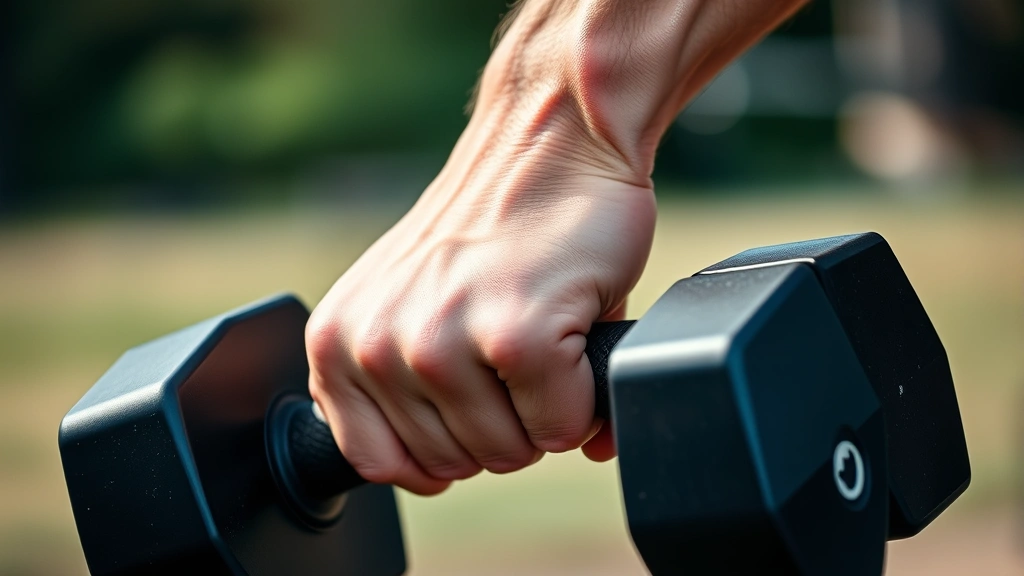
Farmer’s Carries remain one of the most effective grip builders available. Simply grab a dumbbell, kettlebell, or other weight in each hand and walk for distance or time. Start with moderate weight—something you can hold comfortably for 30-60 seconds—and gradually increase duration or load. This exercise builds support grip strength and forearm endurance while engaging your core and improving posture. Perform three to four sets of 45-60 second carries, resting 60-90 seconds between sets.
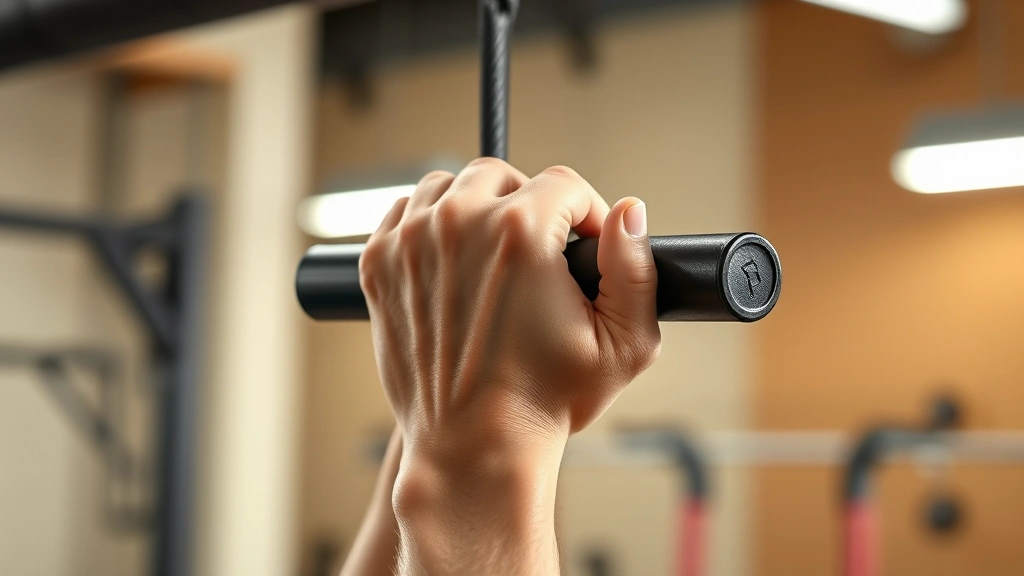
Dead Hangs develop grip endurance through simple suspension. Grab a pull-up bar with an overhand grip and hang passively, letting gravity do the work. Begin with 15-30 second holds and progress to longer durations. This exercise strengthens finger flexors and builds mental toughness. Perform three to five sets, resting 90 seconds between attempts.
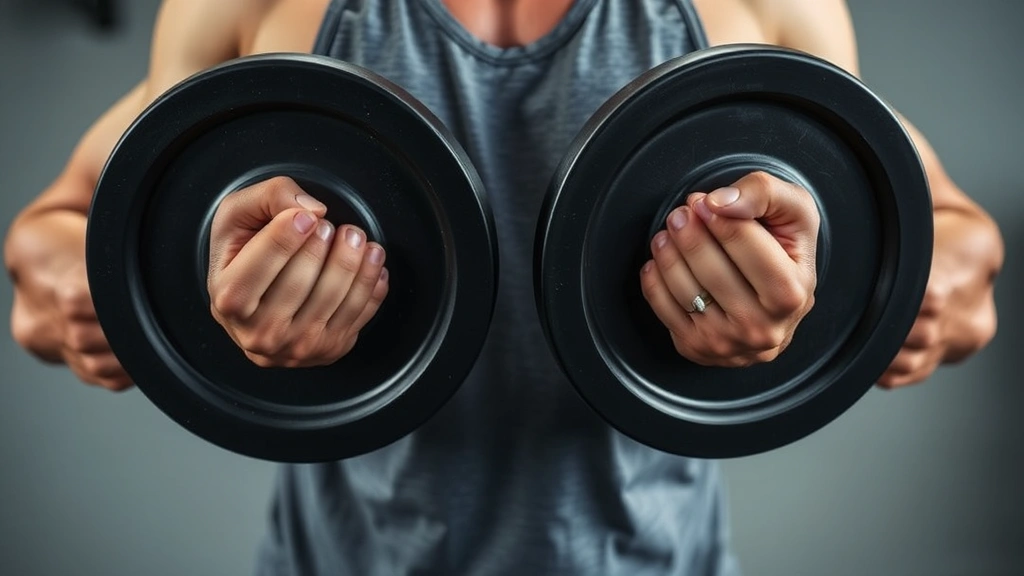
Plate Pinches directly target pinch grip strength. Hold two weight plates together with the smooth sides facing outward, gripping only with your thumb and fingers. Hold for 20-30 seconds, rest, and repeat for three to four sets. This exercise is particularly beneficial for developing thumb strength and finger control. When working on detailed projects like fixing holes in walls, pinch grip strength proves invaluable.
Wrist Flexion and Extension Exercises develop the forearm muscles supporting your grip. Hold a dumbbell vertically in one hand with your forearm resting on a table, palm facing down. Lower the weight by dropping your hand at the wrist, then raise it back up. Perform 12-15 repetitions, rest, and repeat on the opposite arm for three sets. This targets extensor muscles. For flexion, flip your palm upward and perform the same movement, which targets flexor muscles. Use lighter weight—5-10 pounds—and focus on controlled movement.
Towel Wraps provide an excellent grip challenge using household items. Wrap a towel around a pull-up bar, then grip the towel and perform pull-ups. The towel’s thicker diameter demands greater crushing force from your hands. Start with assisted pull-ups if needed and progress to full bodyweight movements. Perform three to four sets of 5-8 repetitions.
Advanced Training Techniques for Grip Mastery
Once you’ve built foundational strength, advanced techniques push your limits and prevent adaptation plateaus. These methods should be integrated gradually to avoid overuse injuries.
Captains of Crush Grippers are specialized hand grippers designed for progressive resistance training. These tools feature adjustable springs creating different resistance levels, allowing systematic progression. Start with lighter models—typically rated at 60 pounds of force—and progress to heavier versions. Perform singles—one maximum effort squeeze—rather than repetitions, as this builds peak crushing power. Complete two to three sessions weekly, separated by at least 48 hours, performing 3-5 singles per session.
Thick Bar Training increases the challenge of standard exercises by forcing your hands to adapt to greater diameter. Wrap towels around dumbbells or barbells to increase thickness, or purchase specialized thick bars. Thick bar training recruits more muscle fibers and demands greater grip engagement. Use 10-15% less weight than standard bars and perform your normal exercises with controlled tempo. This technique proves particularly effective when combined with farmer’s carries and dead hangs.
Fingertip Push-ups develop intrinsic hand strength and finger stability. Begin on your knees if needed, then progress to full push-ups performed on your fingertips. This advanced variation demands significant finger strength and should only be attempted after building foundational strength. Start with wall push-ups, progress to incline push-ups, then advance to floor variations. Perform 3-4 sets of 5-10 repetitions.
Wrist Roller Training builds grip endurance through rotational resistance. Attach a rope to a weight plate or attach a handle to a rolling bar with rope. Roll the rope up using wrist rotation, then unroll it in reverse. This exercise targets both flexors and extensors while building forearm endurance. Perform 2-3 sets of 5-8 complete rolls.
Isometric Holds build grip strength through static contraction. Squeeze a gripper, dumbbell, or other object at maximum effort for 5-10 seconds, rest, and repeat. These holds activate more muscle fibers than dynamic movements and build neural adaptation. Perform 3-5 holds at various grip positions, resting 60-90 seconds between attempts.
Tools and Equipment for Grip Training
Investing in proper equipment accelerates progress and provides variety to prevent boredom. Quality tools make training safer and more effective.
Hand Grippers range from basic spring-loaded models to sophisticated adjustable systems. Entry-level grippers cost $10-20 and provide adequate resistance for beginners. Mid-range grippers ($30-50) offer better build quality and adjustable resistance. Premium grippers like Captains of Crush ($40-80) feature precise engineering and multiple resistance levels for serious enthusiasts. Choose grippers that feel comfortable in your hand and allow full range of motion.
Thick Bars and Adapters transform standard equipment into grip challenges. Fat Gripz and similar adapters ($20-40) slip onto dumbbells and barbells, instantly increasing diameter. Specialized thick bars ($100-300) provide permanent solutions for dedicated training spaces. These tools are invaluable for progressive overload in grip training.
Resistance Bands provide affordable finger strengthening tools. Loop bands around your fingers and perform extension exercises, building extensor muscles often neglected in standard training. A set of bands costs $15-30 and offers versatile training options. Use lighter bands for high-repetition work and heavier bands for strength development.
Suspension Trainers enable dead hangs and other grip-intensive exercises anywhere. Portable systems ($150-200) attach to pull-up bars or door frames. Free alternatives include park pull-up bars or sturdy tree branches. Suspension training provides unmatched convenience for grip development.
External resources like This Old House and Family Handyman offer valuable insights on grip strength applications in home improvement projects.
Nutrition and Recovery Strategies for Optimal Gains
Training stimulus alone doesn’t build strength; recovery and nutrition enable adaptation. Neglecting these factors severely limits progress.
Protein Intake provides amino acids necessary for muscle repair and growth. Aim for 0.7-1 gram of protein per pound of bodyweight daily, distributed across multiple meals. Quality sources include chicken, fish, eggs, Greek yogurt, and legumes. Protein timing matters less than total daily intake, but consuming protein within two hours post-workout supports recovery. Consider whey protein powder ($20-40 per container) for convenient supplementation.
Micronutrient Support enables proper muscle function and recovery. Magnesium, zinc, and B vitamins support muscle contraction and neural adaptation. Consume varied vegetables, nuts, seeds, and whole grains to ensure adequate micronutrient intake. Consider a quality multivitamin ($10-20 monthly) if dietary intake seems insufficient.
Hydration facilitates nutrient transport and muscle function. Drink at least half your bodyweight in ounces of water daily, increasing intake on training days. Proper hydration improves performance and reduces injury risk.
Recovery Practices allow adaptation between training sessions. Grip training creates microtrauma that requires time to repair. Never train grip with maximum intensity on consecutive days; allow at least 48 hours between intense sessions. Massage, foam rolling, and stretching improve blood flow and reduce soreness. Sleep quality profoundly impacts recovery; aim for 7-9 hours nightly. Poor sleep impairs hormone production, reduces recovery capacity, and increases injury risk.
Active Recovery on rest days promotes blood flow without creating additional stress. Light walking, swimming, or yoga accelerates recovery while maintaining conditioning. Consider dedicating one day weekly to complete rest, allowing full nervous system recovery.
Common Mistakes to Avoid When Building Grip Strength
Understanding common pitfalls prevents wasted effort and reduces injury risk. Many enthusiasts sabotage their progress through preventable errors.
Overtraining represents the most common mistake. Grip training creates significant nervous system fatigue; excessive frequency leads to burnout and injury. Train grip 2-4 times weekly maximum, not daily. Monitor recovery and reduce frequency if you experience persistent soreness, weakness, or motivation loss.
Neglecting Extensor Training creates muscular imbalances and tendon problems. Many people focus exclusively on crushing and pinch grip, ignoring extension exercises. Dedicate 30-50% of grip training time to extensor work through wrist extensions and resistance band finger extensions. Balanced development prevents injury and optimizes function.
Using Excessive Weight Too Soon causes injury before strength adapts. Progress gradually, increasing resistance only when completing all prescribed repetitions comfortably. A good rule: if you can’t complete the prescribed volume with good form, reduce weight. Progressive overload works better than aggressive jumps.
Ignoring Pain Signals converts preventable soreness into serious injury. Distinguish between productive muscle soreness and joint or tendon pain. Sharp pain, particularly in joints or tendons, signals excessive load. Back off immediately and assess your programming. Persistent pain warrants professional evaluation from a physical therapist or physician.
Inconsistent Training prevents strength accumulation. Grip strength develops gradually through consistent stimulus. Sporadic training sessions don’t provide adequate adaptation stimulus. Commit to a structured program with consistent frequency, even if individual sessions are brief. Two 20-minute sessions weekly beat sporadic hour-long efforts.
Poor Exercise Form reduces effectiveness and increases injury risk. Perform all movements with controlled tempo and full range of motion. Avoid jerky movements or momentum-based repetitions. Film yourself performing exercises and compare to instructional videos. Consider hiring a coach for form assessment if available.
When performing manual tasks like wiring switches, proper grip technique prevents hand fatigue and improves precision. Apply lessons from your training to everyday activities.
Frequently Asked Questions About Grip Strength
How long does it take to see grip strength improvements?
Most people notice measurable improvements within 2-4 weeks of consistent training. Crush grip typically improves fastest, while pinch grip requires more time. Support grip endurance improvements appear within 1-2 weeks. Significant strength gains accumulate over 8-12 weeks of dedicated training. Track your progress through objective measurements like dead hang duration or gripper resistance level.
Can women develop the same grip strength as men?
Yes, women can significantly improve grip strength through training. While baseline grip strength differs between sexes due to average differences in muscle mass, women respond excellently to progressive resistance training. Women often achieve 40-50% improvements in grip strength within 8-12 weeks. Relative to bodyweight, women can develop impressive grip capabilities. Gender differences matter less than training consistency and progressive overload.
Is grip training suitable for older adults?
Absolutely. Older adults benefit tremendously from grip training, as age-related grip decline accelerates after 60. Maintaining grip strength preserves independence, reduces fall risk, and supports overall health. Older adults should progress more conservatively, allowing longer recovery between sessions and using lighter initial resistance. Consult healthcare providers before starting intense training programs, particularly if managing existing conditions.
Can grip training prevent arthritis?
While grip training doesn’t prevent arthritis development, strong supporting muscles may reduce symptoms and improve function. Regular movement maintains joint health and synovial fluid circulation. Avoid excessive loading if arthritis already exists; consult healthcare providers for personalized recommendations. Gentle range-of-motion exercises often prove beneficial for arthritic hands.
Should I train grip strength on the same days as other workouts?
Yes, grip training complements most workout routines. Perform grip work after primary lifts when you’re less fatigued, as this prevents grip from limiting performance on important compound movements. On days performing deadlifts or pull-ups, minimal additional grip work is necessary. Dedicate separate sessions to intense grip training when not performing heavy pulling movements. This prevents overtraining while optimizing recovery.
What’s the difference between grip strength and grip endurance?
Grip strength refers to maximum force production in a single effort. Grip endurance describes your ability to maintain submaximal force over extended periods. Both matter for different applications. Crushing a gripper requires strength; holding a heavy object for extended time requires endurance. Balanced training develops both qualities. Strength training uses lower repetitions with heavier resistance; endurance training uses higher repetitions or longer holds with moderate resistance.
Can I overtrain my grip?
Yes, overtraining grip creates cumulative fatigue and increases injury risk. Your hands perform countless daily functions; excessive grip training interferes with recovery. Limit intense grip training to 2-4 sessions weekly, keeping most sessions relatively brief (15-30 minutes). Monitor recovery metrics like motivation, sleep quality, and performance consistency. If performance plateaus or declines, reduce training frequency.
Are there specific grippers recommended for beginners?
Basic spring-loaded grippers ($10-20) work well for beginners, providing adjustable resistance and durability. Avoid extremely heavy grippers that prevent full range of motion. As you progress, adjustable grippers offering multiple resistance levels ($30-50) provide better value. Premium brands like Captains of Crush ($40-80) suit serious enthusiasts but aren’t necessary for beginners. Choose grippers feeling comfortable in your hand with smooth operation.
Remember that grip strength development requires patience and consistency. By implementing these expert techniques and avoiding common mistakes, you’ll develop impressive hand and forearm strength that enhances daily life and athletic performance. Start with foundational exercises, progress gradually, prioritize recovery, and maintain consistent training. Your improved grip strength will become evident in every aspect of life, from DIY projects like those featured in our comprehensive blog to professional endeavors and athletic pursuits.

Related Posts

Superscript in Google Docs: Expert Tips

Strikethrough in Excel: Easy Steps for Beginners
