
Natural Cavity Remedies: What Experts Recommend
Natural Cavity Remedies: What Experts Recommend
Cavities are one of the most common dental problems affecting millions of people worldwide. When tooth decay develops, many individuals search for quick fixes and natural remedies to address the issue at home. While professional dental treatment remains the gold standard for cavity management, understanding what dentists and health experts actually recommend can help you make informed decisions about your oral health.
The reality is that cavities cannot be completely healed or reversed in 2 days at home using natural remedies alone. However, this guide explores evidence-based approaches that dental professionals recommend for cavity prevention, early-stage decay management, and complementary care strategies. Whether you’re dealing with early signs of decay or looking to prevent future cavities, the information below reflects current expert consensus on natural and practical interventions.
Understanding Cavities and Decay
A cavity is a permanently damaged area in the hard surface of your tooth that develops into a tiny opening or hole. This damage occurs through a process that typically takes weeks or months to develop, not days. Understanding how cavities form is essential before exploring any treatment approach.
Cavities develop when bacteria in your mouth produce acids that attack tooth enamel and dentin. These acids are generated when bacteria consume sugars and starches from food and beverages. Over time, repeated acid attacks weaken the tooth structure, eventually creating a cavity. The decay process is progressive and cannot be reversed once the structure is compromised—only managed or professionally repaired.
The stages of cavity development include initial demineralization (where enamel loses minerals), followed by enamel breakdown, and finally dentin involvement if left untreated. Early detection through regular dental checkups and preventive care is far more effective than attempting emergency home treatments.
Why 2-Day Cavity Healing Is Unrealistic
The promise of healing cavities in 2 days at home is not supported by dental science. Here’s why experts are clear about this limitation:
- Structural damage cannot reverse quickly: Once tooth structure is lost to decay, it cannot regrow or regenerate. Enamel, unlike skin or bone, does not have the biological capacity to self-repair.
- Remineralization takes time: Early demineralization can potentially be arrested through fluoride and calcium treatments, but this process takes weeks or months, not days.
- Bacterial infection requires professional intervention: If decay has progressed to the pulp (the nerve center), home remedies cannot address the infection.
- Home treatments cannot fill structural voids: A physical cavity (hole) requires professional filling or restoration to prevent further decay.
Dental professionals from reputable health organizations consistently emphasize that while natural prevention methods are valuable, they cannot substitute for professional dental care when actual cavities exist.

Expert-Recommended Natural Prevention Methods
While cavities cannot be healed overnight, experts strongly recommend natural prevention strategies that significantly reduce cavity risk. These evidence-based approaches should be part of your daily routine:
Oil Pulling
Oil pulling involves swishing coconut oil or sesame oil in your mouth for 15-20 minutes. While some practitioners claim it removes toxins and prevents cavities, scientific evidence is limited. However, it may help reduce harmful bacteria and can be a harmless addition to your routine when combined with proven methods.
Proper Brushing Technique
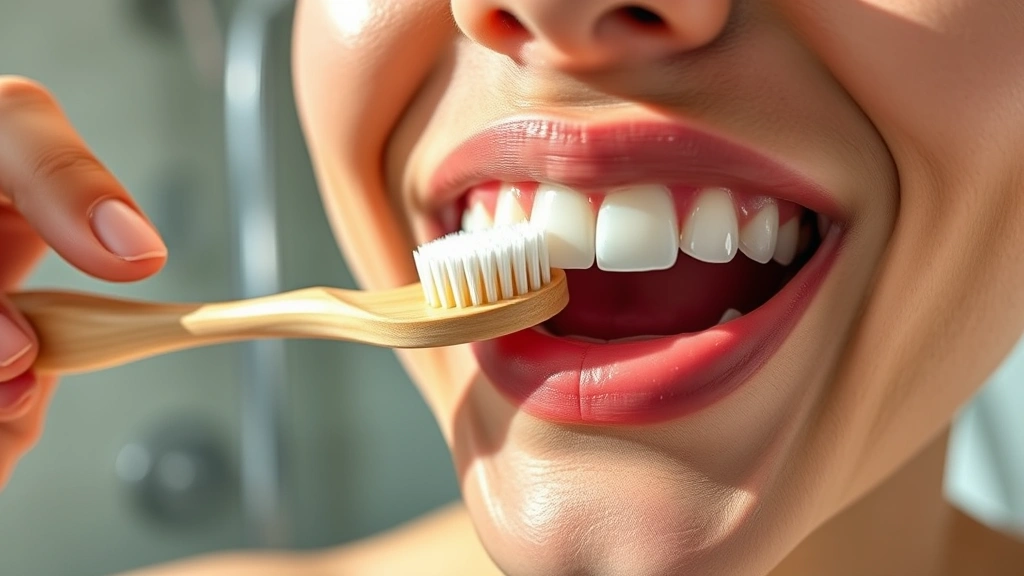
Brush your teeth twice daily with fluoride toothpaste using gentle, circular motions. Pay special attention to the gumline and between teeth. This simple practice removes plaque and food debris that bacteria feed on.
Flossing Daily
Flossing removes food particles and plaque from areas your toothbrush cannot reach. Daily flossing is one of the most effective natural prevention methods endorsed by all dental experts.
Antimicrobial Rinses
Natural antimicrobial rinses made from salt water or diluted essential oils like tea tree oil can help reduce oral bacteria. Mix one-half teaspoon of salt in warm water and rinse after meals.
Remedies for Early-Stage Decay
If you have early-stage decay that hasn’t progressed to a full cavity, certain natural approaches may help arrest the process:
- Calcium-rich foods: Consume dairy products, leafy greens, and almonds to support tooth remineralization.
- Vitamin D supplementation: This vitamin enhances calcium absorption and supports overall oral health.
- Sugar elimination: Remove or drastically reduce sugar and refined carbohydrates from your diet.
- Xylitol products: Studies show xylitol (a natural sugar alcohol) inhibits cavity-causing bacteria growth.
- Fluoride treatments: Use prescription-strength fluoride gel or professional fluoride applications from your dentist.
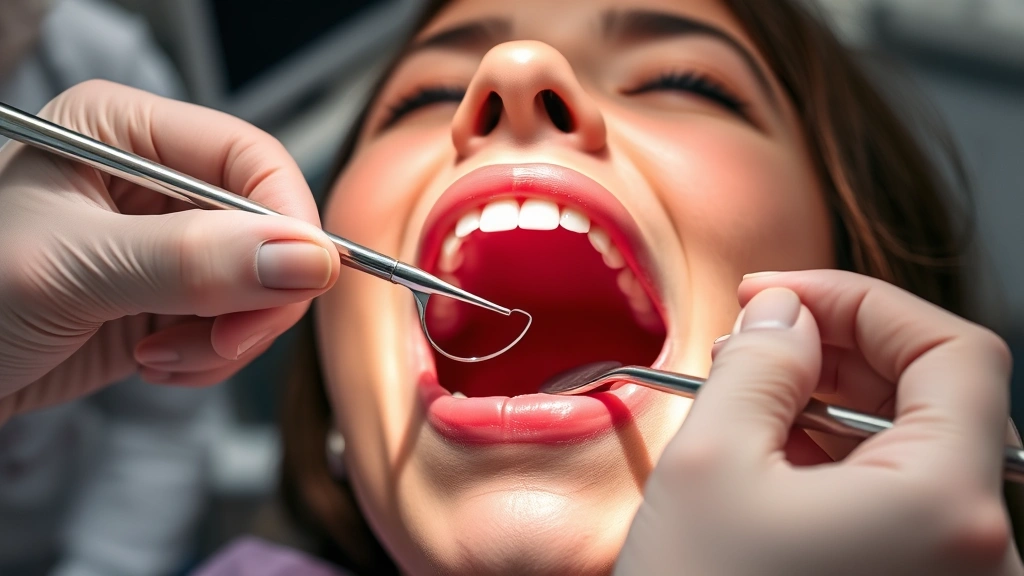
These interventions work best when implemented early, before structural damage occurs. Regular dental visits allow professionals to identify early decay using tools like X-rays, which are not available for home diagnosis.
Oil Pulling and Traditional Practices
Oil pulling has gained popularity in wellness circles, but its cavity-prevention benefits remain scientifically unclear. Here’s what experts actually say:
What oil pulling might do: Reduce some oral bacteria, decrease inflammation, and potentially improve gum health. Some users report fresher breath and cleaner-feeling teeth.
What oil pulling cannot do: Fill cavities, reverse structural decay, or replace brushing and flossing. It should never be used as a primary cavity treatment.
If you want to try oil pulling, use organic coconut or sesame oil for 15-20 minutes before brushing. However, understand that this is a supplementary practice, not a primary treatment. Never replace established dental hygiene with oil pulling alone.
Other traditional practices like clove oil (which contains eugenol, a natural anesthetic) may provide temporary pain relief for dental discomfort but do not treat underlying cavity issues.
Dietary Changes for Cavity Prevention
Your diet plays a crucial role in cavity prevention and overall oral health. Experts recommend these specific dietary modifications:
Foods to Eliminate or Minimize
- Sugary beverages (soda, juice, energy drinks)
- Sticky candies and dried fruits
- Refined carbohydrates (white bread, pastries)
- Acidic foods and drinks (citrus, wine, vinegar-based dressings)
- Frequent snacking between meals
Foods to Increase
- Calcium sources: cheese, yogurt, milk, leafy greens
- Phosphorus-rich foods: eggs, fish, nuts
- Crunchy vegetables: carrots, celery, apples
- Fiber-rich foods that stimulate saliva production
- Water instead of other beverages
Saliva is your mouth’s natural defense against cavities. It neutralizes acids, remineralizes teeth, and fights bacteria. Staying hydrated and eating foods that stimulate saliva production are among the most effective natural cavity prevention strategies.
Fluoride Treatments and Professional Care
While this article focuses on natural approaches, it’s important to understand that fluoride—whether natural or synthetic—is the most scientifically proven cavity prevention tool. Fluoride:
- Strengthens enamel against acid attacks
- Promotes remineralization of early decay
- Reduces cavity risk by up to 25% when used regularly
- Is recommended by dental health organizations worldwide
Professional fluoride treatments administered by dentists are significantly stronger than over-the-counter options and can be particularly beneficial if you’re cavity-prone. These treatments take just a few minutes and provide concentrated protection.
If you prefer natural approaches, understand that fluoride exists naturally in water, tea, and some foods. Many communities add small amounts of fluoride to water supplies to support public dental health.
When to Seek Professional Help
Certain situations require immediate professional dental intervention, regardless of natural remedy attempts:
- Visible holes or pits in teeth: These indicate structural damage requiring professional restoration.
- Severe tooth pain: This may indicate infection that needs antibiotic treatment or root canal therapy.
- Sensitivity to hot, cold, or sweet: This often signals decay reaching the dentin layer.
- Dark spots or discoloration: These may indicate decay that needs professional assessment.
- Swelling or abscess: These are signs of serious infection requiring immediate care.
Prevention through natural methods is ideal, but professional dental care remains essential for actual cavity treatment. Dentists can provide fillings, crowns, root canals, or extractions depending on decay severity. Delaying professional care can result in more expensive and invasive treatments later.
For cavity prevention and early-stage decay management, consider discussing options with your dentist. They can recommend the best combination of natural prevention strategies and professional treatments for your specific situation.
FAQ
Can cavities heal naturally without a dentist?
No, cavities with structural damage cannot heal naturally. Once the tooth structure is compromised, only professional restoration can repair it. However, early demineralization before cavity formation might be arrested through fluoride and dietary changes.
How long does it really take to reverse early tooth decay?
Early demineralization can potentially be reversed over several weeks to months with consistent fluoride use, dietary changes, and improved oral hygiene. This is not the same as healing an actual cavity, which requires professional treatment.
Is salt water rinse effective for cavity prevention?
Yes, salt water rinses can reduce oral bacteria and promote healing of minor gum inflammation. Mix one-half teaspoon salt in 8 ounces warm water and rinse after meals. However, this should complement, not replace, brushing and flossing.
What natural toothpaste ingredients actually prevent cavities?
Fluoride (the most effective), xylitol, calcium, and essential oils like tea tree oil have some cavity-prevention properties. However, standard fluoride toothpaste remains the most scientifically proven option. Check that your natural toothpaste contains fluoride or xylitol for cavity prevention.
Can I use baking soda to treat cavities?
Baking soda can help neutralize acids and may support oral health as a mild abrasive in toothpaste, but it cannot treat existing cavities. It’s useful as a preventive measure but not a cavity remedy.
How often should I see a dentist for cavity prevention?
Most experts recommend dental visits every six months for routine checkups and cleanings. People with high cavity risk may benefit from more frequent visits. Regular checkups catch problems early before they become serious.
Are there any risks to trying natural cavity remedies at home?
Natural remedies are generally safe when used alongside proper oral hygiene. However, relying exclusively on home remedies while delaying professional care can allow decay to progress significantly, resulting in more severe problems and costly treatments.

Related Posts

Superscript in Google Docs: Expert Tips

Strikethrough in Excel: Easy Steps for Beginners
