
Flush Weed from System? Expert Tips Inside
How to Get Weed Out of Your System: Complete Expert Guide
Whether you’re dealing with invasive weeds in your garden, yard, or landscaping beds, removing them effectively requires understanding both immediate removal techniques and long-term prevention strategies. Weeds compete aggressively with your desired plants for water, nutrients, and sunlight, making systematic elimination essential for maintaining a healthy outdoor space. This comprehensive guide covers everything from manual extraction to chemical treatments, soil preparation, and sustainable maintenance practices that professional landscapers use.
Getting weeds completely out of your system isn’t a one-time event—it’s an ongoing process that demands consistency and the right approach for your specific situation. Different weed types, soil conditions, and garden layouts require tailored solutions. By understanding the root causes of weed proliferation and implementing proven removal methods, you can transform an overgrown space into a well-maintained landscape that stays weed-free longer.
Understanding Your Weed Problem
Before you can effectively eliminate weeds, you need to identify what you’re dealing with. Weeds fall into three main categories: annual weeds, perennial weeds, and biennial weeds. Annual weeds complete their life cycle in one growing season, producing massive amounts of seeds before dying. Perennial weeds return year after year from persistent root systems, making them significantly more challenging to eliminate. Biennial weeds take two years to complete their cycle, growing leaves the first year and flowering the second.
Common annual weeds include crabgrass, chickweed, and pigweed. Perennial troublemakers include dandelions, bindweed, and creeping thistle. Understanding which category your weeds fall into directly impacts your removal strategy. Annual weeds can often be controlled by preventing seed production, while perennials require complete root removal or systemic treatment. You can learn more about addressing various outdoor maintenance issues by visiting the FixWiseHub Blog for comprehensive home improvement guides.
Soil testing reveals nutrient imbalances that favor weed growth over desirable plants. Compacted soil, poor drainage, and nutrient deficiencies create ideal conditions for weeds to thrive. Assessing your specific weed pressure—whether light, moderate, or severe—helps determine whether you need quick fixes or comprehensive eradication efforts.
Manual Removal Techniques
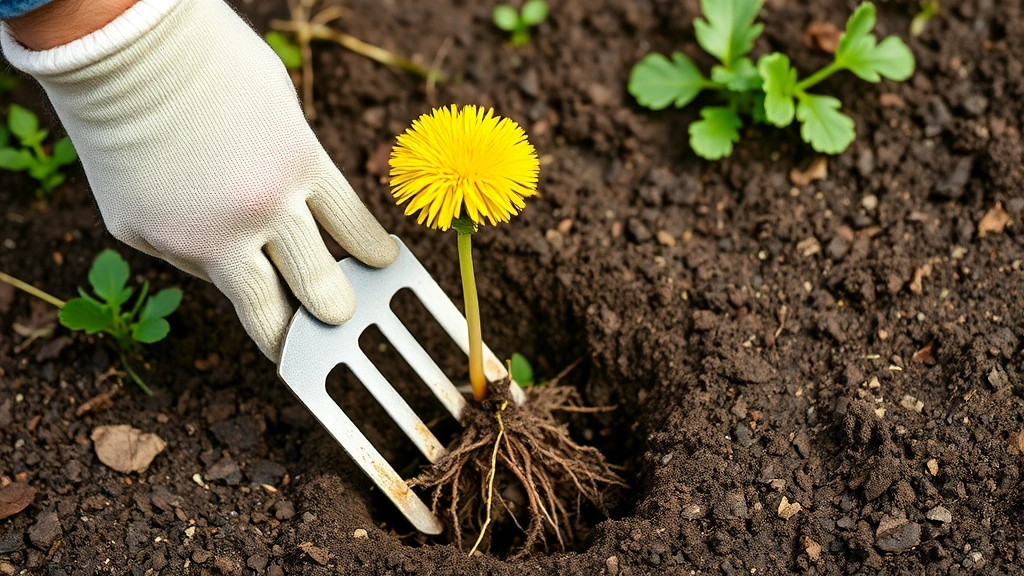
Manual weed removal remains one of the most effective and environmentally friendly approaches, particularly for isolated weeds or small garden areas. Hand-pulling works best when soil is moist, as damp earth releases roots more easily. Grasp weeds at the base and pull steadily upward, ensuring you remove the entire root system. For deep-rooted perennials like dandelions, use a weeding fork or dandelion digger to extract roots completely from beneath the soil surface.
The timing of manual removal significantly affects success rates. Removing weeds before they flower and set seed prevents thousands of new plants from establishing. Early morning or late afternoon removal is ideal, as plants are more turgid and roots release more easily from soil. Create a systematic pattern, working methodically through affected areas rather than randomly addressing weeds.
For larger infestations, consider these manual methods:
- Hoeing: Use a sharp hoe to slice weeds just below the soil surface, effective for annual weeds in garden beds and vegetable gardens
- Digging: For isolated perennial weeds, dig deep to remove entire root systems, roots and all
- Flame weeding: Use a propane torch to kill weeds in driveways and hardscape areas, though this requires caution near flammable materials
- Solarization: Cover soil with clear plastic for 4-6 weeks to heat-kill weed seeds and roots
Proper tool maintenance ensures efficient removal. Keep hoes and spades sharp, as dull tools require more effort and leave root fragments behind. Dispose of pulled weeds in sealed bags rather than composting, unless you’re certain your compost reaches temperatures exceeding 140°F, which kills most weed seeds.
Chemical Weed Control Methods
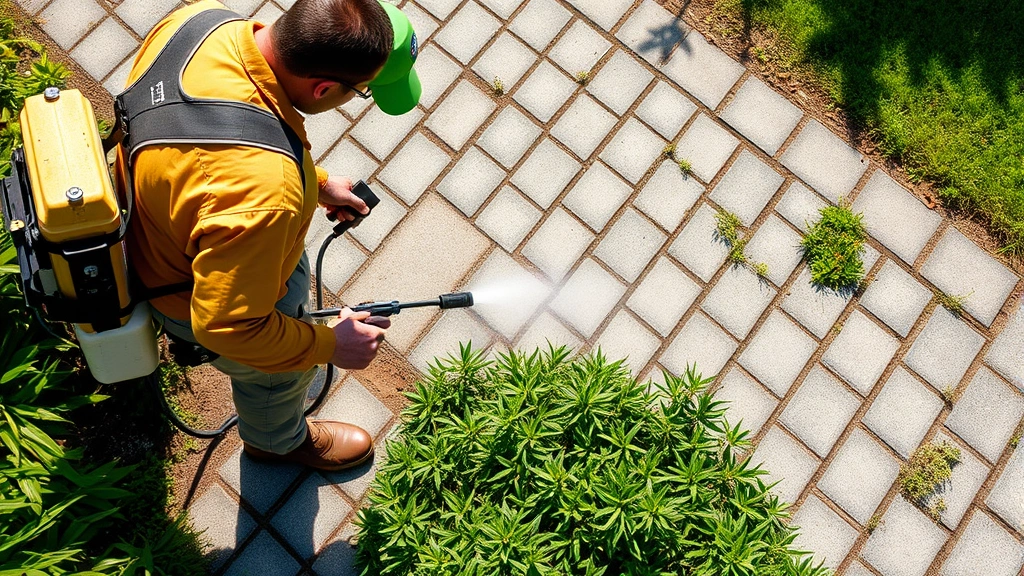
When manual removal proves insufficient, herbicides offer targeted chemical control. Understanding herbicide types helps you select appropriate products for your situation. Pre-emergent herbicides prevent weed seeds from germinating, applied before weeds appear. Post-emergent herbicides kill existing weeds, available in selective formulas targeting specific weed types or non-selective products killing most vegetation.
Selective herbicides target broadleaf weeds while leaving grass unharmed, making them ideal for lawns. Non-selective herbicides like glyphosate kill most plants they contact, useful for clearing large areas before replanting. Always read product labels carefully, as application rates, timing, and safety precautions vary significantly.
Organic herbicide alternatives include:
- Acetic acid (vinegar): Spray full-strength vinegar on weed foliage on sunny days; repeat applications may be necessary
- Citric acid products: These natural herbicides work similarly to vinegar with potentially better results
- Clove oil: Acts as a natural herbicide and growth regulator
- Corn gluten meal: A pre-emergent organic option that prevents seed germination
Chemical application requires proper timing and weather conditions. Apply herbicides on calm days when temperatures are above 60°F but below 85°F. Avoid application before rain, as water washes away the product before it can work effectively. Most herbicides require 24-48 hours of dry weather for optimal absorption. For comprehensive guidance on maintaining your property, check out resources from This Old House, which offers expert home improvement advice.
Soil Preparation and Prevention
Preventing weed establishment through proper soil preparation proves far more efficient than repeated removal efforts. Healthy soil supporting vigorous desirable plants naturally suppresses weed growth through competition. Begin by testing your soil pH and nutrient levels; most plants thrive in slightly acidic to neutral soil (pH 6.0-7.0). Amend deficient soils with appropriate fertilizers and organic matter.
Incorporate 2-4 inches of compost or aged organic material into planting beds, improving soil structure, water retention, and microbial activity. Better soil structure reduces compaction, improving water infiltration and root penetration for desirable plants. Dense, healthy plantings leave less bare soil exposed to weed colonization.
When establishing new planting areas, remove existing vegetation completely. Till or dig out the area, removing as many weed seeds and root fragments as possible. Some gardeners use a technique called “solarization,” covering prepared soil with clear plastic for 4-6 weeks during hot weather to kill weed seeds through heat accumulation. This method significantly reduces future weed pressure without chemicals.
Proper spacing between plants ensures adequate light and air circulation while minimizing bare soil. Crowded plantings reduce weed seed germination by blocking sunlight. Choose appropriate plants for your hardiness zone and light conditions, as stressed plants provide weak competition for weed establishment.
Mulching Strategies
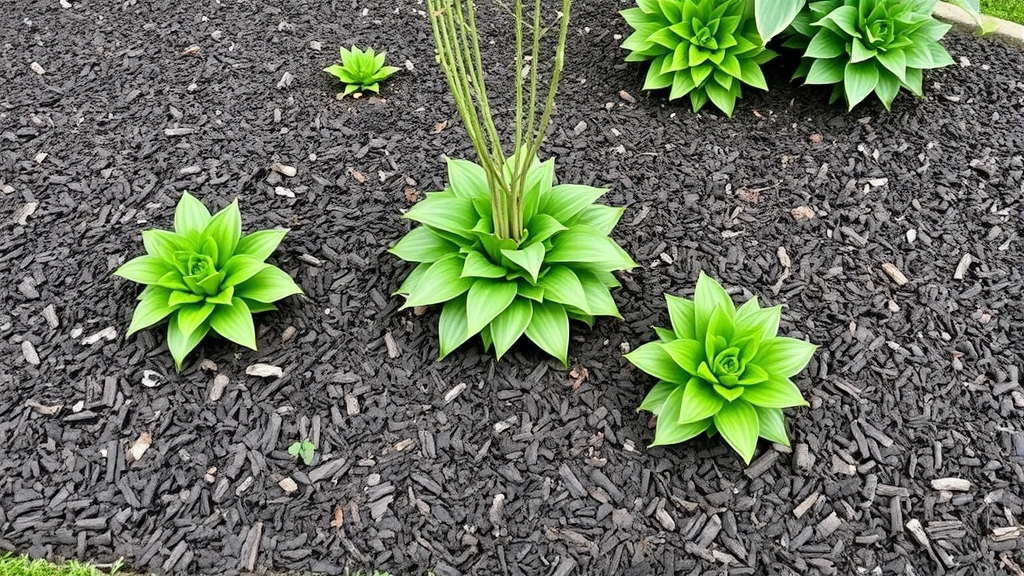
Mulch serves as your primary defense against weed establishment by blocking sunlight necessary for seed germination. Organic mulches like wood chips, shredded bark, and straw provide additional benefits including soil improvement as they decompose. Apply 2-4 inches of mulch in planting beds, keeping it several inches away from tree trunks and plant stems to prevent rot and pest issues.
Different mulch types offer varying benefits:
- Wood chips: Long-lasting, attractive, and improve soil as they decompose; use for trees and shrubs
- Shredded hardwood bark: Breaks down slowly, providing extended weed suppression
- Straw: Excellent for vegetable gardens but contains weed seeds if not certified weed-free
- Landscape fabric: Creates a barrier beneath organic mulch, extending weed suppression effectiveness
- Gravel or stone: Permanent option for pathways and decorative beds; allows water penetration
Landscape fabric beneath mulch significantly enhances weed suppression, blocking weed seeds from reaching soil while allowing water and air infiltration. Use quality, permeable landscape fabric rather than plastic sheeting, which can trap water and harm soil organisms. Overlap fabric sections by 6 inches and secure edges with landscape staples to prevent weed root penetration at seams.
Refresh mulch annually as it decomposes, maintaining the 2-4 inch depth. Decomposing mulch enriches soil while fresh mulch continues weed suppression. This annual maintenance prevents gradual mulch thinning that reduces effectiveness.
Long-Term Maintenance
Sustainable weed management requires ongoing attention rather than sporadic efforts. Establish a seasonal maintenance schedule addressing weeds before they become problematic. Early spring cleanup removes overwintering weed seeds and establishes preventive measures before growing season begins.
Regular monitoring catches new weed growth before establishment. Weekly garden walks identifying emerging weeds allows immediate removal before plants mature and spread seeds. This proactive approach requires minimal time investment compared to managing established infestations.
Maintain healthy lawn and garden areas through proper watering, fertilization, and plant selection. Vigorous plants compete effectively against weeds, naturally suppressing establishment. Water deeply but infrequently, encouraging deep root growth in desirable plants while stressing shallow-rooted weeds. Avoid overwatering, which benefits many weed species.
Rotate your weed control methods to prevent herbicide resistance development. Combine manual removal with mulching, chemical treatments, and cultural practices rather than relying exclusively on any single method. This integrated approach, called Integrated Pest Management (IPM), proves more effective long-term than single-strategy approaches.
Document which methods worked best in your specific situation, noting timing, weather conditions, and results. This information guides future decisions, helping you refine techniques for maximum efficiency. Keep records of herbicide applications, including product names, dates, and areas treated, ensuring compliance with safety guidelines and preventing overuse.
Special Situations
Different landscape areas require customized weed management approaches. Driveways and pathways benefit from non-selective herbicide applications or boiling water treatments, which kill weeds without leaving residues. Flame weeding works effectively on hardscapes where fire risk is minimal. For persistent driveways, consider professional pressure washing combined with sealant application to prevent weed seed lodgment in cracks.
Vegetable gardens demand careful herbicide selection, as many products aren’t suitable for food-producing areas. Focus on mulching, hand-pulling, and organic herbicides in food gardens. Maintain weed-free zones around vegetable beds, as weeds harbor pests and diseases affecting crops.
Lawn areas require different strategies than planting beds. Crabgrass control relies on pre-emergent applications in early spring, before soil temperatures reach 55°F consistently. Post-emergent crabgrass killers work when plants are actively growing but less effectively once established. Maintaining thick, healthy turf through proper mowing, fertilization, and watering prevents crabgrass establishment.
Aquatic and pond weeds present unique challenges requiring specialized herbicides designed for water environments. Never use terrestrial herbicides in water features, as they may harm aquatic life. Professional pond management services often provide effective solutions for persistent aquatic weed problems.
Erosion-prone slopes require careful weed management that doesn’t disturb soil structure. Avoid aggressive tilling or removal that exposes bare soil to erosion. Instead, establish dense groundcover plantings, use erosion control blankets, and apply mulch to stabilize slopes while suppressing weeds.
For issues with moisture-related damage in other areas of your home, you might find helpful information in our guide on how to get water out of your phone, which addresses similar removal and drying principles.
FAQ
How long does it take to completely eliminate weeds from your system?
Complete weed elimination typically requires 6-12 months of consistent effort, depending on infestation severity and weed type. Annual weeds disappear faster once seed production is prevented, while perennial weeds may require multiple seasons of treatment to exhaust root reserves. Ongoing maintenance prevents reinfestation indefinitely.
Can I use vinegar to kill all weed types?
Vinegar (acetic acid) effectively kills annual weeds and young perennial shoots, but established perennials with deep root systems often regrow after vinegar application. Full-strength vinegar (20% acetic acid) works better than household vinegar (5% acetic acid), though repeated applications may be necessary. Vinegar doesn’t prevent seed germination, so it’s best combined with mulching and preventive measures.
What’s the best time of year to remove weeds?
Spring and early summer offer optimal removal timing, as soil moisture aids manual removal and young weeds haven’t yet flowered. Fall cleanup removes winter annuals before they establish. Avoid removing weeds during extreme heat or drought, as stressed desirable plants won’t recover quickly from soil disturbance. Year-round monitoring catches weeds before they become problematic.
Is landscape fabric necessary under mulch?
While not absolutely necessary, landscape fabric significantly enhances mulch effectiveness by blocking light penetration that weed seeds require for germination. Quality permeable landscape fabric allows water and air passage while suppressing weeds. Use it in new beds and replace it every 3-5 years as it degrades from UV exposure and soil contact.
How do I prevent herbicide resistance in weeds?
Rotate herbicide types and active ingredients, avoiding repeated applications of the same product in consecutive years. Combine chemical control with manual removal, mulching, and cultural practices. Proper application rates and timing prevent underdosing that allows resistant individuals to survive. Monitor for control failures and switch products immediately if effectiveness declines.
Can I compost pulled weeds?
Compost pulled weeds only if your system reaches sustained temperatures of 140°F or higher, which kills most weed seeds. Home composters rarely achieve these temperatures, so dispose of seeding weeds in sealed bags. Immature weeds without visible flowers or seeds can usually be safely composted in active systems.
What’s the difference between pre-emergent and post-emergent herbicides?
Pre-emergent herbicides prevent weed seeds from germinating and are applied before weeds appear, typically in early spring for summer annuals. Post-emergent herbicides kill existing weeds and are applied after weeds have emerged and begun growing. Pre-emergents are preventive while post-emergents are reactive; using both strategically throughout the season provides comprehensive control.
For additional home maintenance expertise, Family Handyman offers practical guides on outdoor projects and landscape management. When sourcing materials like mulch, landscape fabric, and herbicides, retailers like Lowe’s and Home Depot provide quality products with expert guidance. Always consult local building codes and regulations regarding herbicide use in your area, as restrictions vary by jurisdiction.

Related Posts

Superscript in Google Docs: Expert Tips

Strikethrough in Excel: Easy Steps for Beginners
