
Remove Smoke Smell Fast? Expert Tips Inside!
How to Get Smoke Smell Out of House: Expert Tips Inside
Smoke odor is one of the most stubborn household problems homeowners face. Whether from a recent fire, years of smoking, or a neighbor’s secondhand smoke, that acrid smell seems to linger in every corner—embedded in furniture, walls, and fabrics. The good news? You don’t need expensive professional remediation for most smoke situations. With the right strategy and persistence, you can eliminate smoke smell and restore your home to fresh-smelling comfort.
The challenge with smoke odor is that it doesn’t just sit on surfaces—it penetrates deep into porous materials, settles into HVAC systems, and bonds with walls and ceilings. This means a simple air freshener won’t cut it. You need a comprehensive approach that addresses the root cause while tackling visible and hidden problem areas. Our expert guide walks you through proven methods to neutralize smoke smell fast, from immediate action steps to long-term solutions.
Understanding How Smoke Odor Works
Before tackling smoke smell removal, it helps to understand what you’re fighting. Smoke contains tiny particles and volatile organic compounds (VOCs) that are incredibly persistent. Unlike cooking odors that fade naturally, smoke particles literally bond with surfaces at a molecular level. They settle into:
- Porous materials: Drywall, insulation, carpet, and upholstery absorb and trap smoke particles
- HVAC systems: Smoke circulates through ductwork, settling on filters and interior surfaces
- Hard surfaces: Paint, wood, and tile develop a sticky residue that holds odor
- Textiles: Curtains, clothing, and bedding become saturated with smoke compounds
This is why simply opening windows or using air fresheners fails. You need to neutralize the particles themselves, not just mask the smell. The most effective approach combines ventilation, surface cleaning, absorption, and sometimes replacement of severely affected materials.
Immediate Steps to Take
When you first detect smoke smell, act quickly. The sooner you intervene, the less time smoke has to penetrate deep into materials. Start with these immediate actions:
1. Maximize Ventilation
Open every window and door in your home, even if it’s cold outside. Use fans to push air out—place box fans in windows facing outward to create cross-ventilation. This removes airborne smoke particles before they settle deeper into materials. Keep windows open for at least 24-48 hours continuously if possible. This is your first line of defense and costs nothing.
2. Identify Smoke Sources
Determine where smoke originated. Is it from a fireplace, candle, kitchen fire, or external source? If it’s an ongoing issue like a fireplace, address that first. Check your home maintenance guide to ensure appliances are functioning properly. A malfunctioning appliance may be producing more smoke than necessary.
3. Remove Obvious Smoke Sources
Dispose of burnt items, cigarette ashtrays, or anything actively producing odor. Wash or remove heavily affected textiles immediately. This removes the most concentrated source of particles.
4. Activate Absorption Materials
Place bowls of white vinegar, baking soda, or activated charcoal throughout affected rooms. These absorb airborne odor molecules. Replace every 24 hours for maximum effectiveness. This simple step jumpstarts the odor elimination process while you prepare deeper cleaning.

Cleaning Walls and Ceilings
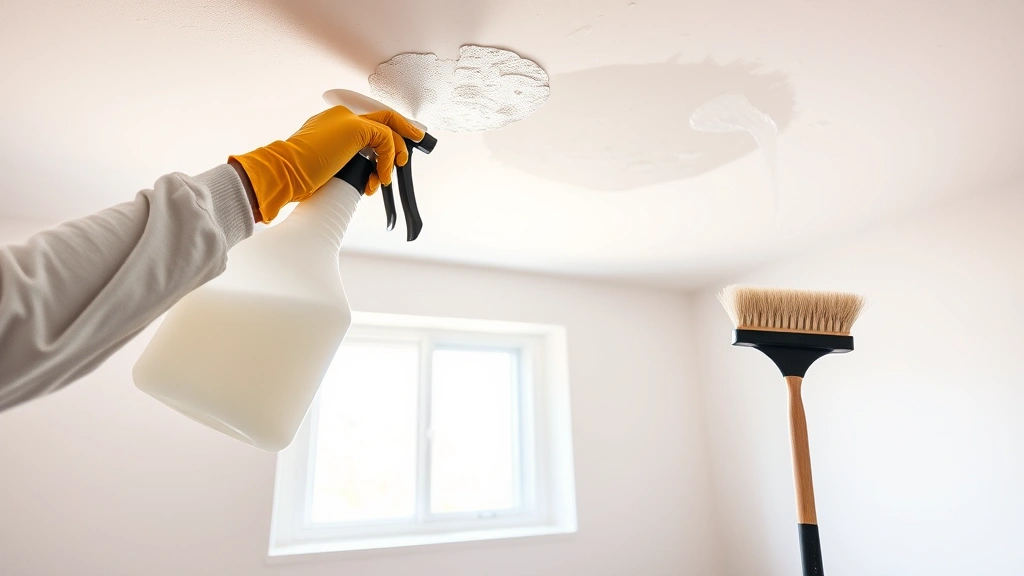
Smoke leaves a sticky residue on walls and ceilings that traps odor. Proper cleaning is essential. Before starting, check This Old House’s painting guide for your specific wall type.
Gather Your Supplies:
- TSP (trisodium phosphate) or oxygen-based cleaner
- White vinegar solution (1 part vinegar to 3 parts water)
- Soft-bristled brushes
- Microfiber cloths or sponges
- Protective gloves and eye protection
- Drop cloths
Step-by-Step Cleaning Process:
- Prepare the space: Lay drop cloths, open windows, and wear protective equipment. TSP is caustic and requires ventilation.
- Test first: Apply your chosen cleaner to an inconspicuous area to ensure it doesn’t damage paint or finish.
- Mix solution: For TSP, follow package directions (typically 1/4 cup per gallon of hot water). For vinegar solution, mix in a spray bottle.
- Wipe ceiling first: Smoke rises, so ceiling residue is thickest there. Work in sections with a brush or sponge.
- Work down walls: Clean walls from top to bottom, working in 4-foot sections. This prevents dirty water from dripping onto cleaned areas.
- Rinse thoroughly: Use clean water and cloths to remove all cleaner residue. Leftover cleaner can trap odor.
- Allow to dry completely: Use fans to speed drying. Moisture can reactivate smoke smell.
For stubborn residue, you may need to repeat this process 2-3 times. Patience pays off—rushing leads to incomplete cleaning and returning odors.
Deodorizing Fabrics and Furniture
Curtains, upholstery, and bedding absorb smoke smell intensely. These items need targeted treatment:
Washable Fabrics:
Wash all curtains, bedding, and clothing in hot water with your regular detergent plus one cup of white vinegar. Vinegar neutralizes odor rather than masking it. Dry in sunlight if possible—UV rays help break down remaining odor compounds. Repeat the wash cycle if smell persists. This approach is similar to how you’d handle cleaning delicate materials that require special care.
Upholstered Furniture:
For non-washable furniture, sprinkle baking soda liberally over all surfaces. Let it sit for 24-48 hours to absorb odor. Vacuum thoroughly with a HEPA filter vacuum. For deeper treatment, use an enzyme-based odor eliminator spray (available at pet supply stores). These break down smoke molecules rather than just masking smell. Allow to dry completely before use.
Curtains and Drapes:
If washing isn’t possible, hang outside in direct sunlight for 24-48 hours. Sunlight naturally degrades odor compounds. For delicate fabrics, use a garment steamer with fabric refresher spray while hanging outdoors.
HVAC System Treatment
Your heating and cooling system circulates smoke throughout your entire home. Neglecting HVAC treatment means odor returns repeatedly:
Air Filter Replacement:
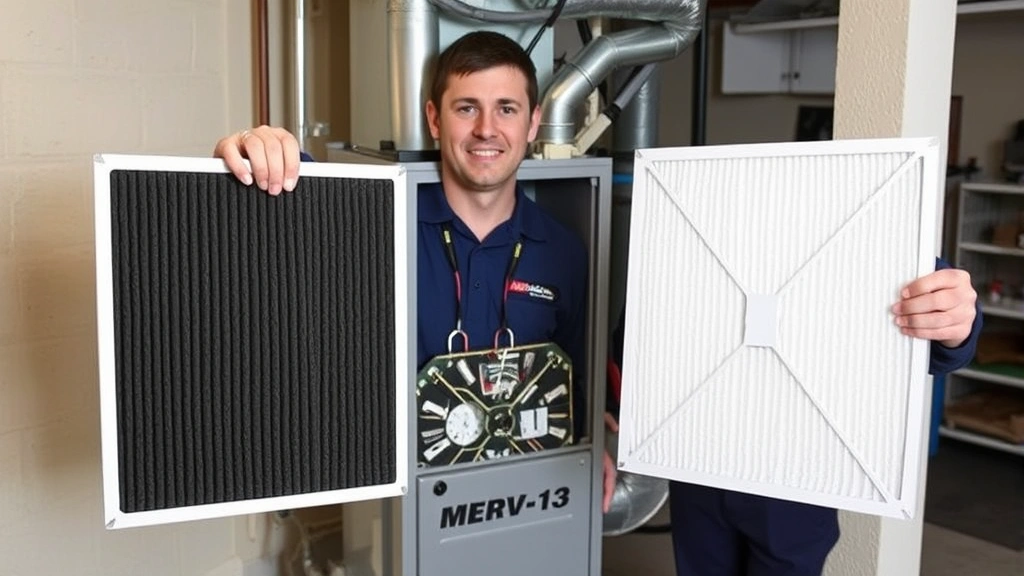
Replace your HVAC filter immediately, then every month for 3-4 months. Use MERV-13 or higher rated filters to capture finer smoke particles. Standard MERV-8 filters miss many odor-causing particles. This is one of the most cost-effective improvements you can make.
Ductwork Cleaning:
Professional duct cleaning removes smoke residue from inside air ducts. Call a licensed HVAC contractor for this service—DIY duct cleaning often causes more problems. They use specialized equipment to access and clean interior ductwork that you cannot reach. This is essential for severe smoke situations. Check Family Handyman’s HVAC maintenance tips for more information.
Odor-Eliminating Treatments:
Some HVAC contractors offer enzymatic treatments that break down odor molecules in ductwork. These are worth considering for stubborn cases. You can also place odor-absorbing materials near return air vents (not blocking airflow).
Advanced Odor Elimination Techniques
If standard methods aren’t fully eliminating smoke smell, try these advanced approaches:
Ozone Treatment
Ozone generators break down odor molecules through oxidation. However, ozone can damage rubber and electronics, and excessive ozone harms health. Use only in unoccupied spaces, following manufacturer instructions exactly. Many professionals avoid this method due to safety concerns—use only as a last resort. Always consult local building codes before using ozone treatment, as some jurisdictions restrict it.
Enzymatic Treatments
Enzyme-based products literally consume odor-causing compounds. Unlike masking agents, they eliminate the source. Spray throughout affected areas, on furniture, and in HVAC returns. These are pet-safe and effective for persistent odors. Allow proper drying time for best results.
Activated Charcoal Installation
Install activated charcoal filters in your HVAC system or place charcoal throughout rooms. Charcoal continuously absorbs odor molecules. Replace every 1-3 months depending on severity. This provides ongoing protection even after initial odor elimination.
Sealing and Repainting
For severe cases where smoke has deeply penetrated drywall, paint with odor-blocking primer before repainting. Kilz and BIN are popular brands that seal in odors. This prevents smoke smell from bleeding through fresh paint. Apply two coats for maximum effectiveness.
Prevention and Long-Term Solutions
Once you’ve eliminated smoke smell, prevent it from returning:
Source Control
If smoke originated from your home (fireplace, smoking, cooking), address the root cause. Clean fireplace chimneys annually. If someone smokes indoors, designate outdoor-only smoking areas. Ensure kitchen exhaust fans vent outside, not into attics. These preventive measures save tremendous effort later.
Air Quality Monitoring
Use air quality monitors to detect smoke early. Catching smoke problems immediately prevents deep penetration. Modern monitors alert you to indoor air quality issues before they become severe problems.
Regular HVAC Maintenance
Change filters monthly during heavy-use seasons. Schedule professional HVAC inspection annually. A well-maintained system prevents smoke circulation. This is similar to maintaining other home systems—consistent care prevents major problems. Review your preventive maintenance approach and apply the same philosophy to your home.
Ventilation Improvements
Install or upgrade exhaust fans in kitchens and bathrooms. Ensure they vent outside, not into attics. Consider installing a whole-house ventilation system in areas prone to smoke. Proper ventilation prevents odor accumulation.
Material Replacement Strategy
For severely affected items (carpet, upholstery), replacement may be more cost-effective than repeated cleaning. If smoke smell persists after thorough treatment, the material itself may be irreversibly saturated. Budget for replacement of the most affected items.
Getting smoke smell out requires systematic effort, but it’s absolutely achievable. Start with ventilation and absorption, move to deep cleaning, address your HVAC system, and employ advanced techniques if needed. Most homes respond well to this comprehensive approach within 2-4 weeks. The key is persistence—don’t give up after one treatment. Smoke smell removal is a process, not a quick fix, but the fresh-smelling home you’ll enjoy makes every effort worthwhile.
FAQ
How long does it take to get smoke smell out of a house?
Timeline depends on severity. Light smoke smell typically clears in 1-2 weeks with ventilation and cleaning. Moderate smoke requires 3-4 weeks of consistent treatment. Severe smoke from fires or years of smoking may take 2-3 months with professional help. Starting treatment immediately reduces timeline significantly.
What’s the fastest way to get smoke smell out?
Combine multiple methods simultaneously: maximize ventilation, place absorption materials everywhere, clean all surfaces, treat HVAC system, and wash textiles. Using one method alone is slow. The fastest approach tackles the problem from every angle at once.
Does baking soda really eliminate smoke smell?
Yes, baking soda absorbs odor molecules effectively. However, it only works on nearby odors—it won’t reach particles deep in walls or HVAC systems. Use baking soda as part of a comprehensive strategy, not as your only solution.
Can I paint over smoke smell?
Regular paint won’t eliminate smoke smell—it will eventually bleed through. Use odor-blocking primer (Kilz or BIN brand) before painting. This seals in odor molecules, preventing them from returning. Two coats of blocking primer is most effective.
Should I hire professionals to remove smoke smell?
For light to moderate smoke, DIY methods work well. For severe smoke from fires, professional duct cleaning and ozone treatment may be necessary. Get quotes from 2-3 companies. Professional help costs $300-2000+ but saves time and ensures thorough treatment in severe cases.
Will opening windows get rid of smoke smell?
Ventilation helps remove airborne particles but won’t eliminate embedded odor. It’s the first step, not the complete solution. You must combine ventilation with surface cleaning and absorption for full odor elimination.

Related Posts

Superscript in Google Docs: Expert Tips

Strikethrough in Excel: Easy Steps for Beginners
