Remove Rust from Cast Iron: Expert Tips Inside
Remove Rust from Cast Iron: Expert Tips Inside
Cast iron cookware has been a kitchen staple for generations, prized for its durability, heat retention, and ability to develop a natural non-stick patina over time. However, rust can quickly damage your beloved cast iron skillet, griddle, or Dutch oven if left untreated. Whether you’ve inherited a rusty vintage piece or accidentally left your cookware exposed to moisture, knowing how to get rust off cast iron is essential for restoring it to its former glory.
The good news is that removing rust from cast iron doesn’t require expensive chemicals or professional restoration services. With the right techniques, patience, and materials readily available in most homes, you can transform a heavily rusted piece into a fully functional cooking vessel. This comprehensive guide walks you through multiple proven methods, from gentle approaches for light surface rust to aggressive techniques for severe corrosion, ensuring your cast iron investment remains protected for decades to come.
Understanding Cast Iron Rust: Causes and Prevention
Before diving into removal techniques, it’s important to understand why cast iron rusts in the first place. Cast iron is an alloy containing iron, carbon, and other elements, making it naturally susceptible to oxidation when exposed to moisture and oxygen. The rust formation process—scientifically known as iron oxide—begins when water penetrates the protective seasoning layer and reacts with the bare metal underneath.
The primary culprits behind cast iron rust include improper storage in humid environments, washing with soap and water without immediate drying, leaving cookware wet after cooking, and storing cast iron without adequate seasoning. Even brief exposure to water can initiate the rust process if the protective oil layer has been compromised. Understanding these causes helps you implement prevention strategies that keep your cookware rust-free year-round.
Unlike other metals that develop a protective patina when oxidized, cast iron rust is destructive and will continue spreading if not addressed promptly. The porous nature of cast iron means rust can penetrate deeply into the surface, making early intervention crucial. Many cast iron enthusiasts keep their FixWiseHub Blog for detailed how-to guides handy to reference proper maintenance techniques.
Assessing Rust Severity: Light, Moderate, and Heavy Damage
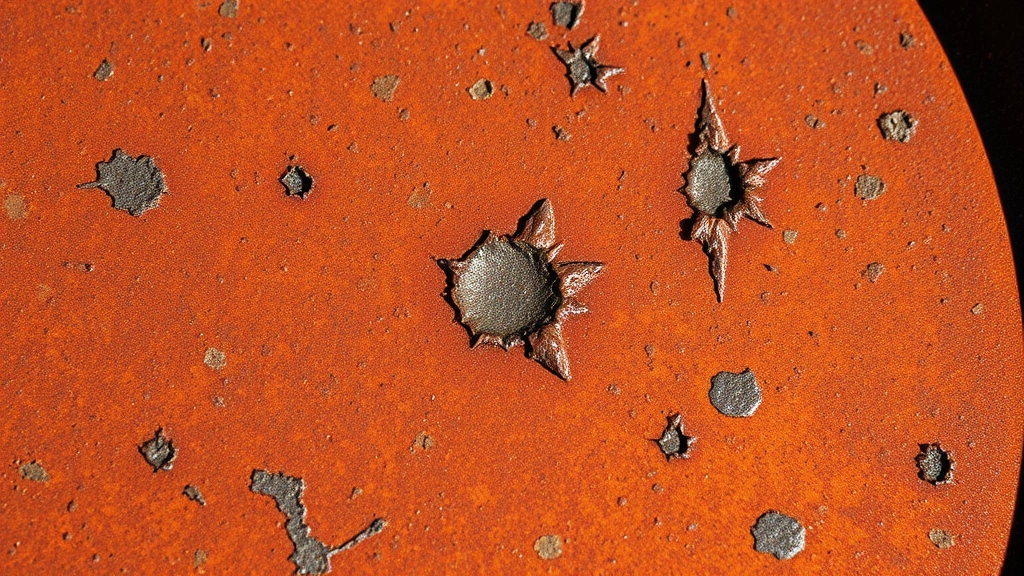
Not all rust requires the same treatment approach. Properly assessing the severity of rust on your cast iron determines which removal method will be most effective and efficient. Light surface rust appears as a thin orange or reddish coating that hasn’t penetrated deeply into the metal. This type of rust typically responds well to gentle cleaning methods and minimal scrubbing.
Moderate rust shows deeper discoloration with some pitting visible on the surface, where the metal has begun to flake away. This level of corrosion requires more aggressive scrubbing and longer treatment times with chemical solutions. The cast iron may feel rough and uneven in affected areas, and you might notice small pits when running your hand across the surface.
Heavy rust represents the most severe damage, characterized by thick layers of rust that have created significant pitting and surface damage. The cookware may feel crumbly or flaky, with rust penetrating multiple millimeters into the metal. Severely rusted cast iron requires the most intensive restoration efforts, often involving electrolysis or extended chemical treatments.
Method 1: The Vinegar Soak Technique
The vinegar soak method is one of the most popular approaches for removing rust from cast iron because it’s safe, non-toxic, and uses materials most people have at home. White vinegar contains acetic acid, which reacts with rust and breaks down the iron oxide layer without significantly damaging the underlying cast iron.
What You’ll Need:
- White vinegar (regular household strength)
- A container large enough to submerge your cookware
- Steel wool or a stiff-bristled brush
- Soft cloth or sponge
- Water for rinsing
Step-by-Step Process:
- Fill your container with white vinegar, ensuring the rusted cast iron can be completely submerged. If you don’t have a large enough container, you can soak the piece in sections or use a bathtub lined with plastic.
- Place the rusty cast iron into the vinegar and let it soak. For light surface rust, 1-2 hours may be sufficient. Moderate rust typically requires 4-8 hours, while heavy rust may need 12-24 hours or longer.
- Check the progress every few hours by removing the cookware and scrubbing with steel wool. You’ll notice the rust loosening and beginning to flake away.
- Once you can easily remove rust with minimal scrubbing, remove the cookware from the vinegar and scrub thoroughly with steel wool or a stiff brush to eliminate all remaining rust particles.
- Rinse the cast iron thoroughly with clean water and immediately dry it completely with a soft cloth. Any remaining moisture can quickly cause new rust to form.
- Baking soda
- Water
- A small bowl for mixing
- Steel wool or a soft-bristled brush
- Cloth for drying
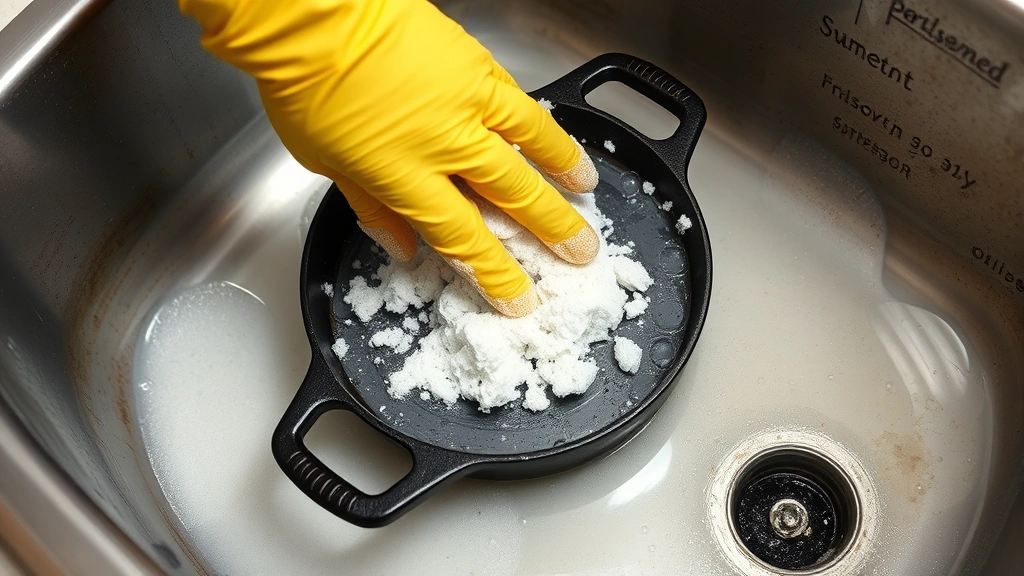
- Mix baking soda with water in a small bowl, adding water gradually until you achieve a thick paste consistency. The paste should be spreadable but not runny.
- Apply the paste generously to all rusted areas of the cast iron, working it into pits and crevices where rust tends to concentrate.
- Let the paste sit for 15-30 minutes, allowing the baking soda to work on breaking down the rust. For stubborn rust, you can leave it longer or reapply fresh paste.
- Using steel wool or a soft-bristled brush, scrub the rusted areas in circular motions. You’ll see the rust beginning to lift as the paste breaks it down.
- Rinse thoroughly with warm water and dry immediately with a clean cloth.
- Steel wool (medium or fine grade)
- A comfortable workspace
- Protective gloves (optional but recommended)
- Water for rinsing
- Cloth for drying
- Dampen the rusted cast iron slightly with water to help the steel wool glide smoothly across the surface.
- Using firm pressure, scrub the rusted areas in circular motions, working systematically across the entire piece. Don’t be afraid to apply significant pressure—cast iron is durable and can handle vigorous scrubbing.
- Periodically rinse the cookware to check your progress and remove loosened rust particles.
- Continue scrubbing until all visible rust has been removed and the cast iron surface feels smooth.
- Perform a final rinse with clean water and dry thoroughly with a soft cloth.
- A 12-volt battery charger (the kind used for cars)
- A plastic container large enough to hold your cookware
- Stainless steel or mild steel electrodes
- Washing soda (sodium carbonate—not baking soda)
- Water
- Jumper cables or electrical wires with alligator clips
- Fill the plastic container with water and dissolve washing soda into it, following package instructions for concentration. The solution should taste slightly salty when a tiny amount touches your tongue.
- Submerge the rusted cast iron in the solution, positioning it so it doesn’t touch the container walls or the electrodes.
- Place the stainless steel electrode on the opposite side of the container from the cast iron. This electrode should be larger than the cast iron piece if possible.
- Connect the negative terminal of your battery charger to the cast iron using a jumper cable with an alligator clip. Connect the positive terminal to the stainless steel electrode.
- Turn on the battery charger to a low setting (2-10 amps depending on rust severity) and let it run. You should see bubbles forming around the cast iron as the electrolysis process begins.
- Allow the process to continue for 4-12 hours depending on rust severity. Check progress periodically, but don’t interrupt the process unnecessarily.
- Once rust has been removed, turn off the charger, disconnect the cables, and remove the cast iron from the solution.
- Scrub any remaining rust particles with steel wool, rinse thoroughly, and dry immediately.
- Ensure your cast iron is completely clean and dry. Wash it with warm soapy water (yes, soap is fine after rust removal), rinse thoroughly, and dry with a cloth. Place it in a 200-degree oven for 15 minutes to ensure all moisture evaporates.
- Remove the cookware from the oven and let it cool slightly until you can handle it safely.
- Apply a very thin layer of high-smoke-point oil (vegetable oil, canola oil, or specialized cast iron seasoning oil) to the entire surface using a cloth. The key is using very little oil—excess oil will become sticky and gummy rather than creating a smooth seasoning layer.
- Using a clean cloth, buff away almost all visible oil until the cookware appears almost dry to the touch. This step is crucial for achieving a smooth, matte finish rather than a sticky surface.
- Place the oiled cookware upside down on the middle oven rack (with a baking sheet on the rack below to catch any drips) and heat to 450-500 degrees Fahrenheit for 1 hour.
- Turn off the oven and let the cast iron cool completely inside the oven, which typically takes 2-3 hours.
- Repeat this oiling and heating process 3-6 times for light seasoning or up to 15 times for a thick, durable protective layer.
- After cooking, wash your cast iron with hot water and minimal soap while it’s still warm. Use a soft sponge or cloth rather than abrasive scrubbers.
- Dry your cast iron immediately after washing using a cloth, then place it on the stovetop over low heat for a minute to ensure complete dryness.
- Apply a very thin layer of oil to the warm cookware after each use, buffing away excess. This maintains the seasoning layer and prevents moisture from reaching the metal.
- Never leave cast iron soaking in water or sitting wet in a sink. The longer moisture is in contact with the metal, the higher the rust risk.
- Store cast iron in a dry location, ideally at room temperature. Avoid humid environments like basements or areas near water sources.
- If you’re storing cast iron for extended periods, apply a heavier coat of oil before storage and wipe it down periodically to ensure the protective layer remains intact.
- Store cast iron with paper towels between stacked pieces to absorb any moisture and prevent condensation buildup.
- Keep cast iron away from areas with high humidity, such as near dishwashers, sinks, or in steamy kitchens.
One important consideration: vinegar can remove not only rust but also the existing seasoning on your cast iron. This means you’ll need to completely re-season the cookware after using the vinegar method. While this might seem like an extra step, it actually gives you an opportunity to build a fresh, protective layer.
Method 2: Baking Soda and Water Paste
For cast iron pieces with light to moderate rust, the baking soda paste method offers a gentler alternative to vinegar soaking. Baking soda is mildly abrasive and slightly alkaline, making it effective at removing rust without the extended soaking time required by other methods.
Materials Required:
Application Instructions:
The baking soda method is particularly useful when you’re dealing with rust on vintage cast iron that you want to preserve. It’s less likely to over-clean and remove the patina you want to keep, making it ideal for heirloom pieces. Many restoration experts recommend this method as a first attempt before moving to more aggressive techniques.
Method 3: Steel Wool and Elbow Grease
Sometimes the simplest approach is the most effective. For light surface rust or as a finishing step after using chemical methods, manual scrubbing with steel wool can completely restore your cast iron. This method requires physical effort but gives you direct control over how aggressively you’re treating the cookware.
What You’ll Need:
Scrubbing Technique:
The advantage of manual scrubbing is that you can work on one area at a time, making it ideal if you’re dealing with a large piece of cookware or if you only have rust in specific locations. This method also doesn’t require any chemical treatments, making it the safest option if you’re concerned about chemical residues on cooking surfaces.
Method 4: Electrolysis for Severe Rust
For cast iron with severe rust damage that hasn’t responded to other methods, electrolysis offers a powerful solution. This technique uses electrical current to break down rust at the molecular level without damaging the underlying metal. While it sounds complex, the process is actually quite straightforward and requires minimal equipment.
Equipment Needed:
Electrolysis Process:
Electrolysis is particularly effective because it removes rust without removing the base metal, and it doesn’t affect any existing seasoning you want to preserve. However, this method requires careful attention to safety and electrical connections. Always work in a well-ventilated area and follow all battery charger safety instructions.
Restoring the Seasoning After Rust Removal
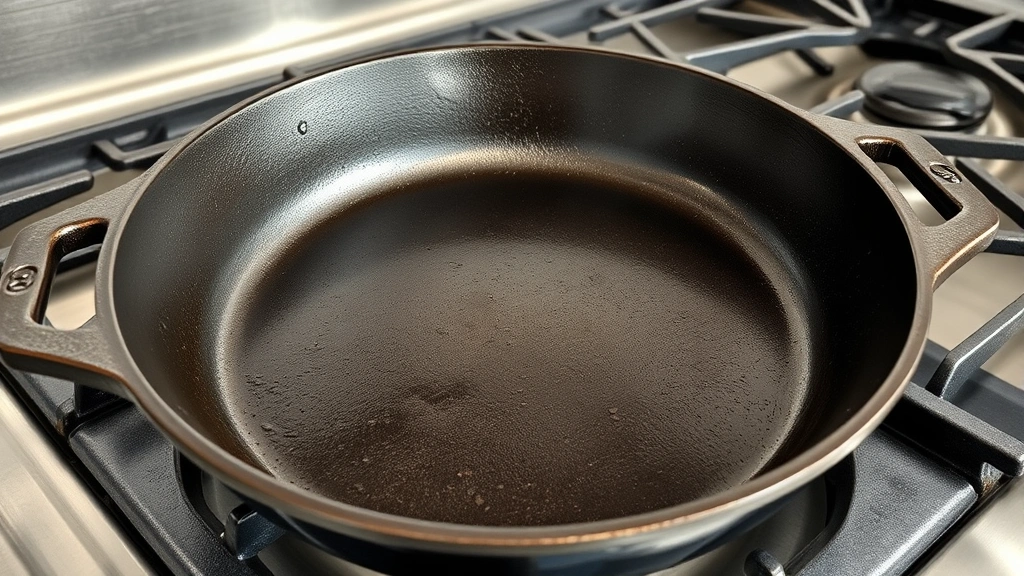
Once you’ve successfully removed rust from your cast iron, the next critical step is restoring the protective seasoning layer. Seasoning is the polymerized oil coating that prevents rust and provides the non-stick properties cast iron is famous for. Most rust removal methods will strip away existing seasoning, making this restoration essential.
Seasoning Process:
Building seasoning is a gradual process, but each layer adds to the durability and non-stick properties of your cast iron. Don’t expect perfection after one or two rounds—the best seasoning develops over months and years of regular cooking use combined with proper maintenance.
Prevention Strategies for Long-Term Protection
The best approach to cast iron rust is prevention in the first place. Once you’ve invested the time and effort to restore your cookware, implementing proper maintenance habits ensures it stays rust-free and functional for generations.
Daily Care Practices:
Long-Term Storage:
Many people find that regular cooking use is actually the best prevention—using your cast iron frequently keeps the seasoning layer strong and prevents moisture from settling on the surface. If you’re interested in additional home maintenance knowledge, check out our guide on fixing walls and other home improvement topics.
For comprehensive guidance on maintaining various household items, visit This Old House, which offers extensive resources on home maintenance and restoration. Similarly, Family Handyman provides detailed instructions for DIY projects and maintenance tasks.
Frequently Asked Questions
Can I use a wire brush drill attachment to remove rust from cast iron?
While wire brush drill attachments can remove rust quickly, they’re not ideal for cast iron because they can remove too much metal and create uneven surfaces. For best results, stick with hand-scrubbing using steel wool or gentler methods like vinegar soaking. If you do use a drill attachment, use a very light touch and frequently check your progress to avoid over-cleaning.
Is it safe to eat from cast iron that had rust?
Yes, once rust has been completely removed and the cast iron has been properly cleaned and seasoned, it’s completely safe to cook and eat from. Rust itself isn’t toxic in the small quantities that might be present, but removing it entirely eliminates any concern. The key is ensuring all rust particles are gone and the cookware is thoroughly rinsed before use.
How long does the vinegar method take to remove rust?
The vinegar method’s timeline depends on rust severity. Light surface rust may only need 1-2 hours, moderate rust typically requires 4-8 hours, and heavy rust can take 12-24 hours or longer. You should check progress every few hours and remove the cookware once rust begins lifting easily with minimal scrubbing.
What’s the difference between seasoning and rust?
Seasoning is a protective layer of polymerized oil that prevents rust and creates non-stick properties. Rust is oxidized iron that forms when bare metal is exposed to moisture and oxygen. Proper seasoning prevents rust by keeping moisture away from the underlying metal. If seasoning is damaged or removed, rust can form on the exposed metal beneath.
Can I use vinegar on cast iron with valuable seasoning I want to preserve?
No—vinegar will remove existing seasoning along with rust. If you have cast iron with seasoning you want to preserve, use gentler methods like baking soda paste or light steel wool scrubbing. These methods are less likely to strip away the patina and seasoning you want to keep, making them ideal for heirloom pieces or vintage cookware.
Is electrolysis better than vinegar for rust removal?
Electrolysis and vinegar are both effective, but they have different advantages. Electrolysis is more powerful and better for severe rust, and it’s less likely to damage existing seasoning. Vinegar is simpler, requires less equipment, and works well for light to moderate rust. Choose based on rust severity and whether you’re trying to preserve existing seasoning.
How often should I re-season my cast iron?
After removing rust and doing an initial seasoning restoration, maintain the layer through regular cooking and light oil application after each use. You don’t need formal re-seasoning sessions if you’re using your cast iron regularly. If it’s stored for long periods or if the seasoning wears thin, do a full seasoning cycle every 6-12 months.
What oil is best for seasoning cast iron?
High-smoke-point oils work best for seasoning cast iron. Good options include vegetable oil, canola oil, grapeseed oil, and avocado oil. Avoid butter, olive oil, or other low-smoke-point oils, which can become sticky or rancid. Many specialty cast iron seasoning oils are available, but basic vegetable oil works just as well at a fraction of the cost.

Related Posts
How to Redact a PDF? Expert Tips Inside

Recall Outlook Email? Expert Tips Revealed