Rid Your Home of Woodpeckers: Expert Tips
Rid Your Home of Woodpeckers: Expert Tips
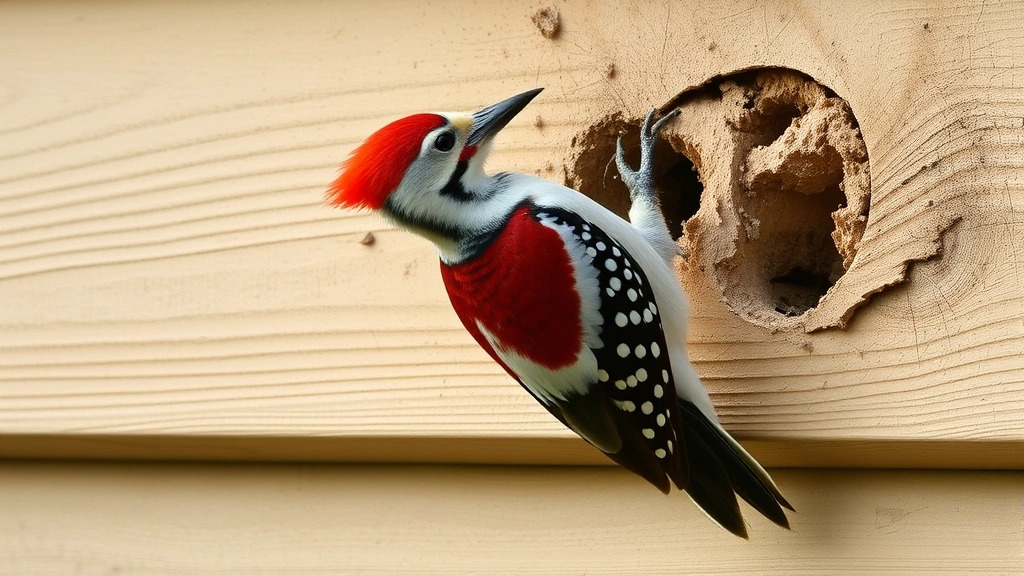
Woodpeckers are fascinating birds, but when they decide your home is their personal drumming surface, the constant pecking can drive you to frustration. These persistent creatures can cause significant damage to siding, fascia boards, and roof elements while creating an unbearable noise that disrupts your peace and quiet. Understanding how to get rid of woodpeckers requires a combination of deterrent strategies, physical barriers, and sometimes professional intervention.
The good news is that you have multiple effective options to reclaim your home from these determined birds. Unlike dealing with water bugs or springtails indoors, woodpecker removal focuses on external deterrence and prevention. This comprehensive guide covers everything from understanding why woodpeckers target your home to implementing long-term solutions that actually work.

Why Woodpeckers Target Your Home
Before implementing removal strategies, it’s essential to understand what attracts woodpeckers to your property in the first place. Woodpeckers peck for three primary reasons: finding food (insects), creating nesting cavities, or establishing territory through drumming. Your home becomes a target when it offers one or more of these attractions.
Many homes have wood siding, fascia boards, or cedar shake roofs that harbor insects like carpenter ants, bark beetles, and wood-boring insects. Woodpeckers have exceptional hearing and can detect these insects moving beneath the wood surface. When they find a food source, they’ll return repeatedly, creating increasingly larger holes. Additionally, older homes with deteriorating wood are particularly susceptible because insects thrive in damaged materials.
Drumming is a territorial and mating behavior where woodpeckers rapidly peck to create loud sounds that echo. They often choose resonant surfaces like metal gutters, downspouts, or wooden fascia boards. If your home has recently been painted or stained, the fresh wood smell might also attract curious woodpeckers investigating potential nesting sites.
Visual Deterrents and Scare Tactics
Visual deterrents are often the first line of defense in woodpecker removal. These methods work by creating an environment that feels unsafe or unwelcoming to the birds. The key to success is consistency and variation—woodpeckers are intelligent and will eventually recognize that stationary objects pose no real threat.
Reflective materials are highly effective because they disorient birds and create unpredictable flashes of light. Install reflective tape, aluminum foil strips, or old compact discs near problem areas. Hang them so they move freely in the wind, creating constant motion and reflection. Mylar balloons are another excellent option—their movement and shiny surface startle birds. Replace or reposition these every few weeks to maintain their effectiveness.
Predator decoys can deter woodpeckers by creating the impression of danger. Owl and hawk decoys are most effective, but you must move them frequently (every 3-4 days) so birds don’t realize they’re stationary. Predator kites that look like flying hawks are particularly successful because they maintain constant movement. Position decoys near the areas where woodpeckers are most active.
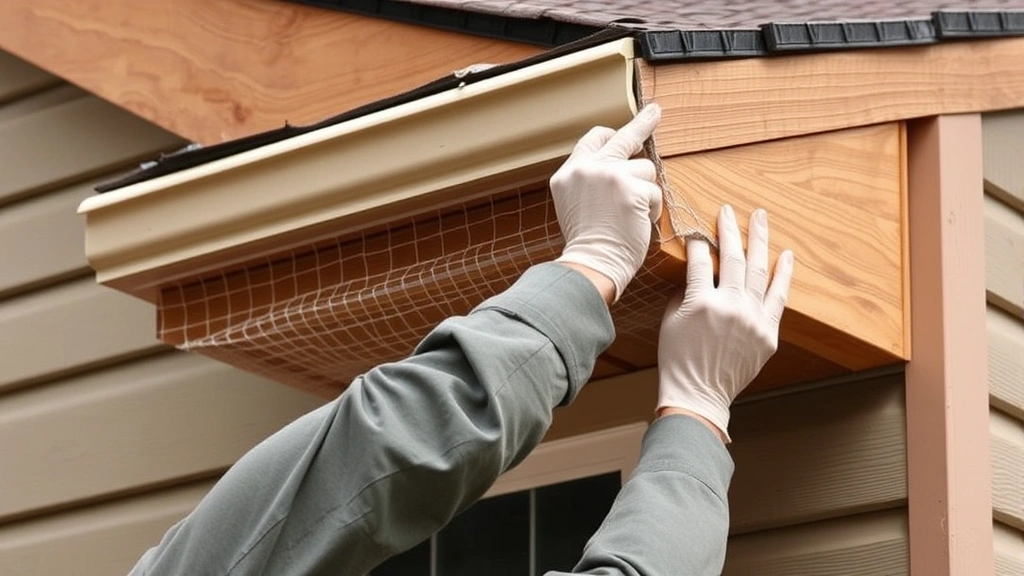
Netting is a physical visual deterrent that prevents birds from accessing specific areas. Install bird netting over vulnerable wood sections, but ensure it’s properly secured so birds don’t become tangled. Netting works best for targeted areas like the eaves or a specific section of siding rather than large expanses of your home.
Sound-Based Woodpecker Deterrents
Since woodpeckers communicate through sound, noise-based deterrents can be remarkably effective. These methods exploit the birds’ natural responses to alarm calls and threatening sounds.
Ultrasonic devices emit high-frequency sounds that are unpleasant to birds but inaudible to humans. These battery-operated or solar-powered units can be mounted near problem areas. While some homeowners report success, effectiveness varies depending on the specific device and bird population. Look for models that emit changing frequencies to prevent habituation.
Motion-activated noise makers produce loud sounds (like firecrackers or distress calls) when woodpeckers approach. These are more effective than continuous sound because the unpredictability startles birds. Install them near active pecking sites and adjust sensitivity so they don’t trigger constantly.
Recorded predator calls and distress signals can discourage woodpeckers from specific areas. Playing recordings of hawk calls or woodpecker distress calls through outdoor speakers creates an environment that feels dangerous. Use these intermittently rather than constantly to maintain effectiveness.
Wind chimes and bells create irregular noise that can deter some woodpeckers, though they’re less reliable than dedicated bird deterrent systems. They work best as part of a multi-method approach rather than as standalone solutions.
Physical Barriers and Exclusion Methods
Physical barriers are among the most reliable methods for preventing woodpecker damage. These solutions physically prevent birds from accessing vulnerable areas of your home.
Protective netting installation requires careful planning. Use quarter-inch mesh netting—small enough to exclude woodpeckers but not so small that it creates entanglement hazards. Secure netting at least three inches away from the wood surface so birds can’t peck through it. This gap is crucial because it prevents direct contact between the bird’s beak and your home’s exterior.
Hardware cloth provides a more permanent solution than netting. Install one-quarter-inch hardware cloth over vulnerable areas, securing it firmly with staples or screws. This metal mesh is visible but extremely durable and can last for years. It’s particularly useful for protecting specific problem areas like under eaves or around chimney bases.
Wooden or plastic guards can be installed around trees and posts that woodpeckers target. These cylindrical guards prevent birds from landing and pecking. They’re especially useful if you have dead trees or snags on your property that woodpeckers are using as drumming sites.
Caulking and sealing existing holes is essential. Use exterior-grade caulk to seal small holes and prevent water infiltration, which attracts insects. For larger holes, install wooden plugs or hardware cloth patches before caulking. This removes the food source (insects) that initially attracted the woodpeckers.
Remove Food Sources and Nesting Sites
Eliminating what attracts woodpeckers to your home in the first place is a critical long-term strategy. This approach addresses the root cause rather than just the symptoms.
Pest control for wood-boring insects is essential if your home has an insect infestation. Carpenter ants, bark beetles, and wood-boring beetles are primary food sources for woodpeckers. Contact a pest control professional to identify and treat infestations. Once the insects are gone, woodpeckers have no reason to target your home. This solution also protects your home’s structural integrity—a win-win situation. For related pest issues, check out our guide on getting rid of gnats quickly.
Remove dead trees and branches on your property. Woodpeckers are attracted to dead or dying trees because they’re easier to peck and often harbor insects. If a dead tree isn’t a safety hazard, you might leave it standing away from your home as a “sacrifice tree” to divert woodpecker attention. Otherwise, remove it entirely.
Repair damaged wood promptly. Woodpeckers target deteriorating wood more readily than healthy wood. Inspect your siding, fascia, soffit, and trim regularly. Replace rotted sections and repair water damage immediately. Paint or stain exposed wood to seal it and make it less attractive to insects.
Install cavity excluders to prevent woodpeckers from nesting in your home. One-inch wooden dowels or plastic plugs can be installed in existing holes to make them unsuitable for nesting. These should be installed flush with the surface so they’re not visible.
Repair Woodpecker Damage
Woodpecker damage ranges from cosmetic to structurally significant. Addressing damage promptly prevents further deterioration and discourages continued pecking at the same location.
Small holes and shallow damage can be repaired with exterior wood filler. Clean the hole of any loose wood or debris, apply the filler according to product instructions, sand smooth once dry, and paint or stain to match your home’s exterior. For detailed guidance on hole repair, see our comprehensive guide about fixing holes in walls—many techniques apply to exterior damage as well.
Larger holes and deep damage require more substantial repairs. Remove any loose wood, then install a wooden patch cut to size from matching wood species. Secure with exterior wood screws or galvanized nails, apply exterior wood filler to gaps, sand smooth, and finish with paint or stain. Ensure patches are flush with the surrounding surface.
Damaged fascia and soffit boards often need complete replacement rather than patching. These structural elements protect your home’s interior from weather damage. If woodpecker damage is extensive, replacement is the most reliable solution. This is an excellent opportunity to upgrade to materials less attractive to woodpeckers, such as metal fascia or fiber cement boards.
Roof damage requires immediate professional attention. If woodpeckers have damaged your roof shingles or created holes in the roof deck, water infiltration can cause serious structural damage. Contact a roofing contractor immediately to assess and repair damage.
When to Call a Professional
While many woodpecker problems can be managed through DIY methods, certain situations warrant professional intervention. Understanding when to call for help saves time, money, and frustration.
Extensive structural damage should be evaluated by a contractor or structural inspector. If woodpeckers have created numerous large holes or damaged load-bearing elements, professional assessment is essential. Structural damage can compromise your home’s integrity and safety.
Severe infestations of wood-boring insects require professional pest control services. Licensed pest control professionals can identify insect species, assess the extent of infestation, and implement effective treatment plans. This is especially important if you suspect carpenter ants or termites.
Unsuccessful DIY attempts lasting more than 2-3 weeks suggest that professional intervention might be necessary. Woodpecker behavior experts and wildlife removal specialists have advanced techniques and equipment that homeowners don’t. They can implement comprehensive strategies tailored to your specific situation.
Local regulations regarding bird removal vary by location. Some areas have specific laws protecting woodpeckers or restricting certain removal methods. A professional wildlife removal service understands local regulations and can ensure you’re operating legally. Before implementing any removal strategy, check with your local wildlife agency or U.S. Fish and Wildlife Service regarding regulations.
Professional wildlife removal companies can install sophisticated exclusion systems, implement integrated deterrent strategies, and provide warranties on their work. Many offer follow-up inspections to ensure woodpeckers don’t return. While professional services cost more than DIY methods, they often resolve problems faster and more completely.
FAQ
How do I know if woodpeckers are damaging my home or just drumming?
Drumming creates a rapid series of pecks (20+ per second) that produce loud noise but minimal damage. These are usually on resonant surfaces like metal. Feeding holes are typically small, round, and arranged in rows or clusters. Nesting holes are larger (1-1.5 inches) and appear as the woodpecker excavates a cavity. Look for wood chips or sawdust below the damaged area—this indicates active pecking.
What time of year are woodpeckers most active?
Woodpecker activity peaks in spring (March-May) during breeding season and again in early fall. Drumming is most intense in spring when males establish territories. Feeding activity occurs year-round but becomes more obvious when other food sources are scarce in fall and winter. Implementing deterrents before spring is ideal for prevention.
Are woodpeckers protected by law?
Yes, woodpeckers are protected under the Migratory Bird Treaty Act. You cannot kill or trap woodpeckers without a special permit. Exclusion and deterrent methods are legal in all states. If you need to trap and remove a woodpecker, you must contact your local wildlife agency to obtain necessary permits.
What’s the most effective woodpecker deterrent?
No single method works for all situations, but combining multiple approaches is most effective. Start with visual deterrents (netting or reflective materials), add sound deterrents (motion-activated noise makers), and address food sources (pest control). This integrated approach creates an environment so unwelcoming that woodpeckers move to easier targets.
How long does it take to get rid of woodpeckers?
Results vary depending on the method and woodpecker population. Visual and sound deterrents may show results within days, but complete resolution typically takes 2-4 weeks of consistent application. Addressing food sources and installing permanent exclusions provides long-term solutions but requires more time and investment upfront. Persistence is key—woodpeckers are determined, but proper methods will eventually convince them your home isn’t worth the effort.
Can I use poison or lethal traps to get rid of woodpeckers?
No, lethal methods are illegal for woodpeckers under federal law without specific permits that are rarely granted. Even if legal permits were available, lethal methods don’t address the underlying attractions that brought woodpeckers to your home. Other birds would simply take their place. Non-lethal deterrents and exclusion methods are both legal and more effective long-term solutions.
Will woodpeckers damage my home’s structure?
Most woodpecker damage is cosmetic or affects only the surface layer of wood. However, if insects attracted the woodpeckers in the first place, those insects can cause serious structural damage. Carpenter ants and wood-boring beetles can compromise structural integrity. Additionally, holes created by woodpeckers allow water infiltration, which leads to rot and mold. Addressing the problem quickly prevents cumulative damage.

Related Posts

How to Redact a PDF? Expert Tips Inside

Recall Outlook Email? Expert Tips Revealed