Eliminate Water Bugs: Expert Tips & Tricks
How to Get Rid of Water Bugs: Expert Tips & Tricks
Water bugs can quickly become a nightmare for homeowners, appearing in bathrooms, basements, kitchens, and anywhere moisture accumulates. These resilient pests are attracted to damp environments and can multiply rapidly if left unchecked. Unlike their dry-loving cousins, water bugs thrive near plumbing fixtures, gutters, and standing water, making them particularly challenging to eliminate without a comprehensive approach.
The good news is that getting rid of water bugs doesn’t require calling an expensive pest control service immediately. With the right knowledge, tools, and persistence, you can reclaim your home from these unwanted invaders. This guide covers proven methods to identify water bugs, eliminate existing infestations, and prevent future problems from taking root in your living spaces.
Understanding Water Bugs: What You’re Dealing With
Water bugs are large aquatic insects that belong to the family Belostomatidae, commonly known as giant water bugs or toe-biters. However, when homeowners mention “water bugs,” they’re often referring to cockroach species that prefer damp environments, particularly the American cockroach. These insects can reach up to two inches in length and are dark brown or reddish in color.
The confusion between true water bugs and water-loving cockroaches is common. True water bugs are primarily outdoor insects found in ponds and streams, while the “water bugs” invading homes are typically roaches seeking moisture. Regardless of the exact species, both are problematic and require swift action. These pests carry bacteria, contaminate food sources, and can trigger allergic reactions in sensitive individuals.
Water bugs are nocturnal creatures that hide during the day in cracks, crevices, and dark spaces near water sources. They’re incredibly fast and can survive for extended periods without food, though they require regular access to moisture. Understanding their behavior and preferences is crucial for developing an effective elimination strategy.
Identifying Water Bug Infestations
Before you can effectively eliminate water bugs, you need to confirm their presence. Look for these telltale signs of an infestation:
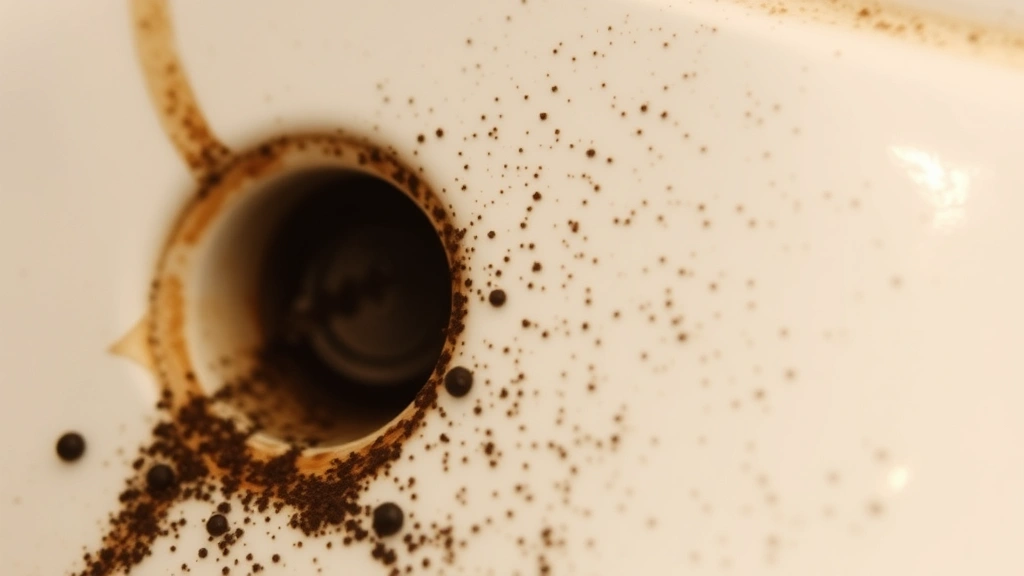
- Droppings: Small, dark, pepper-like feces found near water sources, baseboards, and under sinks
- Egg cases: Brown, oval-shaped capsules (oothecae) typically found in protected areas
- Shed skins: Empty exoskeletons left behind as bugs grow and molt
- Musty odor: A distinctive, unpleasant smell indicating a significant infestation
- Actual sightings: Spotting live bugs, especially at night or early morning
Pay special attention to bathrooms, kitchens, basements, crawl spaces, and areas around pipes and drains. Water bugs are attracted to moisture, so these high-humidity zones are prime real estate for infestations. Check behind appliances, under sinks, and along baseboards where water pipes run.
The severity of your infestation determines your approach. A few occasional bugs might require simple preventive measures, while widespread infestations demand aggressive intervention. Document what you find and where you find it—this information helps you target your treatment efforts effectively.
Eliminating Water Bugs: Step-by-Step Methods
Step 1: Remove Water Sources and Reduce Moisture
This is the most critical step in water bug elimination. These insects cannot survive without moisture, so eliminating water sources is your first line of defense. Start by identifying and fixing all leaks in your plumbing system. Check under sinks, around toilets, and behind washing machines. Even small drips create environments where water bugs flourish.
Use a dehumidifier in damp areas like basements and crawl spaces. Ensure bathrooms have adequate ventilation—run exhaust fans during and for 30 minutes after showers. Wipe down sinks and tubs before bed to eliminate standing water. Remove pet water bowls before retiring for the night, and don’t leave water in the bathroom sink or shower.
Step 2: Clean and Declutter Thoroughly
Water bugs hide in clutter and dark spaces. Remove stacks of newspapers, cardboard boxes, and unnecessary items from your home. Vacuum thoroughly, paying special attention to corners, baseboards, and under furniture. Clean behind appliances and inside cabinets, removing any organic debris that might attract or feed these pests.
Don’t forget to clean drains regularly. Pour boiling water down drains monthly to eliminate organic buildup where water bugs might hide or breed. For stubborn buildup, use a drain snake or plumbing auger. A clean home with minimal hiding spots discourages water bug colonization.
Step 3: Seal Cracks and Crevices
Water bugs exploit tiny openings to enter and hide. Use caulk to seal cracks around baseboards, window frames, and door frames. Pay special attention to areas where pipes enter walls. Inspect weatherstripping on doors and windows, replacing damaged sections. These simple sealing measures eliminate hiding places and entry points.
Step 4: Apply Targeted Treatments
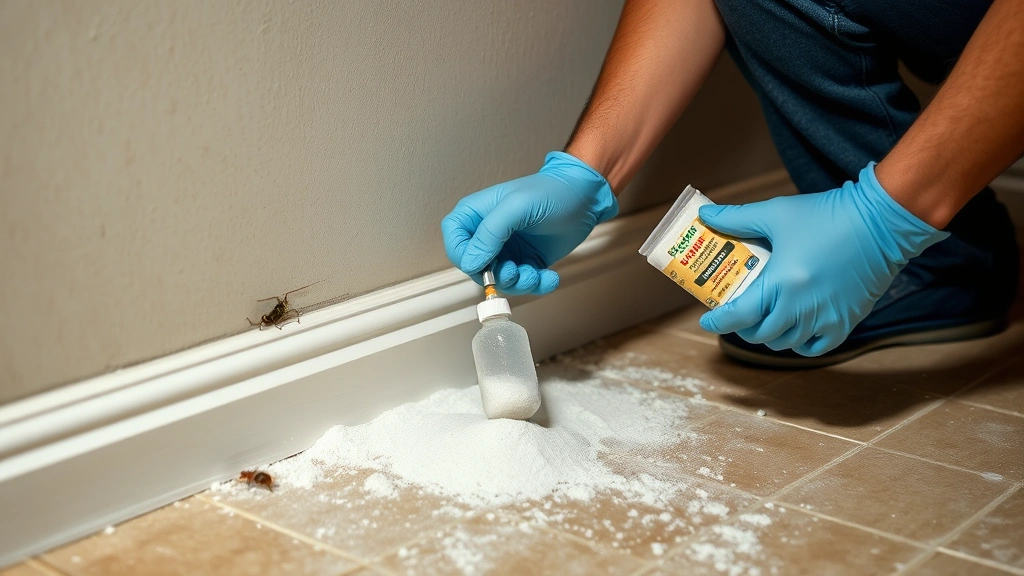
Once you’ve addressed moisture and hiding places, it’s time for direct action. Diatomaceous earth (DE) is a natural powder that damages water bugs’ exoskeletons, causing dehydration and death. Apply food-grade DE around baseboards, under sinks, and in other areas where you’ve spotted bugs. Reapply after vacuuming or if it gets wet.
Gel baits specifically designed for roaches and water bugs are highly effective. Place small dots of bait in corners, under sinks, and near suspected hiding areas. The bugs consume the poison and return to their colonies, spreading the toxin. Follow product instructions carefully and keep baits away from children and pets.
Step 5: Monitor and Repeat Treatments
Water bug elimination isn’t always a one-time fix. Continue monitoring for signs of activity. Set sticky traps in corners and along baseboards to catch stragglers and monitor effectiveness. Most infestations require multiple treatment applications spaced 7-10 days apart to break the reproduction cycle.
Natural and Chemical Solutions
Natural Remedies
If you prefer non-chemical approaches, several natural solutions show promise. Boric acid powder, when applied carefully away from children and pets, is lethal to water bugs. Mix equal parts boric acid and powdered sugar, then apply in thin lines along baseboards and under appliances. The sugar attracts bugs while the boric acid kills them.
Essential oils like peppermint, tea tree, and eucalyptus can repel water bugs. Mix 10-15 drops with water in a spray bottle and apply around problem areas. While not as effective as other methods, oils provide a pleasant-smelling deterrent and can complement your overall strategy.
Diatomaceous earth remains one of the most popular natural options. This fossilized algae product works mechanically rather than chemically, making it safe for households with children and pets when food-grade DE is used. Apply it as a thin layer in targeted areas—thick applications reduce effectiveness.
Chemical Treatments
Commercial insecticides offer faster, more potent results. Look for products containing pyrethrins or pyrethroids, which are effective against water bugs. Spray-based treatments work best for visible bugs and hard-to-reach areas. Always follow label instructions precisely, ensuring proper ventilation during application.
Aerosol foggers can treat entire rooms but require vacating your home for several hours. These work best for severe infestations in basements or crawl spaces. Never use foggers in kitchens or areas where food is prepared, and cover food and cooking surfaces before application.
For persistent problems, consider professional-grade products available at home improvement retailers. These often provide longer-lasting residual effects compared to consumer products. Whatever chemical you choose, use it as part of a comprehensive strategy that includes moisture control and sanitation.
Preventing Water Bugs From Returning
Prevention is always easier than elimination. Implement these strategies to keep water bugs from returning:
Maintain Proper Humidity Levels
Keep indoor humidity between 30-50 percent. Use air conditioning and dehumidifiers to maintain these levels, especially in basements and bathrooms. Humidity monitors are inexpensive and help you track progress. High humidity doesn’t just attract water bugs—it promotes mold growth and other moisture-related problems.
Fix Plumbing Leaks Immediately
Any water leak, no matter how small, creates an opportunity for water bug colonization. Inspect pipes regularly and address drips promptly. This also protects your home from water damage and mold. A small plumbing repair now prevents major infestations later.
Improve Drainage Around Your Home
Ensure gutters and downspouts direct water away from your foundation. Grade soil away from the house so water doesn’t accumulate near basement walls. Poor exterior drainage creates damp basements, perfect for water bug populations. This exterior work protects your entire home’s foundation and pest situation.
Regular Cleaning and Maintenance
Continue the deep cleaning habits you developed during elimination. Monthly vacuuming, regular drain cleaning, and decluttering prevent pest populations from establishing. These habits also help you spot new infestations early when they’re easiest to control.
Seal Entry Points
Continue monitoring and maintaining caulked areas. Reapply caulk where it’s cracked or deteriorated. Install door sweeps on exterior doors and repair damaged weatherstripping. These measures prevent water bugs from entering your home in the first place.
When to Call Professional Help
While DIY methods work for many infestations, some situations warrant professional pest control services. If you’ve implemented all recommended strategies for 4-6 weeks without improvement, it’s time to call experts. Severe infestations that cover multiple rooms or include visible egg cases may exceed DIY capabilities.
Professional pest control services offer advantages like access to restricted-use pesticides, expertise in identifying infestation sources, and warranties on their work. They can also address structural issues contributing to moisture problems. Services from reputable companies like This Old House recommendations or Family Handyman guides can connect you with quality providers.
If water bugs persist despite professional treatment, you may have an underlying moisture or structural issue requiring attention. In these cases, consider consulting a moisture specialist or structural engineer to identify and resolve the root cause. This comprehensive approach prevents recurrence and protects your home’s long-term health.
For related pest issues, learn more about how to get rid of German cockroaches, which share similar treatment approaches. You might also explore our FixWiseHub Blog for additional pest and home maintenance guides.
FAQ
How long does it take to get rid of water bugs?
Complete elimination typically takes 2-4 weeks with consistent treatment and moisture control. However, you may notice dramatic improvements within the first week. Persistence is crucial—continue treatments for the full recommended period even if you stop seeing bugs, as remaining eggs may hatch later.
Can water bugs bite or harm humans?
True water bugs (giant water bugs) can bite painfully if handled, earning their “toe-biter” nickname. Water-loving cockroaches don’t bite but can contaminate food and surfaces with bacteria. Both can trigger allergic reactions in sensitive individuals, particularly their feces and shed skin.
Are water bugs dangerous?
Water bugs aren’t typically dangerous, but they’re unsanitary. They carry bacteria like E. coli and salmonella, contaminating food preparation areas and surfaces. Their presence indicates moisture problems that can lead to mold growth and structural damage if left unaddressed.
Why do I keep getting water bugs?
Recurring water bug problems stem from unresolved moisture issues. If your home has persistent high humidity, plumbing leaks, or poor drainage, water bugs will keep returning. You must address these underlying conditions, not just treat the visible bugs.
What’s the difference between water bugs and cockroaches?
True water bugs are aquatic insects found in ponds and streams, while indoor “water bugs” are usually cockroach species that prefer damp environments. Both can infest homes, but their treatment approaches are similar. Regardless of the exact species, moisture control and sanitation are essential.
Is diatomaceous earth safe for pets?
Food-grade diatomaceous earth is safe for pets when applied in thin layers away from their eating and sleeping areas. Avoid inhaling the powder yourself, as it can irritate lungs. Always use food-grade, never pool-grade DE, which contains harmful chemicals.
Can I use bleach to kill water bugs?
Bleach kills water bugs on contact but doesn’t address the infestation or underlying moisture problems. It’s useful for disinfecting surfaces after you’ve eliminated bugs, but shouldn’t be your primary treatment method. Combine bleach cleaning with targeted pesticides and moisture control for best results.
How do I know if water bugs are gone?
You’ll know water bugs are gone when you stop finding droppings, shed skins, and egg cases, and sticky traps no longer catch any insects for 2-3 weeks. Continue monitoring for another month to ensure they don’t return. Maintaining low moisture levels and cleanliness prevents reinfestation.

Related Posts

Recall Outlook Email? Expert Tips Revealed

How to Read a Check? Easy Guide for Beginners