

Remove Wasp Nest Safely? Expert Tips Inside
How to Remove a Wasp Nest Safely: Expert Tips and Step-by-Step Guide
Discovering a wasp nest on your property can trigger immediate concern, especially if you have children or pets. Wasps are beneficial insects that control other pest populations, but their nests near homes, garages, or patios create genuine safety hazards. A single wasp can sting multiple times, and their aggressive defense behavior when their nest is threatened puts you at serious risk of painful stings or allergic reactions.
Understanding the safest removal methods—whether you tackle the job yourself or call professionals—is essential for protecting your family while handling this common home maintenance challenge. This comprehensive guide covers identification, timing, protective measures, and multiple removal techniques that actually work.
Why Wasps Build Nests Near Homes
Wasps select nesting locations based on three primary factors: shelter from weather, proximity to food sources, and protection from predators. Your home’s eaves, soffits, window frames, and porch ceilings provide ideal shelter. Garden areas, trash receptacles, and outdoor dining spaces offer abundant food sources. Understanding this behavior helps you implement effective prevention strategies for future nests.
Different wasp species build different nest types. Paper wasps construct open, umbrella-shaped gray nests with visible hexagonal cells. Bald-faced hornets (actually wasps) build large, gray, football-shaped paper nests. Yellow jackets often nest in wall cavities, attics, or underground burrows. Mud daubers create individual mud tubes rather than communal nests. Correctly identifying your nest type determines the safest removal approach.
The good news: most wasp species are non-aggressive unless their nest is directly threatened. They actively hunt mosquitoes, flies, and other annoying insects, making them valuable allies in your yard ecosystem. Removal only becomes necessary when nests pose safety risks or block access to frequently-used areas.
Safety First: Before You Start Removal
Never attempt wasp nest removal without proper protective equipment. Wasps can fly at speeds up to 35 miles per hour and will aggressively defend their nest when they sense vibrations or perceive threats. A single nest may contain 50 to 500 wasps depending on species and season, and each can sting repeatedly.
Essential protective gear includes:
- Full-body coverage: long sleeves, long pants, and closed-toe shoes (tuck pants into socks)
- Protective headgear: a beekeeper’s veil or head net that covers your entire face and neck
- Heavy gloves: thick leather or rubber gloves rated for insect protection
- Eye protection: safety glasses worn under your veil
- Respiratory protection: an N95 mask, especially when using insecticides
Wear light-colored clothing—wasps are more aggressive toward dark colors that resemble predators. Avoid perfumed soaps, lotions, or colognes that attract wasps. Never wear jewelry that might catch on netting or reflect light in ways that agitate insects.
Check weather conditions before starting. Wasp activity decreases during cool, overcast days and completely stops at night (below 50°F). Early morning or late evening removal is significantly safer than midday work. Avoid windy days that make it difficult to apply treatments accurately.
Inform your neighbors of your removal plans, especially if your property shares property lines. Ask household members to stay indoors during the process. Keep pets away from the removal area for at least 24 hours afterward.
Best Times to Remove Wasp Nests
Timing dramatically affects removal safety and success rates. Early spring (March-April) is ideal for nest removal because nests are newly constructed, contain fewer wasps, and haven’t yet reached peak population. A new nest might hold only 10-20 wasps, compared to 200+ in an established late-summer nest.
Early nests are also smaller and easier to treat. Removing nests before they become fully established prevents the problem from escalating. If you notice a nest beginning to form, address it immediately rather than waiting.
Late fall (October-November) presents another removal window. As temperatures drop and food becomes scarce, wasp populations naturally decline. Most workers abandon the nest, leaving only a few foragers. However, some species produce males and new queens that mate in fall, so proceed with caution if reproduction is occurring.
Avoid removal during mid-summer (June-August) when nests reach maximum population and wasp aggression peaks. This is the worst possible time for DIY removal, as you’ll face the largest, angriest wasp colonies.
Winter removal is safest but requires timing. Nests are abandoned and inactive, making removal a simple matter of taking them down without any insecticide treatment. However, some overwintering wasps may still be present in wall cavities or protected areas.
DIY Removal Methods That Work
Method 1: Insecticidal Spray Application
Commercial wasp and hornet sprays deliver fast knockdown and are effective for paper wasp nests. These aerosol products shoot 15-20 feet, allowing you to maintain safe distance. Choose products containing pyrethrin or permethrin, which are effective and relatively low-toxicity options.
Application steps:
- Wait until dusk (after 7 PM) when all wasps have returned to the nest
- Dress in full protective gear
- Approach the nest from the side or below, never directly underneath
- Spray the nest entrance and all visible surfaces for 15-20 seconds
- Continue spraying for another 10-15 seconds if wasps emerge
- Wait 24 hours before removing the nest to confirm all wasps are dead
- Use a stick or pole to knock the nest down from a safe distance
- Dispose of the nest in a sealed trash bag
- Spray any remaining residue or debris with insecticide
This method works best for paper wasp and bald-faced hornet nests. It’s less effective for underground yellow jacket nests or wall-cavity nests where you can’t reach all areas with spray.
Method 2: Dust Insecticide for Wall and Underground Nests
Diatomaceous earth or synthetic dust insecticides work well for nests inside walls, attics, or underground burrows. These products cling to insects’ exoskeletons and cause dehydration.
Application process:
- Identify the nest entrance point
- Apply dust directly into the opening using a duster applicator (available at hardware stores)
- Wear respiratory protection when applying dust
- Apply dust in early morning or late evening
- Reapply after 7-10 days if wasp activity continues
- Once nests are confirmed dead, seal the entrance with caulk or foam to prevent reinfestation
Dust insecticides work slowly (2-7 days) but thoroughly reach all nest areas. This makes them ideal for hard-to-access locations where spray can’t penetrate.
Method 3: Boiling Water Treatment
For ground-nesting yellow jackets or bald-faced hornets, boiling water offers a chemical-free option. Heat kills insects instantly through thermal shock.
Safe application:
- Boil a large pot of water (2-3 gallons minimum)
- Wait until dusk when wasps have returned
- Carefully approach the nest entrance
- Pour boiling water directly into the opening, working quickly
- Immediately retreat to a safe distance
- Some wasps may emerge—maintain your protective distance
- Repeat if necessary after 24 hours
This method works only for accessible ground nests. It’s not suitable for aerial nests or nests in structures. Boiling water can also damage vegetation and soil, so be mindful of where you pour.
Method 4: Soap and Water Solution
A simple mixture of dish soap and water can effectively kill wasps by clogging their breathing spiracles. This natural option works best for smaller nests.
Recipe and application:
- Mix 1 tablespoon of dish soap per quart of water in a spray bottle
- Apply directly to nest and wasps at dusk
- Spray thoroughly until nest is saturated
- Reapply daily for 2-3 days until all activity ceases
- This method is slower than commercial sprays but safer around children and pets
Soap solution works best on paper wasp nests where you can saturate the structure. It’s less effective on enclosed nests where wasps can hide from the spray.
When to Call Professional Pest Control
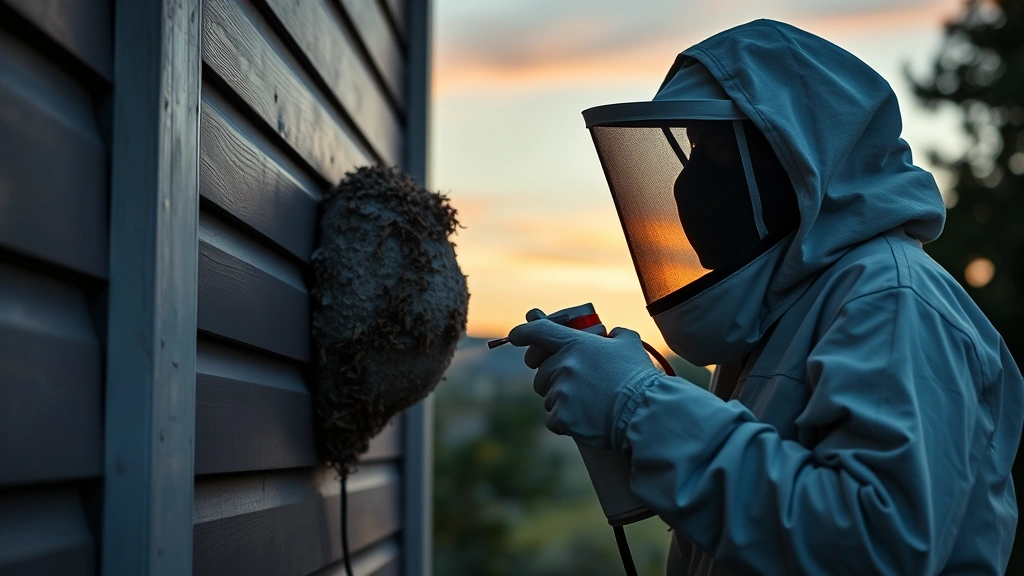
Professional pest control becomes necessary in several situations. If the nest is in an inaccessible location (high on a roof, inside a wall cavity, or in a chimney), professionals have equipment and expertise to reach it safely. If you’re allergic to wasp stings, professional removal eliminates personal risk.
Large nests (larger than a basketball) contain hundreds of wasps and present extreme danger for DIY removal. Multiple nests on your property suggest a serious infestation requiring professional treatment. If the nest is near a bedroom window, child’s play area, or pet area, the risk-benefit analysis favors professional help.
Professional pest control services typically cost $300-$500 per nest, depending on location, size, and accessibility. This investment is worth it when DIY attempts have failed or when safety concerns are significant. Most professionals guarantee their work and will return if wasps reappear within a specified period.
Licensed pest control operators have access to professional-grade insecticides more potent than consumer products. They understand local building codes and can safely treat nests in occupied structures. Many also provide follow-up inspections and prevention recommendations.
Before hiring, verify that your pest control provider is licensed and insured. Ask about their specific experience with your wasp species. Request written estimates and ask about guarantees. Check online reviews and ask for references from recent customers.
Prevention Strategies for Future Nests
Once you’ve successfully removed a nest, preventing new ones from forming protects your family and saves you from repeating this dangerous task. Prevention focuses on eliminating nesting sites and reducing attractants.
Eliminate nesting sites:
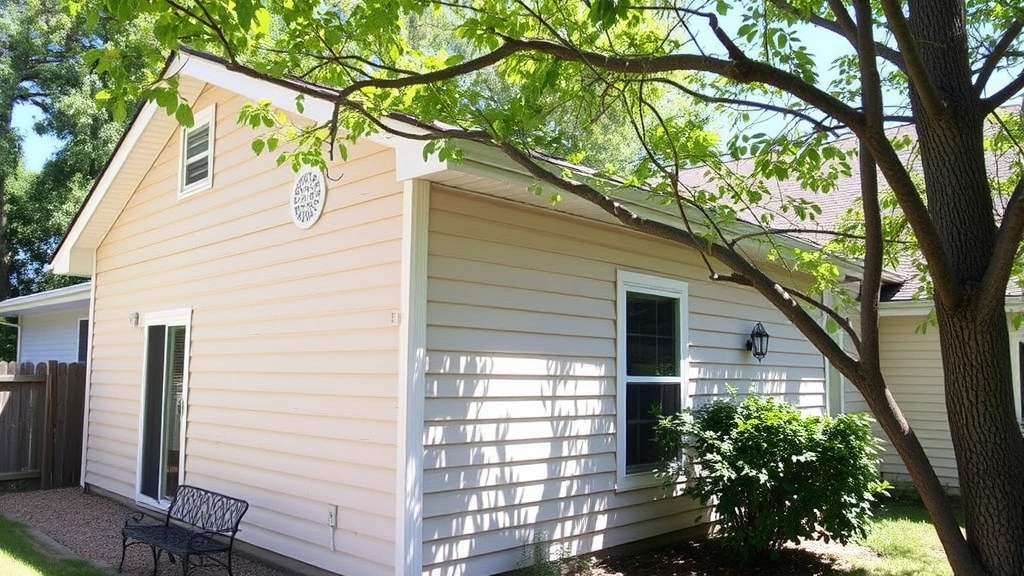
- Trim tree branches and vegetation away from your house by at least 6-8 feet
- Seal cracks and gaps in siding, fascia, and soffits with caulk or foam sealant
- Install screens over vents, chimneys, and openings
- Remove or cover unused items stored on porches or in garages
- Keep gutters clean and ensure proper water drainage
- Paint or stain wood surfaces to make them less attractive for nest building
Reduce food and water attractants:
- Keep trash cans sealed and away from living areas
- Clean up fallen fruit from trees promptly
- Cover outdoor food and drinks during meals
- Remove standing water from bird baths, gutters, and low spots
- Keep pet food indoors or clean up uneaten portions immediately
- Avoid leaving sweet drinks or sugary foods outside
Install deterrents:
- Hang fake wasp nests (wasps are territorial and avoid areas with existing nests)
- Install yellow jacket traps away from living areas in late summer
- Use citronella candles or smoke during outdoor gatherings (though effectiveness is limited)
- Plant wasp-repelling plants like mint, clove, and lemongrass near seating areas
Regular inspection of your property during spring and early summer catches new nests before they become established. Walking around your home every 2-3 weeks in April and May allows you to spot paper wasp nests when they’re small and manageable. Early detection often means you can remove a nest with minimal risk.
If you’re looking for guidance on other home maintenance tasks, our FixWise Hub Blog features comprehensive how-to guides and tutorials covering everything from pest management to home repairs.
FAQ
Is it safe to remove a wasp nest myself?
DIY removal can be safe if you follow proper precautions: wear complete protective gear, choose the right timing (dusk or early morning), use appropriate removal methods for your nest type, and never rush the process. However, if you’re allergic, the nest is large, or it’s in an inaccessible location, professional removal is safer and worth the investment.
What’s the best time of day to remove a wasp nest?
Late evening (after 7 PM) or early morning (before 8 AM) are ideal because wasp activity is minimal and most insects have returned to the nest. Avoid midday removal when wasps are actively foraging and more aggressive. Temperatures below 50°F also reduce wasp activity significantly.
Can I remove a wasp nest in winter?
Yes, winter is actually the safest removal time. Nests are abandoned and no longer contain active wasps. Simply knock the nest down and dispose of it without any insecticide treatment. However, check for overwintering wasps in protected areas like wall cavities before assuming the nest is completely empty.
How long does it take for wasps to abandon a treated nest?
Commercial insecticide sprays kill wasps within minutes of contact. However, it’s wise to wait 24 hours before removing the nest to ensure all wasps are dead and any stragglers have expired. Dust insecticides work more slowly (2-7 days), so wait longer before nest removal with these products.
Will wasps rebuild their nest in the same location?
Wasps may attempt to rebuild in the same spot, especially if you only remove the nest without treating the area. After removal, spray the area with insecticide or apply residual pesticide to prevent rebuilding. Sealing cracks and gaps also discourages new nest construction.
Are paper wasp nests dangerous?
Paper wasp nests themselves aren’t dangerous, but paper wasps are aggressive defenders of their nests. They’ll sting repeatedly if they feel threatened. Nests near doors, windows, or play areas pose safety risks and should be removed. Nests in remote areas of your property can often be left alone.
What should I do if I get stung?
Remove yourself from the area immediately to avoid more stings. Wash the sting area with soap and water. Apply ice for 10-15 minutes to reduce swelling. Over-the-counter antihistamines and hydrocortisone cream help with itching. Seek medical attention if you experience severe swelling, difficulty breathing, or signs of allergic reaction.
Can I use a vacuum to remove a wasp nest?
This method is dangerous and not recommended. Vacuuming can agitate wasps, causing them to sting, and the mechanical disturbance may damage the vacuum. Wasps can sometimes escape from the vacuum or crawl back out. Stick with proven removal methods like insecticide spray or professional removal.

Related Posts

Superscript in Google Docs: Expert Tips

Strikethrough in Excel: Easy Steps for Beginners
