
Tame Static Hair: Expert Tips and Tricks
Tame Static Hair: Expert Tips and Tricks
Static hair can be frustrating, especially during dry seasons or after wearing certain fabrics. That frizzy, flyaway look undermines even the most carefully styled hairdo, leaving you reaching for solutions at the worst possible moments. Whether you’re dealing with the aftermath of removing a winter hat or the general chaos of humidity changes, static electricity in your hair is a common problem that affects millions of people daily.
The good news is that learning how to get rid of static in hair doesn’t require expensive salon treatments or chemical-laden products. With the right techniques and understanding of what causes static buildup, you can maintain smooth, manageable hair year-round. This comprehensive guide walks you through proven methods, from quick fixes to long-term prevention strategies that work in any climate or hair type.
Understanding Static Electricity in Hair
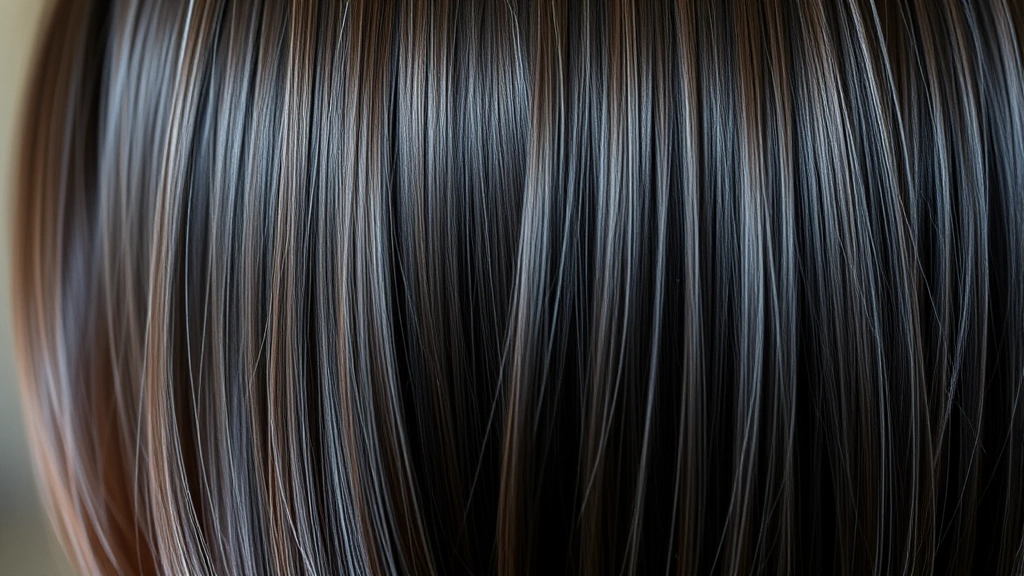
Static electricity occurs when electrons build up on your hair shaft, causing strands to repel each other and create that characteristic flyaway appearance. This happens because hair is an excellent conductor of electrical charges, particularly when it’s dry or damaged. When two materials with different electrical properties come into contact—like your hair and a wool sweater—electrons transfer from one surface to another, creating an imbalance that manifests as visible frizz.
Humidity plays a crucial role in static management. During dry months, moisture levels in the air drop significantly, and your hair loses its natural moisture content. This dryness increases your hair’s electrical resistance, making it more susceptible to static buildup. Conversely, humid environments actually help dissipate electrical charges because moisture in the air provides a pathway for electrons to escape from your hair, preventing accumulation.
Your hair type matters considerably when dealing with static issues. Fine, thin, or curly hair tends to experience more static problems because these hair types have less weight to hold strands down, and curly hair has more surface area where charges can accumulate. Additionally, hair that’s been chemically treated, color-processed, or frequently heat-styled becomes more porous and prone to moisture loss, increasing static susceptibility. Understanding these fundamentals helps you select the most effective solutions for your specific situation.
[IMAGE_1]
Quick Fixes for Immediate Relief
When you need instant static reduction, several household items provide immediate solutions. A fabric softener sheet is perhaps the quickest fix—simply run it gently over your hair, or toss one in your bag for touchups throughout the day. The conditioning agents in dryer sheets coat your hair shaft and neutralize static charges effectively. For a similar effect without dryer sheets, try wiping your hair with a moisturized hand lotion or hand cream, using light, downward strokes from roots to ends.
Water remains one of the most accessible static fighters. Keep a spray bottle filled with water and a few drops of leave-in conditioner for quick misting throughout the day. A light spritz instantly rehydrates your hair and provides moisture that dissipates electrical charges. You can also dampen your hands slightly and smooth them over your hair for immediate frizz control. This method works particularly well before important meetings or events when you need fast results.
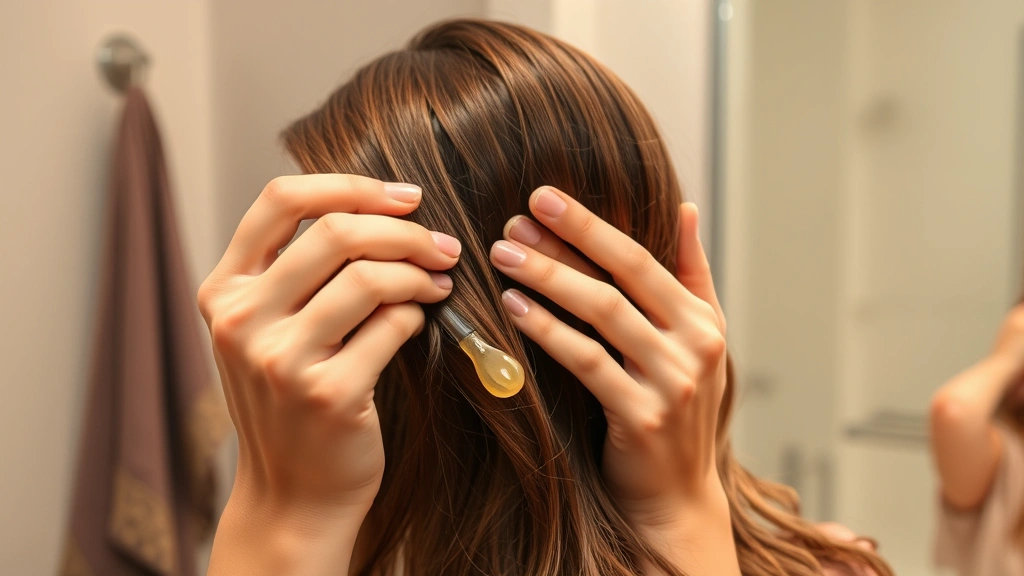
Hair serums and anti-frizz sprays designed for static control offer professional-grade solutions that fit in your purse or desk drawer. These products typically contain silicones or natural oils that coat the hair shaft, preventing static buildup while adding shine and smoothness. Apply these products sparingly to avoid making your hair look greasy—focus on the mid-lengths and ends where static tends to concentrate.
Static electricity in your hair can also be managed by adjusting your styling tools. If you’ve just finished blow-drying, finish with a cool shot to seal the hair cuticle and lock in moisture. This simple step dramatically reduces static formation. Additionally, switch from plastic combs and brushes to wooden or ionic versions, which don’t generate as much static charge during styling.
Long-Term Prevention Strategies
Preventing static from developing in the first place proves far more effective than treating it after the fact. Start by evaluating your hair washing routine. Shampoos strip away natural oils that protect your hair and help it resist static. Consider washing your hair less frequently—three to four times weekly instead of daily—to allow natural oils to accumulate. When you do wash, use a gentle, sulfate-free shampoo that cleanses without over-drying.
Deep conditioning treatments should become a weekly habit if you struggle with static. These intensive treatments penetrate the hair shaft, restoring moisture and strengthening the structure that makes hair more resistant to electrical charges. Leave-in conditioners provide ongoing protection throughout the day and week, continuously depositing hydrating ingredients into your hair. Invest in quality conditioners—they’re not luxury items but essential maintenance tools for static prevention.
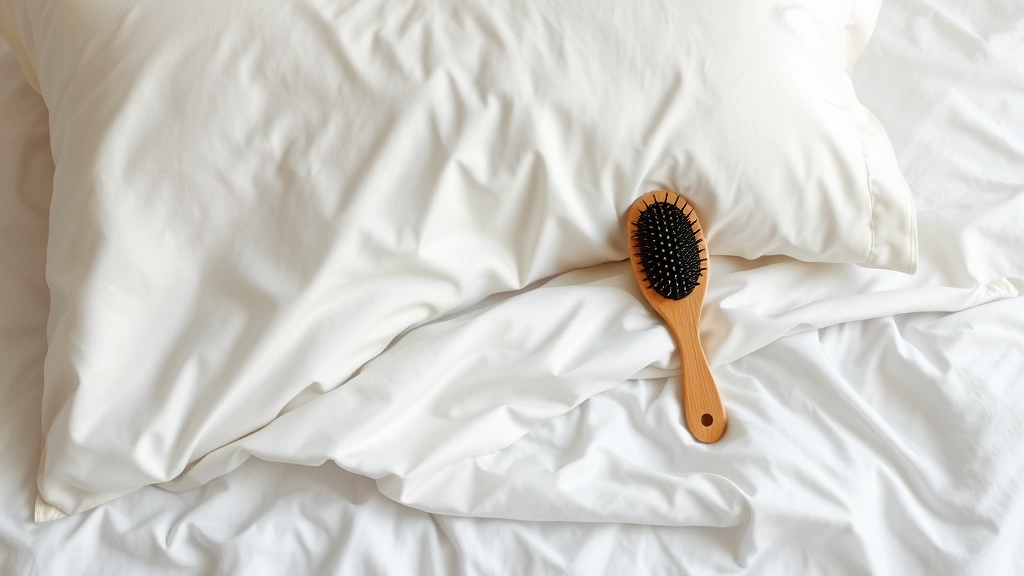
Your pillowcase choice impacts static more than most people realize. Cotton pillowcases create friction that generates static charges as you sleep, while silk or satin pillowcases minimize friction and allow your hair to glide smoothly without charge buildup. This single switch often produces noticeable improvements within days. Silk also helps maintain moisture in your hair overnight, providing the hydration foundation that resists static formation.
Humidify your environment, especially during winter months when heating systems dry out indoor air. A room humidifier adds moisture to the atmosphere, which helps prevent your hair from losing hydration and becoming static-prone. Even placing bowls of water near radiators or using a plant mister to spray your room occasionally can raise humidity levels sufficiently to reduce static problems. If you work in an air-conditioned office, this environmental control becomes particularly important.
Hair Care Products That Combat Static
Selecting the right hair care products creates the foundation for static-free hair. Look for formulas containing hydrating ingredients like argan oil, coconut oil, keratin, or hyaluronic acid. These components penetrate the hair shaft, restoring moisture that prevents static buildup. Anti-frizz serums specifically formulated to combat static typically contain silicones or natural oils that coat each strand, creating a barrier against electrical charges.
Leave-in conditioners deserve special attention in your static-fighting arsenal. Unlike rinse-out conditioners that wash away, leave-in formulas remain on your hair throughout the day, continuously providing moisture and anti-static protection. Apply these products to damp hair immediately after showering, focusing on the mid-lengths and ends. Many leave-in conditioners also contain UV protection, providing dual benefits for hair health.
Ionic hair dryers represent a worthwhile investment for static reduction. These devices emit negative ions that neutralize positive charges in your hair, reducing frizz and static significantly. While more expensive than standard dryers, ionic models often include other beneficial features like ceramic technology that distributes heat evenly, reducing damage that makes hair more susceptible to static. When combined with a cool shot at the end of styling, ionic dryers provide professional-grade static control.
Hair oils and serums provide concentrated anti-static benefits when applied correctly. A single drop of argan oil or similar product rubbed between your palms and smoothed over your hair adds shine while preventing static. Start with minimal amounts—these products are concentrated, and applying too much makes hair look greasy rather than glossy. Apply oils primarily to the ends and mid-lengths, avoiding the scalp area unless your hair is extremely dry.
Consider products specifically labeled as humidity-resistant or frizz-control formulas. These are engineered to maintain static protection even in challenging environments. Many include humectants—ingredients that attract and hold moisture—combined with protective polymers that create a smooth surface on each hair strand, making it harder for static charges to accumulate.
Environmental Factors and Solutions
Seasonal changes dramatically affect static hair, with winter presenting the greatest challenges. Cold outdoor temperatures combined with heated indoor environments create extremely dry conditions that perfect for static buildup. During winter months, increase your moisturizing treatments and consider protective hairstyles that minimize exposure to dry air. Wearing hats indoors less frequently also helps, as the friction between your hair and hat fabric generates static charges.
Clothing choices influence static formation more than many people realize. Wool sweaters, polyester fabrics, and synthetic materials generate significant static charges when they contact your hair. If you’re particularly prone to static, prioritize cotton and natural fiber clothing, especially items worn near your head and neck. This simple wardrobe adjustment, combined with other static-fighting strategies, can dramatically reduce problems.
Air conditioning and heating systems actively work against static prevention by removing moisture from the air. If you spend significant time in these environments, use a humidifier in your workspace or bedroom. Even a small desktop humidifier makes noticeable differences in hair health and static reduction. Alternatively, place containers of water near heat sources—as water evaporates, it increases ambient humidity naturally.
Travel presents unique static challenges due to airplane cabins, hotel environments, and changing humidity levels. Pack a travel-size leave-in conditioner, anti-frizz serum, and fabric softener sheets for convenient static management on the go. Keep your hair in protective styles like braids or buns during flights, minimizing exposure to the extremely dry cabin air. These precautions help maintain smooth, static-free hair regardless of your destination.
Styling Techniques to Minimize Frizz
Your styling approach significantly impacts static formation. Begin with damp rather than soaking wet hair, as extremely wet hair requires more heat during blow-drying, which can damage hair and increase static susceptibility. Apply leave-in conditioner or anti-frizz product to damp hair before styling—this hydrates your hair and provides a protective barrier against static charges.
Blow-drying technique matters considerably. Use a lower heat setting and higher speed setting rather than high heat, which damages hair and makes it more prone to static. Always direct airflow downward along the hair shaft to smooth the cuticle and prevent flyaways. Finish with a cool shot of air to seal the cuticle and lock in moisture, significantly reducing static formation.
Brushing and combing practices influence static generation. Use wooden or ionic brushes rather than plastic, which generates more static through friction. Brush hair gently, particularly when dry, as aggressive brushing creates friction that charges your hair. Consider using a paddle brush or wide-tooth comb, which minimizes friction compared to fine-tooth combs. Brushing slightly damp hair rather than completely dry hair also reduces static generation.
Protective hairstyles offer excellent static prevention during challenging conditions. Braids, buns, and ponytails minimize the surface area exposed to air and friction, reducing static accumulation. These styles also keep your hair contained so flyaways are less noticeable even if some static does develop. Loose braids or low buns provide protection without the tension that can damage hair and increase future static problems.
Finishing products deserve careful consideration. While hairspray holds your style, many formulas contain ingredients that can increase static. Look for anti-frizz or humidity-resistant hairsprays specifically designed to combat static. Apply these products sparingly—excessive product buildup can make problems worse rather than better. Sometimes the best finish is simply a light misting of water mixed with a drop of leave-in conditioner.
For individuals managing how to get rid of static in hair while also dealing with static in clothes, understanding that solutions often overlap proves helpful. The same humidity management and moisture-based approaches that reduce static in your hair also minimize static in your wardrobe. Learn more about getting rid of static in clothes for comprehensive household static management strategies.
FAQ
What causes static hair to happen?
Static hair results from electron buildup on your hair shaft, typically caused by dry conditions, friction from clothing or styling tools, or low humidity levels. When moisture evaporates from your hair, it becomes a better electrical conductor, allowing charges to accumulate and causing strands to repel each other, creating the characteristic frizzy appearance.
How can I stop static hair immediately?
For immediate relief, use a fabric softener sheet, spray your hair lightly with water mixed with leave-in conditioner, apply a small amount of hand lotion, or use an anti-frizz serum. These quick fixes work within seconds and are perfect for emergency touchups before meetings or events. Keep these items accessible for convenient static management throughout your day.
Is static hair bad for your hair?
Static itself doesn’t damage hair, but the friction and handling involved in managing static can cause breakage if done roughly. Additionally, the dry conditions that cause static often indicate moisture-deprived hair that’s more susceptible to damage from heat styling and environmental stressors. Addressing static through proper hydration and care actually improves overall hair health.
Can humidity help with static hair?
Yes, humidity significantly helps reduce static hair. Moisture in the air provides a pathway for electrical charges to dissipate, preventing accumulation on your hair. This is why static problems worsen during dry winter months and improve during humid summer weather. Using a humidifier indoors during dry seasons effectively recreates these beneficial humidity conditions.
What’s the best product for static hair?
The best anti-static products depend on your hair type and preferences. Generally, leave-in conditioners and anti-frizz serums containing hydrating oils provide excellent results. Ionic hair dryers offer professional-grade static reduction during styling. For quick fixes, fabric softener sheets and hand lotions work remarkably well. Experiment with different products to find what works best for your specific hair type and lifestyle.
Should I use a different shampoo for static hair?
Yes, switching to sulfate-free, moisturizing shampoos helps reduce static. Sulfate-based shampoos strip natural oils that protect your hair and help it resist static charges. Additionally, consider washing your hair less frequently to allow protective natural oils to accumulate. When combined with deep conditioning treatments, a gentler shampoo routine significantly reduces static problems.
How does fabric choice affect hair static?
Certain fabrics like wool and polyester generate static charges through friction when they contact your hair. Natural fibers like cotton produce less static. Choosing clothing made from natural materials, especially items worn near your head and neck, reduces static generation. This simple wardrobe adjustment, particularly during winter months, produces noticeable improvements in hair static management.
Can silk pillowcases really reduce static?
Absolutely. Silk pillowcases create minimal friction compared to cotton, dramatically reducing static buildup during sleep. Additionally, silk helps your hair retain moisture overnight, providing the hydration foundation that resists static formation. Many people notice significant static reduction within days of switching to silk pillowcases, making this an excellent long-term investment in hair health.

Related Posts

Superscript in Google Docs: Expert Tips

Strikethrough in Excel: Easy Steps for Beginners
