
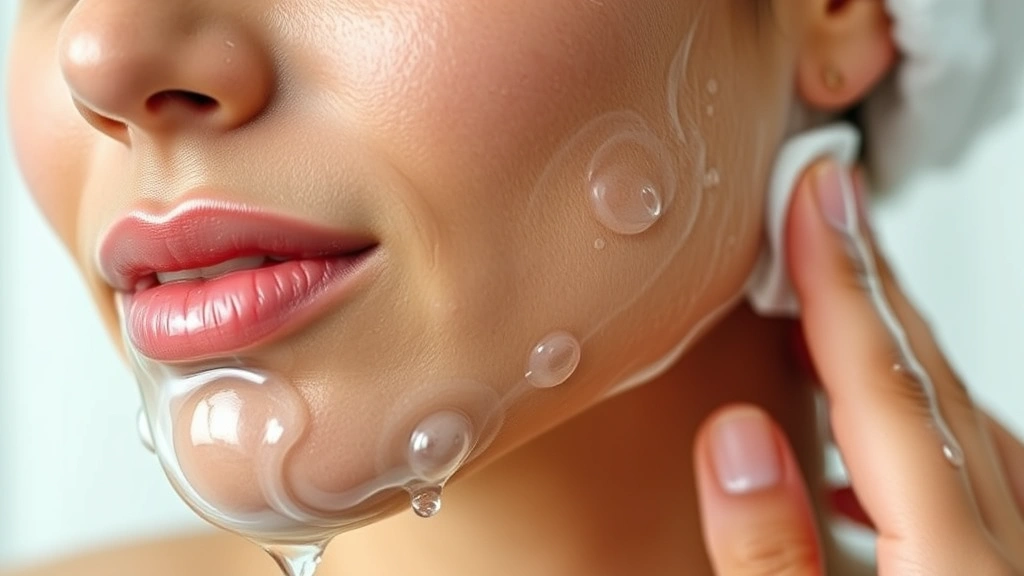
Banish Blackheads: Dermatologist-Approved Tips
Banish Blackheads: Dermatologist-Approved Tips for Clear Skin
Blackheads are one of the most frustrating skin concerns, affecting people of all ages and skin types. Unlike other blemishes, blackheads form when pores become clogged with a combination of dead skin cells and sebum (your skin’s natural oil). The dark appearance isn’t dirt—it’s oxidation that occurs when these materials are exposed to air. Understanding the science behind blackhead formation is the first step toward effective treatment and prevention.
Whether you’re dealing with a few stubborn blackheads on your nose or a widespread problem across your face and body, this comprehensive guide will walk you through dermatologist-approved strategies to eliminate them. We’ll explore both professional treatments and at-home remedies that actually work, helping you achieve the clear, smooth skin you deserve. The good news is that with the right approach and consistent care, blackheads are entirely manageable.
Understanding Blackhead Formation
Blackheads, medically known as open comedones, form through a specific biological process. Your skin naturally produces sebum to keep itself moisturized and protected. When excess sebum combines with dead skin cells that haven’t properly shed, they accumulate inside your pores. Unlike whiteheads (closed comedones) where the pore remains closed, blackheads develop when the pore opening expands and the trapped material oxidizes when exposed to air.
Several factors contribute to blackhead development. Hormonal fluctuations, particularly during puberty and menstrual cycles, increase sebum production. Genetics play a significant role—if your parents struggled with blackheads, you’re more likely to as well. Environmental factors like humidity, pollution, and improper skincare can exacerbate the problem. Additionally, certain medications and cosmetic products that clog pores (comedogenic products) can trigger blackhead formation.
It’s important to note that blackheads are most common on the face, particularly the T-zone (forehead, nose, and chin), but they can also appear on the back, chest, shoulders, and other body areas. Understanding your specific triggers will help you develop a targeted prevention strategy.
Daily Cleansing Routine Essentials
The foundation of blackhead prevention and treatment is a proper cleansing routine. Washing your face twice daily—morning and night—removes excess oil, dead skin cells, and environmental debris that contribute to clogged pores. However, not all cleansers are created equal, and aggressive washing can actually worsen the problem.
Choose the Right Cleanser
Select a gentle, non-comedogenic cleanser specifically formulated for your skin type. For oily and acne-prone skin, look for cleansers containing salicylic acid (a beta hydroxy acid) or benzoyl peroxide, which help dissolve the sebum and dead skin cells that form blackheads. If you have sensitive skin, opt for a mild, fragrance-free formula that won’t strip your skin of its natural protective oils.
Proper Cleansing Technique
Use lukewarm water—not hot, which can stimulate excess oil production—and gently massage the cleanser onto your skin in circular motions for about 60 seconds. Pay special attention to blackhead-prone areas like your nose and chin. Rinse thoroughly with lukewarm water and pat dry with a clean towel. Avoid rubbing vigorously, as this can irritate your skin and trigger inflammation.
Consider incorporating a thorough cleaning approach to your entire skincare routine, ensuring every step is done deliberately and carefully. You might also explore our comprehensive how-to guides for additional skincare tips.
Exfoliation Techniques That Work
Exfoliation is crucial for blackhead removal because it eliminates the dead skin cells that clog pores. However, the method you choose matters significantly. There are two main types of exfoliation: physical and chemical.
Chemical Exfoliation
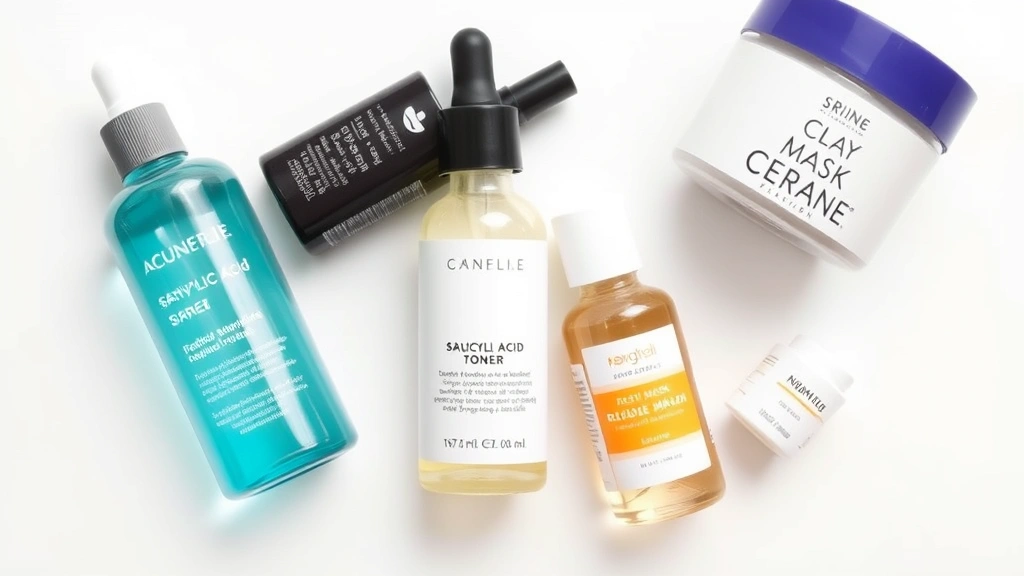
Chemical exfoliants are generally preferred by dermatologists for blackhead-prone skin. Salicylic acid (beta hydroxy acid) is particularly effective because it’s oil-soluble, meaning it penetrates deep into pores to dissolve sebum and dead skin cells. Use a salicylic acid toner or cleanser 1-2 times daily, starting slowly to allow your skin to adjust. Glycolic acid (an alpha hydroxy acid) is water-soluble and works well on the skin’s surface, making it suitable for those with sensitive skin.
Niacinamide is another excellent chemical exfoliant that reduces pore size and sebum production while being gentle enough for daily use. Look for serums or toners containing 4-5% niacinamide for optimal results.
Physical Exfoliation
While physical exfoliation can be effective, it requires caution. Gentle exfoliating scrubs with small, smooth particles can help remove dead skin when used 2-3 times weekly. Avoid harsh scrubs or exfoliating tools that can damage your skin barrier and cause irritation. Sonic cleansing brushes provide a gentler alternative to manual scrubbing, using vibrations to dislodge debris from pores without aggressive friction.
Frequency Guidelines
Over-exfoliation is a common mistake that damages your skin’s protective barrier and triggers excess oil production, actually worsening blackheads. For most people, 2-3 times weekly with physical exfoliants or daily with gentle chemical exfoliants is appropriate. Those with sensitive skin should start with once weekly and gradually increase frequency as tolerated.
Proven Topical Treatments
Beyond cleansing and exfoliation, targeted topical treatments can significantly improve blackhead-prone skin. These products are available both over-the-counter and by prescription.
Retinoids
Retinoids (vitamin A derivatives) are among the most effective treatments for blackheads. They work by increasing cell turnover, reducing sebum production, and improving overall skin texture. Retinol is available over-the-counter, while prescription-strength retinoids like tretinoin and adapalene offer more potent results. Start with low concentrations (0.25-0.3%) and use 2-3 times weekly, gradually increasing frequency. Retinoids can cause dryness and sun sensitivity, so always use sunscreen during the day and moisturize at night.
Benzoyl Peroxide
This powerful ingredient kills acne-causing bacteria and helps unclog pores. It’s available in various concentrations (2.5-10%), with lower concentrations being equally effective while causing less irritation. Use benzoyl peroxide products once or twice daily, starting with the lowest concentration to assess tolerance.
Clay and Charcoal Masks
Weekly clay or charcoal masks can help draw out impurities and excess oil from pores. Kaolin clay is particularly effective for blackheads and works well for all skin types. Apply these masks 1-2 times weekly for 10-15 minutes, then rinse thoroughly. Follow with a hydrating moisturizer to prevent over-drying.

Azelaic Acid
This ingredient reduces inflammation, kills bacteria, and decreases melanin production. It’s particularly helpful for those with sensitive skin or rosacea-prone skin that experiences irritation from other treatments. Use azelaic acid products 1-2 times daily for best results.
Professional Extraction Methods
When at-home treatments aren’t sufficient, professional dermatological treatments offer more intensive solutions. These should always be performed by qualified professionals to avoid scarring and infection.
Professional Extractions
A dermatologist or esthetician can safely extract blackheads using sterile instruments and proper technique. They apply gentle pressure to release the clogged material without damaging surrounding skin. This is particularly effective for stubborn blackheads on the nose and chin. Professional extractions are typically recommended as a supplement to at-home care rather than a primary treatment.
Chemical Peels
Professional-grade chemical peels use higher concentrations of acids than over-the-counter products to deeply exfoliate and unclog pores. Salicylic acid peels are particularly effective for blackheads and acne. Most people require a series of peels spaced 2-4 weeks apart for optimal results. This Old House provides excellent home improvement guidance, and similarly, dermatologists provide specialized skin care guidance.
Laser and Light Therapies
Laser treatments like fractional CO2 lasers and light-based therapies (IPL) can improve skin texture and reduce pore size. These treatments work by stimulating collagen production and removing the top layers of skin. While effective, they require multiple sessions and have downtime associated with healing.
Microdermabrasion
This mechanical exfoliation technique uses tiny crystals or a diamond tip to remove the outermost skin layer. It’s effective for blackheads and improves overall skin texture. Most people need 4-6 sessions spaced 2-3 weeks apart for noticeable results.
Prevention Strategies
Once you’ve eliminated existing blackheads, maintaining clear skin requires consistent prevention strategies. These habits will help you avoid future blackhead formation.
Skincare Product Selection
Always check product labels for “non-comedogenic” designation, meaning they won’t clog pores. This applies to moisturizers, sunscreens, foundations, and all other face products. Even natural oils like coconut oil, while beneficial for some, are highly comedogenic and should be avoided if you’re prone to blackheads. Look for lightweight, oil-free formulations instead.
Lifestyle Modifications
Your daily habits significantly impact blackhead formation. Change your pillowcase every 2-3 days to prevent bacteria and oil buildup. Keep your hair off your face, as hair products and natural scalp oils can transfer to facial skin. Avoid touching your face throughout the day—your hands transfer dirt and bacteria that clog pores. If you wear hats or headbands, ensure they’re clean and breathable.
Diet and Hydration
While not a direct cause, diet influences skin health. Foods high in refined sugars and dairy can trigger inflammation and increase sebum production in susceptible individuals. Stay well-hydrated by drinking adequate water daily, which helps maintain skin’s natural balance and supports the skin barrier function. Aim for at least 8 glasses of water daily, adjusting for your activity level and climate.
Sun Protection
Ironically, sun exposure can worsen blackheads by thickening the outer skin layer and making it harder for sebum to escape pores. Use a broad-spectrum SPF 30 or higher sunscreen daily, applying it at least 15 minutes before sun exposure. Reapply every 2 hours if you’re outdoors. Choose mineral sunscreens if you have sensitive skin, as they’re less likely to clog pores.
Stress Management
Stress hormones increase sebum production, exacerbating blackheads. Incorporate stress-reducing activities into your routine like exercise, meditation, yoga, or spending time in nature. Even 15-20 minutes of daily physical activity can improve skin health by increasing circulation and promoting detoxification through sweat.
For additional guidance on maintaining overall wellness and tackling various challenges, explore our resources on improving posture and health or managing household issues. A holistic approach to health often translates to better skin outcomes.
FAQ
Are blackheads caused by poor hygiene?
No, blackheads aren’t caused by dirt. They’re formed by oxidized sebum and dead skin cells. While poor hygiene can contribute to their formation, even people with excellent skincare routines can develop blackheads due to genetics, hormones, and skin type. Regular cleansing helps prevent them, but blackheads aren’t a sign of uncleanliness.
Can pore strips effectively remove blackheads?
Pore strips provide temporary relief by removing surface blackheads, but they don’t address the root cause. They can be useful as an occasional treatment, but shouldn’t replace a comprehensive skincare routine. For lasting results, focus on regular exfoliation and pore-unclogging treatments instead.
How long does it take to see results from blackhead treatments?
Most people notice improvement within 4-6 weeks of consistent treatment. Chemical exfoliants and retinoids require time to work as they increase cell turnover. Professional treatments may show faster results but typically require multiple sessions. Patience and consistency are essential—stick with your routine for at least 8 weeks before evaluating effectiveness.
Are blackheads on the nose normal?
Yes, the nose is one of the most common areas for blackheads because it has larger pores and produces more sebum than other facial areas. This is completely normal, and with proper treatment, they’re manageable. Don’t feel self-conscious—most people deal with nasal blackheads at some point.
Can diet completely prevent blackheads?
Diet influences skin health but can’t completely prevent blackheads if you’re genetically predisposed. However, reducing refined sugars, staying hydrated, and eating antioxidant-rich foods can improve overall skin condition and reduce inflammation. Combine dietary changes with proper skincare for best results.
Is it safe to squeeze blackheads at home?
Squeezing blackheads at home can damage skin, cause scarring, and introduce bacteria that lead to infection or inflammation. If you must extract blackheads, use a proper comedone extractor with sterile technique, or better yet, leave extraction to professionals. Focus on prevention and dissolution methods instead.
What’s the difference between blackheads and sebaceous filaments?
Sebaceous filaments are normal structures that keep your skin lubricated and aren’t the same as blackheads. They appear as small dark dots and can’t be permanently removed—they naturally refill within weeks. If you’re unsure whether you have blackheads or sebaceous filaments, consult a dermatologist for proper identification.

Related Posts

Superscript in Google Docs: Expert Tips

Strikethrough in Excel: Easy Steps for Beginners
