

Lose Apron Belly: Expert Tips & Tricks
How to Get Rid of Apron Belly: Expert Tips & Tricks for Loose Skin Removal
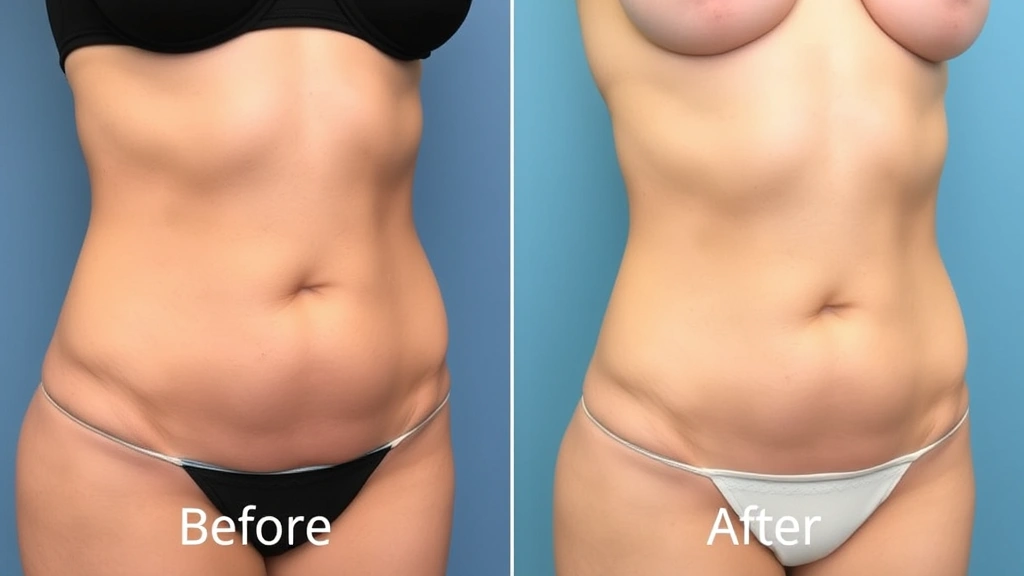
Apron belly, medically known as pannus or panniculus, refers to a fold of loose skin and tissue that hangs over the lower abdomen. This condition develops after significant weight loss, pregnancy, or aging when the skin loses elasticity and cannot retract to its original position. If you’re struggling with this stubborn problem, you’re not alone—thousands of people seek solutions to improve their abdominal appearance and regain confidence in their bodies.
The good news is that multiple approaches exist to address apron belly, ranging from non-invasive lifestyle modifications to professional medical interventions. Whether you’re looking for natural tightening methods, fitness strategies, or surgical options, this comprehensive guide covers everything you need to know about reducing or eliminating loose abdominal skin effectively and safely.
Understanding Apron Belly: Causes and Formation
Apron belly develops when skin stretches significantly and then loses its ability to bounce back. The skin’s elasticity depends on collagen and elastin fibers, which degrade over time due to age, sun exposure, and rapid weight changes. When you lose substantial weight—whether through diet, exercise, or bariatric surgery—the skin may not have enough elasticity to conform to your new body shape, resulting in excess hanging tissue.
Pregnancy is another common cause, as the abdominal skin stretches dramatically to accommodate a growing baby. After delivery, hormonal changes and reduced skin elasticity prevent complete retraction. Additionally, aging naturally reduces collagen production, making older individuals more susceptible to apron belly formation. Understanding these causes helps you choose the most appropriate treatment strategy for your specific situation.
The severity of apron belly varies considerably. Some people experience mild looseness that’s barely noticeable, while others develop pronounced folds that cause physical discomfort, hygiene challenges, or emotional distress. Factors like genetics, smoking history, sun exposure, and overall skin health influence how pronounced the condition becomes.
Improving Skin Elasticity Naturally
Before pursuing invasive treatments, explore natural methods to improve skin elasticity and reduce the appearance of apron belly. These approaches work best when combined with other strategies and require consistent effort over several months to show meaningful results.
Topical Treatments and Skincare: High-quality moisturizers containing retinol, vitamin C, and peptides can improve skin texture and firmness. Retinol stimulates collagen production and increases cell turnover, while vitamin C acts as a powerful antioxidant that protects skin from environmental damage. Apply these products consistently to the affected area, though results are typically modest for severe apron belly. Products with hyaluronic acid help skin retain moisture, improving overall appearance and elasticity.
Dry brushing, a technique involving gentle brushing of damp skin with a natural-bristle brush, may improve circulation and skin texture. Perform dry brushing in upward motions toward the heart for five to ten minutes daily. While scientific evidence is limited, many people report improved skin appearance with consistent practice.
Collagen and Supplements: Oral collagen supplements and peptides may support skin health from within. Studies suggest that collagen supplementation can improve skin elasticity and hydration, though results vary among individuals. Consume 10-20 grams of collagen peptides daily, preferably with vitamin C to enhance absorption. Biotin, a B-vitamin, also supports skin health and may improve skin elasticity when taken consistently.
Hyaluronic acid supplements and bone broth, which contains natural collagen, offer additional nutritional support for skin health. These approaches work best as long-term strategies combined with other interventions rather than standalone solutions.
Targeted Exercise Strategies
While spot reduction isn’t possible—you cannot target fat loss from specific body areas—building abdominal muscle underneath loose skin can improve appearance and provide structural support. Additionally, overall cardiovascular fitness and strength training contribute to better skin health through improved circulation and reduced body fat percentage.
Core Strengthening Exercises: Focus on exercises that engage the rectus abdominis, transverse abdominis, and obliques. Planks are exceptionally effective, as they engage your entire core without spinal stress. Start with 20-30 second holds and progress to 60+ seconds as strength improves. Perform planks three to four times weekly with proper form: maintain a straight line from head to heels, engage your core, and avoid sagging hips.
Other excellent core exercises include:
- Dead bugs: Lie on your back with arms extended upward and legs bent at 90 degrees. Slowly extend opposite arm and leg while maintaining lower back contact with the floor.
- Bird dogs: Begin on hands and knees, then extend opposite arm and leg while maintaining a neutral spine.
- Pallof presses: Using a resistance band anchored at chest height, stand perpendicular to the anchor point and press the band straight ahead, resisting rotation.
- Ab wheel rollouts: Using an ab wheel, roll forward from a kneeling position, engaging your core to prevent lower back hyperextension.
Cardiovascular Exercise: Regular cardio reduces overall body fat percentage, which can make apron belly less pronounced. Aim for 150 minutes of moderate-intensity aerobic activity weekly, such as brisk walking, jogging, cycling, or swimming. These activities improve circulation, boost metabolism, and support cardiovascular health while contributing to fat loss.
Resistance training builds muscle mass, which increases resting metabolic rate and improves body composition. Combine strength training with cardio for optimal results. Consistency matters more than intensity—sustainable exercise habits maintained over months and years produce the best outcomes.
Nutrition and Hydration for Skin Health
Proper nutrition directly impacts skin health, elasticity, and overall appearance. A diet rich in antioxidants, healthy fats, and protein supports collagen production and skin integrity.
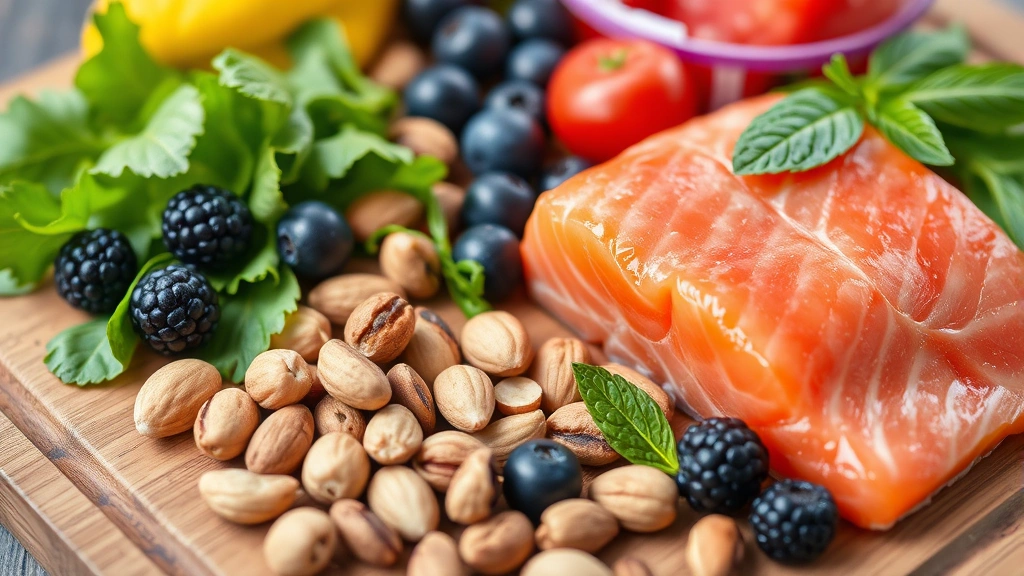
Key Nutrients for Skin Health: Vitamin C, found in citrus fruits, berries, and leafy greens, is essential for collagen synthesis. Consume at least 75-90 mg daily through food sources or supplements. Omega-3 fatty acids from fish, walnuts, and flaxseeds reduce inflammation and support skin barrier function. Vitamin E, present in nuts and seeds, protects skin from oxidative stress.
Protein intake supports skin repair and collagen production. Aim for 0.7-1 gram per pound of body weight daily from sources like lean meats, fish, eggs, legumes, and dairy products. Zinc, found in oysters, beef, and pumpkin seeds, supports wound healing and skin integrity.
Hydration: Drinking adequate water is fundamental for skin health. Proper hydration maintains skin plumpness, improves elasticity, and supports all cellular functions. Aim for at least eight to ten glasses of water daily, adjusting for climate, activity level, and individual needs. Herbal teas, particularly green tea with its antioxidant properties, provide additional benefits.
Limit processed foods, excess sugar, and alcohol, which promote inflammation and can damage collagen. A Mediterranean-style diet emphasizing whole foods, healthy fats, and lean proteins provides optimal nutritional support for skin health and overall wellness.
Non-Surgical Treatment Options
Several professional treatments can improve apron belly without surgery, though results are typically more modest than surgical interventions.
Radiofrequency Treatments: Radiofrequency (RF) technology heats deeper skin layers to stimulate collagen remodeling and skin tightening. Treatments like Thermage use radiofrequency energy to create controlled thermal injuries that trigger collagen production. Most people require multiple sessions spaced weeks apart. Results develop gradually over three to six months as new collagen forms. This approach works best for mild to moderate skin laxity and requires minimal downtime.
Ultrasound Therapy: Ultherapy and similar ultrasound treatments deliver focused ultrasound energy to lift and tighten skin. The treatment stimulates collagen production without damaging the skin surface. Sessions typically last 60-90 minutes, with results appearing over two to three months. This option suits people seeking non-invasive skin tightening with minimal recovery time.
Laser Treatments: Fractional laser therapy creates controlled micro-injuries that stimulate collagen remodeling and skin tightening. Ablative lasers remove thin skin layers, promoting significant collagen production but requiring longer recovery. Non-ablative lasers penetrate deeper without removing surface skin, offering gentler results with minimal downtime. Multiple sessions are usually necessary, spaced four to six weeks apart.
Chemical Peels and Microdermabrasion: While these treatments primarily address surface skin quality, they can improve overall skin appearance and texture. Chemical peels use acids to remove dead skin cells and stimulate collagen production. Microdermabrasion uses tiny crystals to exfoliate the skin mechanically. These treatments work best for mild skin laxity combined with texture issues.
Non-surgical options typically cost $1,500-$5,000 total for a complete treatment series and require ongoing maintenance. Results are usually moderate, making these approaches most suitable for mild to moderate apron belly or as complementary treatments alongside other strategies.
Surgical Solutions for Apron Belly
For significant apron belly, surgical intervention offers the most dramatic and lasting results. Several surgical procedures address this condition, each with specific benefits and considerations.
Abdominoplasty (Tummy Tuck): This is the gold standard surgical treatment for apron belly. During the procedure, a surgeon removes excess skin and fat, then tightens the underlying abdominal muscles. A full abdominoplasty involves an incision from hip to hip below the bikini line, with possible repositioning of the belly button. A mini abdominoplasty addresses lower abdominal excess with a smaller incision.
Results are permanent and dramatic, with most patients experiencing significant improvement in abdominal contour. However, abdominoplasty involves surgical risks including infection, blood clots, and scarring. Recovery typically requires four to six weeks before returning to normal activities and six to eight weeks before resuming exercise. Costs range from $5,000-$12,000 depending on complexity and geographic location.
Lipoabdominoplasty: This procedure combines liposuction with abdominoplasty, removing excess fat while tightening skin and muscle. It’s particularly effective when apron belly involves significant fat deposits. Results are comparable to traditional abdominoplasty with potentially less scarring, though the procedure is more complex.
Panniculectomy: This procedure specifically removes the pannus (excess skin fold) without tightening abdominal muscles. It’s often covered by insurance if the condition causes physical problems like skin breakdown or hygiene issues. A panniculectomy may be less comprehensive than abdominoplasty but addresses the primary concern of excess hanging skin.
Bariatric Body Contouring: Patients who’ve undergone bariatric surgery often benefit from comprehensive body contouring procedures that address loose skin across multiple areas, including the abdomen. These procedures may be performed in stages over several years.
Before pursuing surgery, consult with a board-certified plastic surgeon to discuss your goals, expectations, and medical history. Surgery is most appropriate after weight has stabilized for at least three to six months, as continued weight changes affect results.
Lifestyle Modifications and Prevention
Beyond specific treatments, lifestyle changes support skin health and can prevent apron belly from developing or worsening.
Sun Protection: UV exposure damages collagen and elastin, reducing skin elasticity. Apply broad-spectrum SPF 30+ sunscreen daily, even on cloudy days. Wear protective clothing, hats, and sunglasses when spending extended time outdoors. This simple habit significantly impacts long-term skin health and appearance.
Smoking Cessation: Smoking dramatically accelerates skin aging by reducing blood flow, damaging collagen, and increasing oxidative stress. If you smoke, quitting is one of the most beneficial changes you can make for skin health. Skin quality and elasticity improve noticeably within weeks of quitting.
Sleep Quality: During sleep, your body increases blood flow to the skin and rebuilds collagen. Aim for seven to nine hours of quality sleep nightly. Poor sleep increases cortisol levels, which promote inflammation and collagen breakdown. Establish consistent sleep schedules and create optimal sleep environments.
Stress Management: Chronic stress elevates cortisol, promoting inflammation and collagen degradation. Practice stress-reduction techniques like meditation, yoga, deep breathing, or regular exercise. Even 15-20 minutes of daily stress management significantly impacts skin health and overall wellness.
Gradual Weight Loss: If you’re currently overweight, slow, steady weight loss allows skin more time to adapt. Rapid weight loss increases apron belly risk. Aim for 1-2 pounds weekly through balanced nutrition and exercise. This approach also improves long-term weight maintenance and overall health.
Moisturizing: Keep your skin well-hydrated by moisturizing daily, particularly after showering when skin is still damp. This helps skin retain moisture and improves elasticity. Choose moisturizers appropriate for your skin type.
Frequently Asked Questions
Can apron belly go away on its own?
Mild apron belly may improve somewhat with weight loss, exercise, and proper skincare, but significant loose skin typically doesn’t disappear without intervention. Once skin loses elasticity, it generally cannot fully retract on its own. However, non-surgical and surgical treatments can produce substantial improvements.
How long does it take to see results from non-surgical treatments?
Non-surgical treatments like radiofrequency and ultrasound typically require three to six months to show noticeable results as collagen remodeling occurs gradually. Most people need multiple treatment sessions spaced weeks apart. Surgical results are visible immediately, though final results develop as swelling resolves over several months.
Is abdominoplasty covered by insurance?
Cosmetic abdominoplasty is typically not covered by insurance. However, if apron belly causes medical problems like skin breakdown, rashes, or hygiene issues, insurance may cover panniculectomy. Check with your insurance provider and discuss medical necessity with your surgeon.
Can I combine treatments for better results?
Yes, combining approaches often produces better results. For example, you might combine exercise and nutrition with non-surgical treatments, or use non-surgical treatments to enhance surgical results. Discuss combination strategies with healthcare providers to ensure safety and optimal outcomes.
What’s the difference between apron belly and diastasis recti?
Apron belly refers specifically to excess hanging skin and fat. Diastasis recti involves separation of the rectus abdominis muscles, creating a gap down the center of the abdomen. These conditions can occur together, and treatments differ. Diastasis recti may improve with targeted exercises, while apron belly typically requires skin-tightening approaches.
How can I prevent apron belly after weight loss?
Slow, gradual weight loss allows skin time to adapt. Maintain proper hydration, use sunscreen, avoid smoking, and perform strength training to build muscle mass underneath skin. Collagen supplements and topical retinol products may support skin elasticity. However, genetics significantly influence whether apron belly develops, and some people are simply more prone to it.
Are there non-invasive alternatives to surgery?
Yes, several non-surgical options exist, including radiofrequency, ultrasound, laser treatments, and topical products. These provide modest improvements for mild to moderate apron belly but cannot match surgical results. Many people use non-surgical treatments as first-line options or complementary approaches alongside surgery.

Related Posts

Superscript in Google Docs: Expert Tips

Strikethrough in Excel: Easy Steps for Beginners
