
Spider Removal Tips: Experts Weigh In
Spider Removal Tips: Experts Weigh In
Discovering a spider in your home can trigger panic, but understanding how to get rid of spiders safely and effectively transforms you into a confident homeowner. Whether you’re dealing with a single eight-legged visitor or a growing population, expert-backed strategies exist to help you reclaim your space without unnecessary harm. This comprehensive guide walks you through proven removal methods, prevention techniques, and when to call professional pest control.
Spiders are actually beneficial creatures that eat countless insects and pests, yet their unexpected appearances still unsettle many people. The good news is that most spiders are harmless and easily managed with simple interventions. By learning the right techniques, you’ll handle spider encounters like a true DIY expert.
Why Spiders Enter Your Home
Understanding spider behavior is the first step toward effective removal. Spiders don’t invade homes seeking warmth or shelter in the way many pests do. Instead, they follow their food source. Insects like flies, mosquitoes, moths, and gnats are attracted to your home by lights, food debris, and moisture. Spiders pursue these prey items, making your house an unintentional hunting ground.
During fall and winter months, spiders become more noticeable indoors because outdoor temperatures drop and insects move inside. Additionally, homes with poor sanitation, accumulated clutter, or moisture problems attract more insects, which subsequently attract more spiders. According to This Old House’s pest control experts, addressing the underlying insect population is crucial for long-term spider control.
Different spider species have varying habits. Some are web-builders that stay in one location, while others are hunters that actively pursue prey. Identifying which type you’re dealing with helps determine the most effective removal strategy. Most household spiders are completely harmless and pose no threat to humans.
Safe Removal Methods for Live Spiders
The most humane approach to spider removal is capturing and releasing the spider outside. This method works well for most homeowners who want to avoid killing the creature.
The Cup and Paper Method
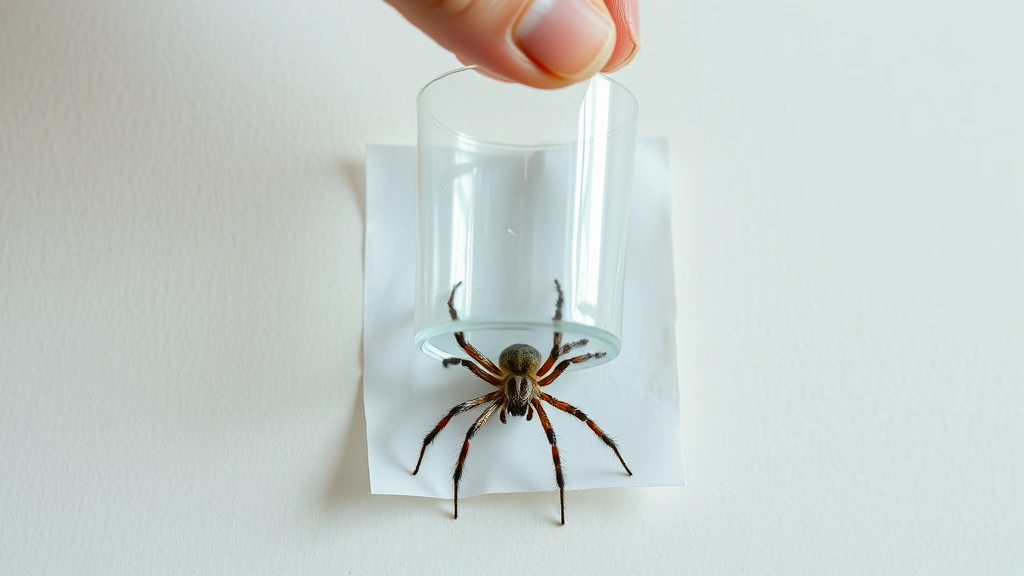
This classic technique requires minimal supplies and zero chemicals. Simply place a clear glass or plastic cup over the spider, slide a piece of paper underneath, and carefully carry it outside. Release the spider far from your home’s entry points, ideally near plants or garden areas where it can find natural prey. This method takes less than two minutes and is 100% safe for both you and the spider.
Using a Spider Vacuum
Battery-powered spider vacuums are specialized tools designed to capture spiders without harming them. The vacuum gently sucks the spider into a container where it remains unharmed until you release it outdoors. These devices cost between $20-$50 and work particularly well for people with arachnophobia who can’t bring themselves to use the cup method. Family Handyman recommends spider vacuums as an effective tool for nervous homeowners.
The Broom and Dustpan Approach
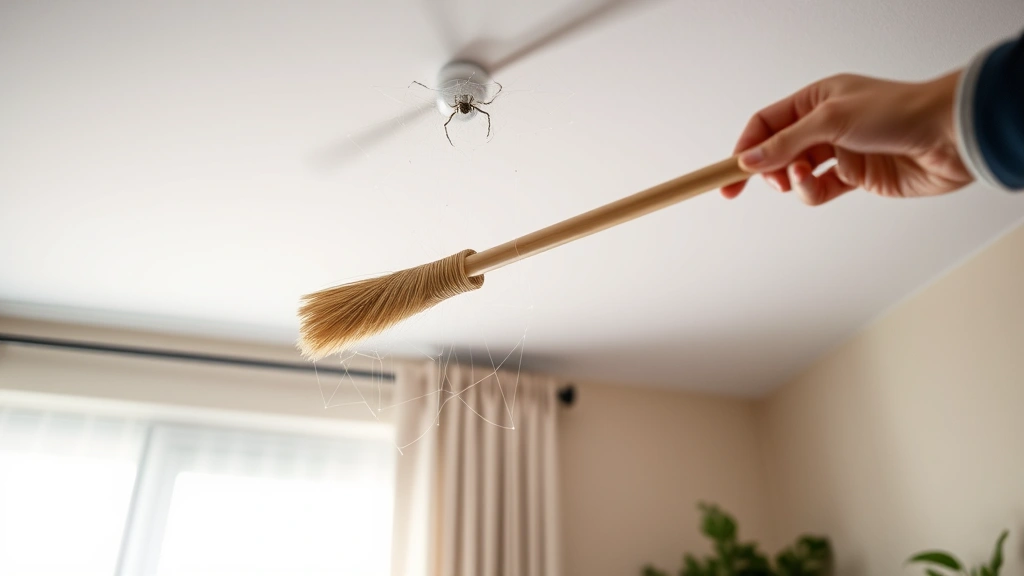
For spiders on walls or ceilings, a long-handled broom works effectively. Gently brush the spider into a dustpan, then take it outside and release it. This method keeps distance between you and the spider, making it ideal for those uncomfortable with close contact.
Elimination Techniques That Work
If you prefer permanent removal rather than relocation, several effective methods exist. These approaches range from chemical solutions to natural alternatives.
Chemical Spider Sprays
Commercial insecticides designed for spiders work quickly and effectively. Look for products containing pyrethrins or pyrethroids, which are derived from chrysanthemum flowers and are relatively safe for household use. Spray directly on the spider or its web, and it will die within minutes. Always follow label instructions carefully and keep children and pets away from treated areas. Popular brands available at most home improvement retailers include Raid, Ortho, and Spectracide.
Diatomaceous Earth
Food-grade diatomaceous earth is a natural powder that damages insects’ exoskeletons, causing dehydration. While primarily effective against crawling insects that spiders hunt, it can also affect spiders directly. Sprinkle it along baseboards, windowsills, and corners where spiders frequent. Reapply after vacuuming or after moisture exposure. This method is pet-safe and chemical-free, making it popular among environmentally conscious homeowners.
Essential Oil Sprays
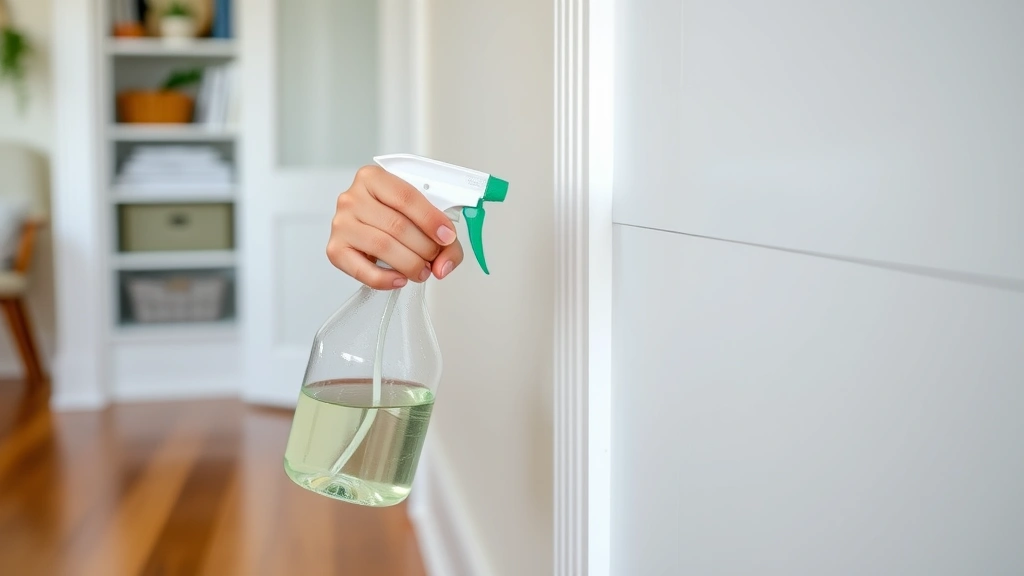
Spiders dislike strong-smelling essential oils like peppermint, tea tree, and citrus. Mix 10-15 drops of your chosen oil with water in a spray bottle and apply to areas where spiders gather. While less potent than chemical sprays, essential oils provide a natural alternative with pleasant aromas. Reapply weekly or after cleaning for best results.
Sticky Traps
Adhesive traps capture spiders as they move across your home. Place them along walls, in corners, and near entry points. These traps are non-toxic and work continuously without chemical odors. However, they’re more effective at monitoring spider populations than completely eliminating them.
Prevention Strategies to Keep Spiders Out
The most effective spider control involves preventing their entry and eliminating their food sources. A proactive approach prevents future infestations more reliably than reactive removal methods.
Seal Entry Points
Spiders enter through cracks, gaps, and openings in your home’s exterior. Inspect your home’s foundation, walls, and roof for damage. Caulk small gaps around windows and doors, and use weatherstripping on door frames. Install door sweeps to eliminate space between doors and thresholds. Check for holes in screens and repair or replace them promptly. These home improvement basics significantly reduce pest entry overall.
Reduce Insect Populations
Since spiders follow insects, controlling the insect population naturally reduces spiders. Clean up food debris immediately, store food in sealed containers, and take out garbage regularly. Fix leaky pipes and reduce moisture, as many insects thrive in damp environments. Use drain cleaners to eliminate organic buildup where insects breed. Declutter your home to remove hiding spots for insects.
Manage Outdoor Lighting
Lights attract insects, which attract spiders. Replace traditional white bulbs with yellow or amber-colored bulbs that attract fewer insects. Consider motion-sensor lights that activate only when needed. Position outdoor lights away from entry doors when possible, or install them at a distance from your home’s exterior.
Maintain Yard Maintenance
Trim vegetation away from your home’s exterior, as overgrown plants provide pathways for spiders and insects. Keep grass cut short and remove leaf piles and debris where spiders hide. Move woodpiles at least 20 feet away from your home’s foundation. These outdoor maintenance tasks create a less attractive environment for spiders.
Reduce Clutter Indoors
Spiders love cluttered spaces with numerous hiding spots. Organize storage areas, particularly basements and attics. Use sealed plastic bins instead of cardboard boxes, which spiders can penetrate. Vacuum regularly, including corners, closets, and under furniture. Dusting removes both spiders and their webs while improving air quality—similar to how you’d approach cleaning household appliances for optimal function.
Natural Deterrents and Repellents
Many homeowners prefer natural solutions that avoid chemicals entirely. These methods work best as preventive measures rather than treatments for existing spider populations.
Peppermint Oil Applications
Peppermint oil is perhaps the most popular natural spider deterrent. Spiders find the strong scent repulsive and will avoid treated areas. Mix 15-20 drops of peppermint essential oil with two cups of water and a tablespoon of dish soap in a spray bottle. Spray along baseboards, in corners, around windows, and near entry points weekly. The soap helps the mixture coat surfaces effectively.
Cedar and Lavender
Cedar blocks and lavender sachets naturally repel spiders while providing pleasant aromas. Place cedar blocks in closets, attics, and storage areas. Hang lavender sachets near windows and doorways. These methods work slowly but provide continuous, gentle deterrence without chemicals.
Citrus Peels
Fresh citrus peels contain d-limonene, a compound spiders dislike. Rub citrus peels along windowsills and doorframes, or simmer peels in water to create a natural spray. This approach is free if you regularly consume citrus fruits and provides a fresh scent throughout your home.
Chestnuts and Hedge Apples
Some homeowners swear by placing whole chestnuts or hedge apples (also called osage oranges) in corners and along baseboards. While scientific evidence supporting this method is limited, the practice is harmless and costs nothing if you have access to these items naturally.
Vinegar Solutions
White vinegar’s strong smell repels spiders. Mix equal parts white vinegar and water in a spray bottle and apply to affected areas. Repeat applications weekly. While vinegar doesn’t permanently eliminate spiders, it discourages them from establishing webs in treated zones.
When to Call Professional Help
Most spider situations are manageable with DIY methods, but certain circumstances warrant professional intervention. Understanding when to call experts saves time and ensures thorough results.
Identifying Dangerous Spiders
In the United States, only two spider species pose genuine danger: the brown recluse and the black widow. Brown recluse spiders have a distinctive violin-shaped marking on their backs and are found primarily in the southern and central United States. Black widows are shiny black with a red hourglass marking on their abdomens. If you suspect these species in your home, contact professional pest control immediately rather than handling them yourself.
Large Infestations
When spiders are everywhere—multiple webs in every room, constant sightings—professional pest control becomes necessary. Large infestations indicate serious underlying insect problems that professionals can address comprehensively. They have access to commercial-grade treatments and equipment unavailable to homeowners.
Recurring Problems
If spiders return repeatedly despite your prevention efforts, professionals can identify what’s attracting them. They might discover hidden moisture problems, undetected insect sources, or structural issues requiring attention. This diagnostic expertise often prevents future pest problems beyond just spiders.
Finding Reliable Professionals
When selecting pest control services, request quotes from multiple companies. Ask about their methods, chemicals used, and guarantees. Check online reviews and verify licensing with your state’s pesticide regulatory agency. Many professionals offer free inspections and can provide customized treatment plans based on your specific situation. The National Pest Management Association maintains a directory of certified professionals.
FAQ
Are house spiders dangerous to humans?
The vast majority of house spiders are completely harmless to humans. Their fangs are too small to penetrate human skin, and they have no interest in biting people. Even if somehow bitten, house spider venom causes no harm to humans. The only dangerous spiders in North America are brown recluses and black widows, which are rare in homes and typically avoid contact with people.
Why do spiders keep coming back to the same spot?
Spiders return to locations where they successfully catch prey. If a particular corner or window frame is productive for hunting, spiders will keep webs there. Remove the web regularly to discourage them, and address the insect problem causing the location to be attractive. Once insects disappear, spiders will relocate to more productive hunting grounds.
Can I use a regular vacuum to remove spiders?
While regular vacuums can remove spider webs and spiders, experts don’t recommend this method. The spider may survive the vacuum’s suction and escape inside the machine, or it might crawl back out. Specialized spider vacuums are gentler and designed specifically for this purpose, making them a better choice for live capture and release.
How often should I apply spider prevention treatments?
Natural deterrents like essential oil sprays should be reapplied weekly or after cleaning. Chemical treatments typically last longer—some up to two weeks—but always follow product label instructions. Seasonal applications (particularly before fall when spiders seek shelter) provide cost-effective prevention without year-round applications.
Do ultrasonic spider repellents actually work?
Scientific evidence for ultrasonic repellent devices is mixed and largely inconclusive. While some studies suggest they may deter certain pests, they’re not proven effective against spiders specifically. Stick with proven methods like sealing entry points, reducing insects, and using essential oil sprays for reliable results.
What’s the difference between spider removal and spider control?
Removal involves capturing and relocating individual spiders or eliminating existing populations. Control focuses on prevention—making your home less attractive to spiders long-term by sealing gaps, reducing insects, and maintaining cleanliness. Effective spider management combines both approaches: remove current spiders while implementing control measures to prevent future infestations.
Can I prevent spiders without using chemicals?
Absolutely. Many effective spider prevention strategies are completely chemical-free. Sealing entry points, reducing clutter, maintaining yard cleanliness, using natural deterrents like essential oils, and manually removing spiders are all non-chemical approaches. Chemical treatments are just one option among many available to homeowners.

Related Posts

Superscript in Google Docs: Expert Tips

Strikethrough in Excel: Easy Steps for Beginners
