
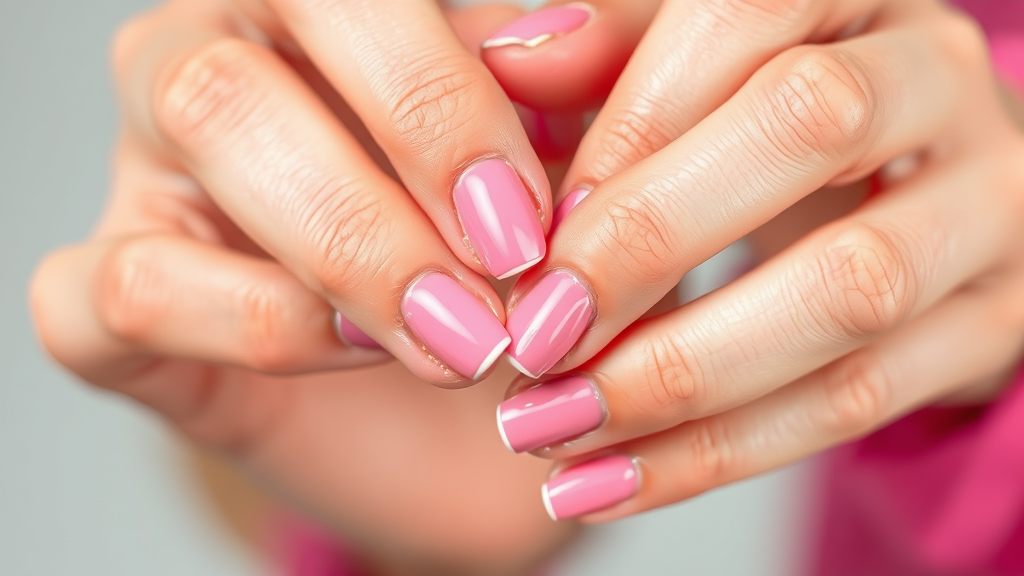
Remove Nail Glue from Skin Quickly with These Simple Tips
Getting nail glue on your skin can be a frustrating mishap that happens more often than we’d like to admit. Whether you’re applying artificial nails, fixing a broken nail, or working on a craft project, that stubborn adhesive seems to find its way onto your fingers with remarkable persistence. The good news is that removing nail glue from skin doesn’t have to be a painful or damaging process when you know the right techniques.
Understanding how to get nail glue off skin safely and effectively can save you from discomfort and potential skin damage. With the right household items and gentle methods, you can dissolve even the most stubborn nail glue without harsh scraping or potentially harmful chemicals. This comprehensive guide will walk you through proven techniques, safety considerations, and prevention strategies to handle this common beauty emergency with confidence.
Understanding Nail Glue and Its Properties
Nail glue, primarily composed of cyanoacrylate, is designed to create strong, instant bonds. This same property that makes it excellent for securing artificial nails also makes it challenging to remove from skin. According to the FDA’s cosmetic guidelines, understanding the chemical composition helps in choosing the most effective removal method.
The adhesive works by polymerizing rapidly when it comes into contact with water or hydroxide ions present on your skin’s surface. This chemical reaction creates long polymer chains that form the strong bond we experience as dried glue. The key to successful removal lies in breaking down these polymer chains without damaging your skin.
Different types of nail glues may have varying formulations, but most contain similar base ingredients. Some may include additional components like plasticizers or stabilizers, which can affect how they respond to different removal methods. Knowing this helps explain why some removal techniques work better than others depending on the specific product you’ve encountered.

Immediate Action Steps
When nail glue first contacts your skin, quick action can prevent it from fully setting and becoming more difficult to remove. The first step is to avoid panic and resist the urge to pull or peel the glue, which can damage your skin or create painful tears.
If the glue is still wet, immediately rinse the affected area with warm water and gently try to roll the glue off using your fingernail or a soft cloth. The warm water can help slow the bonding process and make removal easier. However, if the glue has already set, water alone won’t be sufficient.
For fresh spills, you can also try gently massaging a small amount of petroleum jelly or hand lotion into the area. These products can sometimes interfere with the bonding process and make subsequent removal easier. The key is to act quickly before the adhesive fully cures.
Effective Household Remedies
Several common household items can effectively dissolve nail glue without harsh chemicals. Acetone, found in many nail polish removers, is one of the most effective solvents for cyanoacrylate adhesives. Soak a cotton ball in acetone and gently dab it on the affected area, allowing it to sit for a few minutes before attempting to remove the softened glue.
Warm soapy water combined with gentle rubbing can be surprisingly effective, especially for smaller amounts of glue. Create a solution with dish soap and warm water, then soak the affected area for 10-15 minutes. The combination of moisture and surfactants can help break down the adhesive bond gradually.
White vinegar offers another gentle alternative. Its mild acidity can help dissolve the glue over time. Soak the area in white vinegar for several minutes, then gently work the softened glue away with a soft cloth. This method is particularly useful for sensitive skin that might react poorly to acetone.
Oil-based solutions like olive oil, coconut oil, or even butter can also be effective. These work by penetrating the glue and weakening its bond with your skin. Apply the oil generously to the affected area, let it sit for several minutes, then gently massage and work the glue away. This method is similar to techniques used for removing oil stains, where oils can break down adhesive substances.
Commercial Products and Solutions
Several commercial products are specifically designed for adhesive removal and can be highly effective for nail glue. Debonder solutions, available at beauty supply stores, are formulated specifically to dissolve cyanoacrylate adhesives safely. These products often work faster than household remedies and are designed with skin safety in mind.
Goo Gone and similar adhesive removers can also be effective, though they should be used with caution on skin. These products are typically formulated for removing adhesives from various surfaces and may contain ingredients that could irritate sensitive skin. Always test a small area first and follow package directions carefully.
Some nail salons carry professional-grade glue removers that are gentler than industrial adhesive removers but more effective than typical household items. These products often contain conditioning agents to minimize skin irritation while effectively dissolving the adhesive bond.

Safety Precautions and What to Avoid
Safety should always be your top priority when removing nail glue from skin. Never attempt to forcibly peel or scrape dried glue, as this can cause skin tears, cuts, or permanent damage. The skin around your nails is particularly delicate and susceptible to injury from aggressive removal attempts.
Avoid using harsh chemicals not intended for skin contact. Industrial solvents, paint thinners, or other aggressive chemicals can cause severe chemical burns or allergic reactions. Stick to products that are known to be safe for skin contact, even if they work more slowly.
If you have sensitive skin or known allergies, test any removal method on a small, inconspicuous area first. What works safely for one person might cause irritation for another. Pay attention to any signs of redness, burning, or unusual discomfort during the removal process.
According to poison control guidelines, if nail glue gets in your eyes or if you experience severe skin reactions, seek immediate medical attention. Don’t attempt to handle serious exposures on your own.
Prevention Tips for Future Use
Preventing nail glue accidents is always preferable to dealing with removal. When working with nail glue, always have acetone or nail polish remover nearby for immediate cleanup of spills. This preparation can save you significant time and discomfort later.
Apply a thin layer of petroleum jelly or hand cream around your nails before using nail glue. This creates a barrier that prevents the glue from bonding strongly with your skin if accidental contact occurs. The barrier makes cleanup much easier and less damaging to your skin.
Work slowly and deliberately when applying nail glue. Rushing the process increases the likelihood of spills and accidents. Use small amounts of glue and apply it carefully to avoid excess that might squeeze out and contact your skin.
Keep your workspace well-lit and organized. Good visibility helps prevent accidents, while having proper tools and cleanup materials readily available makes the entire process safer and more manageable. This attention to detail is similar to the careful preparation needed for other beauty procedures like removing gel nail polish.
When to Seek Professional Help
Some situations require professional medical attention rather than home remedies. If the nail glue has bonded skin to skin (such as fingers stuck together), don’t attempt to force them apart. Medical professionals have specialized tools and techniques to safely separate bonded skin without causing injury.
Large areas of glue coverage or glue that has been on the skin for an extended period may require professional removal. Dermatologists have access to medical-grade solvents and can ensure removal without skin damage. They can also provide treatment for any irritation or damage that may have occurred.
If you experience persistent pain, signs of infection, or unusual skin reactions after nail glue exposure, consult a healthcare provider. These symptoms could indicate an allergic reaction or secondary complications that require medical treatment.
Research from medical journals shows that while most nail glue exposures can be handled safely at home, knowing when to seek professional help prevents minor incidents from becoming serious injuries.
Frequently Asked Questions
How long does it take to remove nail glue from skin?
The removal time depends on the amount of glue and the method used. Small amounts can often be removed in 5-10 minutes using acetone or household remedies. Larger areas or well-set glue may take 20-30 minutes of treatment. Patience is key, as rushing the process can cause skin damage.
Can I use nail polish remover to get nail glue off my skin?
Yes, acetone-based nail polish removers are very effective for removing nail glue from skin. Soak a cotton ball with the remover and hold it against the glued area for several minutes to soften the adhesive before gently working it away. Non-acetone removers are less effective but gentler on sensitive skin.
Is it safe to soak my finger in acetone?
Brief soaking in acetone is generally safe for most people, but prolonged exposure can dry out and irritate your skin. Limit soaking to 10-15 minutes at a time, and moisturize your skin afterward. If you have sensitive skin or cuts near the glue, consider gentler alternatives like warm soapy water or oil-based methods.
What should I do if nail glue gets under my fingernail?
Glue under the fingernail requires careful handling. Soak your finger in warm acetone or nail polish remover to soften the glue, then very gently try to work it out with a soft tool like an orange stick. Never force it, as this can damage your nail bed. If the glue is extensive or painful, seek professional help.
Can I prevent nail glue from sticking to my skin?
Yes, apply a thin layer of petroleum jelly or hand cream around your nails before using nail glue. This creates a barrier that prevents strong bonding if accidental contact occurs. You can also use cuticle oil or even tape around the nail area for protection during application.
Will nail glue eventually come off on its own?
While skin naturally sheds and renews itself, waiting for nail glue to come off naturally can take days or weeks and may cause discomfort during that time. The glue can also collect dirt and bacteria, potentially leading to irritation or infection. It’s better to remove it promptly using safe methods.
What’s the gentlest method for removing nail glue from sensitive skin?
For sensitive skin, start with warm soapy water and gentle massage. If that’s ineffective, try oil-based methods using olive oil or coconut oil, which are very gentle. Avoid acetone initially, and if you must use it, dilute it with water and limit exposure time. Always moisturize afterward to prevent dryness and irritation.

Related Posts

How Long to Boil Lobster Tails: Cooking Guide

How Long to Fly from New York to London? Travel Times
