

DIY Wedding Planning? Expert Tips Inside
DIY Wedding Planning? Expert Tips Inside
Planning your own wedding can be one of the most rewarding experiences of your life, but it’s also one of the most complex projects you’ll ever undertake. Unlike hiring a professional wedding planner, a DIY approach puts you in complete control of every decision—from venue selection to vendor coordination to day-of logistics. This hands-on method allows you to infuse your personality into every detail while potentially saving thousands of dollars.
Whether you’re a natural organizer or someone who’s never managed a large event before, this comprehensive guide will walk you through the essential steps to plan your wedding successfully. We’ll cover everything from initial budgeting and timeline creation to vendor selection, design choices, and execution strategies that will help you navigate this exciting journey with confidence.
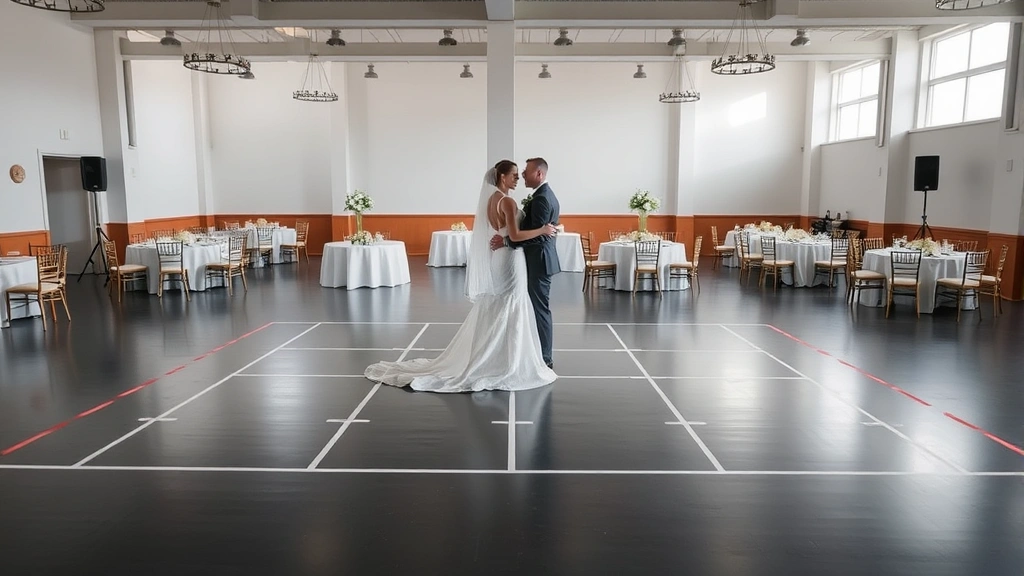
Setting Your Budget and Timeline
The foundation of any successful DIY wedding is establishing a realistic budget and timeline. Before you make any other decisions, sit down with your partner and discuss how much you’re willing to spend. This isn’t just about total dollars—you’ll need to allocate funds across multiple categories including venue, catering, photography, flowers, music, and miscellaneous items.
Start by listing all potential expenses and assigning percentages to each category. Traditionally, venues consume 20-30% of your budget, catering takes another 25-35%, and photography claims 10-15%. However, your personal priorities may shift these percentages significantly. If you’re a music lover, perhaps you’ll allocate more to entertainment. If photography is paramount, budget accordingly.
Your timeline should work backward from your wedding date. If you’re planning a wedding 12 months away, you’ll want to secure your venue within the first 2-3 months. Vendors typically book 6-9 months in advance, so early action is crucial. Create a detailed planning checklist similar to how you’d approach any major home project, breaking tasks into monthly, quarterly, and pre-wedding phases.
Consider using free or low-cost planning tools like spreadsheets, Pinterest boards, or wedding planning apps to track your progress. Many couples find that having a shared digital document allows both partners to contribute ideas and stay on the same page throughout the process.
Creating Your Guest List and Venue Selection
Your guest list directly influences every other aspect of your wedding, from budget to venue size to catering quantities. Begin by creating a preliminary list of everyone you’d like to invite, then work backward from your budget constraints. A good rule of thumb is that roughly 75-80% of invited guests will attend, though this varies by location and relationship type.
Categorize your guest list into tiers: immediate family and closest friends (must-invites), extended family and close friends (high priority), acquaintances and colleagues (nice-to-have), and casual contacts (optional). This tiered approach helps when you need to trim your list to fit your budget or venue capacity.
Once you have a guest count estimate, you can search for venues that accommodate your numbers. Visit potential venues in person—don’t rely solely on photos or virtual tours. Ask about capacity, available dates, parking, weather contingencies, and what’s included in their rental fee. Some venues provide tables, chairs, and basic décor, while others offer only a blank space.
Think about your venue type carefully. Traditional options include banquet halls, restaurants, country clubs, and hotels. However, many DIY couples choose non-traditional venues like barns, vineyards, parks, or even their own backyard. Non-traditional venues often cost less but may require you to source additional services like restrooms, parking, and permits.
Always confirm what permits and insurance are required for your chosen venue. Some locations require liability insurance, and outdoor venues often need special event permits from local authorities. These requirements should be factored into your budget and timeline.
Finding and Managing Vendors
Vendor selection is where your DIY wedding planning becomes truly collaborative. You’ll need to find and vet photographers, caterers (or plan catering yourself), florists, musicians or DJs, and potentially other specialists depending on your vision.
Start by asking for referrals from friends and family who’ve recently married. Personal recommendations are invaluable because you can see actual work samples and hear honest feedback. Use online platforms like The Knot, WeddingWire, and Google Reviews to research vendors in your area, but always verify their work through portfolios and references.
When contacting vendors, be specific about your needs. Provide your wedding date, guest count, venue, and general vision. Request detailed quotes that break down all costs—some vendors quote low initial prices but add numerous hidden fees. Always get everything in writing, including cancellation policies, payment schedules, and what’s included in their service.
Interview multiple vendors before making decisions. Ask about their experience with weddings similar to yours, how they handle problems, and what their timeline looks like for delivering final products. For photographers, discuss the number of hours they’ll be present, the number of images you’ll receive, and whether they provide prints or digital files.
If you’re planning to handle catering yourself, learn how to prepare beverages efficiently and create a detailed menu plan. Consider dietary restrictions and allergies when planning your menu. Many DIY couples opt for food stations or family-style service, which can be more affordable and easier to manage than plated service.
Create a vendor timeline spreadsheet listing each vendor’s contact information, contract dates, payment schedule, and any important deadlines. This keeps everything organized and ensures you don’t miss critical communication or payment dates.
Design and Décor Planning
Your wedding’s aesthetic sets the tone for the entire event. Start by gathering inspiration from wedding blogs, Pinterest, Instagram, and magazines. Create mood boards organizing colors, styles, and specific décor elements you love. This visual reference helps you communicate your vision to vendors and guides your purchasing decisions.
Choose a color palette of 2-4 colors that will appear throughout your wedding. Consistent colors create visual cohesion across invitations, centerpieces, bridesmaids’ dresses, and other elements. Consider how colors will photograph and how they’ll look in your venue’s lighting.
Develop a detailed décor plan including centerpieces, linens, lighting, flowers, and any special installations. Sketch out your reception layout showing table placement, the dance floor, gift table, and bar area. This planning prevents last-minute scrambling and helps you visualize the space.
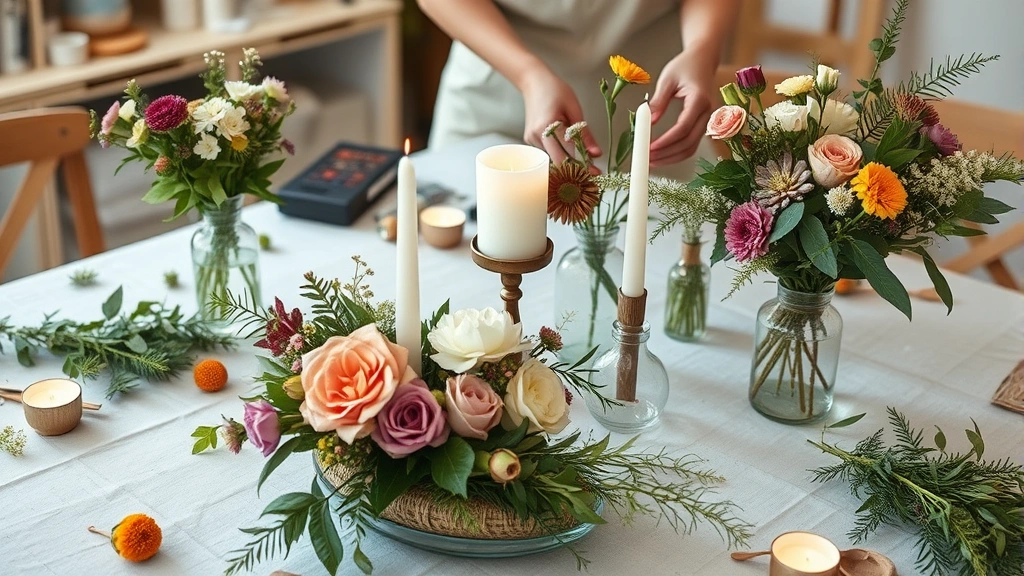
Many DIY couples save significantly on flowers by using seasonal blooms and simple arrangements. Learn basic floral design or recruit a crafty friend to help. Greenery, branches, and candles can create impressive centerpieces without the cost of elaborate floral designs.
For lighting, consider string lights, uplighting, or candles to transform your venue. Lighting is one of the most impactful décor elements and can dramatically enhance photography. If your venue has dim lighting, investing in proper lighting becomes even more important.
Create a detailed shopping list organized by category and deadline. Note where you’ll purchase items, estimated costs, and when items need to arrive. This prevents duplicate purchases and ensures you acquire everything with time to spare for adjustments.
Managing Logistics and Day-Of Coordination
As your wedding date approaches, shift focus to logistics and day-of coordination. Create a comprehensive timeline for your wedding day including vendor arrival times, ceremony start, cocktail hour, reception activities, and send-off. Share this timeline with all vendors and your wedding party.
Develop a detailed vendor contact list with phone numbers for each service provider. Designate someone as the day-of coordinator—this could be you, a trusted friend, or a hired coordinator for just that day. This person manages timeline adherence, troubleshoots problems, and ensures vendors are where they need to be when they need to be there.
Plan your ceremony carefully, including music selections, readings, vows, and any special traditions. Create a detailed run-of-show document for your officiant and wedding party. Brief all participants on their roles and timing.
For the reception, plan your music or DJ playlist in advance. Provide your DJ or music curator with must-play songs, do-not-play songs, and specific timing for key moments like dinner, toasts, first dance, and cake cutting. Having a structured reception flow prevents awkward lulls and keeps energy high.
Arrange transportation for your wedding party and consider shuttle services for guests if your venue is difficult to access. Plan parking carefully—insufficient parking creates frustration and reduces guest enjoyment. If your venue doesn’t provide parking, secure nearby lots in advance.
Create a detailed floor plan showing table assignments, décor placement, and traffic flow. Share this with your venue coordinator so they can set up according to your specifications. Walk through the venue during setup to confirm everything matches your vision.
Prepare a wedding day emergency kit including safety pins, sewing supplies, stain remover, pain relievers, antacids, tissues, bobby pins, and phone chargers. Assign someone to manage this kit and keep it accessible throughout the day.
Brief your wedding party on their responsibilities, timeline, and what to wear. Provide clear instructions for any special roles like readings or toasts. The more prepared your wedding party is, the smoother your day will run.
Consider hiring a day-of coordinator even if you’re handling all other planning yourself. This professional manages timing, vendor coordination, and problem-solving, allowing you to actually enjoy your wedding. The cost (typically $500-1500) is often worth the peace of mind.
FAQ
How far in advance should I start planning my wedding?
Ideally, begin planning 12-18 months before your wedding date. This timeline allows you to secure popular venues and vendors, plan thoughtfully, and avoid rushed decisions. However, if you have a shorter timeline, focus first on venue and key vendors, then work through other details.
What’s the average cost of a DIY wedding?
DIY weddings typically cost 30-50% less than vendor-coordinated events, but costs vary dramatically by location, guest count, and your choices. A small DIY wedding might cost $5,000-10,000, while larger events can easily exceed $30,000. Your budget is entirely flexible based on your priorities.
Can I really save money planning my own wedding?
Yes, you can save significantly by handling coordination yourself, DIYing décor, and making strategic vendor choices. However, recognize that your time has value. Some couples find that hiring professionals for specific tasks saves money and stress compared to DIY efforts that consume significant personal time.
What’s the most stressful part of DIY wedding planning?
Most couples cite vendor coordination and timeline management as the most stressful elements. Staying organized with detailed spreadsheets and checklists helps tremendously. Don’t hesitate to ask for help from friends and family—wedding planning is a team sport.
Should I hire a wedding planner if I’m doing DIY planning?
You don’t need a full-service planner, but hiring a day-of coordinator is highly recommended. This professional handles logistics, vendor management, and troubleshooting while you enjoy your celebration. Alternatively, recruit an exceptionally organized friend or family member for this crucial role.
How do I manage guest accommodations and travel?
Provide guests with travel information, hotel recommendations, and parking details well in advance. If guests are traveling from out of town, consider hosting a welcome dinner or providing welcome bags. Create a wedding website with all logistical information, travel suggestions, and RSVP mechanisms.

Related Posts

Superscript in Google Docs: Expert Tips

Strikethrough in Excel: Easy Steps for Beginners
