
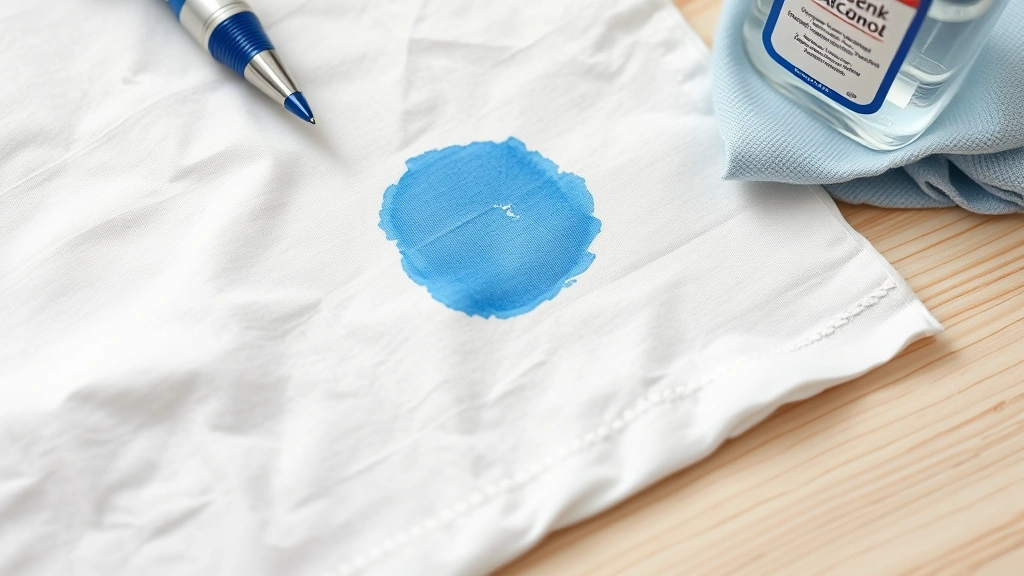
Remove Ink Stains from Clothes: Expert Tips
Remove Ink Stains from Clothes: Expert Tips and Proven Methods
Ink stains are among the most stubborn marks you’ll encounter on fabric, whether from a leaking ballpoint pen, printer mishap, or marker accident. The good news is that with the right approach and immediate action, you can successfully remove most ink stains before they become permanent. This comprehensive guide walks you through professional techniques used by dry cleaners and fabric restoration experts, combined with accessible household solutions that deliver results.
The key to successful ink stain removal lies in understanding the type of ink you’re dealing with and acting quickly before the stain sets. Different inks require different treatment approaches, and timing makes an enormous difference in whether your favorite garment is salvageable. Whether you’re dealing with ballpoint pen, gel pen, permanent marker, or printer ink, we’ve got you covered with step-by-step instructions and troubleshooting tips.
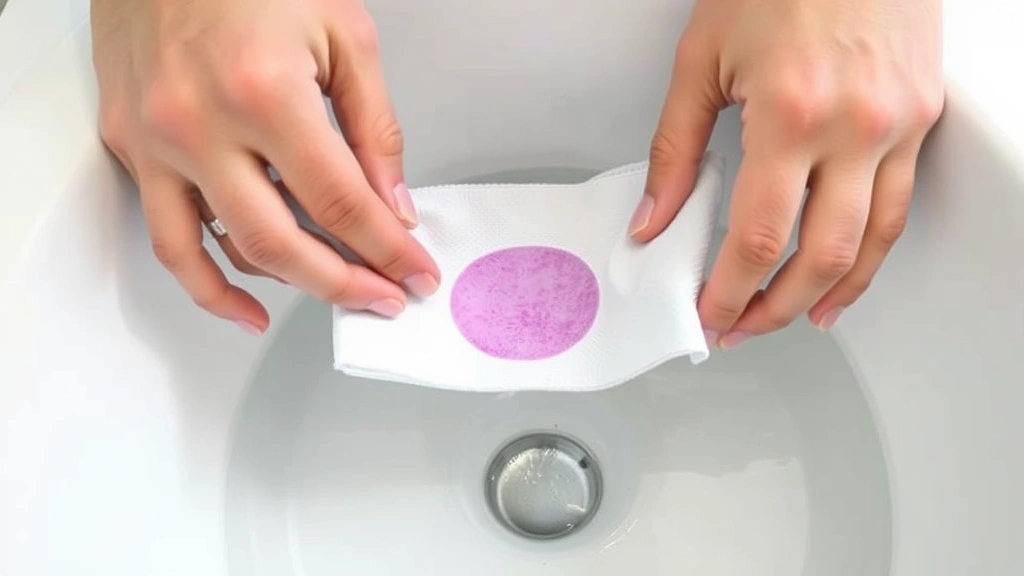
Identify Your Ink Type
Before you begin treating an ink stain, determining what type of ink you’re dealing with is crucial. Different ink formulations respond to different solvents and treatments. Ballpoint pen ink is oil-based and sits on fabric fibers rather than penetrating deeply, making it relatively easier to remove if caught early. Gel pen ink contains more water-based components and can spread quickly through fabric. Permanent markers use alcohol-based dyes designed to resist removal, requiring more aggressive treatment. Printer ink varies significantly depending on whether you have an inkjet or laser printer.
Identifying the stain source helps you select the most effective solvent. If you’re unsure what caused the stain, start with the gentlest method and progress to stronger solutions. Testing your chosen treatment on a hidden seam or inconspicuous area first prevents accidental damage to visible portions of your garment. This simple precaution saves countless clothes from being ruined by well-intentioned but inappropriate treatment methods.
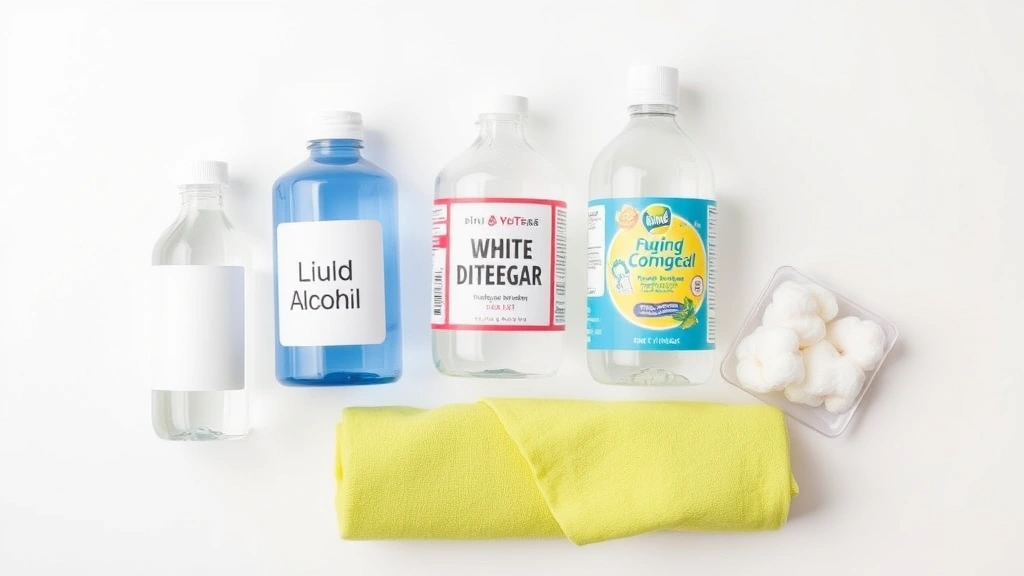
Immediate Action Steps
The first few minutes after an ink stain occurs determine your success rate. Never wash the garment in hot water or put it in the dryer, as heat sets ink stains permanently into fabric fibers. Instead, follow these immediate steps:
- Blot the stain gently with a clean, white cloth or paper towel to remove excess ink without rubbing it deeper into the fabric
- Remove the garment and place it on a flat surface with an absorbent cloth underneath to catch excess liquid
- Do not rub or scrub the stain, as this spreads ink to surrounding fibers
- Work from the outside edges of the stain toward the center to prevent it from expanding
- If the stain is still wet, you have a significant advantage in removing it completely
Timing is everything in stain removal. Fresh ink stains are 10 times easier to remove than dried stains because the ink hasn’t bonded with fabric fibers. If you’re at work or away from home when the stain occurs, blot it immediately with any available white cloth and rinse with cool water if possible. Then place the garment in a plastic bag to prevent the stain from drying until you can treat it properly at home.
Ballpoint Pen Ink Removal
Ballpoint pen stains are among the most common ink problems, and fortunately, they’re often the easiest to treat. The oil-based formula of ballpoint ink means it responds well to solvents that break down oils and fats.
Method 1: Rubbing Alcohol Treatment
Rubbing alcohol (isopropyl alcohol) is one of the most effective solutions for ballpoint pen ink. Pour rubbing alcohol onto a clean cloth and dab the stain repeatedly, working from the outer edges toward the center. The ink will gradually transfer from the fabric to the cloth. Continue this process, using fresh portions of cloth as the ink transfers, until no more ink comes out. Rinse the treated area thoroughly with cool water and allow it to air dry before washing normally.
Method 2: Hairspray Solution
Many hairsprays contain alcohol, making them surprisingly effective for ballpoint ink removal. Spray the stain lightly with hairspray and immediately blot with a clean cloth. Repeat this process several times, always working from the stain’s edges inward. This method works best on fresh stains and lighter ink colors. After treatment, rinse thoroughly with cool water to remove any hairspray residue that could attract dirt.
Method 3: Acetone-Based Nail Polish Remover
For stubborn ballpoint stains, acetone is more powerful than rubbing alcohol. Test this on a hidden area first, as acetone can damage some synthetic fabrics. Apply acetone with a cloth or cotton ball, blotting the stain repeatedly. The strong solvent breaks down the oil-based ink effectively. Rinse thoroughly with cool water and wash the garment to remove all acetone residue, which can damage fabric if left too long.
Gel Pen and Permanent Marker Techniques
Gel pen and permanent marker stains present greater challenges because these inks contain different chemical compounds than ballpoint ink. However, they’re still removable with the right approach and persistence. If you’re dealing with general fabric care questions, our guide on FixWiseHub Blog – How-To Guides and Tutorials covers comprehensive household maintenance strategies.
Gel Pen Ink Removal
Gel pen inks are water-based with added pigments and polymers that make them more resistant to simple solvents. Start by soaking the stained area in cold water for 15-30 minutes to loosen the ink. Then apply a small amount of liquid laundry detergent directly to the stain and gently work it in with an old toothbrush, using circular motions. Rinse with cool water and repeat if necessary. For older gel pen stains, soak the garment in a mixture of one part white vinegar to three parts water overnight before treating with detergent.
Permanent Marker Stain Solutions
Permanent markers use alcohol-based dyes specifically formulated to resist removal. Attacking these stains requires stronger solvents. Rubbing alcohol is your first line of defense—apply it liberally and blot repeatedly. If that doesn’t work, try acetone-based nail polish remover on a test area first. Another effective option is using hairspray with high alcohol content, applied and blotted repeatedly. For particularly stubborn permanent marker stains, consider using denatured alcohol (available at hardware stores), which is stronger than rubbing alcohol but requires careful handling and good ventilation.
Printer Ink Solutions
Printer ink stains differ significantly from pen and marker stains because the ink composition varies by printer type. Understanding your printer type helps you choose the most effective treatment approach.
Inkjet Printer Ink Removal
Inkjet inks are water-based, making them somewhat easier to remove than oil-based ballpoint ink. For fresh inkjet stains, cold water and detergent often work well. Soak the stained area in cold water for 15 minutes, then apply liquid laundry detergent and gently rub. Rinse thoroughly and repeat if the stain persists. For dried inkjet stains, soak overnight in cool water mixed with a small amount of white vinegar before treating with detergent. The vinegar helps break down the ink’s polymer components.
Laser Printer Toner Removal
Laser printer stains are actually melted plastic toner fused to fabric, making them extremely challenging to remove. Never use solvents or heat, as these can further melt the toner into fibers. Instead, allow the toner to dry completely, then carefully scrape away excess with a dull knife or credit card. For remaining stains, try rubbing alcohol on a cloth, blotting gently without scrubbing. Laser printer stains often require professional dry cleaning for complete removal.
Advanced Stain Removal Methods
When standard methods don’t fully remove ink stains, these advanced techniques can help salvage your garment. These methods work best when combined with proper fabric care practices similar to those discussed in our guide on how to clean a coffee maker, where persistence and the right technique matter.
Milk and Vinegar Soak
This traditional method works surprisingly well on many ink stains. Mix equal parts whole milk and white vinegar to create a slightly acidic solution. Soak the stained garment in this mixture for 2-4 hours, then treat with liquid detergent and rinse thoroughly. The milk’s proteins help break down ink molecules while the vinegar’s acidity aids removal. This method is gentle enough for delicate fabrics and often works on stains that resist other treatments.
Glycerin Treatment
Glycerin is a powerful solvent for many ink types. Apply pure glycerin directly to the stain and let it sit for 15-30 minutes. Then gently work the stain with an old toothbrush, using circular motions. Rinse with cool water and repeat if necessary. Glycerin is particularly effective on ballpoint and gel pen stains. It’s gentler than acetone and works well on delicate fabrics that might be damaged by stronger solvents.
Alcohol and Ammonia Combination
For extremely stubborn stains, combine equal parts rubbing alcohol and household ammonia (never mix ammonia with bleach or other chemicals). Apply this mixture to the stain with a cloth and blot repeatedly. This combination is more powerful than either solvent alone and works on permanent marker and older ink stains. Use in a well-ventilated area and test on hidden fabric first, as this mixture can damage some delicate materials.
Enzyme-Based Stain Removers
Commercial enzyme-based stain removers like Family Handyman’s stain removal guide break down organic compounds in ink. These products are particularly effective on fresh stains and work on multiple ink types. Follow the product instructions carefully, typically applying the enzyme remover directly to the stain, letting it sit for the recommended time, then washing normally. Enzyme removers are safe for most fabrics and often available at grocery stores and home improvement retailers.
Oxygen-Based Bleach Soak
For white or very light-colored fabrics, oxygen-based bleach (like OxiClean) can help remove stubborn ink stains without the harshness of chlorine bleach. Dissolve the product in cool water according to package directions and soak the garment for 6-8 hours or overnight. This method works gradually and is safe for most fabrics, though always test on a hidden area first. The oxygen molecules work to break down the ink structure without damaging cloth fibers.
Prevention and Protection
While knowing how to remove ink stains is valuable, preventing them in the first place is always preferable. Implementing simple prevention strategies protects your favorite clothes and reduces laundry stress.
Pen Storage and Handling
Store pens upright in a cup or container rather than loose in bags or pockets where they might leak. Check pen caps regularly to ensure they seal properly, and replace pens with damaged caps immediately. Consider using gel pens with secure clip mechanisms instead of ballpoint pens, as gel pens are less likely to leak when capped properly. Keep permanent markers in a sealed container away from fabrics, and always recap them immediately after use.
Workplace Prevention
If you work in an office environment, keep extra pens at your desk rather than carrying multiple pens in shirt pockets where they might leak directly onto fabric. Use a small pen case or desk organizer to contain pens securely. When handling documents with wet ink, allow the ink to dry completely before moving the paper to prevent transfer onto clothing.
Fabric-Specific Protection
Certain fabrics are more susceptible to ink stain damage than others. Delicate fabrics like silk, linen, and light-colored cotton require extra care around writing instruments. Consider wearing an apron or protective layer when working with pens or markers, especially if wearing light-colored clothing. When possible, keep writing instruments away from delicate garments entirely.
Fabric Treatment Products
Applying fabric protectant spray to clothing before situations where ink stains might occur creates a barrier that helps prevent ink from bonding with fibers. These products, available at most retailers selling fabric care items, work on many fabric types and provide some protection against various stains. Reapply after washing as directed on the product label.
For comprehensive home maintenance knowledge, explore our guide on how to install a toilet, which demonstrates the same methodical approach to household challenges.
FAQ
Can I use bleach to remove ink stains?
Chlorine bleach should generally be avoided for ink stain removal, as it can damage fabric and sometimes set stains permanently. Oxygen-based bleach is a safer alternative for light-colored fabrics. Always test any bleach product on a hidden area first.
What should I do if the ink stain has already dried?
Dried ink stains are more challenging but not impossible to remove. Soak the garment in cool water for 30 minutes to an hour to rehydrate the stain, then apply your chosen treatment method. Older stains may require overnight soaking or multiple treatment applications.
Is it safe to use acetone on all fabrics?
No, acetone can damage synthetic fabrics, particularly acetate and triacetate. Always test acetone on a hidden seam or inside hem first. For delicate or synthetic fabrics, stick with gentler solvents like rubbing alcohol or glycerin.
How long should I soak a garment to remove ink stains?
Soaking times vary by method and stain severity. Most cold water or detergent soaks work best for 15 minutes to 4 hours. Vinegar and milk soaks can go 2-4 hours. Overnight soaks (8-12 hours) work well for stubborn or dried stains. Always check the garment periodically during soaking.
Can professional dry cleaning remove old ink stains?
Yes, professional dry cleaners have access to specialized solvents and equipment that can often remove stains that resist home treatment. However, dry cleaning is expensive and not always successful on very old or set-in stains. Try home methods first, especially on fresh stains.
What’s the difference between treating ink stains on white versus colored fabrics?
Colored fabrics require gentler treatment to avoid color damage. Avoid chlorine bleach and stronger solvents on colored clothing. Stick with rubbing alcohol, glycerin, detergent, and vinegar solutions. White and light-colored fabrics can tolerate stronger treatments, including oxygen-based bleach.
Should I wash the garment in hot or cold water after treating an ink stain?
Always use cold water when treating ink stains and for the final rinse after treatment. Hot water can set ink stains permanently. Even after successful stain removal treatment, wash the garment in cool water to prevent any remaining ink particles from setting.
How can I tell if an ink stain is completely removed?
The stain is fully removed when the treated area matches the surrounding fabric color with no visible discoloration. Sometimes faint shadows remain after treatment—allow the garment to air dry completely to see the final result, as wet fabric can appear darker. If the stain is still visible after air drying, repeat treatment steps before washing.

Related Posts

Superscript in Google Docs: Expert Tips

Strikethrough in Excel: Easy Steps for Beginners
