

Remove Dry Erase Marker Stains: Expert Tips
How to Get Dry Erase Marker Out of Clothes: Expert Tips and Proven Methods
Dry erase markers are convenient tools for classrooms, offices, and home organization, but they can become a nightmare when they accidentally stain your clothing. Unlike permanent markers, dry erase markers are designed to be erasable, which means the ink has different properties that require specific removal techniques. The good news is that with the right approach, you can successfully remove dry erase marker stains from most fabrics before they set permanently.
Whether you’ve experienced a marker mishap at work, school, or home, understanding how to treat these stains quickly and effectively can save your favorite clothes. The key is acting fast and using the proper solvents and techniques that work with the marker’s composition rather than against it. This comprehensive guide will walk you through multiple methods, from household solutions to commercial products, ensuring you have several options to tackle this common problem.
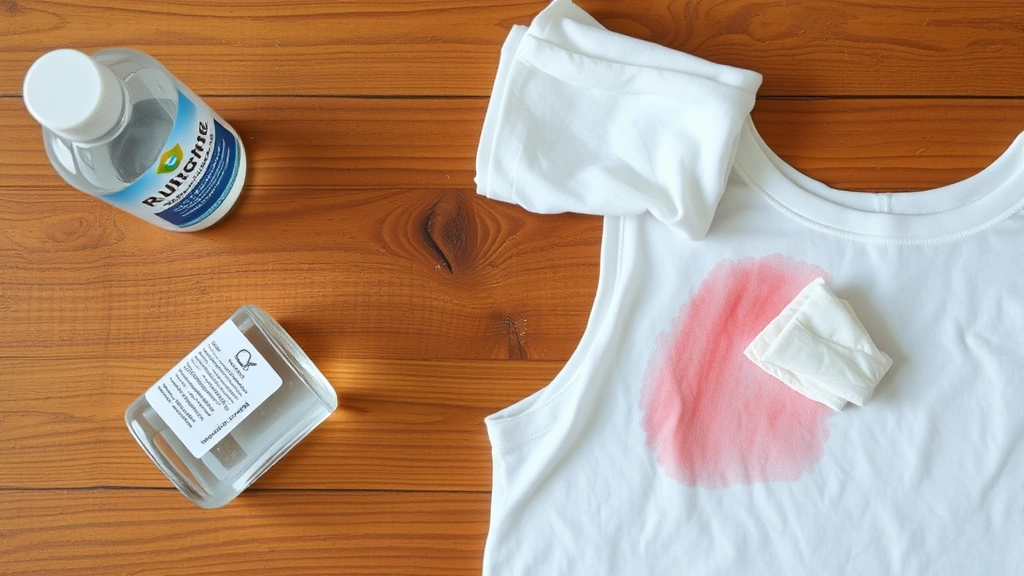
Understanding Dry Erase Marker Composition
Dry erase markers contain a unique formulation that sets them apart from permanent markers. The ink is made up of color pigments suspended in a carrier solution that includes oils, solvents, and resins. This composition allows the ink to adhere to non-porous surfaces like whiteboards without permanently bonding, making it easily erasable with a dry cloth or specialized eraser.
When dry erase marker ink comes into contact with fabric, it behaves differently than permanent marker ink. The oil-based components in the marker can penetrate fabric fibers, but because the formulation is designed to be removable, the stains are often more responsive to solvent-based treatments. Understanding this chemistry helps explain why certain removal methods work better than others for these particular stains.
The challenge with dry erase markers on clothing is timing. Fresh stains are significantly easier to remove than dried ones because the ink hasn’t fully set into the fabric fibers. The longer the stain sits, the more the pigments bond with the material, making removal progressively more difficult. This is why immediate action is your best defense against permanent discoloration.
Immediate Steps After Staining
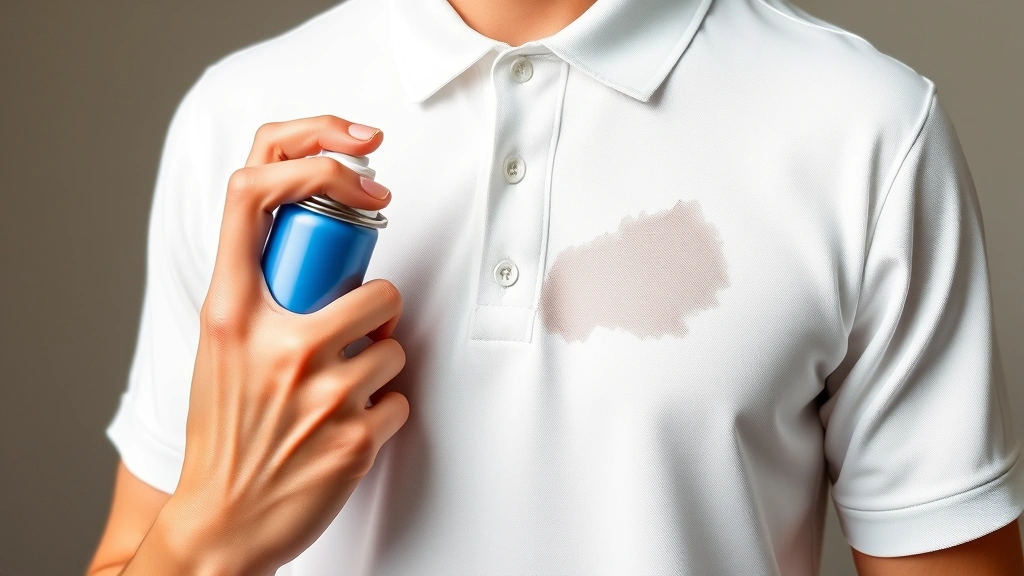
The moment you notice dry erase marker on your clothing, your first instinct might be to rub it, but resist that urge. Rubbing will only spread the stain further into the fabric and make it worse. Instead, follow these crucial initial steps:
- Stop and assess: Determine the extent of the stain and identify the fabric type. Look at the garment’s care label to understand what treatments are safe.
- Avoid water initially: Don’t immediately wash the stained area with water, as this can set the stain deeper into the fibers.
- Blot gently: Use a clean, white cloth or paper towel to gently blot the stained area without pressing hard or rubbing in circular motions.
- Move to a clean surface: As you blot, move to clean sections of your cloth to avoid transferring marker back onto the garment.
- Remove excess marker: If there’s wet marker on the surface, carefully remove it with a tissue before it dries further.
These preliminary steps prevent the stain from spreading and give you the best chance of success with removal treatments. Taking 30 seconds to handle the stain properly can make the difference between complete removal and a permanent mark.
Method 1: Rubbing Alcohol Treatment
Rubbing alcohol is one of the most effective and widely available solutions for removing dry erase marker stains from clothing. The alcohol acts as a solvent that breaks down the oil-based components of the marker ink, allowing it to lift away from fabric fibers.
What you’ll need:
- Isopropyl rubbing alcohol (70% or higher concentration)
- Clean white cloths or paper towels
- Small bowl or container
- Gentle brush or old toothbrush (optional)
- Liquid laundry detergent
Step-by-step process:
- Pour rubbing alcohol into a small bowl and test it on an inconspicuous area of the garment first to ensure it won’t damage the fabric or cause color bleeding.
- Dampen a clean cloth with rubbing alcohol and gently dab the stained area. Avoid rubbing in circular motions; instead, use a blotting motion to lift the marker from the fabric.
- As the marker transfers to your cloth, move to a clean section of the cloth and repeat. Continue this process until no more marker comes off.
- For stubborn stains, you can use a soft brush to gently work the alcohol into the fabric, but be cautious not to damage delicate materials.
- Once the stain is removed or significantly reduced, rinse the area with cool water to remove excess alcohol.
- Apply a small amount of liquid laundry detergent directly to the area and gently work it in with your fingers or a soft cloth.
- Rinse thoroughly with cool water until all soap residue is gone.
- Wash the garment normally in the washing machine with your regular laundry detergent.
Rubbing alcohol works particularly well on cotton, polyester, and synthetic blends. For delicate fabrics like silk or wool, test in a hidden area first and consider using a lower concentration alcohol solution.
Method 2: Hand Sanitizer Solution
Hand sanitizer, which typically contains 60-70% alcohol, can serve as an effective dry erase marker stain remover in a pinch. This method is convenient because most people have hand sanitizer readily available at home or work, making it ideal for immediate treatment.
Application process:
- Apply hand sanitizer directly to the stained area of the fabric. You want enough to saturate the stain but not so much that it drips off the garment.
- Let it sit for 2-3 minutes to allow the alcohol to penetrate the fabric and break down the marker ink.
- Using a clean cloth, gently blot the stained area. The marker should begin transferring to your cloth.
- Continue blotting with fresh sections of cloth until the stain is no longer transferring.
- Rinse the area with cool water to remove the hand sanitizer residue.
- Wash the garment as you normally would.
While hand sanitizer is convenient, it’s generally less concentrated than rubbing alcohol, so it may require more applications for heavily stained areas. Additionally, some hand sanitizers contain additives like aloe vera or fragrance that might leave their own residue, so plain alcohol-based sanitizers work best.
Method 3: Hairspray and Detergent
An older but surprisingly effective method combines hairspray with laundry detergent. Many hairsprays contain solvents similar to those in rubbing alcohol, making them effective at breaking down dry erase marker ink. This method works particularly well as a second attempt if initial treatments haven’t fully removed the stain.
Materials needed:
- Aerosol hairspray (alcohol-based, not gel or moisturizing formulas)
- Liquid laundry detergent
- Clean white cloth
- Warm water
Detailed instructions:
- Spray hairspray directly onto the stained area until it’s thoroughly saturated. The fabric should be wet but not dripping.
- Allow the hairspray to sit for 3-5 minutes so the solvents can work on the marker ink.
- Gently blot with a clean cloth, using a dabbing motion rather than rubbing. Move to clean sections of the cloth as the marker transfers.
- Once the majority of the stain has been lifted, apply a small amount of liquid laundry detergent directly to any remaining discoloration.
- Gently rub the detergent in with your fingers or a soft cloth to create a lather.
- Rinse thoroughly with cool water until all soap and hairspray residue are gone.
- Wash the garment in your washing machine with regular detergent and warm water.
This method is particularly useful for synthetic fabrics and can be effective even on partially dried stains. However, test hairspray on a hidden area first, as some formulations might affect certain dyes or fabric finishes.
Method 4: Acetone-Based Nail Polish Remover
Acetone is a powerful solvent that can effectively dissolve dry erase marker ink. Nail polish remover containing acetone should be used carefully and only on fabrics that can tolerate strong solvents, but it’s highly effective for stubborn stains that resist other methods.
Safety considerations:
- Acetone can damage certain synthetic fabrics, so always test on an inconspicuous area first.
- Ensure good ventilation when using acetone, as the fumes can be strong.
- Avoid using on delicate fabrics, silk, or anything with special finishes unless you’ve confirmed it’s safe.
- Keep acetone away from skin and eyes.
Application method:
- Test acetone-based nail polish remover on a hidden area of the garment to ensure it won’t damage the fabric.
- Dampen a clean cloth with the nail polish remover.
- Gently dab the stained area, working from the outside edges toward the center to prevent spreading.
- As the marker lifts, move to clean sections of your cloth.
- Continue until the stain is removed or no longer transferring.
- Rinse the area thoroughly with cool water multiple times to remove all acetone residue.
- Wash the garment immediately in cool or warm water with regular detergent.
Acetone works quickly and effectively but should be your last resort for stubborn stains since it’s more harsh than other methods. It’s particularly effective on cotton and natural fiber blends.
Treating Dried Stains
If the dry erase marker stain has already dried, removal becomes more challenging but not impossible. Dried stains require more aggressive treatment and patience, as the pigments have had time to bond more firmly with the fabric fibers.
For dried stains, follow this approach:
- Start with the gentlest method: Begin with rubbing alcohol, as it’s effective and less damaging than stronger solvents.
- Extend soaking time: Let the alcohol sit on the stain for 5-10 minutes rather than just 2-3 minutes, allowing more time for the solvent to penetrate and loosen the ink.
- Use gentle agitation: Instead of just blotting, you can gently brush the area with a soft brush in one direction to help lift the marker.
- Make multiple passes: Dried stains often require several applications. After each pass, assess the remaining stain and repeat if necessary.
- Progress to stronger solvents: If alcohol doesn’t work, move to hairspray, then acetone as a final option.
- Consider commercial stain removers: Products like stain removal solutions from Family Handyman can provide additional options.
Patience is essential with dried stains. Rushing the process or using excessive force can damage the fabric. Some very old or set-in stains may require professional dry cleaning, where professionals have access to industrial solvents and equipment.
Fabric-Specific Considerations
Different fabrics respond differently to stain removal treatments, and using the wrong method can damage your clothing. Always check the care label and consider these fabric-specific guidelines:
Cotton and cotton blends: These durable fabrics tolerate most removal methods well. Rubbing alcohol, hairspray, and acetone all work effectively on cotton without risk of damage.
Polyester and synthetic blends: These fabrics are generally safe with alcohol-based treatments, but avoid prolonged contact with acetone, which can damage some synthetics. Test first to be safe.
Wool: Use only gentle treatments like diluted rubbing alcohol or hand sanitizer. Avoid acetone and excessive rubbing, as wool is delicate and can be easily damaged.
Silk: This delicate fabric requires careful handling. Use only diluted alcohol solutions and test extensively on a hidden area. Consider professional dry cleaning for valuable silk garments.
Delicate or specialty fabrics: For items like cashmere, linen, or fabrics with special finishes, professional dry cleaning is often the safest option.
When in doubt about fabric compatibility, consult This Old House’s comprehensive stain removal guide or professional cleaners in your area.
Prevention Strategies
While knowing how to remove dry erase marker stains is valuable, preventing them in the first place is even better. Implement these strategies to avoid future accidents:
Storage and handling: Store dry erase markers in a designated container with caps securely fastened. Keep markers away from pockets and areas where they could accidentally contact clothing.
Workspace awareness: If you work with dry erase markers regularly, wear an apron or lab coat to protect your clothing. This is particularly important for teachers, engineers, and office workers who use whiteboards frequently.
Choose quality markers: Higher-quality dry erase markers are less likely to leak or stain unexpectedly. Cheap markers often have defective caps or leaky tips.
Regular marker maintenance: Check marker caps regularly and replace any with cracks or loose fits. Throw away dried-out markers that might leak when capped improperly.
Clothing choices: When you know you’ll be working with markers, wear clothing you don’t mind potentially staining. Reserve your favorite outfits for marker-free environments.
Quick response protocol: Establish a habit of immediately checking yourself for marker stains after working with whiteboards. Catching stains early makes removal exponentially easier.
For related cleaning tips, check out our guide on how to clean a coffee maker, which uses similar gentle solvent-based approaches for delicate surfaces.
FAQ
Can I use water to remove dry erase marker stains?
Plain water alone is not effective for removing dry erase marker stains from clothing. In fact, water can sometimes set the stain by pushing the oil-based ink deeper into fabric fibers. Always use solvent-based treatments like rubbing alcohol, hairspray, or hand sanitizer before attempting to wash with water.
Will dry cleaning remove dry erase marker stains?
Yes, professional dry cleaning is often effective for removing dry erase marker stains, especially from delicate or valuable garments. Dry cleaners have access to industrial solvents and specialized equipment that can handle stubborn stains. If home remedies haven’t worked, professional dry cleaning is a worthwhile option.
How long do I have to remove the stain before it becomes permanent?
Fresh stains are easiest to remove immediately after they occur. However, you typically have several hours before the stain becomes significantly more difficult to remove. Even dried stains from days or weeks ago can often be removed with patience and stronger solvents, though results aren’t guaranteed.
Can I use bleach on dry erase marker stains?
Bleach is not recommended for removing dry erase marker stains. Bleach works by breaking down color molecules but doesn’t effectively dissolve the oil-based components of marker ink. Additionally, bleach can damage or discolor many fabrics. Stick with solvent-based treatments instead.
What if the stain won’t come out after trying multiple methods?
If home removal methods haven’t worked, your options include professional dry cleaning or accepting the stain as a permanent mark on the garment. Some very stubborn stains may have bonded too deeply with the fabric fibers to be completely removed. In these cases, consider dyeing the garment a darker color to mask the stain, or repurposing the item as casual wear.
Is it safe to use these removal methods on colored clothing?
Most removal methods are safe on colored clothing, but always test on a hidden area first. Rubbing alcohol and hand sanitizer are generally safe, but some hairsprays or acetone might affect certain dyes. Testing prevents accidental color damage while treating the marker stain.
Can I machine wash immediately after treatment?
Yes, machine washing after solvent treatment is actually recommended to remove any remaining residue. Use cool or warm water with regular laundry detergent. Avoid hot water, as it can sometimes set any remaining stain. Dry the garment only after confirming the stain is completely gone, as heat can permanently set residual marks.

Related Posts

Superscript in Google Docs: Expert Tips

Strikethrough in Excel: Easy Steps for Beginners
