

Master the Art of Folding Pocket Squares for a Dapper Look
The pocket square is a timeless accessory that can instantly elevate any gentleman’s attire from ordinary to extraordinary. This small piece of fabric, when folded and placed correctly in your jacket’s breast pocket, speaks volumes about your attention to detail and sartorial sophistication. Whether you’re attending a formal business meeting, a wedding, or simply want to add a touch of elegance to your everyday look, mastering the art of pocket square folding is an essential skill for the modern gentleman.
Understanding how to fold a pocket square properly is more than just a fashion statement—it’s about expressing your personal style and demonstrating respect for the occasion. From the classic presidential fold to more intricate arrangements like the puff fold or the three-point fold, each technique serves a different purpose and creates a unique aesthetic. The beauty of pocket squares lies in their versatility; they can complement your tie, contrast with your shirt, or serve as the statement piece that ties your entire outfit together.
Choosing the Right Pocket Square
The foundation of mastering pocket square folding begins with selecting the appropriate fabric and size. High-quality pocket squares are typically made from silk, cotton, linen, or wool, each offering distinct advantages. Silk provides the most luxurious appearance and holds folds exceptionally well, making it perfect for formal occasions. Cotton offers durability and ease of maintenance, while linen provides a more casual, textured look ideal for daytime events.
Size matters significantly when it comes to pocket squares. The standard size ranges from 10 to 17 inches square, with 12-13 inches being the most versatile. Larger squares provide more fabric to work with, allowing for more elaborate folds and fuller presentations. However, beginners should start with medium-sized squares as they’re easier to manipulate and less likely to overwhelm the pocket.
Color and pattern selection requires careful consideration of your overall outfit. Solid colors are the most versatile and easiest to coordinate, while patterns add visual interest but require more skill to match effectively. The Men’s Wearhouse guide suggests that your pocket square should complement, not match exactly, your tie or shirt for the most sophisticated look.
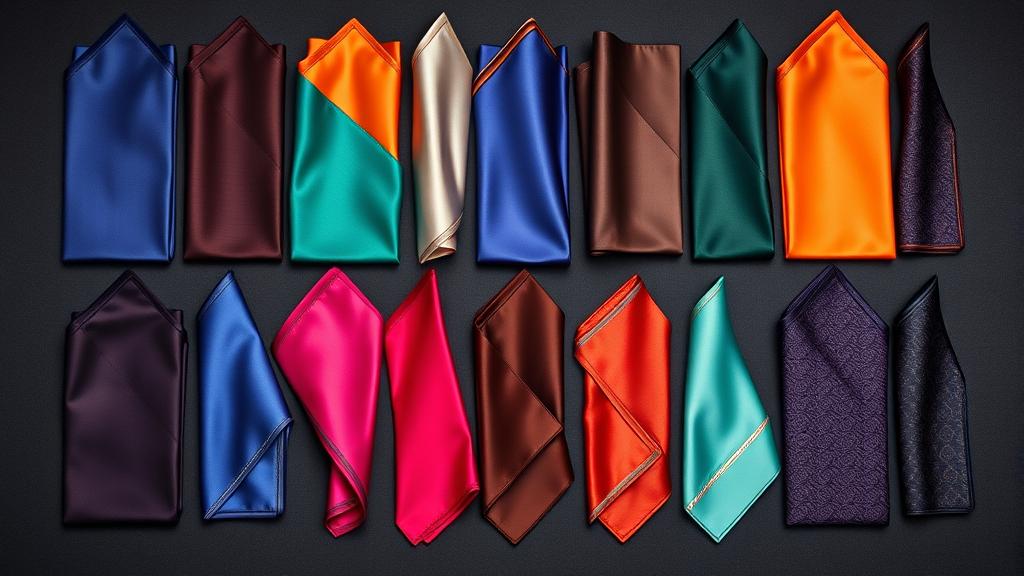
Basic Folding Techniques
The Presidential Fold, also known as the TV Fold, is the most conservative and widely accepted pocket square style. To achieve this classic look, lay the pocket square flat and fold it in half, then in half again until you have a rectangle slightly smaller than your pocket width. The key is ensuring only a thin, straight line of fabric shows above the pocket edge—approximately one-quarter inch.
The One-Point Fold adds a touch of sophistication while remaining appropriate for business settings. Begin by folding the square diagonally to create a triangle, then fold the bottom corners inward to create a narrower triangle that fits comfortably in your pocket. This fold works particularly well with patterned squares as it showcases the fabric’s design.
The Puff Fold offers a more relaxed, casual appearance perfect for social gatherings. Pinch the center of the pocket square and lift it up, allowing the fabric to drape naturally. Gather the hanging fabric and fold it upward, creating a soft, rounded appearance that peeks elegantly from your pocket. This technique works exceptionally well with softer fabrics like cotton or linen.
Each of these fundamental techniques forms the building blocks for more complex folds. Practice these basic methods until they become second nature, as precision in execution makes the difference between looking polished and appearing careless. Just as attention to detail matters when learning how to measure ring size for the perfect fit, pocket square folding requires patience and practice to achieve the desired result.
Advanced Folding Methods
The Two-Point Fold creates an asymmetrical, dynamic look that’s perfect for semi-formal occasions. Start by folding the square diagonally, but instead of aligning the corners perfectly, offset them slightly to create two distinct points. This technique adds visual interest while maintaining sophistication, making it ideal for cocktail parties or evening events.
The Three-Point Fold demands more skill but creates a striking crown-like appearance. Begin with a diagonal fold, then bring one corner up and slightly to the side to create the third point. This fold works best with crisp fabrics that hold their shape well and is most appropriate for formal occasions where you want to make a statement.
The Four-Point Fold, also called the Crown Fold, represents the pinnacle of pocket square artistry. This technique requires folding the square to create four distinct peaks of varying heights. While challenging to master, it creates an impressive display suitable for black-tie events and formal celebrations. The key is ensuring each point is clearly defined and properly spaced.
The Reverse Puff, or Balloon Fold, creates an inverted appearance where the fabric appears to be emerging from within the pocket. This technique involves creating a puff fold and then inverting it, tucking the gathered portion into the pocket while allowing the corners to fan out naturally.

Styling and Coordination Tips
Coordinating your pocket square with your overall outfit requires understanding color theory and pattern mixing. The traditional rule suggests that your pocket square should complement your tie without matching it exactly. If wearing a solid tie, consider a patterned pocket square that incorporates similar colors. Conversely, if your tie features patterns, opt for a solid pocket square in a complementary shade.
Texture plays a crucial role in creating visual interest. Pairing a smooth silk tie with a textured linen pocket square adds depth to your ensemble. Similarly, combining matte and shiny finishes creates subtle contrast that enhances your overall appearance. The GQ style guide emphasizes that contrast in texture often works better than contrast in color alone.
Consider the formality of your occasion when selecting both fold and fabric. Business meetings call for conservative presidential or one-point folds in solid colors or subtle patterns. Social events allow for more creative expressions like puff folds or multiple-point arrangements. Evening wear provides the perfect opportunity to showcase advanced folding techniques and bolder fabric choices.
Seasonal considerations also influence pocket square selection. Lighter fabrics and brighter colors work well in spring and summer, while richer tones and heavier materials suit fall and winter occasions. Linen and cotton pocket squares complement warm-weather attire, while wool and silk options provide the substance needed for cooler months.
Maintenance and Care
Proper care extends the life of your pocket squares and maintains their appearance. Silk pocket squares require gentle hand washing or professional dry cleaning, depending on the fabric’s specific requirements. Always check the care label before cleaning, as some silk blends may have special requirements. When hand washing, use cool water and mild detergent, gently agitating the fabric before rinsing thoroughly.
Cotton and linen pocket squares are generally more forgiving and can often be machine washed on gentle cycles. However, high-quality pieces benefit from hand washing to prevent excessive wear. After washing, avoid wringing or twisting the fabric, which can damage fibers and affect the square’s shape. Instead, gently squeeze out excess water and lay flat to dry.
Proper storage prevents wrinkles and maintains the fabric’s integrity. Fold pocket squares loosely and store them in a drawer with acid-free tissue paper, or hang them on padded hangers in a closet. Avoid storing them in plastic bags, which can trap moisture and cause mildew. Just as proper maintenance is crucial when learning how to clean a washing machine, caring for your pocket squares ensures they remain pristine for years to come.
Iron pocket squares on appropriate heat settings for the fabric type. Silk requires low heat and often benefits from pressing on the reverse side to prevent shine. Cotton and linen can withstand higher temperatures but should still be pressed carefully to avoid scorching. Consider using a pressing cloth for delicate fabrics to prevent direct contact with the iron.
Common Mistakes to Avoid
One of the most common errors is over-coordinating your pocket square with other accessories. Matching your pocket square exactly to your tie creates a dated, overly formal appearance that lacks sophistication. Instead, aim for complementary colors or patterns that enhance your overall look without appearing too calculated.
Improper sizing represents another frequent mistake. Using a pocket square that’s too small results in it disappearing into your pocket, while one that’s too large creates bulk and an unkempt appearance. The visible portion should be proportionate to your lapel width and jacket style, typically showing between one-quarter to one-half inch above the pocket edge.
Neglecting the jacket’s pocket construction can lead to disappointing results. Not all jacket pockets are designed to accommodate pocket squares effectively. Ensure your jacket has a properly constructed breast pocket with adequate depth and width. Cheap or poorly made jackets may have shallow pockets that won’t properly display your carefully folded square.
Rushing the folding process often results in sloppy execution. Take time to ensure clean, precise folds, checking that edges are aligned and points are sharp where intended. The Esquire men’s fashion guide emphasizes that attention to detail in execution makes the difference between looking polished and appearing careless.
Ignoring fabric behavior leads to frustration and poor results. Different materials behave differently when folded—silk holds crisp lines while linen has a more relaxed drape. Understanding these characteristics helps you choose appropriate folds for specific fabrics and achieve better results consistently.
Frequently Asked Questions
What size pocket square should I buy as a beginner?
For beginners, a 12-13 inch square is ideal. This size provides enough fabric to work with while being manageable for basic folds. As you develop your skills, you can experiment with larger squares that offer more possibilities for complex arrangements. According to the Encyclopedia Britannica, traditional pocket squares have varied in size throughout history, but modern standards favor this medium size for versatility.
Can I use a regular handkerchief as a pocket square?
While handkerchiefs and pocket squares are similar, they serve different purposes. Handkerchiefs are designed for practical use and may not have the aesthetic appeal or proper proportions for formal wear. Dedicated pocket squares are specifically crafted for display purposes, with better fabric quality, appropriate sizing, and superior construction for maintaining folds.
How do I prevent my pocket square from falling into the pocket?
Ensure your jacket pocket has adequate depth and isn’t too wide for the folded square. Create enough bulk in the folded portion that sits inside the pocket to anchor the visible portion. Some gentlemen use a small piece of tissue paper or thin cardboard as backing to provide additional support, though this should be done discretely.
Is it appropriate to wear a pocket square without a tie?
Absolutely! A pocket square can elevate a casual blazer and dress shirt combination beautifully. Choose simpler folds like the presidential or puff fold, and opt for more casual fabrics like cotton or linen. The key is ensuring the pocket square complements your shirt color and the overall formality of your outfit.
What colors work best for versatile pocket squares?
White and cream pocket squares are the most versatile, working with virtually any outfit combination. Navy blue, burgundy, and forest green also offer excellent versatility while adding subtle color. For patterns, small geometric designs or subtle paisleys in neutral tones provide options for multiple outfit combinations.
How often should I change my pocket square fold?
Your folding choice should reflect the occasion and your outfit’s formality level. For business wear, stick with conservative folds like the presidential or one-point. Save more elaborate folds for social occasions and formal events. Consider the fold as part of your overall style expression—it should enhance, not overwhelm, your appearance.
Can I wear a pocket square with a casual blazer?
Yes, pocket squares work excellently with casual blazers, adding sophistication to relaxed outfits. Choose casual fabrics like cotton or linen, and opt for simpler folds. The pocket square can bridge the gap between casual and formal, much like how proper grooming techniques such as learning how to remove gel nail polish contribute to an overall polished appearance. Avoid overly formal silk squares with very casual attire, as the contrast may appear incongruous.

Related Posts

How Long to Boil Lobster Tails: Cooking Guide

How Long to Fly from New York to London? Travel Times
