
How to Finger: A Comprehensive Guide
How to Finger: A Comprehensive Guide to Hand Techniques and Dexterity
Your hands are remarkable instruments of precision and capability. Whether you’re tackling a DIY project, perfecting a craft, or simply looking to improve your manual dexterity, understanding proper fingering techniques can transform the way you work. From delicate detail work to powerful gripping motions, the way you use your fingers fundamentally impacts your success across countless activities.
This comprehensive guide explores the nuances of finger positioning, technique development, and practical applications that matter in everyday life. We’ll dive into the mechanics of effective finger work, explore common mistakes people make, and provide actionable strategies to enhance your hand control and precision.
Whether you’re a beginner looking to build foundational skills or someone seeking to refine existing techniques, mastering proper finger work opens doors to new possibilities in your personal and professional endeavors.
Understanding Hand Anatomy and Finger Structure
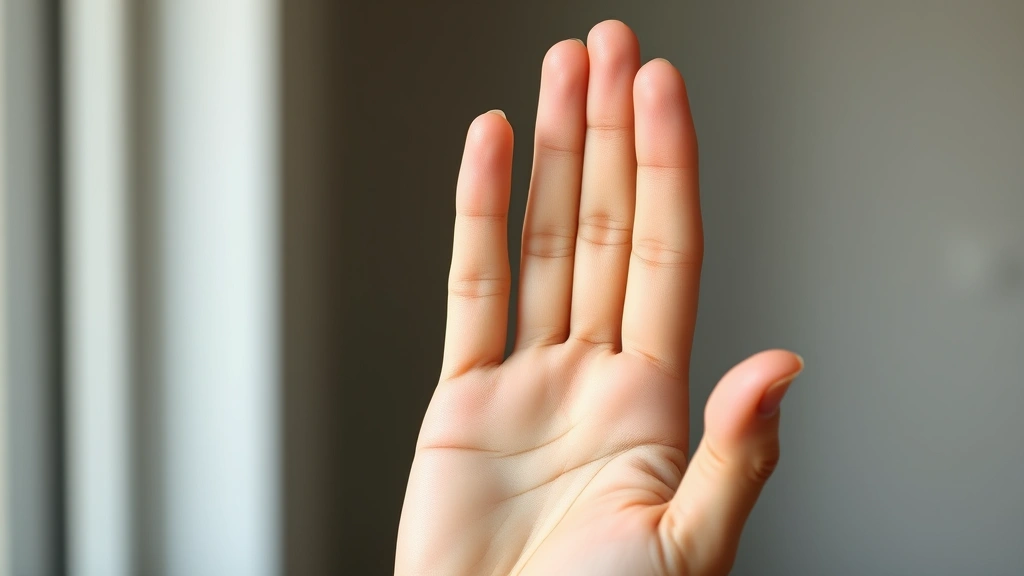
Before mastering any technique, it’s essential to understand what you’re working with. Your hand contains 27 bones, numerous muscles, tendons, and ligaments working in concert to create movement and sensation. Each finger has three joints (except the thumb, which has two), allowing for remarkable flexibility and range of motion.
The anatomy of your hand determines what’s physically possible. Your fingertips contain more nerve endings than almost any other part of your body, making them incredibly sensitive to touch and capable of detecting minute details. This sensory richness is what enables precision work and fine motor control.
Understanding the biomechanics of your fingers helps you avoid injury and work more efficiently. When you know how your joints bend and your muscles contract, you can position yourself to maximize leverage while minimizing strain. This knowledge becomes invaluable whether you’re engaging in delicate work or applying significant force.
Basic Finger Positioning Techniques
Proper finger positioning forms the foundation of effective hand work. The way you arrange and hold your fingers determines your control, power output, and comfort during extended use. Let’s explore the fundamental positions you’ll encounter across different activities.
The Neutral Position
Start with your hand relaxed at your side, then bring it forward with fingers gently curved as if holding a small ball. This neutral position is your baseline. Your fingers should be slightly separated, not splayed wide but not cramped together either. Your thumb sits naturally to the side, ready for opposition movements.
The Precision Grip
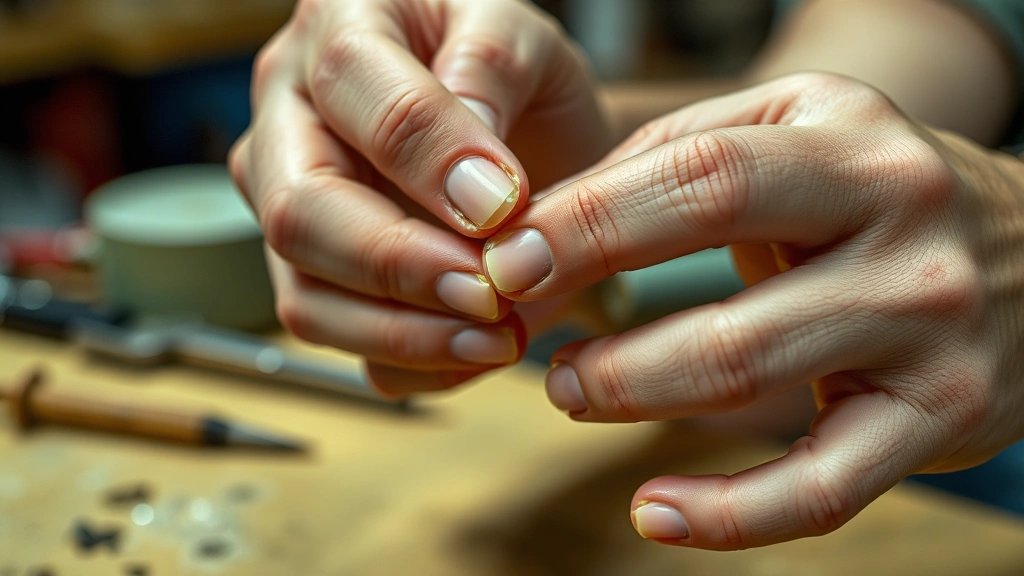
When performing detailed work, the precision grip involves using your thumb and forefinger (and sometimes your middle finger) in a coordinated pinching motion. Bring your thumb and forefinger together with the object between them, maintaining light pressure. This grip provides exceptional control for intricate tasks, though it requires more finger strength than you might initially expect.
The precision grip works best for small objects and detailed work. When you need to measure ring size or perform similar precision tasks, this grip gives you the feedback and control necessary for accuracy.
The Power Grip
For tasks requiring strength, the power grip engages all four fingers and your palm working together. Curl all four fingers around the object, with your thumb pressing against the side for stability. This grip distributes force across multiple contact points, allowing you to apply significant pressure without injuring individual fingers.
Developing Finger Strength and Control
Raw dexterity without strength is limiting, just as strength without control is dangerous. Building balanced finger development requires consistent practice and targeted exercises. The good news is that you don’t need special equipment to start strengthening your fingers.
Progressive Resistance Exercises
Begin with simple exercises using everyday objects. Squeeze a soft stress ball for 30 seconds, rest, then repeat. Gradually increase the resistance by moving to firmer balls or specialized hand strengtheners. Perform these exercises three to four times weekly, allowing rest days for recovery.
Another effective method involves resistance bands. Loop a band around your fingers and practice extending against the resistance. Start with light bands and progress to heavier resistance as your strength improves. This exercise specifically targets the muscles that open your hand, which often get neglected compared to gripping muscles.
Dexterity Drills
Finger dexterity improves through repetitive, controlled movements. Try these drills: touch each fingertip to your thumb in sequence, starting slowly and gradually increasing speed. Practice this movement for two minutes daily. Another excellent drill involves typing rapidly on a keyboard or piano, focusing on precision rather than speed initially.
Fine motor control develops through practice with small objects. Try picking up small items like coins or beads using only your thumb and forefinger. Progress to more challenging objects as your control improves. These seemingly simple exercises build the neural pathways that enable precise finger movements.
Flexibility and Range of Motion
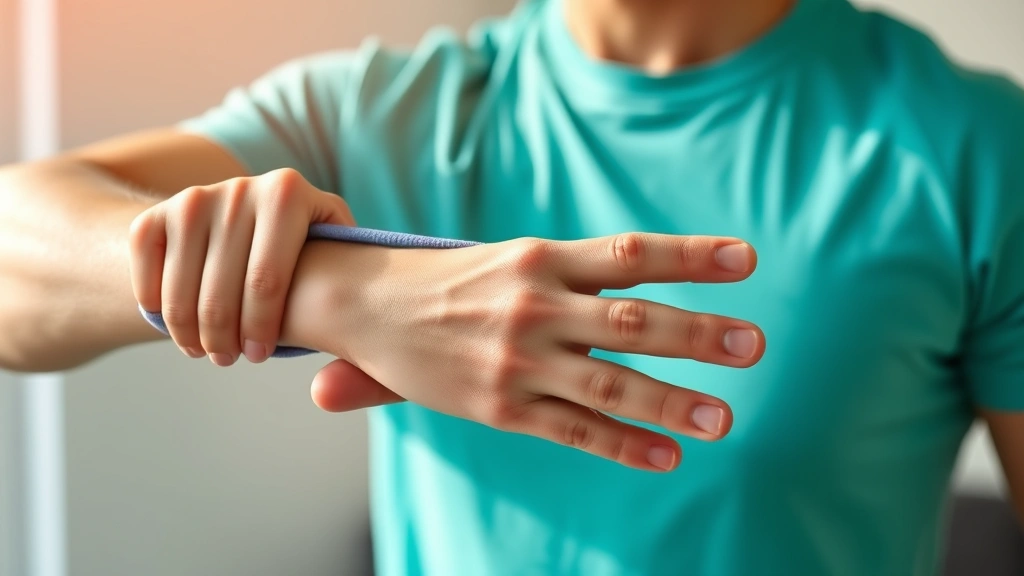
Finger strength means little without adequate flexibility. Gentle stretching keeps your fingers mobile and prevents injury. Extend your arm forward with your palm facing down, then use your other hand to gently press the back of your fingers toward your wrist. Hold for 15-20 seconds, then reverse the direction. Perform this stretch several times daily.
Another valuable stretch involves interlacing your fingers and gently pulling your hands toward your chest while extending your arms forward. This stretches both the fingers and the forearm muscles that control them. These stretches should never cause pain—gentle tension is the goal.
Advanced Fingering Methods
Once you’ve mastered basic positioning and built foundational strength, you’re ready for more advanced techniques. These methods apply to specific activities and require the fundamentals to be second nature.
Coordinated Multi-Finger Movements
Advanced work often requires multiple fingers working in synchronized patterns. Musicians develop this through scales and exercises. The principle applies to any detailed work: practice coordinated movements slowly until they become automatic, then gradually increase speed.
When learning to finger yourself into a new skill or activity, remember that muscle memory develops through consistent repetition. Your nervous system learns to execute complex movement patterns more efficiently the more you practice them.
Pressure Modulation
Expert practitioners develop sophisticated pressure control. They apply maximum force when needed but instantly reduce pressure for delicate work. This skill develops through conscious practice. When performing a task, frequently check your pressure level. Are you using more force than necessary? Can you accomplish the same result with less effort?
Pressure modulation prevents injury to both yourself and whatever you’re working on. Excessive pressure causes fatigue and can damage delicate materials. Learning to use just enough force develops your proprioception—your awareness of how your body moves in space.
Specialized Techniques
Different fields develop specialized fingering methods. If you’re interested in specific applications, research your field’s best practices. For instance, understanding how to remove gel nail polish requires specific finger techniques to avoid damaging the nail bed. Similarly, finding your ring size involves precise finger measurement techniques.
Common Mistakes and How to Avoid Them
Even experienced people develop bad habits that limit their effectiveness or cause injury. Recognizing these mistakes helps you avoid them from the start.
Excessive Tension
The most common mistake is using more tension than necessary. Many people clench their fingers tightly even when performing delicate work. This causes rapid fatigue and actually reduces precision. Your body works best with minimal necessary tension. Practice consciously relaxing your fingers between movements. You should be able to perform detailed work with relatively light finger tension.
Poor Posture and Hand Position
Your hand doesn’t work in isolation—your entire arm, shoulder, and posture affect finger performance. Working with your wrist bent at awkward angles strains the tendons and reduces control. Maintain neutral wrist alignment whenever possible. Your hand should be an extension of your forearm, not bent at extreme angles.
Ignoring Rest and Recovery
Finger fatigue is real and leads to mistakes or injury if ignored. If your fingers start feeling tired, stop and rest. Even five minutes of complete rest allows your muscles to recover. Pushing through fatigue causes poor technique and increases injury risk. Building finger strength is a marathon, not a sprint.
Skipping Warm-ups
Cold fingers are less coordinated and more prone to injury. Before engaging in detailed finger work, warm up your hands. Rub them together vigorously, perform gentle stretches, or run them under warm water. This increases blood flow and prepares your muscles for activity. A two-minute warm-up prevents many problems.
Practical Applications in Daily Life
Understanding finger techniques transforms how you approach everyday tasks. These skills apply across numerous activities, from professional work to hobbies.
Crafts and Detailed Work
Whether you’re assembling models, doing needlework, or creating art, proper finger technique enhances your results. The precision grip becomes second nature, and your improved dexterity allows you to work with smaller components and finer details. Your projects look better and take less time because you’re working efficiently.
Technology and Fine Motor Tasks
In our digital age, many people spend hours typing, texting, or using touchscreens. Proper finger positioning prevents repetitive strain injuries. Keep your wrists neutral, use light finger pressure on keyboards, and take regular breaks. These simple adjustments prevent the chronic pain that many digital workers experience.
Professional Applications
Surgeons, musicians, mechanics, and countless other professionals rely on exceptional finger control. If your work demands precise finger work, investing in skill development pays dividends. Professional-level finger control takes years to develop, but the process begins with understanding fundamentals and practicing consistently.
Athletic and Sports Applications
Athletes in many sports benefit from improved finger technique. Rock climbers develop exceptional finger strength and control. Baseball players work on finger positioning for different pitches. Martial artists develop specialized finger techniques. Whatever your sport, better finger control improves your performance.
Rehabilitation and Injury Prevention
If you’ve experienced finger or hand injury, rehabilitation requires careful attention to technique. Work with a physical therapist to ensure you’re rebuilding strength and coordination properly. Understanding proper technique prevents re-injury and ensures full recovery of function.
For those interested in comprehensive guides on related topics, how to give head in various contexts often involves similar principles of technique and control that apply across different skill areas.
Frequently Asked Questions
How long does it take to develop good finger control?
This depends on your starting point and practice frequency. Basic competence typically develops within 4-8 weeks of consistent practice. However, true mastery takes years of dedicated work. Most people notice significant improvement within 2-3 weeks if they practice daily.
Can finger exercises cause injury?
Yes, if performed incorrectly or excessively. Start with light resistance and progress gradually. Stop immediately if you experience sharp pain. Mild muscle soreness is normal, but sharp or persistent pain indicates you should reduce intensity or seek professional advice. Never push through significant pain.
What’s the difference between finger strength and finger dexterity?
Strength is your ability to exert force with your fingers. Dexterity is your ability to control fine movements with precision and coordination. Both are important, and they develop through different training. Strength training involves resistance exercises, while dexterity develops through coordination drills and practiced movements.
Are there age-related limitations to finger development?
Age affects the pace of development but doesn’t prevent it. Children develop finger skills more rapidly than adults, but adults can still make significant improvements. Older adults may need to progress more slowly and focus more on flexibility, but the fundamentals apply regardless of age.
How do I know if I’m using proper finger technique?
Your fingers should feel relatively relaxed, not tense or fatigued quickly. Your work should be precise and controlled. If you’re experiencing pain, excessive fatigue, or poor results, reassess your technique. Video recording yourself can help identify positioning issues that aren’t obvious when you’re focused on the task.
Should I stretch before or after finger exercises?
Warm up before exercising with light activity and dynamic stretching. After exercise, perform static stretches while your muscles are warm. This sequence prevents injury and maintains flexibility. Never stretch cold muscles aggressively.
Can finger exercises interfere with other activities?
Reasonable finger exercises won’t interfere with other activities. However, intense finger training might cause temporary fatigue. If you’re training fingers while also doing demanding hand work, allow adequate recovery time. Listen to your body and adjust intensity as needed.

Related Posts

How Long to Boil Lobster Tails: Cooking Guide

How Long to Fly from New York to London? Travel Times
