
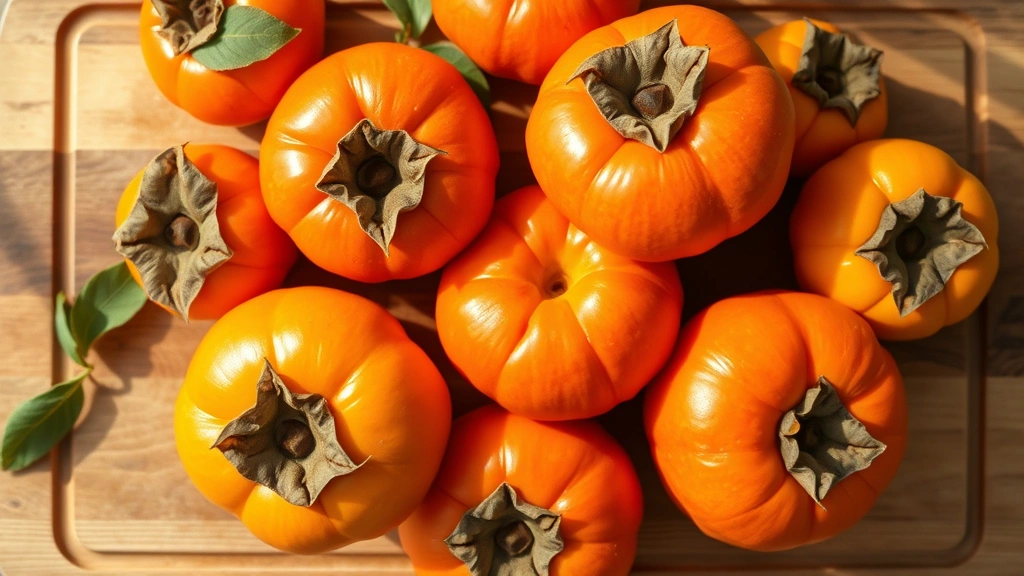
How to Eat Persimmon Fruit? Expert Tips
How to Eat Persimmon Fruit: Expert Tips for Maximum Flavor and Enjoyment
Persimmons are a delicious and nutritious fruit that many people struggle with because they’re unfamiliar with the proper eating techniques. Whether you’re dealing with the astringent Hachiya variety or the sweeter Fuyu type, knowing how to prepare and consume this exotic fruit can transform your culinary experience. This comprehensive guide will walk you through everything you need to know about eating persimmons like an expert.
The key to enjoying persimmons lies in understanding their ripeness, variety, and preparation methods. With the right approach, you’ll discover why these fruits have been treasured in Asian cuisine for centuries and are becoming increasingly popular in Western kitchens. From selecting the perfect specimen at your local market to mastering various eating techniques, we’ll cover all the essential information you need.
Understanding Persimmon Varieties
Before you can properly eat a persimmon, you need to understand which type you’re working with. There are two main categories of persimmons available in most markets, and they require different approaches to eating. The variety you choose will significantly impact your eating experience and the techniques you should use.
Fuyu Persimmons are the most common variety found in American supermarkets. These fruits are squat, tomato-shaped, and can be eaten while still slightly firm. The flesh is sweet and creamy, with a honey-like flavor that many people prefer. Unlike their cousins, Fuyu persimmons don’t contain high levels of tannins, which means you won’t experience that unpleasant mouth-puckering sensation. You can eat them like an apple, simply washing the skin and biting into the flesh. The texture is similar to a mango or avocado when ripe.
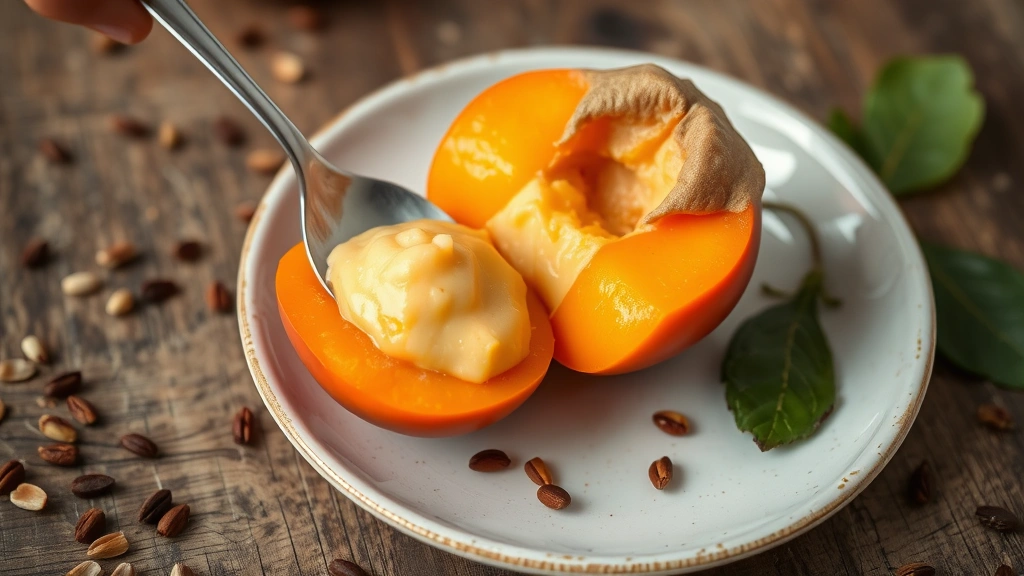
Hachiya Persimmons are longer and more acorn-shaped than Fuyu varieties. These astringent persimmons must be completely soft and jelly-like before eating, as they contain significant amounts of tannins that create an intensely bitter, drying sensation in your mouth if eaten unripe. When properly ripened, however, Hachiya persimmons develop an incredibly sweet, almost dessert-like flavor that’s perfect for eating with a spoon or incorporating into recipes.
There are also less common varieties like Sharon fruit (a seedless Fuyu type) and Japanese persimmons, which generally follow similar eating guidelines to their more familiar cousins. Understanding which variety you have is the first step toward enjoying them properly.
Selecting and Ripening Persimmons
Choosing the right persimmon at the market is crucial for your eating experience. Look for fruits that feel heavy for their size and have smooth, unblemished skin with a deep orange color. The fruit should yield slightly to gentle pressure, similar to how you’d test an avocado for ripeness. Avoid persimmons with dark spots, bruises, or wrinkled skin, as these indicate overripeness or damage.
For Fuyu persimmons, you want a fruit that’s firm but has a slight give when squeezed gently. They’re ready to eat when they feel like a ripe tomato. If you pick one that’s too hard, you can let it sit on your counter for a few days until it softens slightly. Room temperature storage accelerates ripening, typically taking 3-5 days depending on the starting firmness.
Hachiya persimmons require more patience and specific ripening conditions. When you bring them home from the store, they’ll likely be quite firm and astringent. To ripen them properly, place them in a paper bag with a banana or apple, which releases ethylene gas that speeds up the ripening process. Alternatively, you can place them on a sunny windowsill for 7-10 days, checking daily for softness. They’re ready when they feel almost jellylike inside the skin and are very soft to the touch.
If you’re in a hurry to ripen Hachiya persimmons, some people use the freezer method: place them in the freezer for 24 hours, then thaw them at room temperature. The freezing process breaks down the cell walls and neutralizes the tannins, making them edible even if they’re not naturally soft. However, this method affects the texture slightly, making it less ideal than natural ripening.
Preparing Your Persimmons
Proper preparation is essential for enjoying your persimmons safely and hygienically. Start by rinsing your persimmon under cool running water, gently rubbing the skin to remove any dirt or debris. Unlike some fruits, you don’t need to use a vegetable brush unless the skin is particularly dirty. Pat the fruit dry with a clean paper towel or cloth.
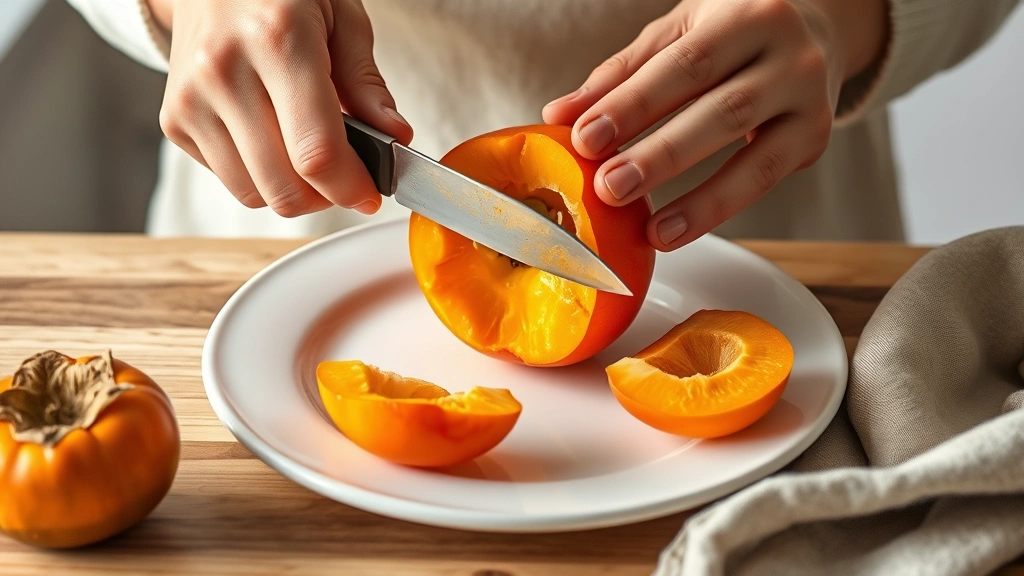
For Fuyu persimmons, you can eat the skin if you prefer, as it’s edible and contains fiber and nutrients. However, many people find the skin slightly bitter and prefer to remove it. If you want to peel a Fuyu persimmon, you have several options. The simplest method is to use a vegetable peeler, running it carefully over the skin in strips from top to bottom. Alternatively, you can cut the persimmon in half and scoop out the flesh with a spoon, discarding the skin.
Another popular preparation method for Fuyu persimmons is to cut them into quarters or eighths, then slice away the skin from each piece. This gives you more control and reduces waste. Some people prefer to cut the persimmon horizontally into thick slices, then remove the skin from each slice individually.
For Hachiya persimmons, preparation is more straightforward because of their soft, custard-like consistency when ripe. Simply cut the fruit in half horizontally and scoop out the flesh with a spoon, much like you would with an avocado. The skin is too delicate and bitter to eat, so discard it. Some people enjoy eating Hachiya persimmons straight from the skin by cutting a small opening at the top and squeezing the flesh into their mouth, similar to eating a kiwi fruit.
Eating Methods and Techniques
There are numerous ways to enjoy eating persimmons, depending on the variety and your personal preferences. Mastering these techniques will help you get the most flavor and enjoyment from your fruit.
The Apple Method works best for firm Fuyu persimmons. Simply wash the fruit, hold it like an apple, and bite directly into it. The skin will peel away naturally as you eat, and you can work around the center core if you prefer. This is the quickest and most straightforward method, perfect for eating on the go. The texture is crisp and refreshing, similar to biting into a ripe pear.
The Spoon Method is ideal for both ripe Fuyu and Hachiya persimmons. Cut the fruit in half, then use a spoon to scoop out the sweet flesh. This method is less messy than eating with your hands and allows you to control portion sizes. For Hachiya persimmons, this is practically the only acceptable method due to their soft consistency.
The Slice and Peel Method gives you beautiful, presentation-ready pieces perfect for serving guests or adding to a fruit display. Cut your Fuyu persimmon into thin slices, then carefully peel the skin away from each slice using a small knife or your fingers. This technique produces elegant pieces that look impressive on a plate.
The Skin-On Method for Fuyu persimmons works if you enjoy the slight tartness of the skin. Simply slice the persimmon into wedges or rings, and eat them with the skin intact. This method maximizes nutritional content and is less time-consuming than peeling.
When eating persimmons, be aware of the large, flat seeds found in the center of some varieties. These seeds are hard and should be spit out rather than swallowed. Seedless varieties like Sharon fruit eliminate this concern entirely.
Storage and Preservation
Proper storage extends your persimmon enjoyment and ensures they’re ready to eat when you want them. Unripe Fuyu persimmons can be stored at room temperature for several days, allowing them to reach optimal ripeness. Once ripe, move them to the refrigerator where they’ll keep for up to a week. Cold storage slows ripening and extends shelf life significantly.
Hachiya persimmons should be ripened at room temperature, then refrigerated once they reach the desired softness. In the fridge, they’ll maintain quality for about 3-5 days before becoming overly soft. If you won’t eat them in time, consider freezing ripe persimmons for later use in smoothies or baking.
To freeze persimmons for future use, peel them, remove any seeds, and place them on a baking sheet in the freezer for 2-3 hours until solid. Transfer the frozen pieces to a freezer bag or container for long-term storage. Frozen persimmons work wonderfully in smoothie bowls and desserts, though their texture becomes softer when thawed, making them unsuitable for eating fresh.
If you have an abundance of persimmons, consider making persimmon jam, which stores in the refrigerator for several weeks or in the freezer for months. This is a wonderful way to preserve the fruit’s sweet flavor for later enjoyment.
Recipes and Creative Uses
Beyond eating persimmons fresh, there are countless creative ways to incorporate them into your meals. The natural sweetness and unique flavor profile make them versatile ingredients in both sweet and savory dishes.
Persimmon Smoothie Bowls make an excellent breakfast or snack. Blend frozen persimmons with yogurt and milk to create a creamy base, then top with granola, coconut, and other fruits. This method is perfect for using ripe Hachiya persimmons that might otherwise go to waste.
Baked Goods benefit tremendously from persimmon addition. Persimmon bread, muffins, and cookies are traditional recipes that showcase the fruit’s natural sweetness. The fruit adds moisture and a subtle honey-like flavor that enhances these treats. Many people find persimmon baking superior to banana baking because it produces a less heavy, more delicate crumb.
Persimmon Salads combine the fruit with leafy greens, nuts, and cheese for a sophisticated side dish. The sweet fruit pairs beautifully with peppery arugula, creamy goat cheese, and crunchy pecans. A simple vinaigrette complements rather than overpowers the delicate fruit flavor.
Dried Persimmons are a traditional treat that concentrates the fruit’s natural sugars. You can make them at home by slicing ripe persimmons and drying them in a low oven (around 150°F) for 8-12 hours until they reach the desired texture. These make excellent snacks and can be stored in an airtight container for weeks.
Persimmon Jam is a wonderful preserve that captures the fruit’s essence. Cook down ripe persimmons with sugar and lemon juice to create a spreadable consistency perfect for toast or pastries. This preservation method works excellently for using up excess fruit.
When working with persimmons in recipes, remember that Hachiya varieties are better suited to cooking and baking because of their high tannin content when raw. Fuyu persimmons work better in fresh applications like salads and raw toppings, though they can also be cooked if desired.
FAQ
Can you eat persimmon skin?
Yes, Fuyu persimmon skin is edible and safe to eat. However, many people find it slightly bitter and prefer to peel it away. The skin does contain valuable fiber and nutrients, so eating it provides additional nutritional benefits. Hachiya persimmon skin is too tough and bitter to eat comfortably, so it should always be removed.
What does a ripe persimmon feel like?
A ripe Fuyu persimmon feels similar to a ripe tomato—firm with a slight give when gently squeezed. A ripe Hachiya persimmon feels very soft and almost jellylike, yielding significantly to pressure. If a Hachiya persimmon feels firm, it’s not ready to eat yet.
Why do persimmons make my mouth feel dry?
This unpleasant sensation comes from tannins in unripe persimmons. Tannins create a mouth-puckering, astringent feeling that’s quite unpleasant. This is why it’s crucial to ensure Hachiya persimmons are completely ripe before eating. Fuyu persimmons contain fewer tannins and are less likely to cause this problem.
How long does it take to ripen a persimmon?
Fuyu persimmons typically ripen in 3-5 days at room temperature. Hachiya persimmons take 7-10 days for natural ripening, though this can be accelerated to 2-3 days using the paper bag method with a banana or apple. The freezer method can ripen Hachiya persimmons in just 24 hours.
Are persimmon seeds safe to eat?
Persimmon seeds are safe to eat, but they’re quite hard and unpleasant to bite into. Most people spit them out rather than swallow them. Seedless varieties like Sharon fruit eliminate this concern entirely. If you’re making persimmon jam or smoothies, you can blend the seeds into the mixture, where they won’t be noticeable.
Can you eat persimmons if you have a sensitive stomach?
Persimmons are generally well-tolerated by most people and are considered gentle on the digestive system. However, the tannins in unripe persimmons can cause constipation or digestive discomfort, so make sure your persimmons are fully ripe before eating. Additionally, eating too many persimmons at once may cause mild digestive upset due to their high fiber content.

Related Posts

Superscript in Google Docs: Expert Tips

Strikethrough in Excel: Easy Steps for Beginners
