
Defrost Salmon Safely: Expert Tips
Defrost Salmon Safely: Expert Tips for Perfect Results
Salmon is a nutritious and delicious protein that many home cooks love to prepare, but defrosting it properly is essential for food safety and maintaining quality. Whether you’ve purchased frozen salmon fillets from your local grocery store or caught fresh fish that you’ve frozen at home, knowing how to defrost salmon correctly will ensure your meal turns out perfectly every time. Improper thawing can lead to bacterial growth, texture degradation, and unpleasant flavors that ruin an otherwise excellent dish.
In this comprehensive guide, we’ll walk you through multiple safe defrosting methods, explain the science behind why proper thawing matters, and provide expert tips to help you achieve restaurant-quality results in your own kitchen. Whether you’re planning a weeknight dinner or preparing for a special occasion, understanding the right techniques will give you confidence and peace of mind.
Why Proper Salmon Defrosting Matters
Understanding the importance of correct defrosting techniques goes beyond simple food safety—it directly impacts the quality of your meal. When salmon is frozen, ice crystals form throughout the muscle tissue. If you thaw it too quickly or at improper temperatures, these crystals expand and rupture cell walls, causing moisture loss and a mushy texture. Additionally, bacteria multiply rapidly in the danger zone between 40°F and 140°F, so controlling the thawing temperature is critical.
Salmon contains delicate proteins and omega-3 fatty acids that can degrade if exposed to temperature fluctuations. Proper defrosting preserves these beneficial nutrients while maintaining the firm, flaky texture you expect from quality salmon. The USDA and This Old House recommend specific methods that have been scientifically proven to maintain both safety and quality standards.
The three main defrosting methods—refrigerator, cold water, and microwave—each have distinct advantages and limitations. Choosing the right method depends on your timeline, available equipment, and desired final result. Let’s explore each approach in detail so you can make an informed decision for your cooking needs.
Refrigerator Method: The Safest Approach
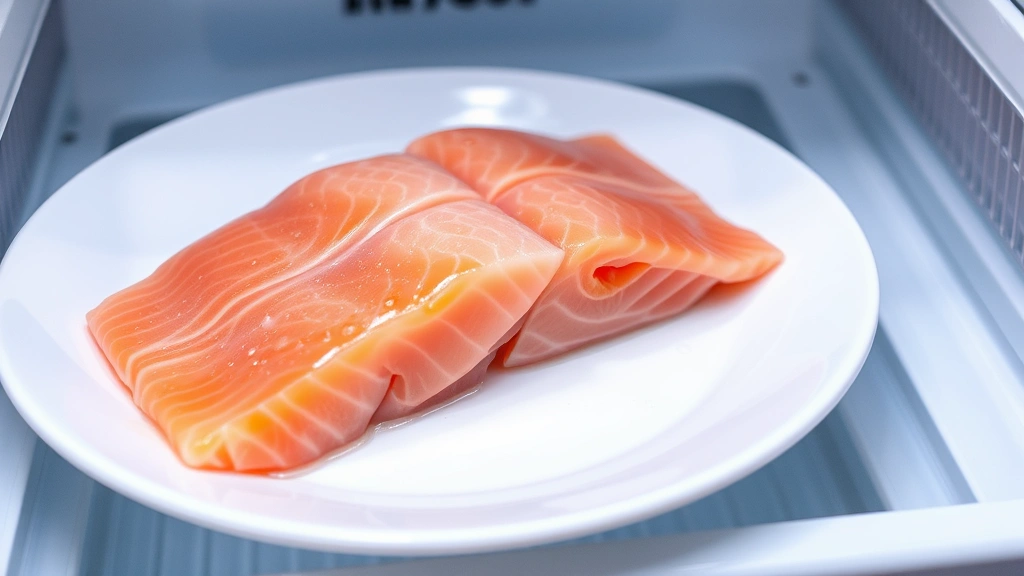
The refrigerator method is universally recommended by food safety experts because it maintains a consistently safe temperature throughout the entire thawing process. This approach requires planning ahead, but it delivers superior results and eliminates bacterial growth concerns.
Step-by-Step Instructions:
- Remove your frozen salmon from the freezer and place it on a plate or shallow dish to catch any dripping liquid
- Position the salmon on a middle shelf in your refrigerator, away from ready-to-eat foods to prevent cross-contamination
- Allow approximately 24 hours for standard salmon fillets (1-1.5 inches thick) to thaw completely
- For thicker cuts or whole salmon, add an additional 12-24 hours depending on size
- Check the salmon periodically; it should feel soft and pliable when fully thawed
- Once thawed, use the salmon within 1-2 days for best quality
This method works because your refrigerator maintains temperatures at or below 40°F, preventing bacterial proliferation while allowing gentle, even thawing. The extended timeframe gives ice crystals time to melt slowly, allowing the tissue to reabsorb moisture rather than losing it to dripping. Many professional chefs prefer this method exclusively because the results are consistently excellent.
One significant advantage of refrigerator thawing is that you can plan your meals more effectively. Simply transfer your salmon to the fridge the night before you plan to cook it, and you’ll have perfectly thawed fish ready to prepare. This method also allows you to season the salmon while it thaws, letting flavors penetrate the flesh more deeply than with other methods.
Cold Water Method: Quick and Effective
When you need to defrost salmon more quickly than the refrigerator method allows, the cold water technique provides safe results in just 30 minutes to an hour. This method requires more active attention but delivers faster thawing without compromising safety or quality.
Step-by-Step Instructions:
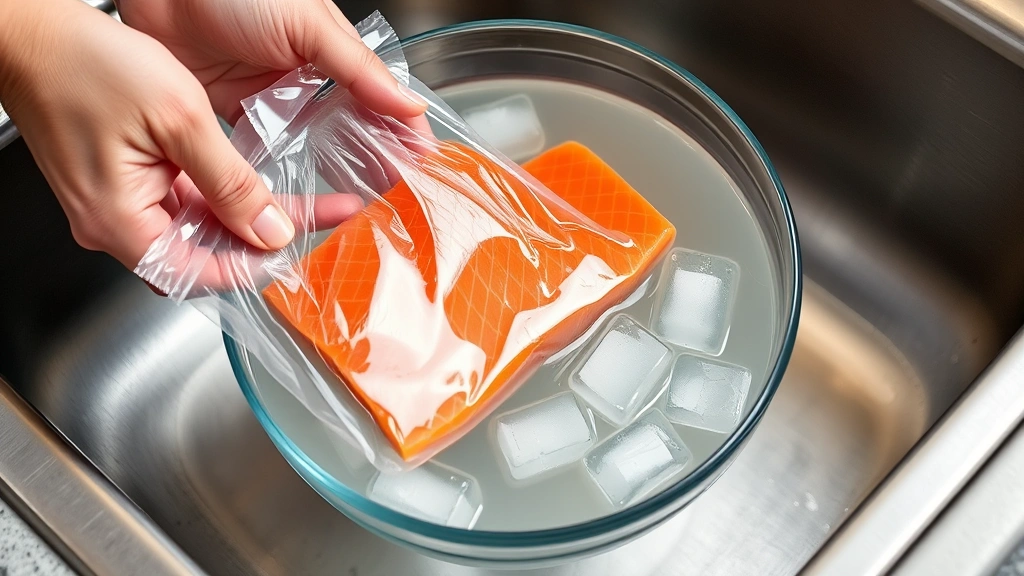
- Place your frozen salmon in a leak-proof plastic bag or vacuum-sealed package to prevent water absorption
- Fill a large bowl or sink with cold tap water (not warm or hot water)
- Submerge the bagged salmon completely in the cold water
- Change the water every 30 minutes to maintain cold temperature and accelerate thawing
- Most salmon fillets will be fully thawed within 30-60 minutes depending on thickness
- Cook the salmon immediately after thawing using this method
The cold water method works by surrounding the salmon with a consistent 40°F or cooler environment while allowing faster heat transfer than air alone. Changing the water regularly ensures the temperature stays low enough to prevent bacterial growth while speeding up the thawing process significantly. This method is ideal when you’ve forgotten to plan ahead but still want safe, quality results.
A critical tip for this method is ensuring your salmon is completely sealed in a waterproof bag. If water seeps into the package, your salmon will absorb excess moisture and become watery when cooked. Double-bagging or using vacuum-sealed packages provides extra insurance against water infiltration. Many people use this method before cooking because it’s faster than refrigerator thawing while maintaining excellent quality.
Microwave Defrosting: Emergency Option
Microwave defrosting should be your last resort because it often produces uneven results, with some portions beginning to cook while others remain frozen. However, when you’re in a genuine time crunch, it can work if you follow careful procedures and cook the salmon immediately afterward.
Step-by-Step Instructions:
- Remove salmon from its packaging and place it on a microwave-safe plate
- Use the defrost setting (typically 30% power) rather than full power to minimize cooking
- Set the timer for 3-5 minutes depending on salmon thickness and wattage of your microwave
- Check the salmon every minute and rotate it to ensure even thawing
- Stop defrosting when the salmon is still slightly icy but pliable
- Cook the salmon immediately; never refreeze salmon thawed this way
The microwave method relies on radiation that excites water molecules, generating heat. Unfortunately, this heat distributes unevenly, potentially cooking the outer edges while the center remains frozen. By using the defrost setting (lower power) and checking frequently, you minimize this risk. However, the results will never match the quality achieved through refrigerator or cold water methods.
Most culinary experts recommend reserving microwave defrosting for genuine emergencies only. If you frequently find yourself in time-crunch situations, consider planning better by using your refrigerator method for regular meal prep. Family Handyman suggests that investing time in proper planning prevents the need for emergency defrosting techniques that compromise food quality.
Cooking Frozen Salmon Directly
Many people don’t realize that you can cook salmon directly from frozen without thawing it first. This method is surprisingly effective and can actually produce excellent results while saving significant time. The key is understanding proper cooking techniques and adjusting temperatures and times accordingly.
Oven Roasting Frozen Salmon:
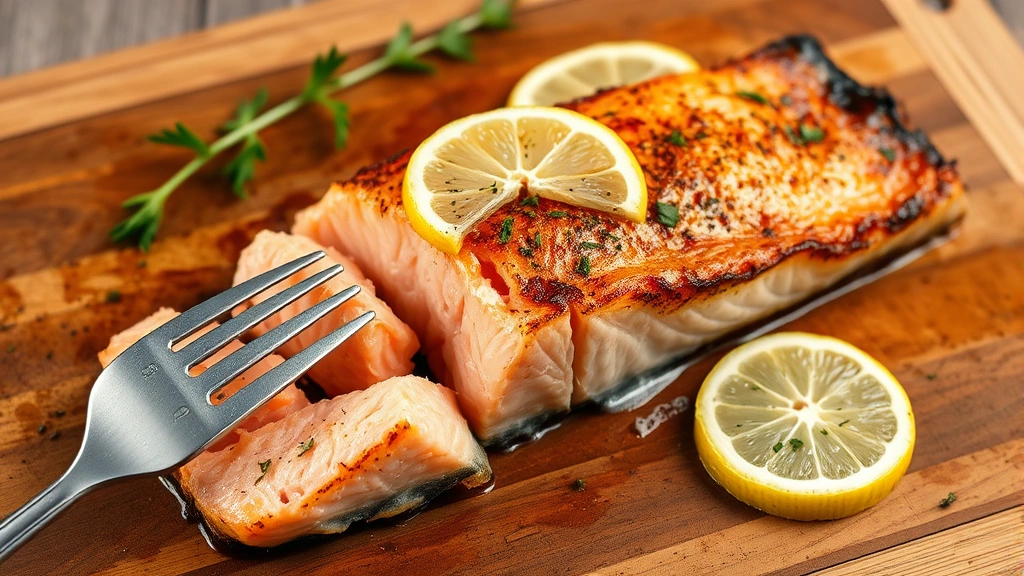
Preheat your oven to 400°F and place frozen salmon skin-side down on a parchment-lined baking sheet. Season generously with salt, pepper, and your preferred herbs or spices. Roast for 12-15 minutes for fillets (depending on thickness) until the flesh flakes easily with a fork. The outer portions will cook while the center thaws, resulting in moist, tender salmon. This method works exceptionally well for fillets up to 1.5 inches thick.
Pan-Searing Frozen Salmon:
Heat a skillet over medium-high heat with oil or butter. Place frozen salmon skin-side up in the pan and cook for 4-5 minutes until the skin crisps. Flip the salmon, reduce heat to medium, and cook for another 6-8 minutes until cooked through. The initial high heat creates a flavorful crust while the residual heat gently cooks the interior.
This approach eliminates thawing time entirely and can actually produce superior results because the salmon cooks from the outside in, sealing in moisture. When you skip the thawing step and cook directly from frozen, you’re less likely to overcook the fish because the interior thaws gradually during cooking. This is particularly useful when you’re using defrosting techniques similar to chicken preparation, though salmon’s delicate nature requires gentler handling.
Signs of Properly Defrosted Salmon
Knowing when your salmon is properly thawed ensures you’re working with fish at its best quality and safety. Several visual and tactile indicators tell you that thawing is complete and your salmon is ready to cook.
Visual Indicators:
- The flesh should be translucent or opaque pink, not white or icy-looking
- No visible ice crystals should remain on the surface or edges
- The color should be uniform throughout without pale frozen patches
- The salmon should not appear dried out or discolored on the surface
Tactile Indicators:
- The flesh should feel soft and pliable when gently pressed, not hard or rigid
- It should bend easily without cracking or breaking apart
- Squeezing gently should not produce excess liquid or seem mushy
- The texture should be consistent throughout without hard frozen centers
Properly thawed salmon should also smell fresh and oceanic, not fishy or sour. Any off-odors indicate spoilage and mean you should discard the fish immediately. The USDA recommends cooking thawed salmon within 1-2 days, so don’t wait too long after thawing is complete. If you need to store thawed salmon longer, cook it first and refrigerate the cooked fish, which keeps for 3-4 days.
Common Mistakes to Avoid
Even with good intentions, many home cooks make mistakes when defrosting salmon that compromise safety or quality. Being aware of these common errors helps you avoid them and consistently achieve excellent results.
Mistake #1: Using Hot or Warm Water
Never defrost salmon in hot water, which accelerates bacterial growth and can partially cook the outer portions while the center remains frozen. Stick to cold water exclusively. The temperature should never exceed 40°F during any part of the defrosting process.
Mistake #2: Leaving Salmon at Room Temperature
Countertop thawing is dangerous and should never be done. The salmon will spend too much time in the bacterial danger zone (40-140°F), allowing harmful microorganisms to multiply rapidly. Always thaw in the refrigerator, cold water, or microwave using proper techniques.
Mistake #3: Defrosting in Original Packaging Without Inspection
Check your salmon’s original packaging for holes or damage before thawing. If the packaging is compromised, transfer the salmon to a clean container or bag before beginning the thawing process. This prevents contamination and water infiltration.
Mistake #4: Refreezing Thawed Salmon
Once salmon has been thawed using the refrigerator or cold water method, you can refreeze it safely if you haven’t cooked it yet. However, refreezing after microwave thawing is not recommended. When refreezing, do so within 1-2 days and note that quality may diminish slightly due to additional ice crystal formation.
Mistake #5: Overcooking Thawed Salmon
Thawed salmon cooks faster than frozen salmon and is more prone to drying out if overcooked. Use a meat thermometer to check for doneness (145°F internal temperature) rather than relying on appearance alone. Slightly underdone salmon is far preferable to overcooked, dry fish. Similar cooking principles apply when you’re cooking chicken using basic methods, though salmon requires even more precision.
Mistake #6: Not Accounting for Carryover Cooking
Salmon continues cooking slightly after you remove it from heat due to residual internal temperature. Remove it from heat when it reaches 140°F rather than waiting for 145°F, and it will reach the safe internal temperature as it rests. This technique prevents overcooking and maintains moisture.
Understanding these common mistakes and how to avoid them transforms you into a more confident, skilled cook. The effort invested in learning proper defrosting techniques pays dividends every time you prepare salmon, whether for yourself or to impress dinner guests.
FAQ
How long does salmon take to defrost in the refrigerator?
Standard salmon fillets (1-1.5 inches thick) typically take 24 hours to defrost completely in the refrigerator. Thicker cuts or whole salmon may require 36-48 hours. The exact time depends on the salmon’s size, your refrigerator’s temperature, and where you position it on the shelf. Planning ahead ensures you never have to rush the process.
Can you defrost salmon in the microwave safely?
Microwave defrosting is safe if you use the defrost setting (30% power) and check the salmon every minute, rotating it for even thawing. However, it often produces uneven results with some portions partially cooked. This method should be reserved for genuine emergencies only, as the cold water or refrigerator methods produce superior quality results.
Is it better to cook salmon frozen or thawed?
Both methods work well, but thawed salmon typically cooks more evenly and allows for better seasoning penetration. However, cooking frozen salmon directly eliminates thawing time and can produce excellent results if you adjust cooking times and temperatures appropriately. Choose the method that best fits your timeline and preferences.
How can you tell if defrosted salmon has gone bad?
Spoiled salmon exhibits several warning signs: a strong fishy or sour smell, grayish or discolored flesh, slimy texture, or visible mold. If you notice any of these indicators, discard the salmon immediately. Fresh, properly thawed salmon should smell clean and oceanic, not unpleasant.
Can you refreeze salmon after thawing it?
Yes, you can safely refreeze salmon that was thawed using the refrigerator or cold water method, provided you refreeze it within 1-2 days and it hasn’t been cooked. However, salmon thawed in the microwave should not be refrozen. Quality may diminish slightly due to additional ice crystal formation, but the fish remains safe to eat.
What’s the safest way to defrost a large whole salmon?
For whole salmon, the refrigerator method is safest and produces the best quality. Allow 24-48 hours depending on size, positioning the fish on a lower shelf to prevent dripping onto other foods. Alternatively, you can use the cold water method, changing the water every 30 minutes until fully thawed, which typically takes 2-4 hours for whole salmon.
Should you remove salmon from its packaging before thawing?
For refrigerator thawing, you can leave salmon in its original packaging if the packaging is intact and in good condition. For cold water thawing, you must place the salmon in a leak-proof bag to prevent water absorption. Always inspect packaging for holes or damage before thawing begins.

Related Posts

Superscript in Google Docs: Expert Tips

Strikethrough in Excel: Easy Steps for Beginners
