
Clean Suede Boots: Proven Techniques That Work
Clean Suede Boots: Proven Techniques That Work
Suede boots are a timeless wardrobe staple that adds sophistication and comfort to any outfit. However, their delicate nature makes them susceptible to stains, dirt, and water damage. Unlike leather, which can withstand vigorous cleaning, suede requires a gentle, specialized approach to maintain its soft texture and rich appearance. Learning how to clean suede boots properly will extend their lifespan and keep them looking like new for years to come.
The key to successful suede boot maintenance is understanding the material itself. Suede is created from the underside of animal hides, making it incredibly soft but also porous and vulnerable to moisture and debris. When dirt settles into the nap (the fine fibers on the surface), it can become trapped and cause permanent damage if not removed promptly. By following proven cleaning techniques and using the right tools, you can tackle everything from everyday scuffs to stubborn stains.
Essential Tools and Materials You’ll Need
Before you start cleaning your suede boots, gather the proper supplies. Having quality tools on hand prevents you from reaching for household items that might damage the material. The foundation of any suede cleaning kit includes a soft-bristled brush, which gently lifts dirt from the nap without causing damage. A specialized suede eraser works wonders on scuffs and light stains, while a suede protector spray provides a protective barrier against future spills.
Additional items worth investing in include white vinegar, baking soda, and rubbing alcohol—all effective for targeting different types of stains. A clean, lint-free cloth helps absorb moisture during the cleaning process. If you’re dealing with tougher stains, consider purchasing a commercial suede cleaner from a reputable source like Family Handyman’s suede cleaning guide. For those who prefer professional-grade solutions, This Old House reviews quality shoe cleaners that work exceptionally well on delicate materials.
Many people overlook the importance of a suede brush with a brass or rubber tip. These specialized brushes have different densities—the brass side handles stubborn dirt, while the rubber side gently restores the nap’s direction. Investing in a quality brush from a home improvement retailer ensures you’re using tools designed specifically for suede care.
Daily Maintenance and Prevention
The best way to keep your suede boots clean is to prevent dirt and stains from accumulating in the first place. Develop a simple daily maintenance routine that takes just minutes but yields significant results. After wearing your boots, use a soft cloth to wipe away surface dust and debris before storing them. This prevents particles from settling deep into the nap where they become difficult to remove.
Apply a suede protector spray regularly, ideally every month or before wearing your boots in wet conditions. This creates an invisible barrier that repels liquids and prevents stains from setting in permanently. Allow the spray to dry completely before wearing, and always test it on an inconspicuous area first to ensure it doesn’t darken the suede.
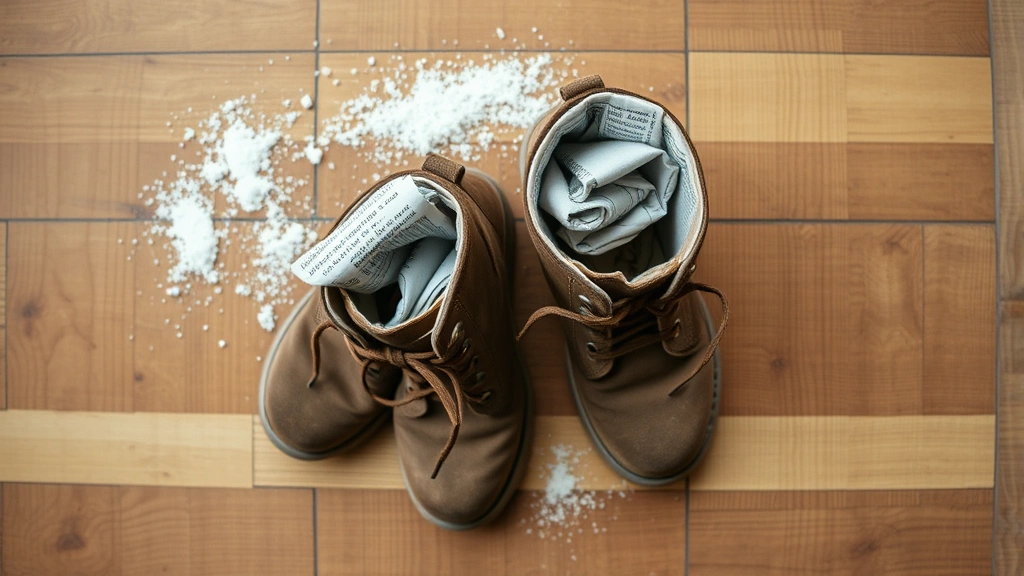
Store your boots in a cool, dry location away from direct sunlight, which can fade the color. Use shoe trees or stuff them with newspaper to maintain their shape and absorb any residual moisture. Never store damp boots in a sealed container, as this promotes mold growth and unpleasant odors. If you’re interested in learning about broader cleaning techniques for leather and similar materials, many principles apply to suede care as well.
Dry Cleaning Methods for Dust and Dirt
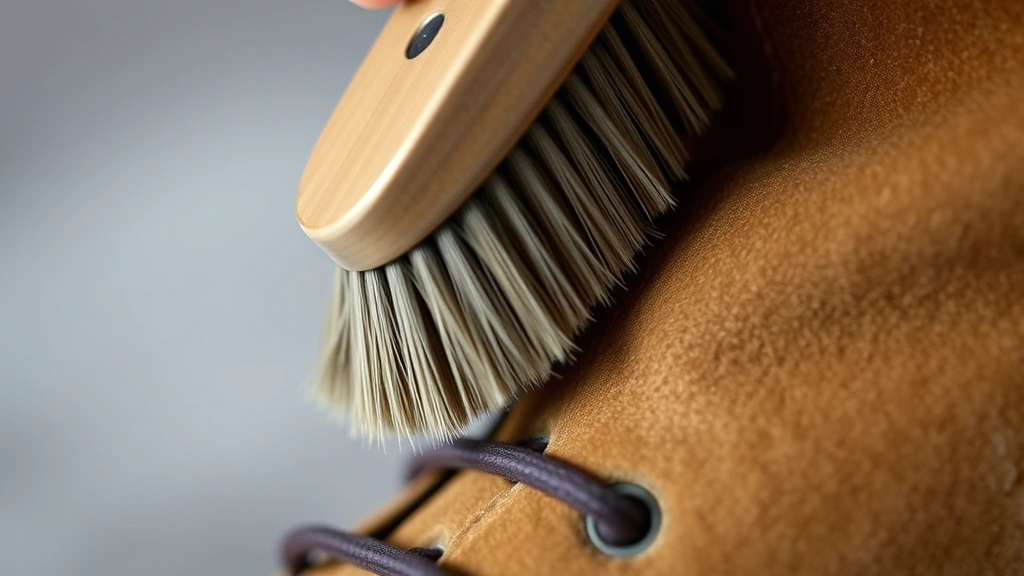
Most suede boots need only dry cleaning methods for routine maintenance. This approach is gentle and effective for removing everyday dirt without introducing moisture. Start by using a soft-bristled brush in gentle, circular motions across the entire boot surface. Work in the direction of the nap to avoid disrupting the texture. Pay special attention to seams and crevices where dirt tends to accumulate.
For stubborn dry dirt, increase the pressure slightly and use back-and-forth strokes rather than circular motions. A suede eraser is particularly effective for light scuffs and marks that appear on the boot’s surface. Rub the eraser gently over the affected area, using light pressure to avoid damaging the material. You may notice small crumbs forming—this is normal and indicates the eraser is working. Brush these away with your soft-bristled brush.
If your boots have gathered dust in hard-to-reach areas, use a vacuum with an upholstery attachment set to low suction. Hold the boot steady and pass the attachment lightly over the surface. This method works particularly well for boots with textured surfaces or embellishments. Always test any new tool on a hidden area first to ensure it won’t cause damage.
Deodorizing your suede boots is an important part of dry maintenance. Sprinkle baking soda inside the boots and let it sit overnight to absorb odors. Shake out the excess powder in the morning. This method is safe, inexpensive, and highly effective for maintaining freshness between wearings.
Removing Common Stains from Suede
Different stains require different approaches. Understanding how to identify and treat specific stains prevents you from using the wrong method and causing additional damage. For oil and grease stains, sprinkle baking soda directly onto the affected area and let it sit for several hours or overnight. The baking soda absorbs the oil, which you can then brush away gently. If the stain persists, repeat the process or use a small amount of rubbing alcohol on a cloth, dabbing gently without rubbing.
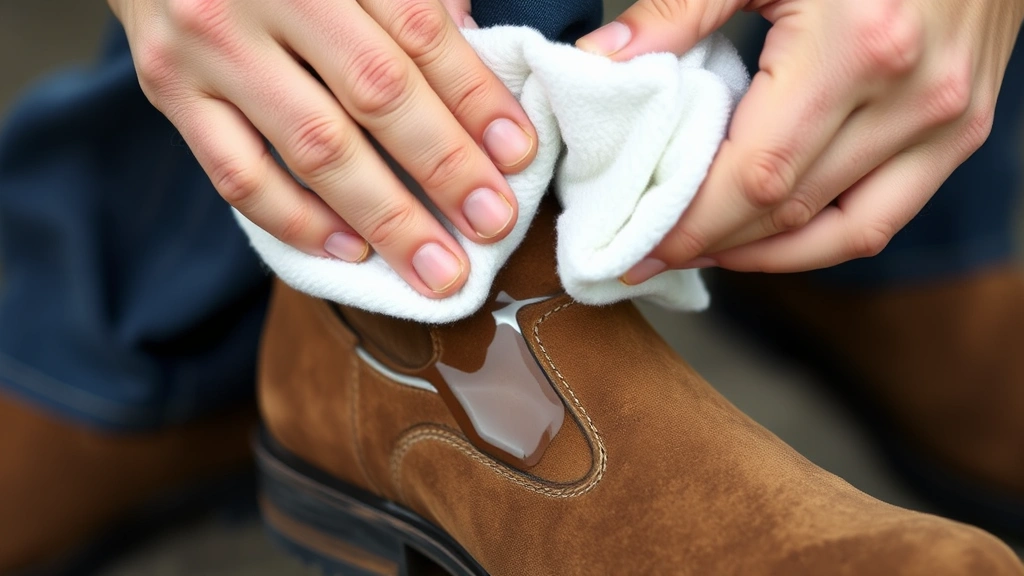
Salt stains, common in winter months, respond well to a mixture of equal parts white vinegar and water. Dampen a cloth with this solution and gently dab the stained area. Wipe with a clean, damp cloth to remove any residue, then allow the boot to air dry completely. The vinegar smell dissipates as the boot dries. For more extensive cleaning needs, our guide on removing tough stains covers similar principles that apply to various materials.
Mud stains require patience. Allow the mud to dry completely before attempting to clean, as wet mud spreads the stain. Once dry, use your soft-bristled brush to gently remove the dried mud. For stubborn residue, use a suede eraser with gentle pressure. Never scrub aggressively, as this pushes the stain deeper into the fibers.
Ink stains need immediate attention. Blot (don’t rub) with a clean cloth to remove excess ink, then use rubbing alcohol on a cotton swab to dab the stain repeatedly. Work from the outside of the stain toward the center to prevent spreading. This method works best when applied quickly after the stain occurs.
Wet Stain Treatment and Water Damage
Water stains are particularly challenging because suede is naturally water-resistant but not waterproof. If your boots get wet, resist the urge to dry them quickly with heat. Instead, remove excess moisture by blotting with a clean, lint-free cloth. Stuff the boots with newspaper, changing it every hour until the boots are mostly dry. This absorbs moisture gradually and helps maintain the boot’s shape.
Once the boots are completely dry, water stains may appear as light marks on the surface. To treat these, dampen a cloth with distilled water and lightly wipe the entire boot surface, not just the stained area. This helps blend the stain into the surrounding material. Allow the boot to dry again with newspaper stuffing. The goal is to ensure even moisture distribution so stains don’t stand out.
For more severe water damage or persistent stains, use a commercial suede cleaner following the manufacturer’s instructions carefully. Test any new product on the boot’s interior or heel area first. Some water damage may require professional cleaning, and that’s perfectly acceptable—it’s often the best option for valuable or delicate boots.
Prevention is crucial for water damage. Apply a quality suede protector spray before wearing your boots in wet conditions. These products create a barrier that allows the material to breathe while repelling moisture. Reapply the protector every few months or after cleaning your boots.
Restoring Suede’s Nap and Texture
Over time, suede boots lose their soft nap and begin to look worn and flat. Restoring the nap is easier than you might think and dramatically improves the boot’s appearance. A suede brush with a brass or rubber tip is your best tool for this task. Use the brass side to gently brush the surface in one direction, raising the flattened nap fibers. Work systematically across the entire boot, paying special attention to areas that receive the most contact, such as the heel and toe.
For severely flattened areas, use a fine-grit sandpaper (220-grit or higher) very gently. This should be a last resort, as aggressive sanding can damage the material permanently. Always sand in one direction and use extremely light pressure. Test this method on an inconspicuous area first.
A suede renovator spray can also help restore texture and color to worn boots. These products contain special formulas that revive the nap and add protective qualities simultaneously. Apply according to product instructions, usually in thin, even coats. Allow each coat to dry completely before adding another.
Steam is another effective method for restoring nap. Hold the boot above steam from a kettle or clothing steamer, about 6 inches away, and brush gently with your suede brush. The moisture helps relax the fibers, making them easier to lift and reshape. Never allow the boot to become saturated with moisture.
If your boots have lost significant color or texture, professional restoration may be necessary. Many shoe repair shops specialize in suede restoration and can return your boots to nearly original condition. This is a worthwhile investment for expensive or sentimental boots.
Learning about proper material care extends beyond footwear. If you’re interested in maintaining other delicate items, our article on cleaning techniques for various materials provides similar principles you can apply throughout your home.
FAQ
Can I wash suede boots in water?
Suede boots should never be fully submerged in water or placed in a washing machine. However, light dampening with distilled water and a cloth is acceptable for treating stains. Always allow boots to air dry naturally, never using heat sources like hair dryers or radiators, which can shrink or damage the material.
What’s the best way to remove salt stains from winter suede boots?
Mix equal parts white vinegar and distilled water. Dampen a cloth with this solution and gently dab the salt stain. Follow with a cloth dampened in plain distilled water to rinse away the vinegar. Allow the boot to air dry completely. For prevention, apply suede protector spray before wearing boots in snowy conditions.
How often should I apply suede protector spray?
Apply suede protector spray every month as part of routine maintenance, or immediately before wearing your boots in wet conditions. Reapply after cleaning your boots, as the cleaning process may remove some protective coating. Always follow the product’s specific instructions for best results.
Can I use regular shoe polish on suede boots?
Never use regular shoe polish on suede, as it’s designed for leather and will damage the delicate nap. Instead, use suede-specific products like suede dyes for color touch-ups or suede protectors for shine and protection. If you need to restore color, consult a professional shoe repair service.
What should I do if my suede boots get caught in heavy rain?
Remove excess water by blotting with a clean cloth. Stuff the boots with newspaper, changing it frequently as it absorbs moisture. Never use heat to speed drying. Once completely dry, treat any water stains by dampening the entire boot with distilled water and allowing it to dry again. Apply suede protector spray once fully dry to prevent future water damage.
Is professional dry cleaning necessary for suede boots?
Professional cleaning is not always necessary for routine maintenance. However, for stubborn stains, severe water damage, or color restoration, professional shoe cleaners have specialized equipment and expertise that can achieve better results than home cleaning methods. For valuable or sentimental boots, professional service is often worth the investment.

Related Posts

Superscript in Google Docs: Expert Tips

Strikethrough in Excel: Easy Steps for Beginners
