
Clean Leather Couch? Expert Cleaning Tips Inside
How to Clean a Leather Couch: Expert Tips for a Like-New Finish
A leather couch is a significant investment that adds elegance and sophistication to any living room. However, keeping it pristine requires knowledge and the right approach. Unlike fabric furniture, leather demands specialized care to maintain its suppleness, color, and durability. Whether you’re dealing with everyday dust, stubborn stains, or deep cleaning needs, understanding the proper techniques will help you preserve your couch’s beauty for years to come.
Many homeowners hesitate to clean their leather couches, fearing they’ll cause damage or discoloration. The truth is that with the right methods and products, cleaning leather is straightforward and highly effective. This comprehensive guide walks you through everything you need to know about maintaining your leather furniture, from routine cleaning to addressing specific challenges.
Understanding Your Leather Type
Before you begin cleaning your leather couch, it’s crucial to identify what type of leather you’re working with. Leather comes in several varieties, each requiring different care approaches. Full-grain leather is the highest quality, featuring the complete hide with natural markings and a protective patina that develops over time. Top-grain leather has a protective coating applied to the surface, making it more stain-resistant but potentially more delicate during aggressive cleaning. Corrected-grain leather has been sanded and refinished, while bonded leather is a lower-quality option made from leather scraps bonded together.
Check your couch’s care tag or manufacturer documentation to determine the specific type. Most leather couches also have a finish classification: aniline (natural, porous, and susceptible to staining), semi-aniline (partial protective coating), or pigmented (heavily coated for maximum protection). Understanding this distinction helps you select appropriate cleaning products and techniques. If documentation isn’t available, test any cleaning solution on a hidden area first—typically the underside or back of the couch.
For those interested in broader leather care techniques, our guide on how to clean leather provides additional insights applicable to various leather items beyond furniture.
Essential Cleaning Supplies
Gathering the right supplies before you start prevents damage and ensures effective cleaning. Here’s what you’ll need:
- Microfiber cloths: Soft, lint-free, and ideal for gentle cleaning without scratching
- Vacuum with upholstery attachment: Removes dust and debris from crevices
- Mild dish soap: Creates a gentle cleaning solution when diluted
- Distilled water: Prevents mineral deposits that tap water might leave
- Leather cleaner: Commercial products formulated specifically for leather furniture
- Leather conditioner: Maintains suppleness and prevents cracking
- Soft-bristled brush: Helps loosen debris in textured areas
- Cotton swabs: Perfect for cleaning seams and tight spaces
- Spray bottle: For even application of cleaning solutions
Avoid using harsh chemicals, alcohol-based products, or household cleaners designed for other surfaces. These can strip leather of its natural oils, cause discoloration, or create watermarks. Similarly, skip abrasive materials like scouring pads or rough cloths that scratch the surface. Investing in quality leather-specific products protects your furniture investment far better than budget alternatives.
Routine Maintenance Steps
Regular maintenance prevents the buildup of dirt and makes deep cleaning less necessary. Establish a weekly routine to keep your leather couch looking fresh:
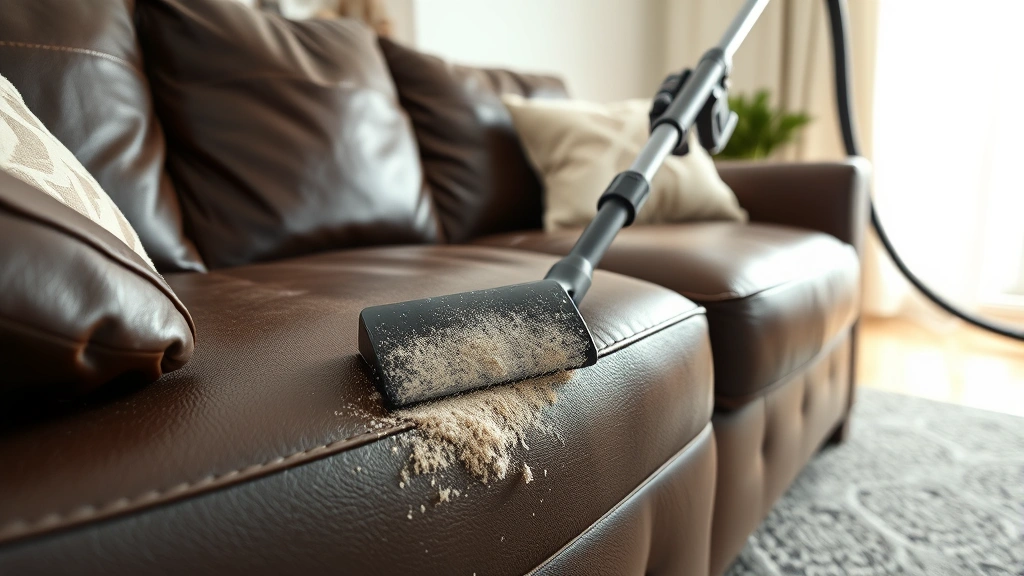
- Vacuum thoroughly: Use your vacuum’s upholstery attachment to remove dust, crumbs, and debris from the entire surface, seams, and crevices. Pay special attention to areas where people sit most frequently.
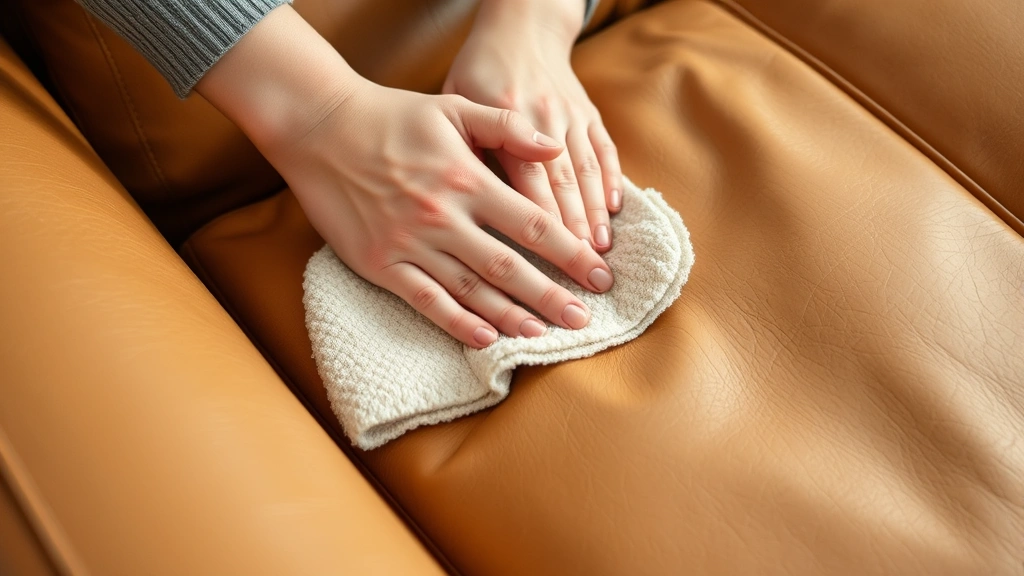
- Wipe with a dry cloth: After vacuuming, use a clean microfiber cloth to wipe down all surfaces. This removes remaining dust particles and prevents them from settling into the leather’s pores.
- Address spills immediately: When accidents happen, blot (never rub) spills with a clean cloth right away. This prevents liquids from penetrating the leather and causing stains.
- Rotate cushions: If your couch has removable cushions, rotate them weekly to ensure even wear and fading patterns.
- Keep away from direct sunlight: UV rays fade leather and cause it to dry out. Use curtains or blinds to protect your furniture during peak sun hours.
This routine takes just 10-15 minutes weekly and dramatically extends your couch’s lifespan. Think of it as preventative maintenance similar to how you’d maintain other household items. For those seeking similar cleaning approaches for other materials, our article on how to clean jewelry emphasizes the same principle of regular, gentle care.
Tackling Stains and Spills
Leather’s porous nature means stains can set quickly if not addressed properly. The key is acting fast and using the right technique for each stain type:
Fresh Spills: Immediately blot with a clean, dry cloth. Never wipe or rub, as this spreads the liquid deeper into the leather. Continue blotting with fresh cloth sections until no more moisture transfers. For water-based spills, this often completely solves the problem.
Oily Stains: Sprinkle baking soda directly on the stain and let it sit for 15-20 minutes to absorb the oil. Gently brush away the powder with a soft-bristled brush, then wipe with a damp microfiber cloth. If residue remains, create a mild cleaning solution by mixing one part dish soap with ten parts distilled water.
Ink and Pen Marks: For ballpoint pen marks, use rubbing alcohol on a cotton swab, testing first on a hidden area. Dab gently without excessive pressure. For permanent marker, leather cleaner formulated for tough stains works best. Always work from the outside edges of the stain inward to prevent spreading.
Food and Drink Stains: Remove dried material with a soft brush, then apply your leather cleaner according to product instructions. For stubborn stains like red wine or coffee, you may need to let the cleaner sit for several minutes before wiping away. Follow up with a damp cloth to remove any cleaner residue.
Grease and Grime: Mix one part mild dish soap with ten parts distilled water. Apply with a microfiber cloth, working in circular motions. Wipe with a damp cloth to remove soap residue, then dry thoroughly with a clean cloth.
Deep Cleaning Methods
Beyond routine maintenance and spot cleaning, your leather couch benefits from periodic deep cleaning—typically every 6-12 months depending on usage:
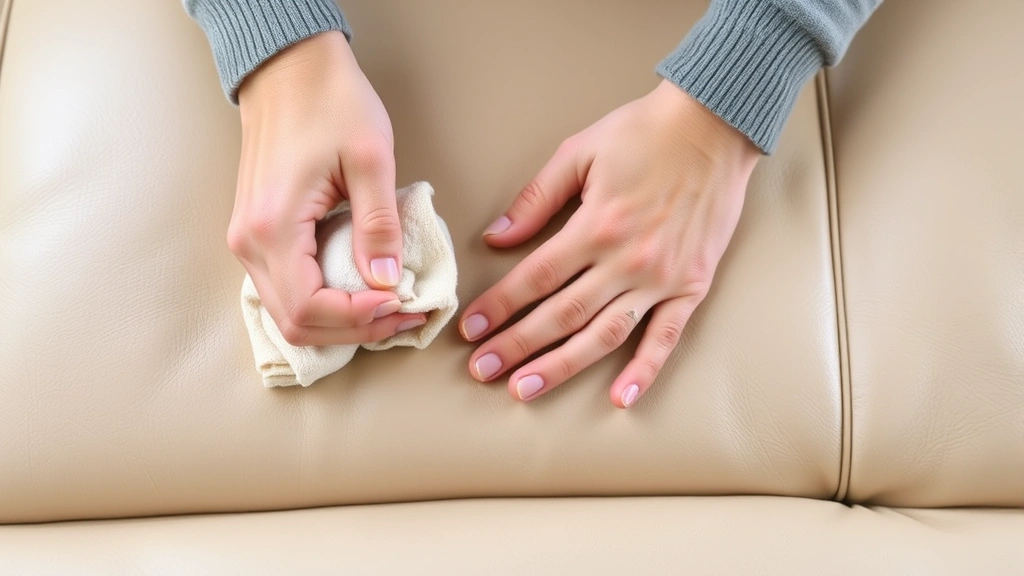
The Mild Soap Solution Method: This is the gentlest approach suitable for most leather types. Mix one part mild dish soap (like Dawn) with ten parts distilled water in a spray bottle. Lightly mist a microfiber cloth—not the couch directly—with the solution. Wipe the entire couch surface using gentle circular motions, working section by section. Rinse by wiping with a cloth dampened with plain distilled water. Finally, dry completely with a clean, dry cloth. This method removes surface grime without harsh chemicals.
Commercial Leather Cleaner: For deeper cleaning, use a cleaner specifically formulated for leather furniture. This Old House recommends testing any new product on a hidden area first. Follow the manufacturer’s instructions precisely—typically spraying onto a cloth rather than directly onto the leather, then wiping in consistent directions. Allow the couch to dry naturally in a well-ventilated area.
Steam Cleaning Caution: While some recommend steam cleaning for leather, proceed with extreme caution. Excessive moisture can damage leather permanently, causing warping, shrinkage, and mold growth. If you choose this method, use minimal steam and ensure proper drying afterward. Many experts suggest avoiding steam entirely for valuable pieces.
Professional Cleaning: For antique, expensive, or heavily soiled leather couches, professional cleaning services offer expertise and specialized equipment. They understand different leather types and can handle challenging situations safely.
Conditioning and Protection
Leather is skin-like and requires regular conditioning to stay supple and prevent cracking. Conditioning replenishes natural oils that evaporate over time, especially in dry climates or heated homes:
When to Condition: Most leather experts recommend conditioning every 6-12 months, or whenever the leather appears dry or feels stiff. Test by folding a hidden area—if the crease doesn’t smooth out quickly, conditioning is needed.
Application Process: Choose a leather conditioner formulated for furniture (not shoe polish or automotive products). Apply a small amount to a soft cloth and work it into the leather using circular motions, following the grain. Cover the entire couch, including sides and back. Allow the conditioner to absorb for the time specified by the product—typically 15-30 minutes. Buff away excess with a clean cloth. Your couch should feel moisturized but not greasy.
Protective Treatments: After conditioning, consider applying a leather protector spray. These create an invisible barrier that repels liquids and prevents stains. Family Handyman notes that protectors are especially valuable for aniline or semi-aniline leather. Reapply protector annually or after professional cleaning.
Environmental Control: Maintain your home’s humidity between 30-40% to prevent leather from drying out or becoming too moist. Use a humidifier in dry seasons and a dehumidifier during humid periods. Keep the couch away from heating vents, air conditioning units, and fireplaces, as extreme temperature changes stress the material.
Common Mistakes to Avoid
Understanding what not to do prevents costly damage to your leather investment:
- Using water alone: Plain water can leave watermarks and doesn’t effectively remove dirt. Always use appropriate cleaning solutions.
- Rubbing spills: Rubbing spreads liquids deeper into the leather. Always blot gently instead.
- Applying cleaner directly: Spraying cleaner directly onto leather can oversaturate it. Apply cleaner to a cloth first, then wipe the couch.
- Skipping test patches: Never use a new product on your entire couch without testing on a hidden area first. This prevents widespread damage from incompatible products.
- Over-conditioning: Too much conditioner leaves a greasy, sticky residue that attracts dirt. Follow product instructions for appropriate quantities.
- Using harsh chemicals: Bleach, acetone, alcohol-based cleaners, and abrasive scrubbers damage leather permanently. Stick to leather-specific products.
- Ignoring manufacturer recommendations: Your couch came with care instructions for a reason. Follow them to maintain warranty coverage.
- Letting stains dry: The longer a stain sits, the harder it becomes to remove. Address spills immediately for best results.
- Neglecting regular maintenance: Skipping weekly vacuuming and wiping allows dirt to accumulate, requiring more aggressive (and potentially damaging) cleaning later.
FAQ
Can I use vinegar to clean my leather couch?
While vinegar is a popular natural cleaner for many surfaces, it’s not ideal for leather. Vinegar is acidic and can strip leather of its natural oils, causing dryness and potential discoloration. For leather furniture, stick with mild dish soap solutions or products specifically formulated for leather. If you prefer natural alternatives, a mixture of lemon juice and cream offers gentle cleaning properties, though testing on a hidden area first is essential.
What’s the best way to remove pen marks from leather?
For ballpoint pen marks, use a cotton swab with rubbing alcohol, testing first on a hidden spot. Dab gently—don’t rub aggressively. For permanent marker, leather-specific stain removers work better. Blot rather than rub, as rubbing spreads the mark. For stubborn cases, professional cleaning may be necessary. Never use erasers or abrasive methods, as these damage the leather surface.
How often should I clean my leather couch?
Vacuum and wipe your leather couch weekly to remove dust and prevent buildup. Address spills immediately when they occur. Deep clean every 6-12 months depending on usage—more frequently if you have children or pets, or if the couch receives heavy use. Conditioning should happen every 6-12 months or when the leather appears dry.
Is it safe to use a leather couch cleaner on aniline leather?
Aniline leather is the most delicate type because it lacks protective coating, making it susceptible to staining and damage. Use only gentle cleaning methods and leather-specific cleaners formulated for aniline leather. Always test on a hidden area first. For valuable aniline pieces, professional cleaning is often the safest choice. Consider applying a protective treatment after cleaning to guard against future stains.
Can I use baby wipes on my leather couch?
Some baby wipes are safe for leather, but many contain ingredients that can damage it. Wipes often contain alcohol, which strips leather oils, or fragrances that leave residue. For routine cleaning, microfiber cloths with plain distilled water or a proper leather cleaner are safer choices. If you must use wipes, choose fragrance-free, alcohol-free varieties designed for sensitive skin, and test first on a hidden area.
What should I do if my leather couch gets wet?
Act quickly to prevent water damage. Blot excess moisture with clean, dry cloths—don’t rub. Open windows and use fans to improve air circulation. If possible, place the couch in a well-ventilated area or use a dehumidifier to speed drying. Never use heat sources like hair dryers or heaters, as rapid drying can damage leather. Once dry, condition the leather to restore oils lost during the wet incident. For extensive water damage, consult professionals.
Are leather couch cleaning services worth the investment?
Professional cleaning services offer value for expensive or antique couches, heavily soiled pieces, or when you’re uncertain about care requirements. Professionals have specialized equipment and expertise to handle challenging stains and different leather types safely. For regular maintenance, DIY cleaning with proper products is cost-effective. Consider professional services annually or when your DIY efforts don’t achieve desired results. Check Angi or similar platforms for qualified professionals in your area.

Related Posts

Superscript in Google Docs: Expert Tips

Strikethrough in Excel: Easy Steps for Beginners
