
Clean Front Load Washer? Expert Tips Inside!
How to Clean a Front Load Washer: Expert Tips Inside
Front load washers are efficient, water-saving machines that have become standard in many homes. However, their design—with a sealed door and horizontal drum—creates the perfect environment for mold, mildew, and detergent buildup if not properly maintained. Unlike top loaders, front loaders require regular cleaning to prevent odors, reduce bacteria, and keep your clothes fresh and clean.
In this comprehensive guide, we’ll walk you through everything you need to know about maintaining your front load washer. Whether you’re dealing with stubborn mold or just want to prevent future problems, these expert tips will help you keep your machine running smoothly for years to come. We’ll cover daily habits, monthly deep cleans, and troubleshooting common issues that plague front load washers.
Why Front Load Washers Need Regular Cleaning
Front load washers operate differently than traditional top loaders, and this difference is both their greatest strength and their biggest challenge. The horizontal drum design uses less water and detergent, making them incredibly efficient—but it also means water doesn’t drain completely from every crevice. This trapped moisture becomes a breeding ground for bacteria, mold, and mildew.
The rubber gasket (the seal around the door) is particularly vulnerable. It creates a dark, damp environment where spores thrive. Over time, this buildup causes musty odors that transfer to your clothes, making them smell unpleasant even after washing. Additionally, detergent residue accumulates on the drum, dispenser, and interior walls, reducing your washer’s cleaning effectiveness and potentially causing mechanical issues.
Regular cleaning prevents these problems, extends your machine’s lifespan, and ensures your clothes come out truly fresh. Think of it as similar to maintaining other household appliances—you wouldn’t neglect a coffee maker without regular cleaning, and your washer deserves the same attention.
Essential Supplies and Tools
Before you start, gather these items to make the cleaning process easier and more effective:
- White vinegar – A natural disinfectant and deodorizer that cuts through detergent buildup
- Baking soda – Neutralizes odors and boosts cleaning power
- Affresh or similar commercial washer cleaner – Specifically formulated for front loaders
- Microfiber cloths or old towels – For wiping down interior surfaces
- Small brush or old toothbrush – For scrubbing tight spaces and the gasket
- Spray bottle – For applying cleaning solutions
- Rubber gloves – To protect your hands from mold and chemicals
You don’t need expensive products to clean your washer effectively. White vinegar and baking soda are affordable, non-toxic alternatives that work just as well as commercial cleaners. However, if you prefer a dedicated product, This Old House recommends several washer cleaners that have proven results.
Daily Maintenance Habits
The best way to prevent major cleaning issues is to develop simple daily habits. These take just minutes but make a tremendous difference:
Leave the door open after each wash. This is the single most important step. Prop the door open for at least 2-4 hours after finishing a load (or overnight if possible). Air circulation allows moisture to evaporate from the drum, gasket, and interior surfaces. This simple habit prevents the mold and mildew from gaining a foothold.
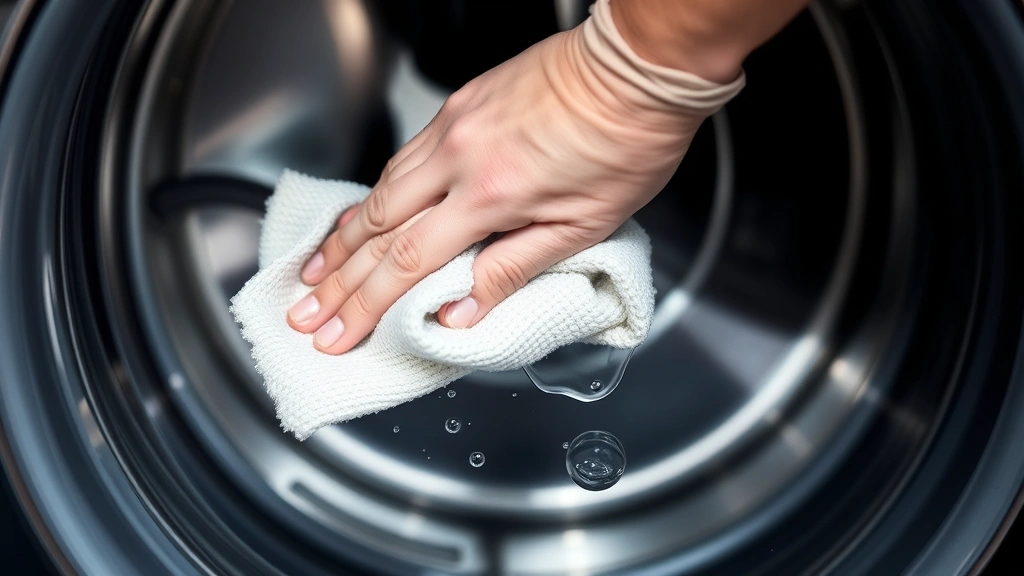
Wipe the rubber gasket. After each load, take a dry cloth and quickly wipe around the rubber seal. Pay special attention to the bottom, where water and debris collect. This removes trapped lint, detergent, and moisture that could otherwise cause problems.
Use the correct detergent amount. Front loaders use significantly less water, so they require less detergent. Using too much detergent creates excess suds and residue that accumulates in the machine. Follow your detergent manufacturer’s recommendations, and consider using high-efficiency (HE) detergent specifically formulated for front loaders.
Check and empty the drain pump filter. Your front loader likely has a drain pump filter located at the bottom front of the machine. Empty this monthly (or more frequently if you have a large household). Lint and debris accumulate here, and a clogged filter reduces drainage efficiency.
Monthly Deep Cleaning Process
Once a month, dedicate 30-45 minutes to a thorough cleaning. This process removes accumulated buildup and keeps your washer in top condition:
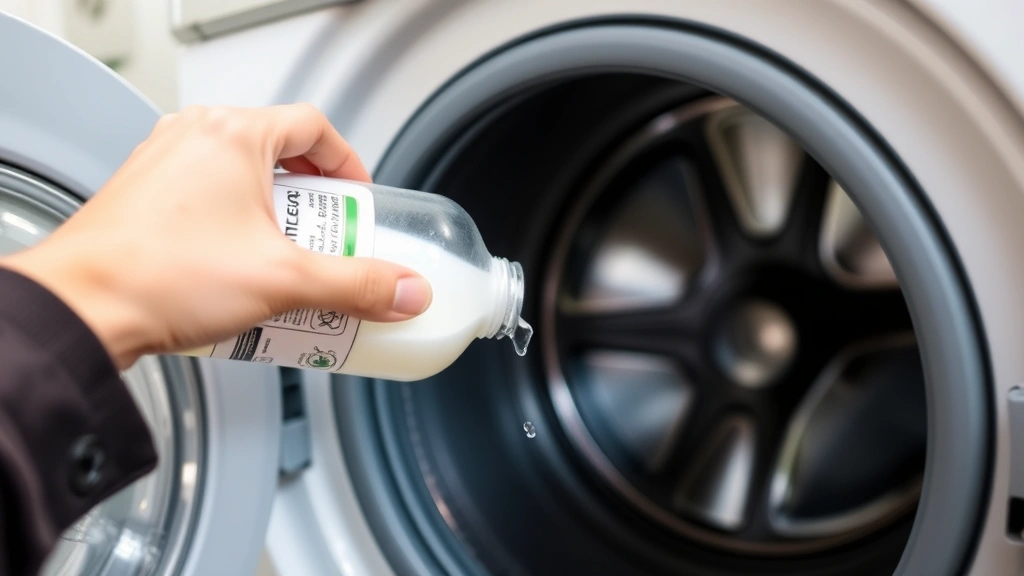
Step 1: Run a hot water cycle with vinegar. Pour 2 cups of white vinegar directly into the drum (not the detergent dispenser). Select the hottest water temperature available and run a full wash cycle on the longest setting. The vinegar will disinfect the drum, break down detergent residue, and eliminate odors. This is your first line of defense against mold and mildew.
Step 2: Run a second cycle with baking soda. After the vinegar cycle completes, add 1/2 cup of baking soda directly to the drum. Run another hot water cycle. Baking soda will neutralize any remaining odors and provide additional cleaning power. These two cycles work together synergistically—vinegar is acidic and dissolves mineral deposits, while baking soda is alkaline and neutralizes odors.
Step 3: Scrub the rubber gasket thoroughly. While the second cycle is running, prepare your gasket cleaning. Mix equal parts white vinegar and water in a spray bottle. When the cycle finishes, spray this solution along the entire rubber seal. Using a small brush or old toothbrush, scrub every fold and crevice of the gasket. Pay extra attention to the bottom where water pools. Wipe clean with a damp cloth and dry completely.
Step 4: Clean the detergent dispenser. Remove the dispenser drawer (consult your manual for exact instructions). Soak it in hot water with a bit of vinegar for 15-20 minutes. Use a brush to scrub out hardened detergent. Rinse thoroughly and replace. This prevents clogs and ensures proper detergent distribution in future loads.
Step 5: Wipe down the interior. Using a damp microfiber cloth, wipe the inside of the drum, the door, and around the edges. Remove any visible lint, debris, or residue. Leave the door open to air dry completely.
Tackling Stubborn Mold and Odors
If your washer already has significant mold growth or persistent odors, you’ll need a more aggressive approach. Commercial washer cleaners like Affresh are specifically designed for this situation and often work faster than natural alternatives.
Using commercial washer cleaner: Follow the product instructions, which typically involve placing a tablet or powder in the drum and running a hot water cycle. These cleaners contain more potent disinfectants than vinegar alone. Run the cycle, then follow up with a vinegar cycle and a regular rinse cycle to remove any chemical residue.
For severe mold in the gasket: If the rubber seal has visible black spots or streaks that won’t come off with vinegar, the mold may be deep-seated. Try this intensive approach: spray the gasket generously with vinegar solution, let it sit for 30 minutes, scrub vigorously with a brush, and repeat if necessary. If mold persists, you may need to contact a professional or consider replacing the gasket—a relatively inexpensive repair that hardware retailers carry.
Preventing future mold: Once you’ve eliminated the mold, commit to the daily habits mentioned earlier. The door-open habit is non-negotiable if you want to prevent recurrence. Some people also place a small bowl of baking soda inside the washer between loads to absorb moisture and odors.

Cleaning the Drum and Interior
The drum itself requires periodic attention, especially if you notice residue buildup or discoloration. Over time, detergent, fabric softener, and minerals from hard water can coat the drum surface.
For light residue: The vinegar and baking soda cycles described above will handle most buildup. These natural cleaners are gentle on the stainless steel drum while being effective at removing deposits.
For heavy buildup: Use a commercial washer cleaner or try this method: Run a hot water cycle with 2 cups of white vinegar, then immediately run another hot cycle with 1 cup of hydrogen peroxide. The combination provides stronger disinfection and can break through stubborn deposits. Finish with a regular rinse cycle to ensure no cleaning agents remain.
Preventing drum corrosion: If you have hard water, mineral deposits may accumulate on the drum. These appear as white or brown streaks. Running the vinegar cycle monthly helps prevent this. Some people also add a commercial water softener designed for washers, though this is optional depending on your water hardness.
Detergent Dispenser Maintenance
The detergent dispenser drawer is another common problem area. Detergent can harden and accumulate, blocking proper flow and potentially causing dispensing problems during wash cycles.
Weekly maintenance: After using the washer, wipe out the dispenser drawer opening with a dry cloth to remove detergent residue before it hardens.
Monthly deep clean: Remove the dispenser drawer completely. Check your washer’s manual for removal instructions, as different models vary. Soak the drawer in hot water for 15-20 minutes. Use an old toothbrush to scrub away hardened detergent, paying special attention to the edges and compartments. Rinse thoroughly under running water until no soap remains. For stubborn buildup, soak in a vinegar solution (equal parts vinegar and water) for an additional 15 minutes before scrubbing.
Cleaning the dispenser cavity: While the drawer is removed, use a damp cloth to wipe out the cavity where it sits. Lint and detergent can accumulate here as well. A small brush or old toothbrush helps reach corners. Leave it dry before replacing the drawer.
Preventing dispenser problems: Use the correct amount of detergent. Even though modern detergents are concentrated, many people still use too much. Following the dosage guidelines prevents excess buildup. Additionally, consider using single-dose detergent pods, which eliminate measuring errors and reduce residue.
Prevention Tips for Long-Term Care
The key to a clean, fresh-smelling front load washer is prevention. These habits will keep your machine in excellent condition:
- Always leave the door open. This is the most critical habit. Air circulation prevents moisture accumulation that leads to mold.
- Use HE detergent. Front loaders require less detergent than top loaders. Using the right type and amount prevents residue buildup.
- Wipe the gasket after each load. This takes 30 seconds and prevents debris and moisture from accumulating in the seal.
- Clean the drain pump filter monthly. A clogged filter reduces drainage efficiency and can cause water to remain in the machine.
- Run a cleaning cycle monthly. Whether using vinegar or a commercial cleaner, monthly maintenance prevents problems from developing.
- Don’t use fabric softener. Fabric softener leaves residue that accumulates in the machine and on clothes. It’s especially problematic in front loaders with low water levels.
- Check for foreign objects. Coins, buttons, and other items can get stuck in the drum or seal. Empty pockets before washing.
- Ensure proper ventilation. Install your washer in a well-ventilated area if possible. Basements and enclosed laundry rooms trap moisture, creating ideal conditions for mold.
These practices mirror the approach to maintaining other household systems. Just as you’d regularly maintain your plumbing or HVAC system, your washer deserves consistent care. The time investment now prevents expensive repairs or replacement later.
For additional guidance on cleaning other household appliances, check out our guides on removing rust from stainless steel and other home maintenance guides.
FAQ
How often should I clean my front load washer?
Run a deep cleaning cycle (vinegar and baking soda) once monthly. Perform daily maintenance tasks like wiping the gasket and leaving the door open after every load. If you notice odors or visible mold, increase cleaning frequency to twice monthly until the problem resolves.
Can I use bleach to clean my front load washer?
While bleach is a powerful disinfectant, it’s not ideal for regular washer cleaning. Bleach can damage the rubber gasket and other components over time. White vinegar and baking soda are safer alternatives that work effectively. If you choose to use bleach, dilute it heavily (1 part bleach to 10 parts water) and avoid contact with rubber parts.
Why does my washer smell like mildew even after cleaning?
If odors persist after cleaning, you likely have mold deep in the gasket or drum. Try running two consecutive hot water cycles with commercial washer cleaner, followed by vinegar and baking soda cycles. Ensure you’re leaving the door open completely between loads. If the smell still doesn’t disappear, the gasket may need replacement, or you should consult a professional technician.
Is it safe to use vinegar in my front load washer?
Yes, white vinegar is completely safe for front loaders. It’s non-toxic, inexpensive, and effective at removing detergent residue and killing odor-causing bacteria. Use 2 cups per cleaning cycle. Vinegar won’t damage stainless steel drums or rubber seals when used as directed.
What’s the difference between cleaning vinegar and regular white vinegar?
Cleaning vinegar has a higher acidity level (about 6% acetic acid versus 5% in regular white vinegar). While cleaning vinegar works slightly better, regular white vinegar is perfectly adequate for washer maintenance. Both cost under $3 per bottle and are readily available at any grocery store.
Can I prevent mold without leaving the door open?
Leaving the door open is the most effective prevention method, but if this isn’t practical, try these alternatives: place a bowl of baking soda inside the washer between loads, run a cleaning cycle weekly instead of monthly, use a commercial washer deodorizer product, or install a small fan in your laundry room to improve air circulation. However, leaving the door open remains the gold standard for prevention.
How do I know if my drain pump filter needs cleaning?
If water drains slowly from your washer, the filter is likely clogged. Additionally, if you notice small objects like coins or lint in the filter area, it’s time for cleaning. Most manufacturers recommend checking the filter monthly as part of routine maintenance. Consult your manual for your specific model’s filter location and removal procedure.

Related Posts

Superscript in Google Docs: Expert Tips

Strikethrough in Excel: Easy Steps for Beginners
