
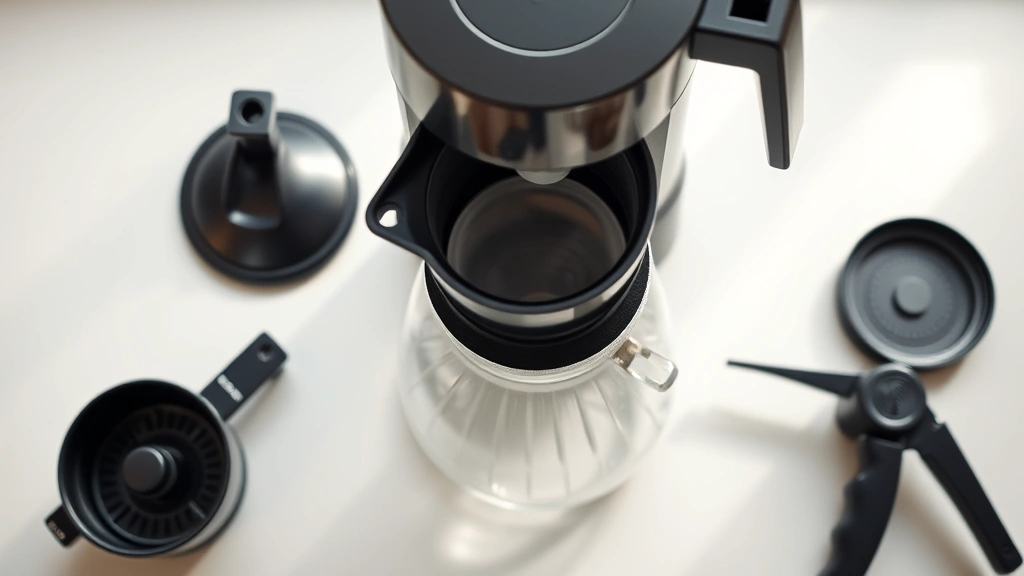
Clean Your Coffee Maker? Expert Tips Inside
How to Clean Your Coffee Maker: Expert Tips for a Perfect Brew
A clean coffee maker is essential for brewing the perfect cup of coffee every morning. Over time, mineral deposits, oils, and residue accumulate inside your machine, affecting both the taste of your coffee and the longevity of your equipment. Whether you own a drip coffee maker, French press, espresso machine, or single-serve pod brewer, regular cleaning ensures optimal performance and delicious results.
Most coffee enthusiasts don’t realize that a dirty coffee maker can harbor bacteria and mold, which pose health risks beyond just compromised flavor. The good news? Cleaning your coffee maker is straightforward and requires minimal supplies. In this comprehensive guide, we’ll walk you through expert techniques to keep your machine in top condition, ensuring every cup tastes fresh and satisfying.
Why Regular Cleaning Matters
Understanding the importance of cleaning your coffee maker helps motivate consistent maintenance. Coffee contains natural oils that build up on brewing surfaces, affecting the flavor profile of subsequent batches. These oils can turn rancid over time, leaving your coffee tasting bitter or stale even when using fresh beans.
Beyond flavor concerns, mineral deposits from hard water create scale buildup inside heating elements and water lines. This scale reduces heat transfer efficiency, forcing your machine to work harder and potentially shortening its lifespan significantly. In humid environments, moisture trapped inside the machine can encourage mold and mildew growth, creating potential health hazards.
Regular cleaning also maintains your warranty coverage on many machines, as manufacturers often require proof of proper maintenance. Think of coffee maker cleaning as similar to other preventive home maintenance tasks—just like you’d check tire tread regularly on your vehicle, consistent coffee maker maintenance prevents costly repairs or replacement.
Supplies You’ll Need
Gathering the right cleaning supplies before you start makes the process efficient and effective. Here’s what you should have on hand:
- White vinegar – The most effective natural descaling agent for removing mineral deposits
- Water – Filtered or distilled water works best to minimize new mineral buildup
- Dish soap – Mild liquid soap for washing removable components
- Soft-bristled brush – Ideal for scrubbing without scratching surfaces
- Pipe cleaners or small brushes – Perfect for reaching narrow tubes and crevices
- Coffee maker cleaning tablets – Optional commercial alternative to vinegar
- Dry cloth – For drying and polishing exterior surfaces
- Small bowl – For soaking removable parts
Many of these items are already in your home, making this an economical maintenance routine. If you prefer commercial solutions, brands like Cafiza and Dripkit offer specialized coffee maker cleaning products that work similarly to vinegar but with added benefits for certain machine types.
How to Clean a Drip Coffee Maker
Drip coffee makers are the most common type, and cleaning them involves both daily maintenance and deeper descaling. Start by unplugging your machine and allowing it to cool completely before beginning any cleaning process.
Daily Cleaning Steps:
- Remove the used coffee grounds and filter, disposing of them in the trash or compost
- Take out the carafe and rinse it thoroughly with warm water
- Remove the brew basket and rinse it under running water, ensuring no grounds remain
- Wipe down the exterior with a damp cloth to remove dust and splatters
- Reassemble all components once they’re dry
This daily routine takes just a few minutes but prevents buildup from becoming problematic. For the carafe, avoid putting it directly on heat sources after cleaning, as temperature shock can crack glass.
Weekly Deep Clean:
Once weekly, disassemble removable parts and soak them in warm soapy water for 15-20 minutes. Use a soft brush to gently scrub the brew basket and spray head, paying special attention to any visible residue. Rinse thoroughly with clean water and allow to air dry before reassembling.

The Descaling Process
Descaling removes mineral buildup and should be performed monthly if you have hard water, or every two to three months for soft water areas. This process is crucial for maintaining your machine’s heating efficiency and brew quality.
Vinegar Descaling Method:
- Fill the water reservoir with equal parts white vinegar and water (typically 2 cups of each)
- Place an empty carafe on the warming plate
- Turn on the machine and let it brew halfway through the solution
- Turn off the machine and let it sit for 30 minutes, allowing the vinegar to dissolve mineral deposits
- Turn the machine back on and complete the brewing cycle
- Discard the vinegar solution from the carafe
- Repeat steps 1-6 with fresh vinegar and water solution
- Fill the reservoir with fresh water only and run two full brew cycles to rinse
The vinegar smell may linger briefly, but it will dissipate. If the odor persists, run one additional water-only cycle. For machines with removable spray heads or showerheads, remove them and soak in vinegar solution for 20 minutes, then use a pipe cleaner to clear any mineral-clogged holes.
If you prefer avoiding the vinegar smell, This Old House recommends using commercial descaling solutions specifically designed for coffee makers, which often produce less odor while achieving similar results.

Cleaning Other Coffee Maker Types
French Press Cleaning:
French presses require different care since they use immersion brewing. After each use, dispose of grounds and rinse the carafe immediately. Weekly, soak the carafe and mesh plunger in hot soapy water for 10 minutes, then use a soft brush to clean the mesh. For descaling, fill with vinegar solution, let sit for 15 minutes, then scrub and rinse thoroughly.
Espresso Machine Maintenance:
Espresso machines demand more frequent attention due to pressurized water and high temperatures. Purge the group head before and after each use by running water through it without the portafilter attached. Weekly, remove the shower screen and soak it in espresso machine cleaning powder dissolved in hot water. Backflush the group head with a blind basket (no hole) to clear internal passages. Monthly descaling involves running the cleaning solution through the group head and steam wand according to your machine’s manual.
Single-Serve Pod Brewers:
These machines often get overlooked but require regular maintenance. Daily, rinse the water reservoir and empty the used pod container. Weekly, run a cleaning cycle using a commercial pod brewer cleaning solution. Monthly, remove and soak removable parts in vinegar solution. Check the needle that punctures pods for mineral buildup and clean with a paper clip or specialized cleaning tool.
Moka Pot and Stovetop Brewer Care:
These manual brewers need hand washing after each use. Separate all three chambers and rinse under warm water, removing any coffee residue. Never use vinegar on aluminum Moka pots, as it can damage the material. Instead, use hot soapy water and a soft brush. For stainless steel models, monthly vinegar soaks are acceptable.
Preventive Maintenance Tips
Beyond regular cleaning, several preventive measures extend your coffee maker’s life and improve performance. Using filtered or distilled water significantly reduces mineral buildup compared to tap water. If you’re concerned about water quality, consider investing in a Family Handyman water filter pitcher or installing a whole-home water filtration system.
Store your coffee maker in a dry location away from moisture-prone areas. After use, leave the brew basket out to allow internal components to air dry completely, preventing mold growth. Never leave water sitting in the reservoir between uses, as stagnant water can develop bacterial growth.
Check your machine’s manual for manufacturer-specific maintenance recommendations. Some brands recommend particular descaling products or frequencies. Keep your manual accessible for reference, similar to how you’d maintain records for other household appliances and maintenance tasks like changing your car battery.
Inspect hoses and tubing regularly for cracks or discoloration. Replace any damaged components promptly to prevent water leaks or contamination. For machines with water lines, ensure they’re not kinked or compressed, which can restrict water flow and cause uneven brewing.
How Often to Clean Your Coffee Maker
Establishing a cleaning schedule ensures your machine stays in optimal condition. Here’s a recommended timeline:
- Daily: Empty grounds and rinse the carafe and brew basket
- Weekly: Deep clean removable parts with soapy water and a brush
- Monthly: Perform full descaling with vinegar or commercial solution
- Quarterly: Inspect all components for wear and replace if necessary
- Annually: Consider professional servicing for expensive machines
Adjust this schedule based on your water hardness and usage frequency. Heavy users who brew multiple times daily should descale every two weeks. Those in areas with very soft water might extend to quarterly descaling. Just as you’d establish a routine for checking tire pressure regularly, consistent coffee maker maintenance becomes a simple habit that pays dividends.
Mark your calendar or set phone reminders for descaling dates. Many modern coffee makers include automatic cleaning alerts that notify you when maintenance is due. Pay attention to these signals—they’re programmed based on brew cycle counts and are reliable indicators of when cleaning is necessary.
FAQ
Can I use bleach to clean my coffee maker?
No, bleach is too harsh and can damage internal components while leaving toxic residue. Stick with vinegar or commercial coffee maker cleaning solutions specifically formulated for food-contact surfaces. White vinegar is the safest and most effective natural option.
Why does my coffee maker smell like vinegar after cleaning?
Residual vinegar odor is normal and indicates the descaling solution reached internal components. Run two to three additional water-only brew cycles to rinse thoroughly. The smell will dissipate within a few uses. If it persists, your machine may need more rinse cycles.
Is it safe to drink coffee after descaling with vinegar?
Yes, provided you run adequate rinse cycles afterward. The vinegar solution removes mineral deposits but doesn’t leave harmful residue when properly rinsed. Always complete at least two full water-only brew cycles before brewing coffee again. The rinse cycles are crucial for safety.
What’s the difference between cleaning and descaling?
Cleaning removes coffee oils and surface debris through washing removable parts. Descaling specifically targets mineral deposits inside the machine using acidic solutions like vinegar. Both processes are necessary for complete maintenance. Cleaning addresses what you can see; descaling addresses internal buildup.
Can I descale with lemon juice instead of vinegar?
Lemon juice works similarly to vinegar due to its citric acid content, though it’s generally less effective. Use the same ratio of lemon juice to water as you would vinegar. However, vinegar is more economical and produces more consistent results. Lemon juice may leave a citrus odor that some find preferable to vinegar.
How do I know if my coffee maker needs descaling?
Signs include slower brewing times, weaker coffee flavor, strange tastes, or visible mineral deposits. If your machine takes significantly longer to brew than usual, descaling is likely needed. Some machines have automatic indicators that alert you when descaling is necessary.
Are commercial coffee maker cleaners better than vinegar?
Both are effective, but commercial cleaners are often more potent and produce less odor. They’re ideal for heavily scaled machines or if you dislike vinegar’s smell. Home Depot carries several quality brands at reasonable prices. For routine maintenance, vinegar works perfectly well and costs pennies.
Can I use tap water or should I always use filtered water?
Filtered or distilled water is preferable, especially if you have hard water. Tap water contains minerals that accumulate in your machine, requiring more frequent descaling. If you’re already dealing with scale buildup, using filtered water moving forward will slow future accumulation significantly.

Related Posts

Superscript in Google Docs: Expert Tips

Strikethrough in Excel: Easy Steps for Beginners
