
Quarter Pound to Grams? Conversion Explained
Whether you’re following a recipe from a cookbook, measuring ingredients for meal prep, or working on a DIY project that requires precise measurements, understanding weight conversions is essential. One of the most common conversions home cooks and kitchen enthusiasts encounter is converting a quarter pound to grams. This simple yet frequently needed conversion can make the difference between a perfectly executed dish and one that falls short of expectations.
The metric system has become increasingly prevalent in modern recipes, cooking shows, and culinary resources worldwide. If you’re accustomed to imperial measurements like pounds and ounces, converting to grams might seem confusing at first. However, once you understand the basic conversion factor, you’ll find it straightforward to apply this knowledge across various cooking and baking projects. Let’s break down exactly how many grams are in a quarter pound and explore the practical applications of this conversion.
The Basic Conversion: Quarter Pound to Grams
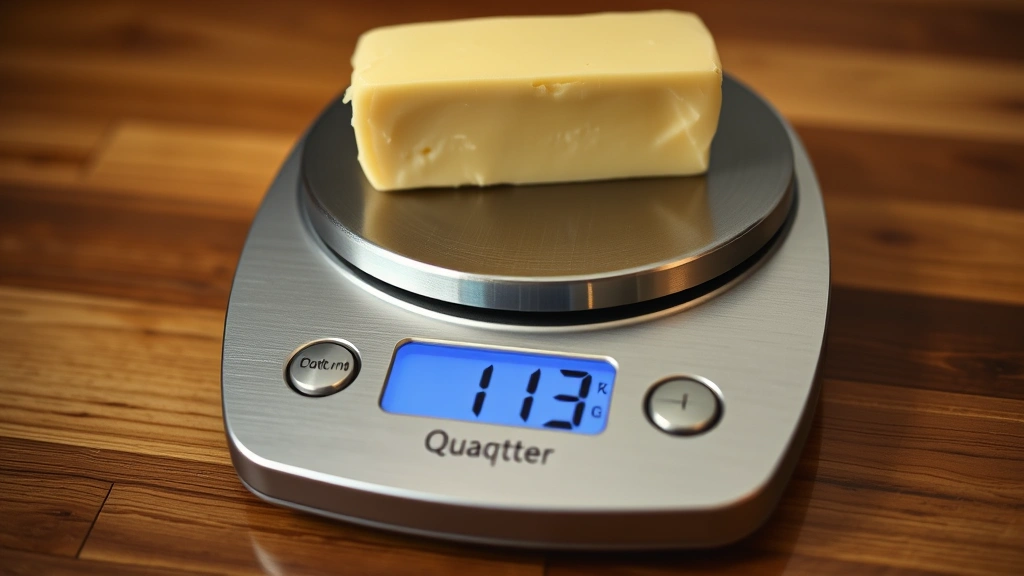
A quarter pound equals approximately 113.4 grams, though it’s commonly rounded to 113 grams or even 115 grams for practical cooking purposes. To understand where this number comes from, we need to look at the relationship between pounds and grams.
One pound is defined as exactly 453.592 grams. When you divide this by four (since a quarter is one-fourth), you get 113.398 grams. This is the precise conversion that you’ll find in any scientific measurement guide. For everyday cooking and baking, most recipes accept rounding to the nearest gram, so 113 grams is perfectly acceptable and widely used.
Here’s the mathematical breakdown:
- 1 pound = 453.592 grams
- 1 pound ÷ 4 = 113.398 grams
- Rounded for practical use = 113 grams
- Common rounding variations = 113-115 grams
The reason you might see slight variations in conversion charts (113, 114, or 115 grams) is due to different rounding methods. Some sources round to the nearest whole number at different stages of calculation, while others use slightly different pound-to-gram ratios. For most home cooking applications, these small differences won’t significantly impact your results.
Understanding Weight Measurements
To fully grasp the quarter pound to grams conversion, it helps to understand the broader context of weight measurements used in cooking and everyday life. The imperial system, primarily used in the United States, relies on pounds and ounces, while the metric system, used internationally, uses grams and kilograms.
Key weight conversions to remember:
- 1 ounce = 28.35 grams
- 1 pound = 16 ounces
- 1 pound = 453.592 grams
- 1 kilogram = 1,000 grams
- 1 kilogram = 2.205 pounds
Since a quarter pound is one-fourth of a pound, and one pound contains 16 ounces, a quarter pound equals 4 ounces (16 ÷ 4 = 4). This relationship can help you verify conversions: 4 ounces multiplied by 28.35 grams per ounce equals 113.4 grams, confirming our quarter pound conversion.
Understanding these interconnected measurements is particularly useful when you’re working with recipes from different sources. Some recipes list ingredients in pounds, others in ounces, and increasingly, many modern cookbooks and online resources provide measurements in grams for greater precision. When you’re smoking chicken wings or preparing other meat-based dishes, accurate weight measurements ensure even cooking and consistent results.
Why This Conversion Matters in the Kitchen
Precision in cooking and baking isn’t just about following rules—it’s about achieving consistent, delicious results. The quarter pound to grams conversion becomes particularly important in several culinary scenarios.
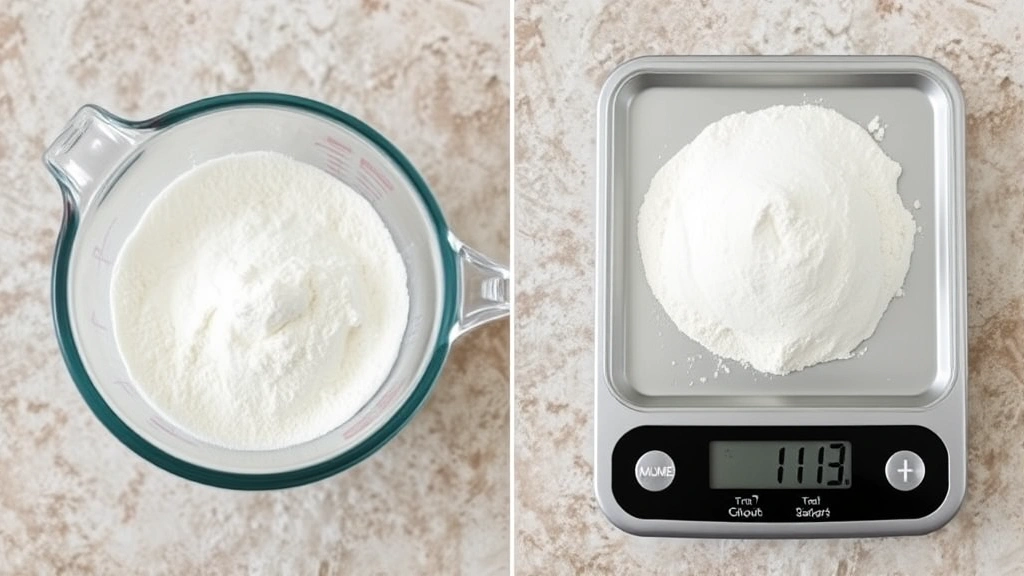
Baking and pastry work demand exceptional precision. Bakers often say that baking is chemistry, and chemistry requires exact measurements. When a recipe calls for a quarter pound of butter or flour, measuring by weight rather than volume produces more reliable results than using measuring cups. Grams provide this precision because they’re smaller units than ounces or pounds, allowing for more accurate measurements.
Meat preparation benefits from weight-based measurements as well. When you’re planning meals or calculating portions, knowing that a quarter pound of ground beef equals 113 grams helps you portion correctly and track nutritional information accurately. This is especially relevant when you’re boiling lobster tails or preparing other proteins that require specific cooking times based on weight.
Nutritional tracking has become increasingly popular among health-conscious home cooks. If you’re monitoring your protein intake, calorie consumption, or macro nutrients, gram measurements are the standard used on nutritional labels and in fitness apps. Converting imperial measurements to grams ensures you can accurately log your food intake.
International recipe sharing has exploded with the rise of food blogs and cooking communities online. A recipe from a British or Australian source will likely use metric measurements, while American recipes might use imperial. Being comfortable converting between these systems expands your recipe library significantly.
Practical Applications and Examples
Let’s explore real-world scenarios where you might need to convert a quarter pound to grams:
Scenario 1: Butter in Baking
You find a European pastry recipe that calls for 113 grams of butter, but your kitchen scale is broken and you only have measuring cups. You now know that 113 grams equals a quarter pound, so you can measure out one stick of butter (which is typically a quarter pound) instead of fumbling with volume measurements.
Scenario 2: Cheese Preparation
You’re making cottage cheese or another dairy-based dish, and the recipe specifies 226 grams of cheese. You can quickly calculate that this equals half a pound (two quarter-pound portions), making it easy to portion from a larger block.
Scenario 3: Meat Portioning
You have a pound of ground meat and want to divide it into equal portions. Knowing that a quarter pound equals 113 grams, you can create four equal portions of approximately 113 grams each, ensuring even cooking and consistent serving sizes.
Scenario 4: Chocolate or Nuts
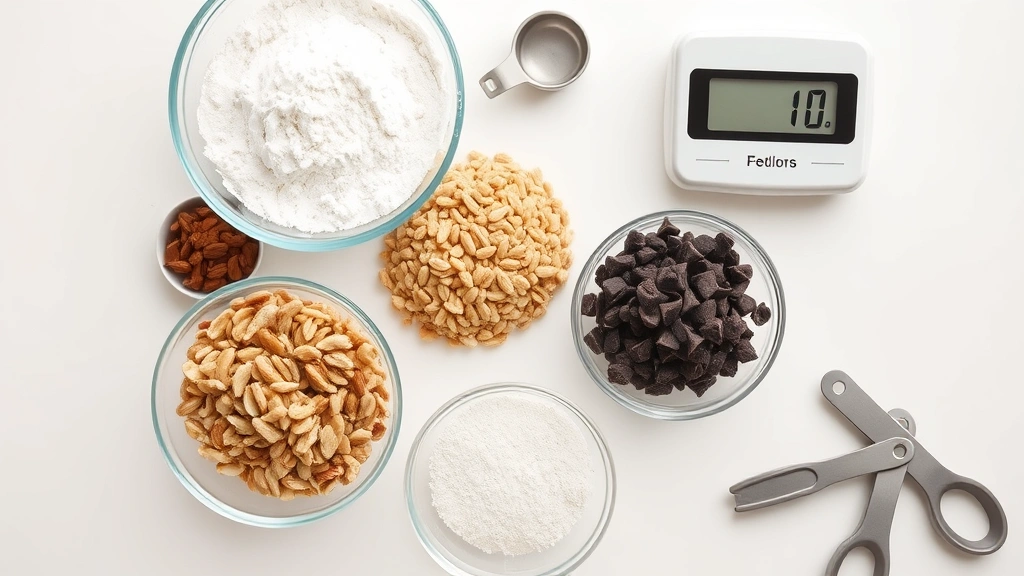
A recipe calls for a quarter pound of chopped chocolate or nuts. Rather than trying to measure these by volume (which varies depending on how finely they’re chopped), weighing out 113 grams gives you precision and consistency.
Conversion Charts and Quick References
Having a quick reference guide helps you convert weights without calculating every time. Here’s a comprehensive chart of common conversions:
Pound to Gram Conversions:
- 1/8 pound = 56.7 grams
- 1/4 pound = 113.4 grams
- 1/3 pound = 151.2 grams
- 1/2 pound = 226.8 grams
- 2/3 pound = 302.4 grams
- 3/4 pound = 340.2 grams
- 1 pound = 453.6 grams
Ounce to Gram Conversions (useful since 1/4 pound = 4 ounces):
- 1 ounce = 28.35 grams
- 2 ounces = 56.7 grams
- 3 ounces = 85.05 grams
- 4 ounces = 113.4 grams
- 8 ounces = 226.8 grams
- 16 ounces = 453.6 grams
Bookmarking these conversions or keeping them on your phone makes meal preparation faster and reduces the mental math required when you’re in the middle of cooking.
Common Mistakes to Avoid
When converting quarter pounds to grams, several mistakes can throw off your measurements:
Mistake 1: Confusing Ounces and Grams
One of the most common errors is confusing the abbreviations. Ounces are abbreviated as “oz” while grams are abbreviated as “g”. A quarter pound is 4 ounces, NOT 4 grams. Four grams is approximately 0.14 ounces—a tiny fraction of a quarter pound. Always double-check the unit abbreviation when reading recipes.
Mistake 2: Rounding Too Aggressively
While rounding is acceptable for most cooking, extremely aggressive rounding can cause problems in precision baking. Rounding 113.4 grams to 100 grams is too much and will noticeably affect your results. Rounding to 113 or 115 grams is fine; rounding to 110 or 120 grams should be avoided for baking.
Mistake 3: Not Accounting for Container Weight
If you’re using a scale to measure ingredients, always “tare” the scale (reset it to zero) after placing your container on it. This ensures you’re measuring only the ingredient, not the container’s weight. This applies whether you’re measuring in grams or any other unit.
Mistake 4: Mixing Volume and Weight
Don’t try to convert a quarter pound to cups or tablespoons directly. Volume measurements vary depending on the ingredient’s density. A quarter pound of flour takes up more space than a quarter pound of butter. Always convert between weight units (pounds to grams) or between volume units (cups to milliliters), but not across these categories without knowing the specific ingredient’s density.
Mistake 5: Using Outdated Conversion Factors
Some older sources might use slightly different conversion factors. Stick with the standard: 1 pound = 453.592 grams. This is the official definition and ensures consistency across all your recipes.
Tools and Resources for Accurate Measurements
To implement these conversions successfully in your kitchen, invest in the right tools:
Digital Kitchen Scale
A digital kitchen scale is perhaps the most valuable tool for accurate weight measurements. Look for one that displays both pounds and grams, allowing you to toggle between units. Many modern scales also have a tare function, which resets to zero after placing a container on the platform. This is essential for accurate ingredient measurement. Brands available at Lowe’s and Home Depot offer reliable options at various price points.
Conversion Apps and Calculators
Numerous smartphone apps provide instant conversion between different weight units. These apps are free or low-cost and can be invaluable when you’re cooking and need quick conversions without consulting charts.
Printed Conversion Charts
Laminated conversion charts posted in your kitchen provide quick reference without needing to search your phone. Many are available online for free printing.
Recipe Resources
Websites like AllRecipes and Serious Eats often provide both metric and imperial measurements for recipes. This Old House offers reliable home and cooking guidance for various projects.
When preparing ingredients like those used in cleaning jewelry or other household projects, having accurate measurement tools ensures success across all your home endeavors.
FAQ
Exactly how many grams are in a quarter pound?
A quarter pound equals 113.4 grams precisely, commonly rounded to 113 grams for practical cooking purposes. Some sources round to 115 grams, but 113 is the most widely accepted approximation.
Is 113 grams the same as a quarter pound for all ingredients?
Yes, 113 grams equals a quarter pound for all ingredients. Weight is weight regardless of what you’re measuring. However, keep in mind that 113 grams of flour takes up more space than 113 grams of butter due to density differences. This is why weight measurements are more reliable than volume measurements for baking.
Can I use 100 grams instead of 113 grams in a recipe?
For most casual cooking, 100 grams is close enough to 113 grams that the difference won’t be noticeable. However, for precise baking or when measuring multiple quarter-pound portions, stick to 113 grams for accuracy. A 13-gram difference compounds when you’re multiplying portions.
How do I convert other fractional pounds to grams?
Use the formula: pounds × 453.592 = grams. For example, half a pound would be 0.5 × 453.592 = 226.796 grams (rounded to 227 grams). Three-quarters of a pound would be 0.75 × 453.592 = 340.194 grams (rounded to 340 grams).
What’s the difference between a quarter pound and 113 grams on a scale?
When measured precisely, there’s no meaningful difference—they’re the same weight. A quarter pound is defined as 113.4 grams. Any scale with reasonable accuracy will show the same weight whether you set it to display pounds or grams.
Why do some recipes use grams while others use pounds?
Recipes from different countries use their standard measurement systems. American recipes typically use pounds and ounces (imperial), while recipes from Europe, Australia, and most other countries use grams and kilograms (metric). Modern recipes increasingly include both for accessibility.
Is it better to measure by weight or volume?
Weight measurements (grams, ounces, pounds) are more accurate and consistent than volume measurements (cups, tablespoons, teaspoons). This is especially important for baking. When a recipe provides both options, weight is the preferred method.
Can I convert grams to pounds using a calculator?
Yes, divide grams by 453.592 to get pounds. For example, 113.4 ÷ 453.592 = 0.25 pounds (a quarter pound). Most online conversion tools or calculator apps can do this instantly.
How accurate do my measurements need to be when cooking?
For general cooking (soups, stews, sauces), approximate measurements are fine. For baking and pastry, accuracy within 5 grams is ideal. For precise nutritional tracking, measurements should be within 1-2 grams of the recipe specification.
What if my recipe calls for a quarter pound but I only have a volume measuring cup?
This depends on the ingredient. For liquids, a quarter pound is approximately 120 milliliters (about 1/2 cup). For solids, you’ll need to know the ingredient’s density. It’s better to get a digital scale than to guess with volume measurements, especially for baking.