
Smoking a 10lb Pork Butt: Expert Tips and Timing
Smoking a 10lb Pork Butt: Expert Tips and Timing
Smoking a 10-pound pork butt is one of the most rewarding outdoor cooking projects you can undertake. Whether you’re a seasoned pitmaster or a backyard grilling enthusiast, mastering this classic barbecue staple opens doors to incredible pulled pork sandwiches, tacos, and family gatherings. The key to success lies in understanding the timing, temperature management, and techniques that transform a tough cut of meat into tender, flavorful perfection.
A 10lb pork butt typically requires 12 to 16 hours of smoking, depending on your smoker type, weather conditions, and desired tenderness. This comprehensive guide walks you through every step of the process, from preparation through the final pull, ensuring restaurant-quality results in your own backyard.
Understanding Pork Butt Basics
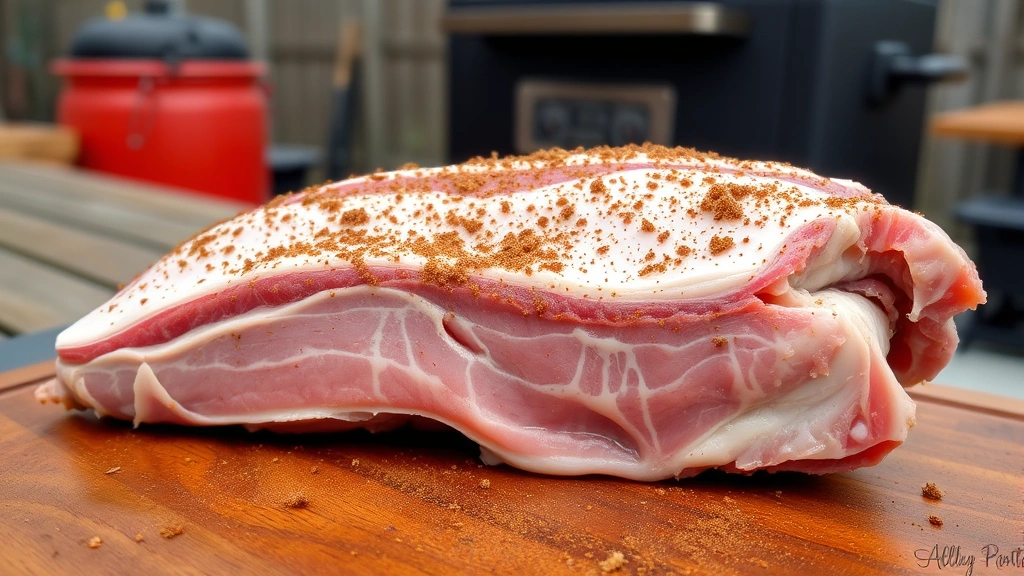
Before you start smoking, it’s essential to understand what you’re working with. A pork butt, also called a Boston butt, comes from the upper shoulder of the pig and contains significant marbling and connective tissue. This composition makes it ideal for low-and-slow smoking because the prolonged heat breaks down collagen into gelatin, creating that signature tender texture.
The 10-pound weight is considered the sweet spot for home smoking. It’s large enough to develop robust smoke flavor and moisture retention, yet manageable enough to fit in most residential smokers. Understanding how-to guides and smoking techniques helps you prepare properly for this undertaking.
Pork butt differs from pork shoulder in that it has more fat and slightly different grain structure. The fat cap—typically a half-inch to one-inch thick layer on top—is crucial for maintaining moisture during the long cooking process. Never trim this completely; instead, score it lightly to help smoke penetration while preserving its protective qualities.
Preparing Your Meat and Equipment
Proper preparation sets the foundation for success. Start by removing your 10lb pork butt from the refrigerator 30 to 45 minutes before smoking. This allows the meat to come closer to room temperature, promoting more even cooking throughout the butt.
Create a dry rub using your preferred spice blend. A classic combination includes brown sugar, paprika, garlic powder, onion powder, black pepper, salt, and cayenne pepper. Apply the rub generously, massaging it into all crevices and under the fat cap. Some pitmasters inject the meat with a butter-based injection 12 hours before smoking for additional moisture and flavor depth.
Inspect your smoker thoroughly before beginning. Check for leaks, ensure grates are clean, and verify that your thermometer reads accurately. Having a reliable meat thermometer is non-negotiable—invest in a quality dual-probe thermometer that tracks both smoker temperature and internal meat temperature simultaneously.
Gather these essential supplies: wood chips or chunks (hickory, oak, or apple work well), a water pan, heat deflector plates, aluminum foil, butcher paper, and a spray bottle filled with apple juice or cider vinegar for spritzing. Like planning how long major projects take, smoking requires advance preparation and the right tools.
Setting Up Your Smoker
Temperature control is paramount when smoking a 10lb pork butt. Target a consistent smoker temperature of 225 to 250 degrees Fahrenheit. Most experts recommend 225°F for maximum smoke absorption and tender results, though 250°F works if you need to reduce overall cooking time.
Arrange your smoker setup using the indirect heat method. Place a water pan filled with hot water directly below the meat to stabilize temperature and add moisture to the smoking chamber. Position heat deflector plates or a drip pan between the heat source and the meat to prevent direct flame contact.
Load your smoker with quality wood. Use a 50/50 blend of hickory and oak, or experiment with fruitwoods like apple for milder smoke flavor. For a 10lb butt, plan to add wood every 45 to 60 minutes during the first 8 hours. After the meat reaches 165°F internally, reduce wood additions as the meat has absorbed sufficient smoke.
Allow your smoker to stabilize at target temperature for at least 15 to 20 minutes before placing the meat on the grates. This ensures consistent heat from the moment smoking begins. Position the pork butt fat-side up so rendered fat bastes the meat naturally.
The Smoking Timeline
A 10lb pork butt on a 225°F smoker typically follows this approximate timeline:
- Hours 0-4: Smoke generation and initial bark formation. Maintain steady temperature and add wood every hour.
- Hours 4-8: Bark development continues, internal temperature climbs toward 165°F. Spritz meat every 30 to 45 minutes.
- Hours 8-12: The meat enters the stall phase (discussed in detail below). Internal temperature plateaus around 150-165°F.
- Hours 12-14: Temperature begins climbing again. Wrap in butcher paper and increase heat slightly if needed.
- Hours 14-16: Final push to 203-205°F internal temperature. Meat becomes probe-tender.
This timeline assumes optimal smoker management and favorable weather. Cold, windy conditions can extend smoking time by 2 to 4 hours. Conversely, maintaining extremely consistent heat may reduce total time by 1 to 2 hours.
Temperature and Timing Guidelines
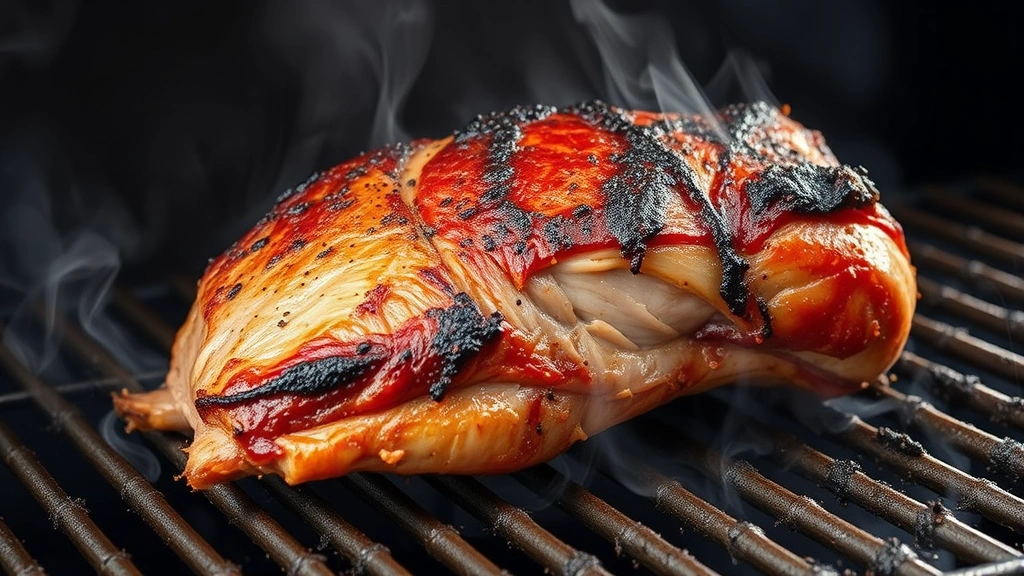
The most reliable indicator of doneness is internal meat temperature, not elapsed time. Use your meat thermometer to track progress in the thickest part of the butt, avoiding bone contact.
Target temperatures follow this progression: 165°F marks the point where the meat becomes food-safe and you can wrap it. At 190°F, the meat begins becoming tender but still holds its shape. 203-205°F is the sweet spot where collagen has fully converted to gelatin, creating optimal tenderness for shredding.
Calculate approximate cooking time at 225°F using this rule: 1.5 to 2 hours per pound. For a 10lb butt, expect 15 to 20 hours total, though most fall in the 12 to 16-hour range with proper technique. This variability depends on meat composition, smoker consistency, and wrapping decisions.
Many experienced pitmasters use the “3-2-1” method: smoke unwrapped for 3 hours, wrap in foil with liquid for 2 hours, then unwrap and finish for 1 hour. This can be adapted to “4-3-1” or other ratios for larger cuts like your 10lb butt, providing flexibility while maintaining proven results.
The Stall and How to Power Through
Around the 8 to 10-hour mark, most pork butts experience the stall—a frustrating plateau where internal temperature stops climbing despite consistent smoker heat. This phenomenon occurs when evaporative cooling reaches equilibrium with your smoker’s heat, temporarily halting temperature rise.
The stall typically occurs between 150-170°F and can last 2 to 4 hours. Rather than panicking, recognize this as normal and expected. You have several strategies to manage it:
- Embrace it: Simply continue smoking. The stall eventually breaks, and the meat continues cooking. This requires patience but produces excellent results.
- Wrap the meat: Wrapping in butcher paper or foil insulates the meat and breaks the stall within 30 to 90 minutes. This is the most popular approach.
- Increase temperature: Raise smoker temperature to 250-275°F to overcome the stall faster. This slightly reduces total smoking time but may decrease smoke absorption.
- Combine methods: Wrap the meat and increase temperature simultaneously for maximum efficiency.
When wrapping, spray the inside of butcher paper with apple juice before wrapping, then place the meat back on the smoker. This creates a steaming environment that accelerates tenderizing while preventing excessive drying.
Wrapping and Finishing Techniques
Wrapping is optional but recommended for most home smokers. Butcher paper (also called peach paper) is superior to foil because it allows slight smoke and moisture exchange while protecting the meat. Foil creates a complete seal that halts smoke penetration but speeds the process significantly.
Wrap the pork butt once it reaches 165°F internal temperature. Lay butcher paper in a large rectangle, place the meat in the center, and wrap tightly. Some pitmasters add a splash of apple juice, cider vinegar, or butter inside the wrap for additional moisture and flavor.
After wrapping, return the meat to the smoker for the final push to 203-205°F. This typically takes 4 to 6 additional hours depending on how much the stall affected progress. Continue monitoring internal temperature every 30 to 45 minutes during this phase.
When the meat reaches 203°F and probes tender (a thin skewer or toothpick slides through with minimal resistance), remove it from the smoker. The probe-tender test is crucial—don’t rely solely on temperature, as individual meat composition varies.
Resting and Pulling Your Pork
Resist the urge to pull immediately. Wrap the finished pork butt in clean towels or foil and place it in a cooler with the lid closed. Rest for at least 30 to 45 minutes, though some pitmasters rest for up to 2 hours. This resting period allows juices to redistribute throughout the meat, preventing dryness when pulling.
During resting, the meat’s temperature drops gradually. This extended rest is crucial for achieving that moist, tender pulled pork texture that keeps people coming back for more.
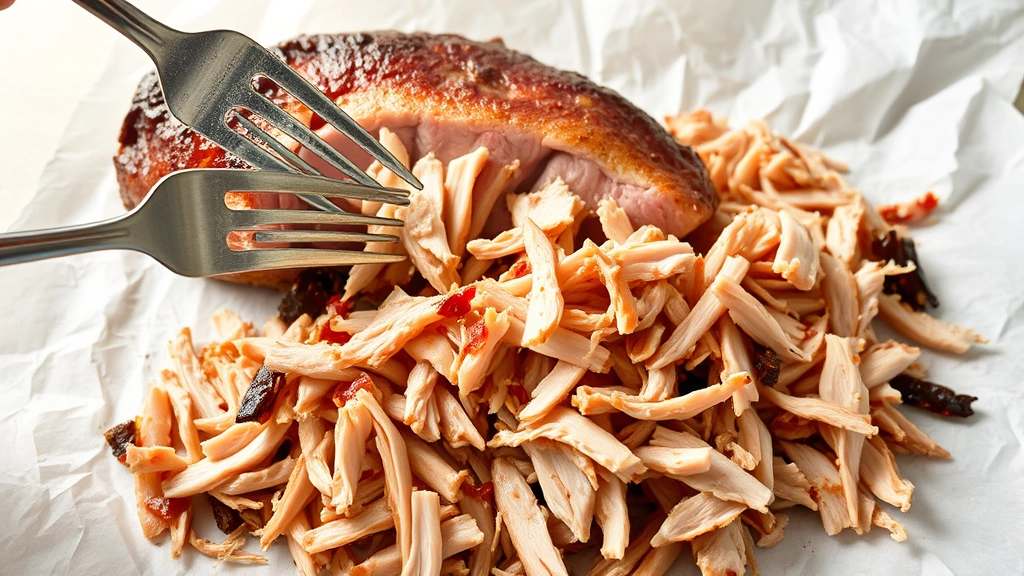
When ready to pull, place the meat on a clean cutting board. Using two forks or meat shredders, pull along the grain, breaking the meat into bite-sized pieces. The properly smoked butt should shred easily, requiring minimal force. If you encounter significant resistance, the meat needs more time; return it to the smoker for an additional 30 to 60 minutes.
Collect any drippings that accumulate during pulling and mix them back into the shredded pork for added moisture and flavor. Some pitmasters prepare a finishing sauce (vinegar-based, mustard-based, or tomato-based depending on regional preference) and toss it with the pulled pork just before serving.
Troubleshooting Common Issues
Meat Tastes Bitter: Excessive smoke or using wet wood creates acrid flavors. Use dry wood, limit additions after the first 8 hours, and ensure your smoker isn’t running too hot.
Meat Remains Tough at Temperature: This indicates insufficient collagen breakdown. Continue smoking until probe-tender, even if exceeding your temperature target by 5-10°F. Some butts need 210°F internally.
Meat Dries Out: Inadequate wrapping or insufficient resting causes dryness. Wrap earlier next time, ensure the water pan stays filled, and always rest for at least 30 minutes post-smoking.
Uneven Cooking: Hot spots in your smoker cause one side to cook faster. Rotate the meat 180 degrees halfway through, or adjust your smoker’s heat distribution using deflector plates.
Stall Lasts Longer Than Expected: Cold or windy weather exacerbates the stall. Wrap the meat and increase temperature to 250°F to overcome it faster.
Bark Isn’t Forming: Insufficient smoke, too much spritzing, or wrapping too early prevents bark development. Reduce spritz frequency and wait until 165°F before wrapping.
For more detailed how-to guides and expert tips, consult additional resources on outdoor cooking and barbecue techniques. Learning from experienced pitmasters accelerates your mastery of this rewarding skill.
FAQ
How long does a 10lb pork butt take to smoke at 225°F?
A 10lb pork butt typically takes 12 to 16 hours at 225°F, though some may require up to 20 hours. Use the 1.5 to 2 hours per pound rule as a guide, but prioritize internal temperature (203-205°F) and probe tenderness over elapsed time.
Can I smoke a pork butt at 250°F instead of 225°F?
Yes, smoking at 250°F is acceptable and reduces cooking time to approximately 10 to 14 hours for a 10lb butt. The trade-off is slightly less smoke absorption and potentially less bark development. Many pitmasters compromise by starting at 225°F and increasing to 250°F after 8 hours.
Should I wrap my pork butt?
Wrapping is optional but recommended. It breaks the stall, speeds the final cooking phase, and helps retain moisture. Use butcher paper rather than foil to allow slight smoke and moisture exchange. Wrap when the meat reaches 165°F internal temperature.
What’s the best wood for smoking pork?
Hickory, oak, apple, and cherry are excellent choices for pork. Hickory provides strong smoke flavor, oak offers balanced results, and fruitwoods like apple deliver milder, sweeter notes. Avoid mesquite for pork as it’s often too intense. A 50/50 blend of hickory and oak is a popular starting point.
How do I know when my pork butt is done?
The pork butt is done when it reaches 203-205°F internal temperature AND probes tender (a thin skewer slides through with minimal resistance). Don’t rely solely on temperature; the probe-tender test is equally important for ensuring proper collagen breakdown.
Can I smoke a pork butt overnight?
Yes, many pitmasters smoke pork butts overnight. Start in the evening, maintain consistent temperature throughout the night, and the meat will be ready for pulling the next afternoon. Use a reliable thermometer with an alarm to alert you when the target temperature is reached.
What should I do if my pork butt is done too early?
If your butt reaches 203°F before you’re ready to serve, wrap it in foil and towels and place it in a cooler with the lid closed. Properly rested and insulated pork butt can hold temperature for 2 to 4 hours, allowing you to pull and serve on your schedule.
Is the pork butt stall normal?
Yes, the stall is completely normal and expected. It occurs when evaporative cooling balances your smoker’s heat, temporarily halting temperature rise around 150-170°F. The stall typically lasts 2 to 4 hours and eventually breaks on its own, though wrapping accelerates the process.
Can I use a gas or electric smoker for a 10lb pork butt?
Absolutely. Gas and electric smokers work well for pork butts, though they may produce less bark than offset smokers due to different heat dynamics. Adjust your technique by potentially increasing smoke wood and being more diligent about temperature monitoring, but the basic principles remain identical.
What’s the difference between pork butt and pork shoulder?
Pork butt comes from the upper shoulder and contains more fat and marbling, making it superior for smoking and pulled pork. Pork shoulder (picnic shoulder) comes from the lower portion and is leaner. Butt is the preferred cut for smoking a 10lb cut due to its fat content and texture.

Related Posts

Superscript in Google Docs: Expert Tips

Strikethrough in Excel: Easy Steps for Beginners
