How Long to Boil Lobster Tails: Cooking Guide
How Long to Boil Lobster Tails: The Complete Cooking Guide
There’s something undeniably elegant about serving lobster tails at home. Whether you’re planning an intimate dinner or impressing guests, getting the cooking time just right is the difference between tender, succulent meat and rubbery disappointment. The good news? Boiling lobster tails is far simpler than most home cooks assume, and once you nail the timing, you’ll be whipping up restaurant-quality seafood in your own kitchen.
The reality is that boiling lobster tails doesn’t require fancy equipment or culinary school credentials. What it does require is understanding a few key factors: tail size, water temperature, and the simple math that makes it foolproof. In this guide, we’ll walk through everything you need to know to cook perfect lobster tails every single time, complete with troubleshooting tips and creative serving ideas.
Think of boiling lobster tails as similar to how long to boil shrimp—timing is everything, but the process itself is straightforward. The main difference is that lobster tails require slightly longer cooking due to their density and size.
Basic Timing Guide for Boiling Lobster Tails
The golden rule for boiling lobster tails is straightforward: add 1 minute of cooking time for every ounce of tail weight. This simple formula works reliably across different tail sizes, making it easy to plan your dinner without guesswork.
Here’s the breakdown by common lobster tail sizes:
- 4-5 ounce tails: 4-5 minutes
- 6-8 ounce tails: 6-8 minutes
- 9-12 ounce tails: 9-12 minutes
- 13+ ounce tails: 13-15 minutes (rarely needed for home cooking)
These times assume your water is at a rolling boil before the tails hit the pot. Starting with cold water or a gentle simmer will add extra time and potentially compromise texture. The key is maintaining that vigorous boil throughout the cooking process—this ensures even heat distribution and that signature tender, slightly sweet lobster meat.
Keep in mind that how long to boil chicken and other proteins follows different rules entirely, so don’t try to apply seafood timing to poultry. Each protein has its own sweet spot based on density and fat content.
Preparation Essentials Before Boiling
Success starts long before the water reaches boiling point. Proper preparation ensures your lobster tails cook evenly and taste their absolute best.
Thawing Your Tails
Most home cooks purchase frozen lobster tails, so thawing is your first consideration. Never attempt to boil completely frozen tails—they’ll cook unevenly, with the outside overdone before the inside thaws. The best approach is thawing in the refrigerator overnight, allowing the tails to defrost slowly and retain moisture. This process is similar to how long it takes to defrost chicken, though lobster tails typically need 6-8 hours depending on size.
If you’re short on time, use the cold water method: seal the frozen tails in a bag and submerge them in cold water, changing the water every 30 minutes. This typically takes 1-2 hours and works surprisingly well in a pinch.
Preparing the Cooking Water
Fill a large pot with water, allowing roughly 3 quarts per pound of lobster tail. Add salt at a ratio of about 1/4 cup per gallon of water—this mimics ocean conditions and enhances the natural flavor. Some cooks add a splash of white wine, beer, or lemon juice, but honestly, quality salt water is all you really need.
Bring the water to a rolling boil before adding anything. This is non-negotiable. A gentle simmer won’t cut it; you need vigorous, rolling bubbles. This high heat is what creates that perfect texture—too low and your meat becomes mushy and waterlogged.
Butterflying Considerations
Some recipes call for butterflying the tails before boiling (cutting them lengthwise and spreading them open). This is optional but has advantages: it reduces cooking time by about 1-2 minutes, makes for impressive presentation, and allows butter or seasonings to penetrate better. If you butterfly, reduce your cooking time accordingly and watch carefully to avoid overcooking.
Step-by-Step Boiling Process
Step 1: Confirm Your Water Is Boiling
This cannot be overstated. Your water should be at a full, rolling boil with vigorous bubbles breaking the surface constantly. Use a thermometer if you’re uncertain—you’re aiming for 212°F (100°C) at sea level.
Step 2: Add Tails Carefully
Using tongs, gently place the thawed lobster tails into the boiling water. They’ll sink initially, then float to the surface as they cook. Don’t just drop them in; this prevents splashing and ensures they enter the water smoothly.
Step 3: Maintain the Boil
Once the tails are in, maintain that rolling boil. The water temperature will drop slightly, but it should return to boiling within 30 seconds. If you’ve added too many tails at once, the temperature may stay suppressed, which will throw off your timing. Work in batches if necessary.
Step 4: Set Your Timer
Start timing immediately after the water returns to a full boil. Use the weight-to-time formula mentioned earlier. Set a timer on your phone or kitchen timer—don’t rely on guessing. One minute of overcooking can transform tender meat into rubber.
Step 5: Prepare an Ice Bath
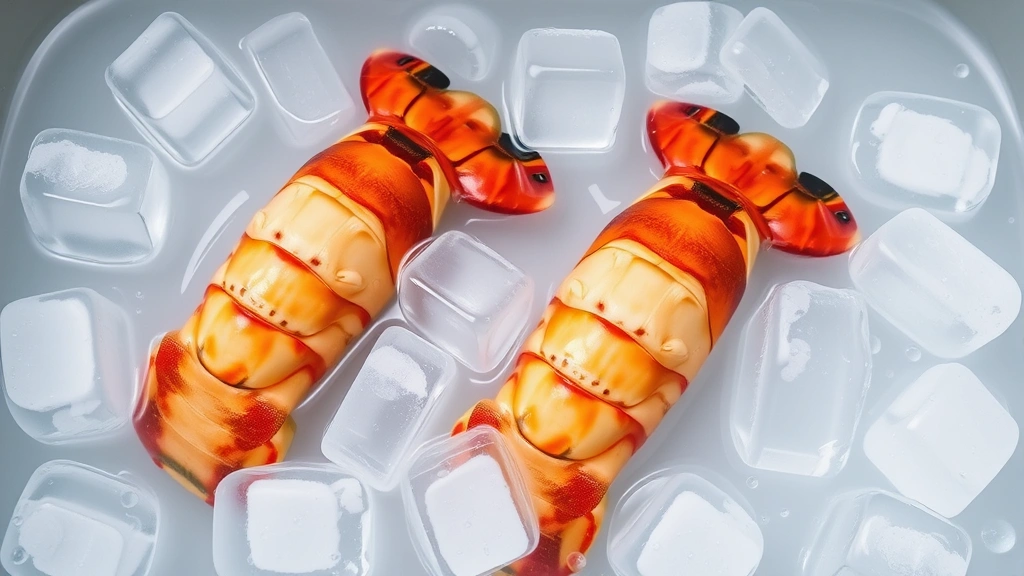
While the tails cook, prepare a large bowl filled with ice water. This stops the cooking process instantly when the tails are done. This is crucial—residual heat will continue cooking the meat even after you remove it from the pot.
Testing for Doneness
Determining when your lobster tails are perfectly cooked requires understanding what you’re looking for. Properly cooked lobster meat should be opaque white throughout, with no translucent areas remaining. The meat should be firm but still tender, never rubbery or mushy.
Visual Inspection
The most reliable method is visual inspection. When the timer goes off, remove one tail with tongs and place it on a cutting board. Using a sharp knife, cut the tail in half lengthwise. Look inside: the meat should be completely opaque white. Any translucent or grayish areas mean it needs more time.
The Internal Temperature Method
For those who prefer precision, use an instant-read thermometer. Cooked lobster meat should reach an internal temperature of 140°F (60°C). Insert the thermometer into the thickest part of the meat without touching shell. This method is particularly useful if you’re cooking multiple tails of varying sizes.
The Firmness Test
Press the meat gently with your finger or a fork. Properly cooked lobster should feel firm but not hard. If it feels mushy, it’s overdone. If it still feels slightly soft and slightly translucent, give it another minute.
This is where experience comes in handy. After cooking lobster tails a few times, you’ll develop an intuition for the right texture. Don’t worry if your first attempt isn’t perfect—most people get it right on the second try.
Common Mistakes to Avoid
Overcooking
This is the number one mistake home cooks make. Lobster meat is delicate and becomes tough quickly when overcooked. If you’re unsure, it’s better to undercook slightly and add 30 seconds than to overcook. Remember, residual heat continues cooking even after you remove the tails from the pot.
Not Using Enough Salt
Undersalted water produces bland lobster. Use the 1/4 cup per gallon guideline. Your water should taste pleasantly salty, similar to ocean water. This isn’t about adding sodium; it’s about enhancing the natural seafood flavor.
Skipping the Ice Bath
Leaving cooked lobster tails sitting at room temperature continues the cooking process. Always transfer them immediately to an ice bath. This halts cooking and helps the meat retain its texture and moisture.
Thawing Improperly
Thawing at room temperature or under warm water can lead to uneven cooking and potential food safety issues. Stick with refrigerator thawing overnight or the cold water method. This approach is similar to how to thaw chicken properly—low and slow is always the safest route.
Inconsistent Water Temperature
If your water isn’t at a true rolling boil when you add the tails, all your timing calculations go out the window. Some cooks try to be gentle with a medium boil, but this actually increases cooking time and reduces quality. Go bold with that heat.
Serving and Storage Tips
Immediate Serving
The best time to eat lobster tails is immediately after cooking and cooling. The meat is at peak tenderness and the flavor is brightest. Serve with drawn butter, fresh lemon wedges, and perhaps a light garlic aioli for dipping.
Presentation Ideas
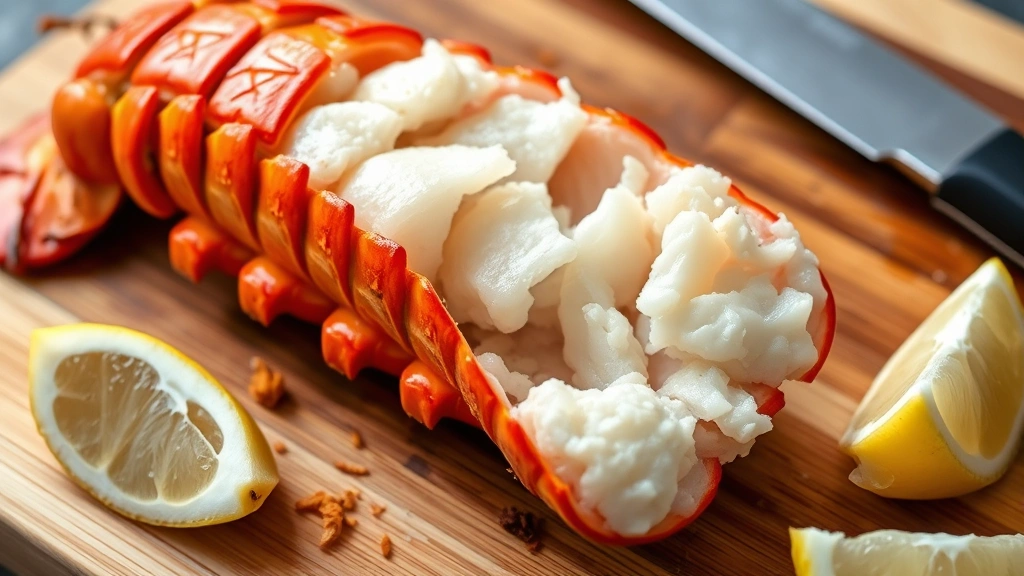
If you butterflied your tails, the presentation is already spectacular—the white meat contrasts beautifully against the shell. For non-butterflied tails, you can remove the meat entirely and serve it in the shell for an elegant look, or plate it separately with the shell as garnish.
Storage Instructions
Cooked lobster tails keep in the refrigerator for up to 3-4 days in an airtight container. Store them separately from other foods due to their strong aroma. When reheating, gently warm them in a 350°F oven for about 8-10 minutes, or steam them for 3-4 minutes. Avoid microwaving, which can toughen the meat.
Freezing Cooked Tails
You can freeze cooked lobster tails for up to 3 months. Wrap them tightly in plastic wrap and place in a freezer bag. Thaw in the refrigerator before reheating.
Beyond Boiling
While boiling is the classic method, don’t overlook other preparation options. Broiling, steaming, or grilling are all excellent alternatives. If you enjoy experimenting with different proteins, exploring how long to boil chicken breast or how long it takes to smoke a turkey can expand your culinary repertoire beyond seafood.
Frequently Asked Questions
Can I boil lobster tails that are still frozen?
Technically yes, but it’s not recommended. Frozen tails will cook unevenly—the outside will overcook before the inside thaws. Always thaw them first using the refrigerator method (overnight) or cold water method (1-2 hours) for best results and even cooking.
What’s the difference between boiling and steaming lobster tails?
Boiling fully submerges the tails in water, while steaming uses water vapor above boiling water. Steaming typically takes 1-2 minutes longer than boiling but can produce slightly more tender meat since the tails aren’t agitated by boiling water. Both methods work well; it’s really a matter of preference.
How do I know if my lobster tails are overcooked?
Overcooked lobster meat becomes rubbery and tough, with a mushy texture. Visually, it may appear very firm and slightly shrunken. The meat might also pull away from the shell more than usual. If this happens, you’ve likely exceeded the cooking time by more than 1-2 minutes.
Can I add seasoning directly to the boiling water?
Absolutely. Beyond salt, you can add whole peppercorns, bay leaves, thyme, or parsley to the water for subtle flavor enhancement. Some cooks add a splash of white wine or beer. These additions are optional but can add complexity to the final dish.
Why does my lobster tail sometimes come out mushy?
Mushiness typically results from overcooking or cooking at too low a temperature. Ensure your water is at a full, rolling boil before adding tails, and stick precisely to your timing. Also, make sure you’re using the ice bath immediately after cooking to stop the cooking process.
Is it better to buy fresh or frozen lobster tails?
Both can be excellent if handled properly. Fresh tails are often slightly more tender if used within a day of purchase. Frozen tails are convenient and, when thawed properly, taste nearly identical to fresh. The key is proper thawing and cooking technique regardless of which you choose.
How much lobster tail should I cook per person?
A good rule of thumb is 6-8 ounces per person as a main course. This accounts for shell weight, leaving approximately 3-4 ounces of actual meat. If lobster is part of a larger meal, 4-5 ounces per person is sufficient.

Related Posts

How Long to Fly from New York to London? Travel Times

How Long Does Nail Polish Take to Dry? Expert Insights