How Long to Fly from New York to London? Travel Times
How Long to Fly from New York to London? Complete Travel Times Guide
Planning a transatlantic journey from the bustling streets of New York to the historic charm of London? One of the first questions that crosses every traveler’s mind is simple yet crucial: how long will I actually be in the air? The answer isn’t quite as straightforward as you might think, because flight duration depends on several factors that go beyond just the geographical distance between these two iconic cities.
The direct flight distance from New York City to London spans approximately 3,459 miles across the Atlantic Ocean. While this might seem like a simple calculation, the actual flight time involves wind patterns, air traffic control routing, and the specific flight path your aircraft takes. Whether you’re a frequent flyer or embarking on your first transatlantic adventure, understanding these variables will help you plan your trip with confidence and prepare yourself for the journey ahead.
Think of planning a long-haul flight like how long it takes to build a house—there are multiple phases, unexpected delays, and numerous factors that influence the final timeline. Just as a construction project requires careful scheduling, your transatlantic flight demands attention to departure times, seasonal conditions, and airline operations.
Standard Direct Flight Times
When you book a direct flight from New York to London, expect to spend between 7 to 7.5 hours in the air under typical conditions. This is the baseline for eastbound flights traveling against prevailing winds. The westbound return journey typically takes 8 to 8.5 hours due to headwinds that work against your aircraft’s forward progress.
Most commercial airlines operating this route use modern long-range aircraft like the Boeing 777 or Airbus A350, which cruise at approximately 500 to 575 miles per hour. These jets are specifically engineered for transatlantic efficiency, featuring enhanced fuel capacity and pressurization systems designed for passenger comfort during extended flights over water.
The variation within these ranges depends heavily on your specific airline, the exact routing approved by air traffic control, and weather conditions on the day of travel. Some flights might complete the journey in just under 7 hours, while others could approach 8 hours, particularly if they encounter headwinds or must follow a slightly longer routing due to traffic.
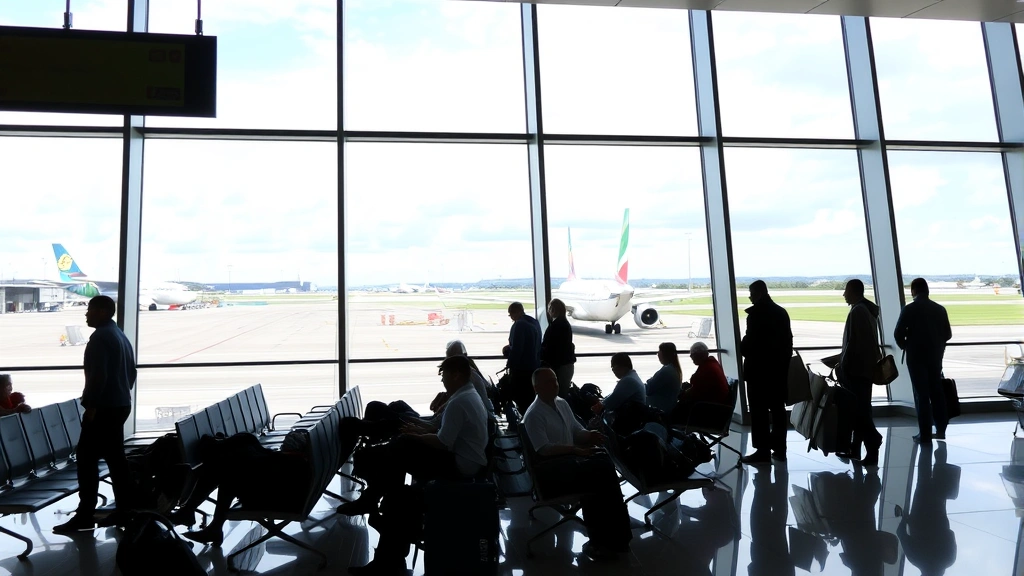
Westbound vs. Eastbound Flight Differences
Here’s where things get interesting: the direction you’re flying makes a substantial difference in your total flight time. This isn’t random—it’s physics. When flying eastbound from New York to London, you’re traveling against the jet stream, those high-altitude rivers of fast-moving air that circle the Earth. You’ll typically encounter headwinds of 100 to 200 knots, which significantly slow your ground speed.
Conversely, when flying westbound from London back to New York, you’re flying with the jet stream at your back. These tailwinds can accelerate your aircraft, but the effect is less dramatic than the headwind slowdown on the eastbound journey. This asymmetry explains why your return flight feels longer even though the distance remains identical.
Understanding this difference is crucial for planning your trip, much like knowing how long it takes to become a doctor involves understanding the various educational phases and requirements. Both require knowledge of the complete timeline to make informed decisions.
Airlines schedule their flights with these wind patterns in mind. You’ll notice that eastbound flights often depart earlier in the day to optimize jet stream positioning and fuel efficiency. Pilots and flight planners spend considerable time analyzing upper-level wind data to find the most favorable routing for each specific flight.
Factors Affecting Flight Duration
Beyond the basic jet stream dynamics, several other elements influence how long your flight will actually take:
- Altitude changes: Aircraft don’t immediately climb to cruising altitude. The initial climb and final descent add 30 to 45 minutes to your total flight time.
- Air traffic routing decisions can add 15 to 30 minutes if you’re not assigned the most direct path available.
- Aircraft type: Older or slower aircraft might add 30 minutes to an hour to your journey.
- Weather systems: Storms or severe turbulence might force pilots to alter altitude or routing, extending flight time.
- Departure delays: While not affecting airtime, these obviously impact your total travel duration.
The Federal Aviation Administration (FAA) and European air traffic control coordinate to manage transatlantic traffic flow. During peak travel seasons, you might experience ground holds or delayed pushback from the gate, which adds to your overall journey time even though the actual flight duration remains unchanged.
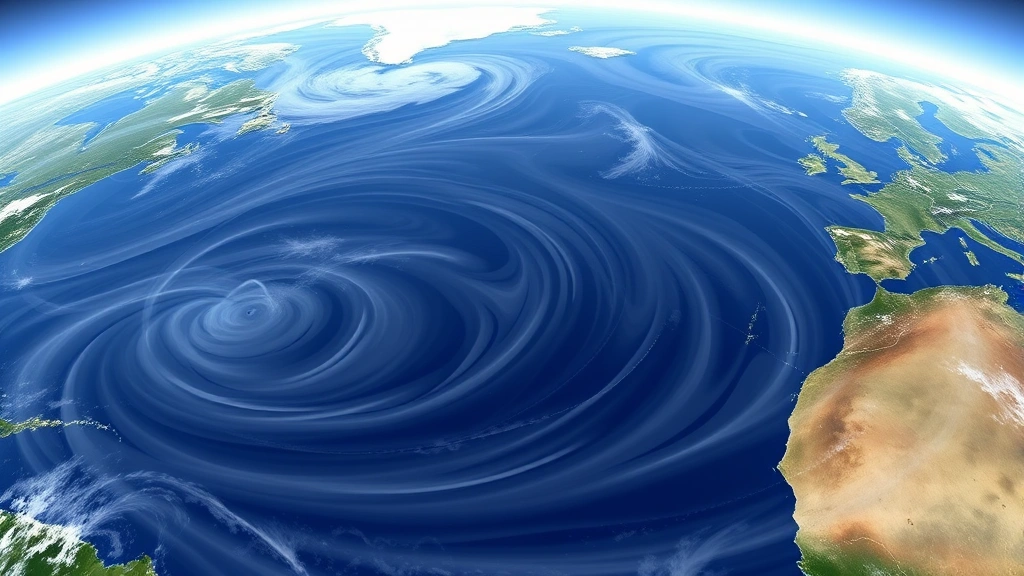
The Jet Stream’s Powerful Influence
The jet stream deserves special attention because it’s the primary reason your eastbound and westbound flights have such different durations. These fast-moving currents of air, typically found at 30,000 to 40,000 feet altitude, can reach speeds of 200 to 400 miles per hour.
During winter months, the jet stream is particularly strong and positioned directly along the transatlantic corridor. This creates the most dramatic differences in flight times. A winter eastbound flight might take a full hour longer than a summer eastbound flight on the same route. Conversely, westbound flights during winter can be remarkably quick, sometimes completing the journey in under 8 hours.
Pilots actively seek out favorable jet stream positioning. When flying eastbound, they’ll often request northern routing to potentially find weaker jet stream winds. When flying westbound, they’ll seek the core of the jet stream to maximize tailwind benefits. This strategic planning is invisible to passengers but substantially impacts your flight duration.
For real-time information about current jet stream positions and their impact on your specific flight, check resources from the FAA or your airline’s flight planning information.
Seasonal Variations and Weather
Your travel season dramatically affects flight times. Summer flights tend to be more consistent in duration because the jet stream weakens and moves northward. Winter flights show greater variability—eastbound flights extend significantly while westbound flights might surprise you with their speed.
Spring and fall represent transition periods where you’ll see moderate variations. The most dramatic time differences occur during winter storms when the jet stream intensifies and weather systems move rapidly across the Atlantic.
Beyond jet stream effects, weather can directly impact your flight. Thunderstorms over the Atlantic might force altitude changes or slightly different routing, potentially adding 15 to 30 minutes. Severe winter weather might trigger delays or, in rare cases, flight diversions.
Airlines monitor weather patterns weeks in advance, adjusting flight scheduling and fuel loads based on forecasted conditions. This proactive approach helps maintain schedule reliability, though some delays remain unavoidable when severe weather develops unexpectedly.
Comparing Major Airlines
Different airlines operating the New York to London route may have slightly different flight times due to aircraft types, routing preferences, and operational procedures. British Airways, Virgin Atlantic, United, American Airlines, and Norwegian all maintain regular service on this route.
British Airways typically operates Boeing 787 Dreamliners on many transatlantic routes, while American Airlines uses a mix of Boeing 777 and Airbus A330 aircraft. Virgin Atlantic employs Boeing 787s, and United operates various widebody aircraft. Each aircraft type has slightly different cruise speeds and fuel efficiency characteristics.
Most flights from major carriers fall within the 7 to 8.5 hour range, with variations of 15 to 30 minutes being common. Budget carriers occasionally offer this route with slightly longer flight times due to different aircraft or routing, though these services are less common on the transatlantic market.
For detailed information about specific flight schedules and typical durations, visit FAA flight information resources or check directly with airlines about their typical flight times.
Ground Time and Airport Procedures
While your actual airtime might be 7 to 8.5 hours, the complete travel experience involves considerably more time. Ground procedures at both airports add substantial duration to your journey.
Before departure, expect to arrive at New York’s JFK, Newark, or LaGuardia airport 3 hours early for international flights. Check-in, security screening, and boarding typically consume 90 to 120 minutes before the aircraft even begins pushing back from the gate. Some airlines board more efficiently than others, but 30 to 45 minutes of actual boarding time is standard for widebody aircraft.
After landing at London’s Heathrow, Gatwick, or Stansted, you’ll spend 20 to 30 minutes taxiing and disembarking. Immigration and customs procedures can take anywhere from 30 minutes to over an hour depending on staffing levels and passenger volume. Baggage claim adds another 15 to 30 minutes.
Planning similar to how long it takes to become a lawyer requires understanding multiple phases of the process. Your transatlantic journey follows a similar multi-phase timeline: pre-flight preparation, the flight itself, and post-flight procedures all contribute to your total travel duration.
Total door-to-door time from your New York home to a London hotel typically ranges from 13 to 15 hours. This accounts for pre-flight procedures, the flight, landing procedures, and ground transportation.
For detailed airport information and current procedures, visit Heathrow’s official website and JFK Airport’s information portal.
Frequently Asked Questions
What’s the absolute fastest time a flight from New York to London has ever made?
The record for the fastest transatlantic flight belongs to a British Airways Concorde flight that completed the journey in 2 hours 52 minutes in 1996. However, the Concorde is no longer in service. For modern commercial aircraft, the fastest recorded flight was approximately 5 hours 13 minutes, achieved under exceptional jet stream conditions. This is far from typical—expect standard flights to take 7 to 8.5 hours.
Why is the return flight from London to New York longer?
Prevailing winds blow from west to east across the Atlantic. When flying westbound from London to New York, you’re fighting these headwinds. The jet stream, which can exceed 200 mph, flows eastward, so westbound aircraft travel against it. This natural wind pattern adds approximately 45 minutes to 1 hour to westbound flights compared to their eastbound counterparts.
Can I reduce my total travel time by choosing a specific airline?
Different airlines might have variations of 15 to 30 minutes in flight times, but no airline can significantly change the fundamental physics of transatlantic flight. Your choice of airline won’t dramatically reduce travel time, though some carriers might offer more convenient scheduling or better connections if you’re not flying direct. Focus on comfort and service rather than expecting time savings through airline selection.
Does the time of year affect how long the flight takes?
Absolutely. Winter flights show the greatest variability due to stronger jet streams. Eastbound winter flights might take 7.5 to 8 hours, while summer eastbound flights often complete in 7 to 7.25 hours. Westbound flights in winter can be surprisingly quick (8 to 8.25 hours) due to strong tailwinds, while summer westbound flights take 8.5 hours or longer. Spring and fall represent moderate conditions between these extremes.
What happens if we encounter severe turbulence—does that extend flight time?
Severe turbulence doesn’t directly extend flight time in the sense that the aircraft still travels at the same ground speed. However, pilots might alter altitude to find smoother air, which can add 10 to 20 minutes to the flight. Additionally, if severe weather forces significant routing changes, this could extend the flight by 30 to 45 minutes. Thankfully, modern weather radar and forecasting allow pilots to anticipate and avoid most severe turbulence.
Are overnight flights faster or slower than daytime flights?
Flight time depends on weather and jet stream conditions, not the time of day. However, overnight flights often encounter different weather patterns and might experience different jet stream positioning than daytime flights. Some overnight flights benefit from stronger jet stream winds, while others don’t. The time of day itself doesn’t affect speed, but the meteorological conditions that vary by time of day certainly do.
How do connecting flights through other cities compare to direct flights?
A connecting flight adds hours to your total travel time. Even with a quick connection, you’re adding at least 2 to 3 hours for landing, deplaning, security procedures, and boarding the next flight. A flight routed through an intermediate city (like Shannon, Ireland) might add 1 to 2 additional flight hours plus connection time, totaling 4 to 5 hours beyond direct flight duration. Direct flights are almost always faster for this route.
What’s the longest flight time recorded on this route under normal circumstances?
Under extreme conditions, such as severe winter storms forcing significant routing changes, eastbound flights have taken up to 8.5 to 9 hours. This represents the outer limit for modern commercial aircraft. Such extended flights are rare and usually result from weather diversions or significant air traffic delays. Most flights stay within the 7 to 8.5 hour window.

Related Posts

How Long to Boil Lobster Tails: Cooking Guide

How Long Does Nail Polish Take to Dry? Expert Insights