
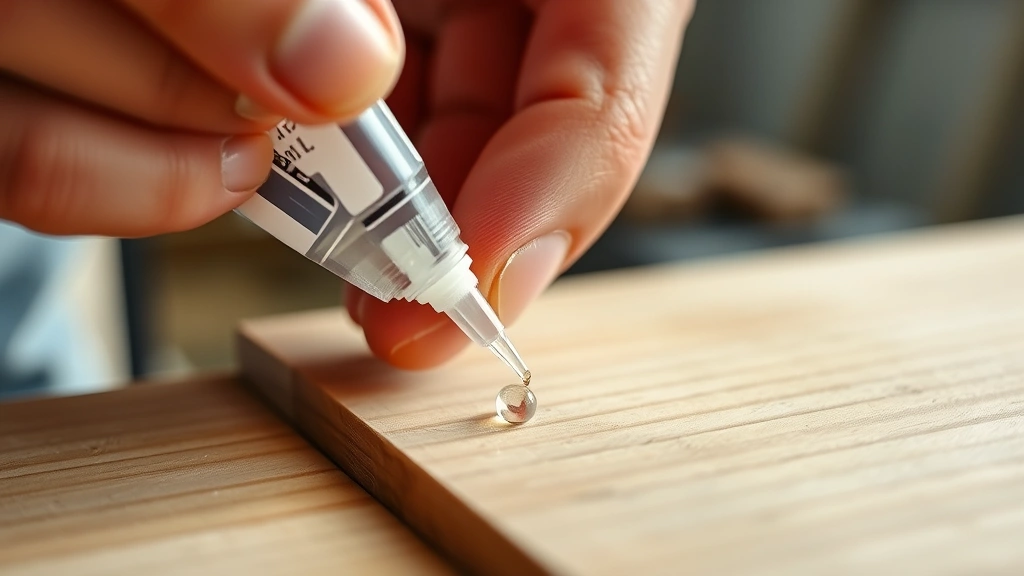
Super Glue Dry Time: Expert Tips & Tricks
Super Glue Dry Time: Expert Tips & Tricks for Perfect Bonding
Super glue, also known as cyanoacrylate adhesive, is one of the most popular bonding agents for DIY projects, home repairs, and crafting. Whether you’re fixing a broken ceramic mug, repairing wooden furniture, or assembling small components, understanding how long super glue takes to dry is crucial for achieving professional results. The drying time can vary significantly based on multiple factors including humidity, temperature, surface material, and the specific brand you’re using.
Many DIYers and homeowners rush the curing process, only to find their repairs fail shortly after. This comprehensive guide will walk you through everything you need to know about super glue drying times, the science behind the process, and expert techniques to accelerate or optimize bonding. By the end, you’ll have the knowledge to tackle any adhesive challenge with confidence.
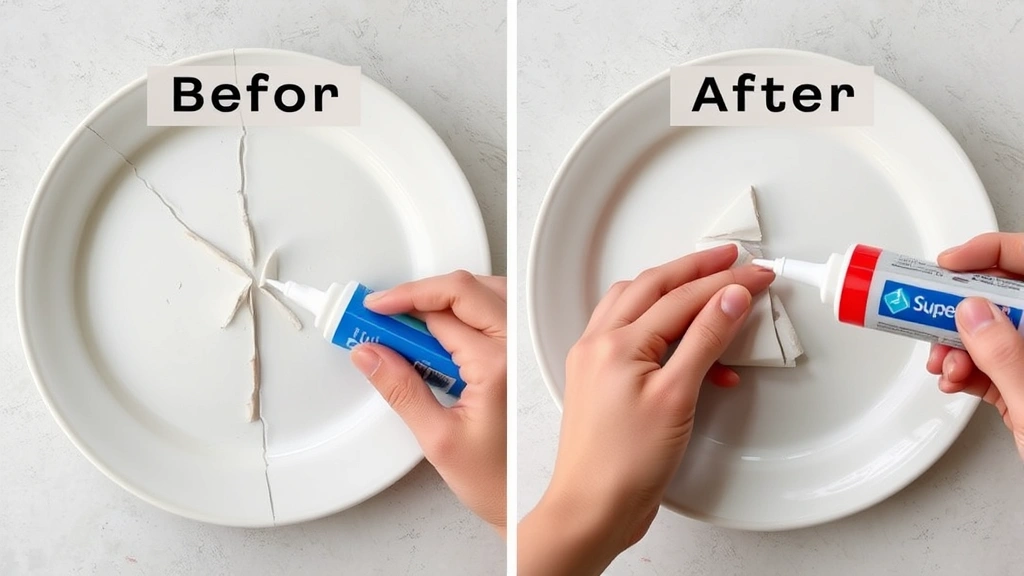
Understanding Super Glue and How It Works
Super glue is a fast-setting adhesive that creates incredibly strong bonds on porous and non-porous surfaces alike. Unlike traditional wood glue or epoxy, which cure through evaporation or chemical reactions over extended periods, super glue works through an entirely different mechanism called anionic polymerization.
When cyanoacrylate adhesive comes into contact with moisture—whether from humidity in the air or moisture on the surface being bonded—it triggers an instant chemical reaction. This reaction causes the liquid adhesive to transform into a solid plastic-like material in seconds. This is why super glue works so quickly compared to other adhesives. The moisture acts as a catalyst, initiating long-chain molecular reactions that create the bond.
Understanding this chemistry is essential because it explains why certain conditions speed up or slow down the drying process. More moisture equals faster bonding, while dry conditions can actually prevent proper curing. This fundamental difference from other adhesives is why DIY repair techniques often require special handling for super glue compared to alternatives.
Typical Super Glue Drying Times
The most common question homeowners ask is straightforward: how long does super glue take to dry? The answer depends on what you mean by “dry” and what you’re bonding.
Initial Set Time: Most standard super glue products achieve initial set in 30 seconds to 2 minutes. At this point, the bond feels solid to the touch, and you can carefully move the item without it falling apart. However, the bond is not yet at full strength.
Handling Time: After 5 to 10 minutes, the glue is generally strong enough to handle gently. You can pick up the bonded item and move it around without risking separation. Many manufacturers recommend waiting at least 10 minutes before subjecting the repair to any stress.
Full Cure Time: Complete curing typically takes 24 hours for maximum strength. While the glue may feel completely hard within an hour, the molecular bonds continue to strengthen for a full day. For critical repairs on items that will experience stress, waiting the full 24 hours is highly recommended.
Gel Formula vs. Liquid Formula: Gel-based super glues generally take slightly longer to set than liquid versions—typically 30 seconds to 1 minute longer. However, gel formulas offer better control and are less likely to run on vertical surfaces.
Factors That Affect Drying Speed
Several environmental and material factors dramatically influence how quickly your super glue will dry and cure:
Humidity and Moisture
This is the single most important factor. Super glue requires moisture to cure, so ironically, higher humidity speeds up the process. In a humid environment, the glue may set in as little as 15-20 seconds. In very dry conditions, it might take several minutes. If you’re working in an extremely arid climate or in winter when indoor humidity is low, you may need to add moisture artificially—a technique we’ll cover later.
Temperature
Warmer temperatures generally accelerate curing. Super glue works fastest in temperatures between 65-75°F (18-24°C). Extremely cold conditions slow the reaction significantly. Below 50°F, super glue may barely set at all. Conversely, temperatures above 85°F can cause the glue to set almost instantaneously, which can be problematic if you haven’t positioned your pieces correctly.
Surface Material and Porosity
Porous materials like wood, fabric, and paper absorb moisture from the air more readily, allowing super glue to set faster on these surfaces. Non-porous materials like glass, metal, and plastic have less inherent moisture, so the glue relies more heavily on ambient humidity. This is why super glue bonds to wood almost instantly but might take longer on a smooth plastic surface.
The surface texture also matters. Rough, textured surfaces provide more area for the adhesive to grip, potentially creating stronger bonds more quickly. Smooth surfaces require more precision in application and may benefit from light sanding to improve adhesion.
Amount of Adhesive Used
Using too much super glue can actually slow curing. The adhesive on the interior of a thick glue line has less access to moisture, which can extend the drying time. A thin, even application dries fastest and creates the strongest bond. This is counterintuitive for many DIYers who assume more glue equals stronger results.
Brand and Formula Variations
Different manufacturers formulate super glue differently. Premium brands may cure slightly faster or slower than budget options. Some brands add accelerators or other compounds that affect drying time. Always check the specific product instructions for accurate timing.
How to Speed Up Super Glue Drying
If you’re working on a time-sensitive project or dealing with dry climate conditions, several proven techniques can accelerate the curing process:
Add Moisture with Baking Soda
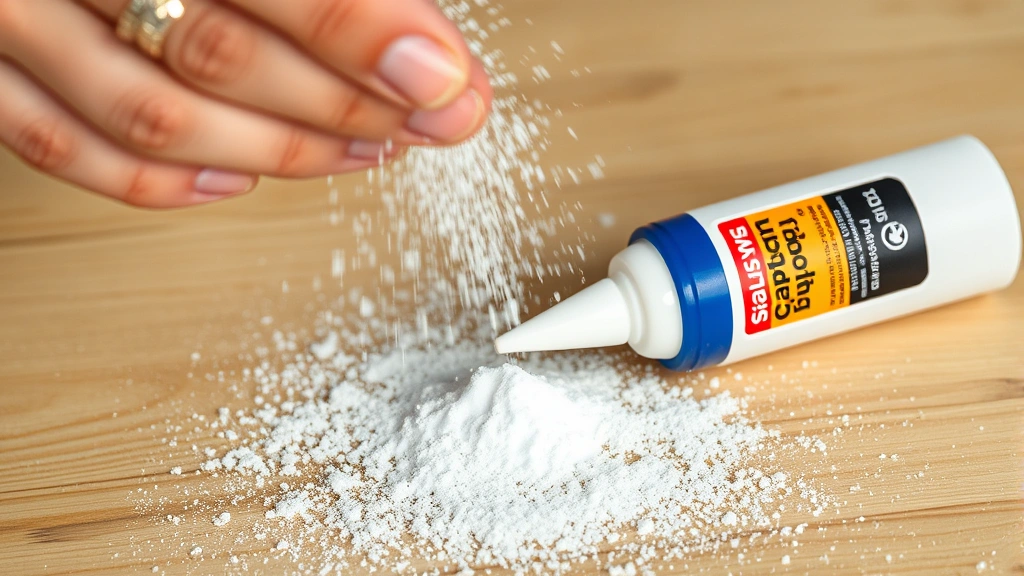
One of the most effective and widely-used techniques is applying baking soda to the glue joint. Sprinkle a small amount of baking soda directly onto the wet super glue before pressing the pieces together. The baking soda provides abundant moisture and creates an almost instantaneous set. The resulting bond is actually stronger than super glue alone. After curing, brush away excess powder and sand if needed. This method is particularly effective for porous materials.
Use a Humidity Spray
Some manufacturers produce accelerator sprays specifically designed for super glue. These products provide concentrated moisture that triggers near-instant curing. Apply the spray to one surface before bonding, then press the pieces together. Results are typically visible within seconds. These accelerators are available at hardware stores and online retailers like The Home Depot.
Increase Ambient Humidity
If you’re working in a dry environment, increase the humidity in your work area. Use a humidifier, place a bowl of water nearby, or work in a slightly damp space like a bathroom. This passive approach is free but requires planning ahead.
Apply Heat Gently
Moderate heat can accelerate curing. Hold the bonded item near (not touching) a heat source like a heat gun set to low, or use a hair dryer. Keep the heat source at least 6 inches away to avoid damaging the bonded materials or the glue itself. This technique works well in combination with other methods.
Choose the Right Super Glue Formula
Some super glue products are formulated for faster set times. Look for “instant” or “ultra-fast” varieties. These premium options may cost more but can save time on urgent repairs. For comparison, check out This Old House for expert product recommendations.
Best Practices for Optimal Bonding
Achieving the best results with super glue involves more than just understanding drying time. Follow these expert techniques:
Prepare Surfaces Thoroughly
Clean both surfaces to be bonded with a dry cloth to remove dust and debris. For optimal results, lightly sand the surfaces with fine-grit sandpaper to increase surface area and improve adhesion. For metal surfaces, wipe with a cloth dampened with rubbing alcohol and allow to dry completely. For plastic, a light sanding is often necessary since some plastics have a slippery finish.
Apply Thin, Even Coats
Use a very small amount of glue—typically just a tiny drop for small repairs. Apply it to one surface in a thin, even line rather than one large blob. Press the pieces together firmly for 30-60 seconds. The pressure helps distribute the glue evenly and removes air pockets that can weaken the bond.
Clamp or Hold Firmly
While super glue sets quickly, holding pieces in perfect alignment during that critical first minute is crucial. Use clamps, rubber bands, or your hands to maintain pressure. Even slight movement during curing can compromise the bond strength. For delicate items, consider using a third-hand tool or clamp designed for small work.
Allow Full Curing Before Stress
Even though super glue feels hard after a few minutes, resist the temptation to use the repaired item immediately. Wait at least 24 hours before subjecting the repair to any significant stress or load. This is especially important for items that will experience vibration, temperature changes, or heavy use.
Store Super Glue Properly
Keep caps tightly sealed to prevent the glue from curing in the bottle. Store in a cool, dry place. Some users keep super glue in the refrigerator (not freezer) to extend shelf life. Properly stored super glue maintains its effectiveness for months to years.
Common Mistakes to Avoid
Learning what not to do is just as important as knowing the right techniques. Here are frequent errors that compromise results:
- Using too much glue: Excess adhesive doesn’t create stronger bonds and can actually slow curing and create messy squeeze-out.
- Not preparing surfaces: Dirty or oily surfaces prevent proper bonding. Always clean and dry surfaces before applying glue.
- Moving bonded pieces too soon: Even though it feels hard after seconds, wait the full curing time before handling stressed repairs.
- Applying to completely dry surfaces: Super glue needs some moisture. If surfaces are extremely dry, add a tiny bit of water or use an accelerator spray.
- Ignoring material compatibility: Super glue doesn’t work well on all plastics, rubber, or flexible materials. Check compatibility before committing.
- Forcing pieces together: Gentle, firm pressure is better than forcing. If pieces don’t fit properly, dry-fit them first to ensure correct alignment.
- Skipping ventilation: Super glue fumes can be irritating. Work in well-ventilated areas or outdoors when possible.
Troubleshooting Drying Problems
Despite best efforts, sometimes super glue doesn’t perform as expected. Here’s how to address common issues:
Glue Won’t Set at All
If the glue remains liquid after several minutes, the likely culprit is insufficient moisture. Add baking soda, use an accelerator spray, or lightly mist the joint with water. Check that your super glue hasn’t expired—old glue loses effectiveness. Also verify you’re using actual super glue and not another adhesive that got mislabeled.
Weak Bond Despite Proper Drying
If the bond fails after the glue appears fully cured, the problem usually involves surface preparation. Oils, dust, or contamination on the surface prevent proper adhesion. For future repairs, thoroughly clean surfaces first. If the bond has already failed, clean away all old glue, re-prepare surfaces, and try again.
Glue Sets Too Quickly
In very humid conditions or with accelerators, super glue might set before you’ve properly positioned the pieces. Work quickly, have everything positioned and ready before applying glue, or use gel formula which sets slightly slower. Some premium brands offer extended-set versions for complex assemblies.
Yellowing or Discoloration
Over time, some super glue can yellow, especially when exposed to sunlight. This is primarily a cosmetic issue but indicates the adhesive is aging. For visible repairs, use clear super glue and apply only in the joint where it won’t be seen. UV-resistant formulas are available for outdoor applications.
Brittle Cured Glue
Super glue creates a hard plastic bond that can be brittle on materials that flex or move. For repairs on items that experience vibration or bending, consider using a flexible epoxy or polyurethane adhesive instead. Super glue works best on rigid materials that don’t flex after bonding.
For more detailed guidance on specific repair scenarios, explore our comprehensive how-to guides and tutorials section.
FAQ
How long does super glue take to dry on plastic?
Super glue takes 30 seconds to 2 minutes for initial set on most plastics, though some plastic types (like polyethylene or polypropylene) don’t bond well with super glue at all. Check product compatibility before use. Full curing takes 24 hours for maximum strength.
Does super glue dry faster in heat or cold?
Super glue dries faster in moderate warmth (65-75°F). Extreme heat can cause instantaneous setting which may prevent proper positioning. Cold significantly slows the process. Avoid temperatures below 50°F for reliable results.
Can you speed up super glue drying with a hair dryer?
Yes, but use low heat and keep the dryer at least 6 inches away from the bonded item. Excessive heat can damage materials or cause the glue to set unevenly. Baking soda or accelerator spray are more reliable methods.
Is super glue fully cured after 1 hour?
Super glue feels hard and appears fully cured after 1 hour, but molecular bonding continues for up to 24 hours. For repairs that will experience stress, wait the full 24 hours before heavy use.
What’s the difference between super glue and epoxy drying times?
Super glue sets in seconds to minutes, while epoxy typically requires 5-30 minutes for handling and 24 hours for full cure. Epoxy generally creates stronger bonds on non-porous materials and is better for gap-filling applications.
Can moisture prevent super glue from drying?
No—super glue actually requires moisture to cure. Excessive moisture won’t prevent drying but might cause faster-than-desired setting. The glue needs some moisture but doesn’t require submersion or soaking.
Why did my super glue repair fail?
Common causes include dirty or oily surfaces, insufficient curing time before stress, using too much glue, poor surface preparation, or using expired adhesive. Always clean surfaces thoroughly and wait 24 hours before heavy use.

Related Posts

Superscript in Google Docs: Expert Tips

Strikethrough in Excel: Easy Steps for Beginners
