
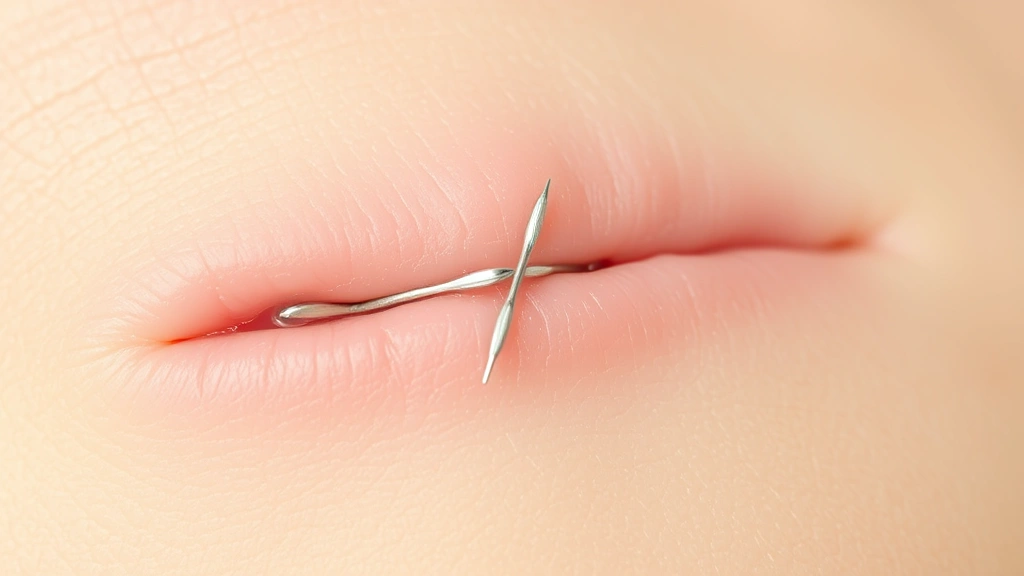
How Long for Dissolvable Stitches to Dissolve? Insights
How Long for Dissolvable Stitches to Dissolve? A Complete Guide
If you’ve recently undergone surgery or a medical procedure, you might be wondering about those dissolvable stitches holding your wound together. Unlike traditional stitches that require removal, dissolvable stitches are designed to break down naturally on their own—but the timeline isn’t always straightforward. Understanding the dissolution process helps you manage your recovery properly and know what to expect during healing.
Dissolvable stitches, also called absorbable sutures, are made from materials that your body gradually breaks down and absorbs. This innovation has transformed post-operative care for countless patients, eliminating the need for follow-up appointments to have stitches removed. However, the speed at which they dissolve depends on several factors, including the type of material used, the location of your wound, and your individual healing response.
Whether you’re recovering from surgery, managing a significant laceration, or simply curious about how medical technology works, this guide will walk you through everything you need to know about dissolvable stitches and their dissolution timeline.
Typical Dissolution Timeline
Most dissolvable stitches take between 2 to 8 weeks to completely dissolve, though some may take up to 12 weeks depending on the type and location. Your surgeon will provide specific guidance based on your particular procedure, but understanding the general timeline helps you track your recovery progress.
In the first two weeks, you’ll notice minimal changes to your stitches. They’ll remain intact and visible, serving their primary function of holding your wound edges together. During this critical initial phase, your body is working hard to form new tissue and close the wound from the inside out. The stitches are doing their job, keeping everything aligned while healing occurs beneath the surface.
By weeks three to four, you might start noticing slight changes. Some stitches may begin to loosen or appear frayed at the edges. This is completely normal and indicates that your body has begun the absorption process. You might feel some itching or mild discomfort as the healing progresses. If you’re dealing with a more complex recovery, similar to how belly button piercing healing requires patience, your dissolvable stitches may need extended time.
Weeks five through eight typically see more noticeable dissolution. Your stitches will become increasingly fragile and may break apart when you touch the area or during normal movement. Some pieces might fall out on their own, which is expected. By the end of this window, most people find their stitches have largely dissolved, though small fragments might remain.
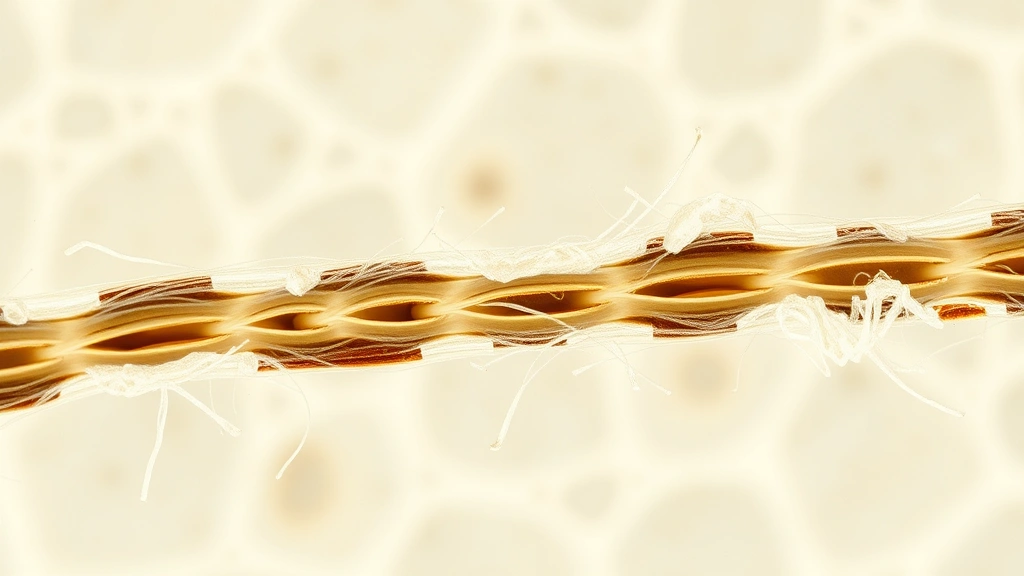
Types of Dissolvable Materials
Not all dissolvable stitches are created equal. Different materials dissolve at different rates, and surgeons choose specific types based on where they’re placing them and how long wound support is needed.
Polyglactin (Vicryl) is one of the most commonly used absorbable suture materials. These stitches typically dissolve within 2 to 3 weeks, making them ideal for superficial wounds and areas with minimal tension. They’re popular for cosmetic procedures because they disappear relatively quickly without requiring removal.
Poliglecaprone (Monocryl) sutures dissolve slightly faster, usually within 10 to 14 days. These are often used for delicate tissues where extended support isn’t necessary. They’re gentle on sensitive areas and leave minimal scarring.
Polydioxanone (PDS) sutures are engineered to last longer, typically dissolving over 6 to 8 weeks. Surgeons use these for deeper wounds or areas requiring extended support, such as abdominal surgery or repairs in high-tension zones. If you’re recovering from a more involved procedure, understanding how stitches dissolve becomes particularly important for managing expectations.
Polyglycolic acid (Dexon) sutures fall in the middle range, dissolving within 4 to 6 weeks. They maintain strength throughout most of the healing process before gradually weakening as your body absorbs them.
Your surgeon selects the material based on your specific wound characteristics, location, and healing requirements. They’ll communicate which type you have, and you can ask how long yours specifically should take to dissolve.
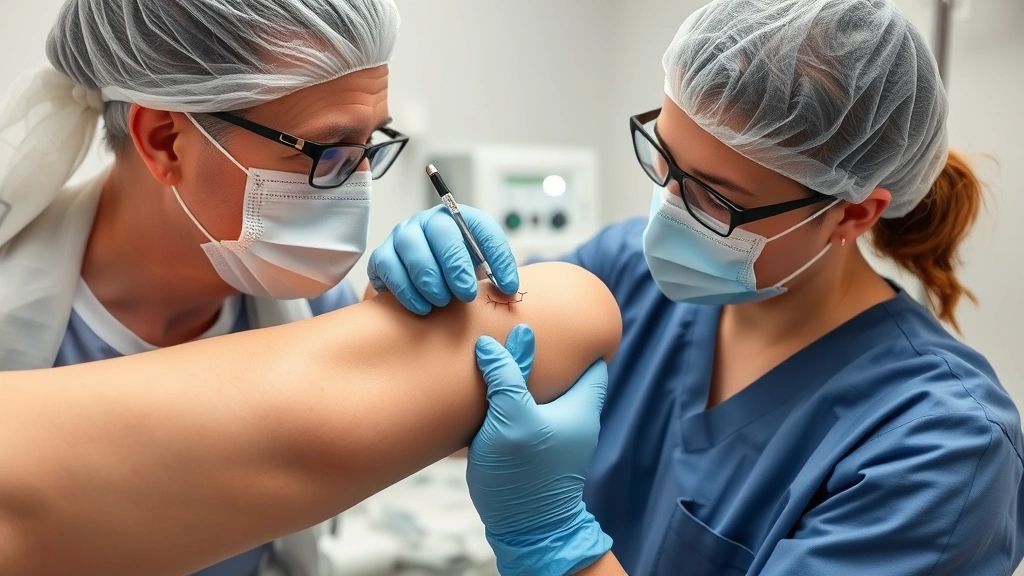
Factors Affecting Dissolution Speed
While the general timeline provides a useful estimate, several individual factors can speed up or slow down the dissolution process. Understanding these variables helps you set realistic expectations for your recovery.
Wound Location and Tension significantly impacts dissolution speed. Areas with high movement and tension—like joints or the abdomen—may require sutures that last longer, so your surgeon might choose materials that dissolve more slowly. Conversely, stitches on the face or areas with minimal movement might dissolve faster. The body’s blood supply to the area also matters; well-vascularized regions tend to absorb sutures more quickly.
Your Body’s Healing Response varies from person to person. Some individuals naturally absorb sutures faster due to their metabolism, immune system activity, and overall health. People with certain medical conditions, compromised immune systems, or those taking immunosuppressant medications may experience slower dissolution.
Age and Overall Health play important roles. Younger individuals typically heal faster and absorb sutures more quickly than older adults. Chronic conditions like diabetes can slow the healing process, potentially extending the time stitches remain visible. Nutrition also matters—adequate protein and vitamin intake support faster tissue repair and suture absorption.
Infection or Complications can dramatically affect dissolution timelines. If your wound becomes infected, your body focuses on fighting the infection rather than absorbing the sutures. This can delay dissolution and complicate your recovery. Similarly, excessive moisture, poor wound care, or frequent irritation can impact how quickly your stitches dissolve.
Type of Surgery or Wound matters considerably. Surface-level wounds heal and absorb stitches faster than deep surgical repairs. Procedures involving multiple layers of stitches (each potentially using different materials) mean some stitches dissolve while others remain. Just as tattoo healing involves multiple stages, wound healing with dissolvable stitches progresses through distinct phases.
Proper Care During Healing
Maximizing your dissolvable stitches’ effectiveness requires proper wound care throughout the healing process. Taking the right steps accelerates healing and promotes optimal dissolution.
Keep Your Wound Clean by gently washing the area with mild soap and water. Pat dry with a clean towel rather than rubbing. Your surgeon might provide specific cleaning instructions—follow those carefully. Avoid soaking the wound in bathtubs or swimming pools until you receive clearance, as excessive moisture can interfere with the healing process.
Follow Dressing Instructions precisely. If your surgeon recommended keeping the wound covered, use sterile gauze and change it as directed. Some wounds benefit from exposure to air, while others need protection. Don’t assume—ask your healthcare provider for specific guidance.
Avoid Tension and Strain on the healing area. Limit strenuous activity, heavy lifting, and intense exercise during the initial healing phase. Movement and tension can stress the stitches, potentially causing them to break prematurely or leave wider scars. Gradually increase activity as your doctor permits.
Don’t Pick or Pull at your stitches, no matter how tempting it might be. Loose or fraying stitches feel strange, but pulling them can damage surrounding tissue, introduce infection, and compromise your scar appearance. If pieces are falling out naturally, that’s normal—but don’t accelerate the process.
Watch for Excessive Moisture without letting the wound dry out completely. Some moisture supports healing, but waterlogged wounds are prone to infection. Use waterproof bandages if you need to shower, and pat the area dry afterward.
Take Medications as Prescribed if your surgeon recommended antibiotics or pain management. These support your body’s healing response and reduce infection risk. Don’t skip doses or stop taking them early.
For comprehensive guidance, the Mayo Clinic provides detailed wound care information that complements your surgeon’s specific instructions.
When to Contact Your Doctor
While dissolvable stitches usually dissolve without complications, certain signs warrant immediate medical attention. Don’t wait if you experience any of these warning indicators.
Signs of Infection include increasing redness, warmth, swelling, or pus around the wound. If you develop fever, chills, or notice red streaks extending from the wound, contact your healthcare provider immediately. Infection can complicate healing and potentially spread if left untreated.
Excessive Bleeding or Discharge beyond the first few days suggests a problem. While minor oozing is normal initially, persistent bleeding or foul-smelling discharge indicates infection or improper healing.
Stitches Not Dissolving after the expected timeframe might indicate a problem. If your stitches remain intact and unchanged after several weeks past the expected dissolution window, contact your surgeon. They might need to remove them manually if they’re not absorbing as planned.
Allergic Reactions to the suture material, though rare, can occur. Signs include severe itching, rash, or unusual swelling around the stitches. Your surgeon can address this by removing the stitches if necessary.
Excessive Pain that worsens rather than improves suggests complications. While some discomfort is normal during healing, increasing pain warrants evaluation. Similarly, if nose piercing healing requires monitoring for complications, so does surgical wound recovery.
Separation of Wound Edges or reopening of the incision is serious and requires immediate attention. If your wound appears to be opening up or the edges are pulling apart, don’t wait—contact your doctor right away.
The Family Handyman guide on treating cuts offers additional perspectives on wound care, though always prioritize your surgeon’s specific instructions for post-operative wounds.
Frequently Asked Questions
Can I shower with dissolvable stitches?
Generally, yes, but with precautions. Most surgeons clear patients to shower after 24 to 48 hours, depending on the wound type and location. Keep the wound as dry as possible—pat it dry immediately after showering rather than letting water sit on it. Avoid soaking in baths or swimming until your doctor gives the all-clear, usually after stitches have largely dissolved. Use waterproof bandages if recommended to protect the area.
What should I do if my stitches fall out early?
If a few pieces come loose prematurely, stay calm—this is often normal as dissolution begins. However, if large sections fall out before the expected timeframe or if wound edges start separating, contact your surgeon. Early failure might indicate infection, tension problems, or an allergic reaction. Your doctor can assess whether intervention is needed.
Can I exercise with dissolvable stitches?
Strenuous activity should wait until your surgeon gives clearance, typically several weeks into recovery depending on the procedure. Light activity like walking is usually fine, but avoid anything causing pain, tension, or increased bleeding. High-impact exercise, weightlifting, and intense stretching can stress healing tissue and compromise your results. Follow your specific post-operative instructions carefully.
Why are my stitches still visible after 8 weeks?
While most dissolvable stitches dissolve within 2 to 8 weeks, some materials are designed to last longer—up to 12 weeks or more. If you’re past the expected timeframe, contact your surgeon. They can confirm whether your specific suture type should still be present or whether removal is necessary. Occasionally, stitches don’t absorb as expected and need manual removal.
Do dissolvable stitches hurt as they dissolve?
You shouldn’t experience significant pain as stitches dissolve, though some mild discomfort or itching is normal. If you notice sharp pain, increasing discomfort, or pain that wasn’t present before, that’s worth reporting to your doctor. It could indicate infection or another complication requiring attention.
How do I know my wound is healing properly?
Proper healing shows gradual improvement: decreasing redness and swelling, minimal discharge, and reduced pain over time. The wound edges should remain closed and aligned. As weeks pass, you’ll notice the incision line becoming less prominent. If you’re concerned about healing progress, Home Depot’s guides on wound care and your surgeon’s follow-up appointments provide valuable checkpoints.
Can I apply anything to speed up stitch dissolution?
Don’t apply anything specifically intended to dissolve stitches faster—your body’s natural process works best. However, following proper wound care (keeping it clean, avoiding infection, managing tension) supports optimal healing and absorption. Adequate nutrition, hydration, and rest all contribute to faster, healthier healing. Always consult your surgeon before applying topical products to your wound.
What’s the difference between dissolvable and non-dissolvable stitches?
Non-dissolvable stitches require manual removal by your healthcare provider, typically 7 to 14 days after placement. Dissolvable stitches absorb naturally over weeks, eliminating the need for removal appointments. Your surgeon chooses based on the wound type—dissolvable stitches work best for internal layers and areas where removal would be difficult or cosmetically undesirable. Understanding recovery timelines for various procedures helps you appreciate why your surgeon selected dissolvable stitches.

Related Posts

How Long to Boil Lobster Tails: Cooking Guide

How Long to Fly from New York to London? Travel Times
