
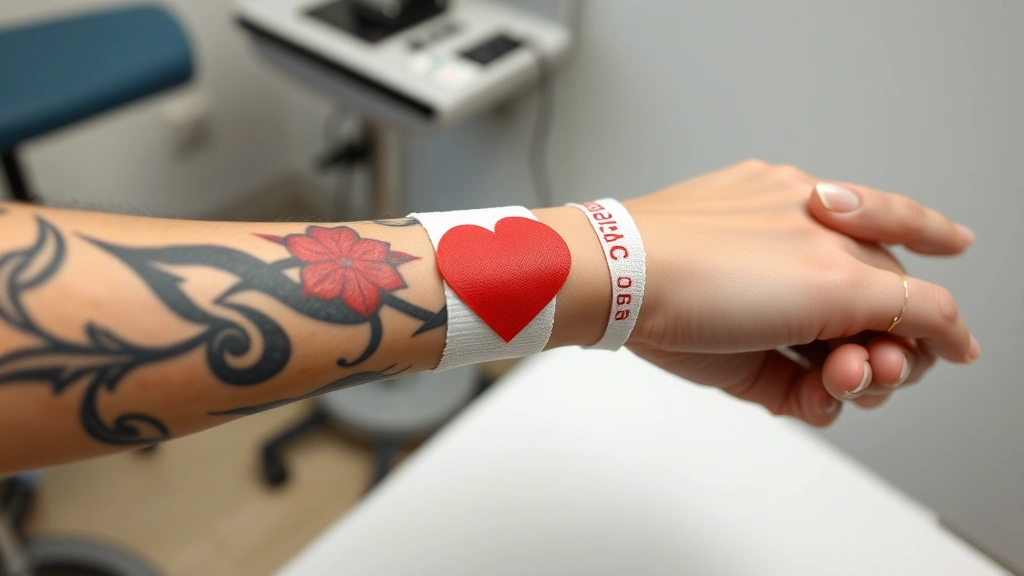
How Long Does a Tattoo Take to Heal? Expert Insights
How Long Does a Tattoo Take to Heal? Expert Insights and Complete Aftercare Guide
Getting a tattoo is exciting, but the real work starts once you leave the studio. That fresh ink on your skin is essentially an open wound, and understanding the healing timeline is crucial for achieving that perfect final result. Whether you’re getting your first tattoo or adding to your collection, knowing what to expect during the healing process helps you make informed decisions about aftercare and protects your investment.
The tattoo healing journey isn’t just about waiting for the skin to close up. It’s a multi-stage biological process where your body works to integrate the ink while simultaneously trying to heal the wound. This fascinating interplay between the tattooing process and your body’s natural healing response determines how vibrant your tattoo will look months down the line.
Let’s break down exactly what happens during each phase of tattoo healing, what you should and shouldn’t do, and how to avoid common pitfalls that could compromise your new artwork.
The Tattoo Healing Timeline: What to Expect Week by Week
Understanding the tattoo healing process means recognizing that it happens in distinct phases, each with its own characteristics and care requirements. The entire process typically spans between 2-4 weeks for surface healing, though deeper layers continue to settle for several months. Think of it like any major skin injury—your body has a specific protocol for repair, and tattoos simply add the complexity of permanent pigment integration.
The timeline can vary based on tattoo size, location, your skin type, and how well you follow aftercare instructions. A small, simple design on a well-vascularized area might heal faster than a large, complex piece on areas with less blood flow. This is why your tattoo artist’s experience matters—they understand these variables and can give you personalized guidance.
Initial Healing: The First Two Weeks
Days 1-3: The Inflammatory Response
Immediately after your tattoo session, your skin enters acute inflammation mode. The area will be red, swollen, and tender—this is completely normal and actually a good sign that your immune system is responding appropriately. During these first few days, your tattoo will likely weep plasma and ink, which is why your artist sends you home with bandaging instructions.
The weeping typically lasts 24-48 hours. You might notice the bandage getting saturated or the area feeling sticky. Resist the urge to panic—this is part of the process. Many artists recommend leaving the bandage on for 2-6 hours (some suggest overnight), then gently washing the area and leaving it unbandaged to allow oxygen flow. However, some newer techniques use specialized second-skin bandages that stay on longer. Follow your specific artist’s instructions, as they know the exact technique they used.
During these initial days, you’ll experience some pain, which typically peaks around 24 hours post-tattoo. Taking over-the-counter pain relievers like ibuprofen can help, and they also reduce inflammation. Keep the area clean but avoid submerging it in water—showers are fine if you’re careful, but skip baths and swimming pools entirely.
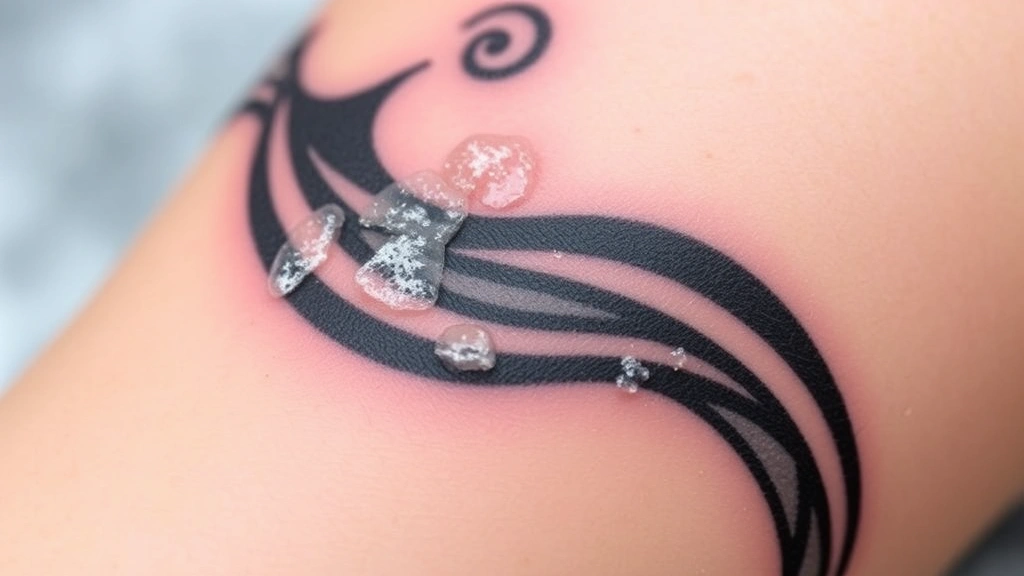
Days 4-7: Scabbing Begins
By day four or five, you’ll notice the formation of a thin scab over the tattooed area. This is your skin’s protective response to the controlled injury created by the needle. The area might still feel slightly raised and tender. Importantly, you’ll likely experience itching—and this is where many people make their first major mistake by scratching.
Scratching at a healing tattoo can pull out ink, damage the artwork, and significantly increase infection risk. The itching typically intensifies around days 5-7 as the skin begins its regenerative process. Instead of scratching, try applying a fragrance-free moisturizer or a specialized tattoo aftercare balm. Some people find that gently patting the area or applying a cold compress provides relief. If the itching becomes unbearable, consult your tattoo artist—they may recommend specific products designed to minimize itching.
During this phase, your tattoo might look slightly dull or faded compared to immediately after application. Don’t worry—this is just swelling and scabbing obscuring the pigment. The true color will become apparent once healing is complete.
Days 8-14: Scab Peeling and Final Surface Healing
The second week typically brings the most dramatic visible changes. Scabs begin to peel away naturally, revealing the healed skin beneath. This is thrilling but also critical—you absolutely cannot pick at these scabs, even if they’re hanging loosely. Peeling scabs prematurely removes ink and can leave gaps or faded spots in your design.
Let scabs fall away on their own timeline. If a scab seems stuck, gently moisturizing can help it release naturally. The skin underneath will initially appear pale or slightly discolored—this is normal and will even out over the following weeks. By day 14, most people consider their tattoo “healed” in the surface sense, though deeper healing continues.
Intermediate Healing Phase: Weeks 3-6
After the initial two weeks, your tattoo enters a deceptive phase where it looks and feels mostly normal, but significant healing still occurs beneath the surface. The outer layer of skin has closed, but your body continues working to integrate the ink particles into the dermis—the deeper skin layer where permanent pigment resides.
During this phase, the tattoo might appear slightly faded or hazy compared to what you saw immediately post-application. This is completely normal. The ink settles into its final position, and as swelling decreases, the true color becomes apparent. Some colors, particularly lighter shades, might look less vibrant than expected. This often corrects itself as healing completes, though discussing touch-ups with your artist is wise if fading seems excessive.
You can return to normal activities during this phase, including swimming and gym workouts, though chlorine and saltwater can still affect fresh tattoos. Be mindful of sun exposure—UV rays can fade new tattoos and damage healing skin. Sunscreen (SPF 50+) becomes your friend, or simply keep the tattoo covered when outdoors.
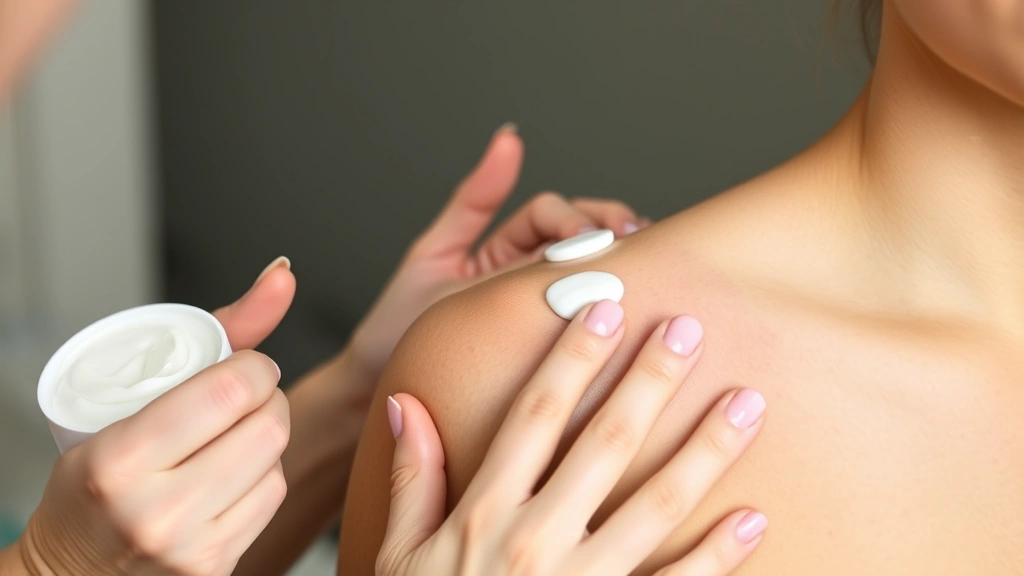
Moisturizing remains important throughout this phase. A fragrance-free, unscented moisturizer or specialized tattoo aftercare product prevents excessive dryness and keeps the skin supple as it completes its regeneration. Some people experience mild itching or dryness even during this phase—this is normal and usually resolves with consistent moisturizing.
Complete Healing and Beyond: Months 2-3
By 6-8 weeks, your tattoo is generally considered fully healed from a surface perspective, though the process continues at a cellular level for several months. The skin has completely regenerated over the tattooed area, scabs have fully shed, and the design is now a permanent part of your skin.
However, the ink particles continue settling and integrating into the dermis through approximately month three. This is why some artists recommend waiting 4-6 weeks before scheduling a touch-up session—the true final appearance hasn’t fully emerged yet. Many people notice their tattoo looking slightly different at the 3-month mark compared to the 6-week mark, with colors appearing more vivid and the design more defined.
After this point, your tattoo requires only standard skin care. Sun protection becomes paramount for long-term color preservation—UV exposure is the primary cause of tattoo fading over years and decades. Regular moisturizing and sunscreen application will keep your tattoo looking fresh for decades to come.
Tattoo Aftercare Essentials
Cleaning Protocol
Proper cleaning is non-negotiable for preventing infection and ensuring optimal healing. For the first two weeks, wash your tattoo 2-3 times daily with unscented antibacterial soap and lukewarm water. Use your clean hands or a soft, disposable cloth—never use a washcloth or anything that could harbor bacteria. Gently pat the area dry with a clean paper towel (cloth towels can transfer bacteria).
Many tattoo artists recommend avoiding soap with fragrance or harsh chemicals. An approach similar to cleaning delicate items like retainers applies here—gentle, consistent care prevents complications. After drying, apply a thin layer of fragrance-free moisturizer or specialized tattoo balm.
Moisturizing and Balm Application
Your healing tattoo needs moisture, but not too much. Over-moisturizing can trap bacteria and create a breeding ground for infection. Apply moisturizer or balm 2-3 times daily in thin layers, not thick globs. Popular options include unscented lotion, specialized tattoo aftercare balms, or even plain petroleum jelly for the first few days (though many artists have moved away from this due to potential ink displacement).
Avoid products with fragrance, dyes, or alcohol, as these can irritate healing skin. If your skin is particularly dry, increase moisturizing frequency rather than applying thicker layers. The goal is keeping the skin supple without creating an occlusive barrier that prevents oxygen flow.
Activity Restrictions
For the first 2-4 weeks, avoid activities that could compromise your tattoo. This includes swimming in pools, oceans, or hot tubs (chlorine and saltwater are problematic), intense sweating from gym workouts, and activities in dusty or dirty environments. Sweat can irritate the area, and exposure to bacteria-laden water increases infection risk dramatically.
You can shower normally, but keep water exposure brief and avoid directly spraying the tattoo. Pat dry gently afterward. After 2-4 weeks, most activities are fine, though sun protection remains important indefinitely.
Clothing Considerations
Wear loose, breathable clothing over your tattoo for at least the first week. Tight clothing can rub the area, disrupt scabs, and create an environment where bacteria thrive. Natural fabrics like cotton are preferable to synthetics. At night, consider sleeping in a way that prevents your tattoo from rubbing against fabric or getting caught in bedding.
Factors That Affect Healing Time
Tattoo Size and Complexity
Larger, more complex tattoos generally take longer to heal than small, simple designs. A tiny line tattoo might be surface-healed in 10 days, while a large color piece could take 4-6 weeks for complete surface healing. The reason is straightforward: more skin is damaged, so your body needs more time to repair and regenerate.
Tattoo Location
Where you get your tattoo significantly impacts healing time. Areas with better blood circulation heal faster because your body can deliver healing resources more efficiently. Forearms, shoulders, and upper arms typically heal quickly. Conversely, areas with less blood flow—like hands, feet, and inner wrists—heal more slowly and may require extra care.
Areas that experience constant movement or friction also heal more slowly. Your ankle or knee, which moves constantly, will take longer to heal than your upper arm. Similarly, areas prone to moisture (like armpits or between fingers) have higher infection risk and may heal more slowly.
Your Age and Health
Younger people generally heal faster than older individuals, though age differences are usually measured in days rather than weeks. More significant factors include overall health, immune system function, and whether you have conditions affecting circulation or healing. People with diabetes, autoimmune disorders, or taking immunosuppressant medications should discuss tattoo timing with their healthcare provider.
Adequate sleep, nutrition, and hydration all support faster healing. Your body performs most repair work during sleep, so prioritizing rest during the first two weeks accelerates the process. Staying well-hydrated supports optimal skin function and healing.
Your Skin Type and Sensitivity
People with sensitive skin might experience more inflammation and itching, which can complicate healing if you’re tempted to scratch. Those with very dry skin might need more frequent moisturizing. Oily skin types might need less product to prevent bacterial overgrowth. Learning your skin’s specific needs helps you customize aftercare appropriately.
Tattoo Artist Skill Level
This might be the most important factor. A skilled artist uses proper technique, correct needle depth, and appropriate pressure to create a tattoo that heals optimally. Poor technique—penetrating too deeply or not deeply enough, using excessive pressure, or inconsistent needle depth—complicates healing. This is why investing in an experienced, reputable artist pays dividends not just in the initial appearance but in how well your tattoo heals.
Signs of Infection and When to Seek Help
While infection is relatively uncommon with proper aftercare, it’s crucial to recognize warning signs. Some inflammation and redness are normal, but excessive symptoms warrant professional attention. Contact your tattoo artist or healthcare provider if you notice:
- Excessive redness that spreads beyond the tattoo area or worsens after day 3
- Pus or unusual discharge (clear plasma is normal; yellow, green, or brown discharge isn’t)
- Fever or chills accompanying your tattoo healing
- Swelling that increases rather than decreasing after the first few days
- Red streaking extending from the tattoo toward your heart
- Persistent pain that doesn’t improve with over-the-counter pain relievers
- Excessive itching accompanied by skin breakdown from scratching
- Signs of an allergic reaction, particularly to red or black ink (though rare)
Infections can be serious, so err on the side of caution. A quick call to your artist or doctor costs nothing and could prevent complications. Similar to identifying problematic skin conditions early, catching tattoo complications quickly makes treatment much simpler.
Common Mistakes That Slow Healing
Scratching or Picking at Scabs
This is the number one mistake people make, and it’s understandable—itching is genuinely uncomfortable. But scratching removes ink, creates scars, and dramatically increases infection risk. When itching strikes, apply moisturizer, use a cold compress, or take an antihistamine if necessary. Just don’t scratch. Your future self will thank you.
Over-Moisturizing
More product isn’t better. Over-moisturizing creates a damp environment where bacteria thrive, potentially leading to infection. Thick, heavy applications can also displace ink or create an occlusive barrier that prevents oxygen flow. Thin, frequent applications work better than heavy, infrequent ones.
Submerging in Water
Swimming in pools, oceans, or hot tubs before your tattoo is healed exposes it to bacteria and chlorine. Similarly, taking baths before healing is complete risks infection. Brief showers with careful rinsing are fine, but extended water exposure is problematic.
Exposing to Excessive Sun
Sun exposure during healing can damage the healing skin and fade the ink before it’s fully set. Even after healing, UV rays are the primary cause of tattoo fading. Protecting your tattoo from sun—through clothing, seeking shade, or using SPF 50+ sunscreen—preserves its appearance for decades.
Using Incorrect Products
Not all moisturizers are equal for tattoo aftercare. Fragmented, dyed, or heavily perfumed products can irritate healing skin. Antibiotic ointments like Neosporin, while tempting, can actually trap bacteria. Stick with fragrance-free lotions, specialized tattoo balms, or recommendations from your artist.
Ignoring Your Artist’s Instructions
Your tattoo artist knows the specific technique they used, the needle depth, and your skin’s response. Their aftercare instructions are tailored to your specific situation. Following generic online advice instead of your artist’s guidance is a common mistake. When in doubt, contact your artist—they want your tattoo to heal beautifully.
Engaging in Strenuous Activity Too Soon
Intense gym workouts, sports, or heavy lifting within the first 2-4 weeks increases swelling and can disrupt scabs. Sweat also creates an environment where bacteria thrive. Give yourself a break for a couple of weeks, then gradually return to normal activity levels.
Frequently Asked Questions
How long does a tattoo take to heal completely?
Surface healing typically takes 2-4 weeks, with complete cellular healing continuing for 2-3 months. Most people consider their tattoo “healed” after 6-8 weeks, though the final appearance continues developing through month three. For more detailed healing information, check out our guide on how long tattoos take to heal.
Why does my tattoo look faded during healing?
Swelling, scabbing, and the natural inflammatory response can make your tattoo appear less vibrant during healing. Once scabs shed and swelling decreases, the true color becomes apparent. If fading seems excessive at the 6-8 week mark, discuss touch-ups with your artist.
Can I shower with a fresh tattoo?
Yes, but carefully. Keep water exposure brief, avoid directly spraying the tattoo, and pat dry gently with a clean paper towel. Avoid baths and submerging the tattoo in water for at least 2-4 weeks.
When can I exercise after getting a tattoo?
Light activity is usually fine after a few days, but intense workouts should wait 2-4 weeks. Sweat irritates healing tattoos and creates an environment for bacterial growth. Start slowly and gradually increase intensity as your tattoo heals.
What’s the difference between normal healing and infection?
Some redness, swelling, and mild discomfort are normal for the first few days. However, excessive redness that spreads, pus discharge, fever, or red streaking toward your heart indicates infection. Contact your doctor or artist immediately if you suspect infection.
Can I use regular lotion on my healing tattoo?
Fragrance-free lotion works, but specialized tattoo aftercare balms are often better formulated for healing tattoos. Avoid products with fragrance, dyes, or alcohol. Ask your artist for specific product recommendations.
How often should I moisturize my tattoo?
Apply moisturizer 2-3 times daily during the first two weeks, using thin layers rather than thick applications. After surface healing is complete, continue moisturizing as needed based on your skin’s dryness level.
Is itching during tattoo healing normal?
Yes, itching is a completely normal part of healing, usually peaking around days 5-7. Don’t scratch—instead, apply moisturizer, use a cold compress, or take an antihistamine. Scratching can remove ink and cause scarring.
What if I accidentally picked at my scab?
Don’t panic, but be extra careful moving forward. Picking might have removed some ink, creating a faded spot, but it doesn’t necessarily ruin your entire tattoo. Discuss it with your artist—they can assess whether touch-ups are needed once healing is complete.
How does tattoo healing compare to other body modifications?
While the principles are similar across body modifications, healing times vary. For comparison, understand that a nose piercing has a different healing timeline than tattoos, typically taking 6-9 months for complete healing, much longer than most tattoos.
Can I get a second tattoo while my first is healing?
It’s generally recommended to wait until your first tattoo is fully healed (at least 6-8 weeks) before getting another. Your body is focused on healing the first one, and adding another injury might complicate both healing processes. Discuss timing with your artist.
Will my tattoo look different after it’s fully healed?
Yes, slightly. It will appear more vibrant as swelling decreases and scabs shed. Some colors might look slightly different than immediately post-tattoo, and the overall appearance continues refining through month three. This is normal and usually represents an improvement over the initial appearance.
How can I protect my tattoo long-term?
After healing is complete, sun protection is paramount. Use SPF 50+ sunscreen or keep your tattoo covered when outdoors. Stay hydrated, maintain healthy skin care, and avoid excessive sun exposure. These habits preserve your tattoo’s appearance for decades.
Understanding tattoo healing empowers you to make informed decisions and care for your new artwork properly. By following proper aftercare, avoiding common mistakes, and knowing when to seek help, you’ll give your tattoo the best chance to heal beautifully and look stunning for years to come. Remember, your tattoo artist is your best resource for specific guidance—they’ve guided countless people through this process and can provide personalized advice based on your unique situation.

Related Posts

How Long to Boil Lobster Tails: Cooking Guide

How Long to Fly from New York to London? Travel Times
