
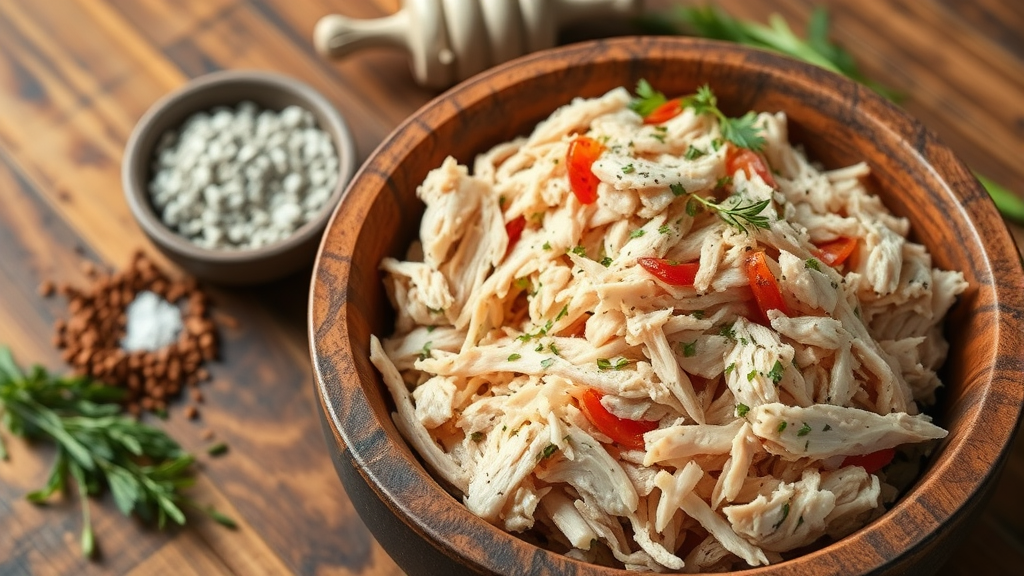
Master the Art of Shredded Chicken for Delicious Recipes
Shredded chicken is one of the most versatile ingredients in any home cook’s arsenal, offering endless possibilities for delicious, protein-packed meals. Whether you’re preparing tacos, salads, soups, or casseroles, knowing how to make perfectly shredded chicken will elevate your culinary game and save you time in the kitchen. This tender, flavorful protein can be prepared in advance and stored for quick meal assembly throughout the week.
From busy weeknight dinners to meal prep sessions, mastering the art of shredded chicken opens doors to countless recipe variations while providing a healthy foundation for your meals. The key lies in understanding the proper cooking methods, timing, and techniques that result in juicy, easily shreddable chicken that retains its moisture and flavor. Let’s explore the comprehensive guide to creating restaurant-quality shredded chicken at home.
Choosing the Right Chicken Cut
The foundation of excellent shredded chicken begins with selecting the appropriate cut of meat. Chicken thighs, particularly bone-in, skin-on varieties, are often considered the gold standard for shredding due to their higher fat content and connective tissue that breaks down during cooking, resulting in incredibly tender, flavorful meat that shreds effortlessly.
Chicken breasts, while leaner, can also produce excellent shredded chicken when cooked properly. The key is understanding that how long to boil chicken breast differs from thighs due to their lower fat content and tendency to dry out more quickly. For best results with chicken breasts, opt for larger, thicker pieces that retain moisture better during the cooking process.
When shopping for chicken, look for pieces that are uniform in size to ensure even cooking. Fresh chicken should have a pale pink color with no gray or green tinges, and it should smell neutral or slightly sweet. If you’re working with frozen chicken, knowing how to defrost chicken fast safely is crucial for maintaining food safety and achieving optimal texture.
Consider purchasing organic or free-range chicken when possible, as these options often have better flavor and texture. The slightly higher cost is typically justified by the improved taste and cooking performance, especially when the chicken is the star ingredient in your final dish.
Preparation and Seasoning Methods
Proper preparation sets the stage for exceptional shredded chicken. Start by trimming any excess fat or skin if desired, though leaving some fat will contribute to flavor and moisture. Pat the chicken completely dry with paper towels, as surface moisture can interfere with browning and seasoning adherence.
Seasoning should be generous and applied at least 30 minutes before cooking, allowing the salt and spices to penetrate the meat. A basic seasoning blend might include salt, black pepper, garlic powder, onion powder, and paprika. For more complex flavors, consider creating a dry rub with cumin, chili powder, oregano, and brown sugar for Mexican-inspired dishes, or herbs like thyme, rosemary, and sage for more traditional applications.
Brining is an excellent technique for ensuring moist, well-seasoned shredded chicken. A simple brine solution of water, salt, and sugar can be enhanced with aromatics like bay leaves, peppercorns, garlic cloves, and fresh herbs. Allow chicken to brine for 2-4 hours in the refrigerator, then rinse and pat dry before cooking.
Marinating offers another avenue for flavor development. Acidic marinades containing ingredients like citrus juice, vinegar, or yogurt help tenderize the meat while infusing flavor. However, limit acidic marinades to 2-4 hours to prevent the meat from becoming mushy. Oil-based marinades with herbs and spices can be used for longer periods without negative effects on texture.
Essential Cooking Techniques
Several cooking methods excel at producing tender, shreddable chicken, each offering unique advantages. The slow cooker method is perhaps the most foolproof, requiring minimal attention while producing consistently excellent results. Place seasoned chicken in the slow cooker with a small amount of liquid such as broth, wine, or even water, and cook on low for 6-8 hours or high for 3-4 hours.
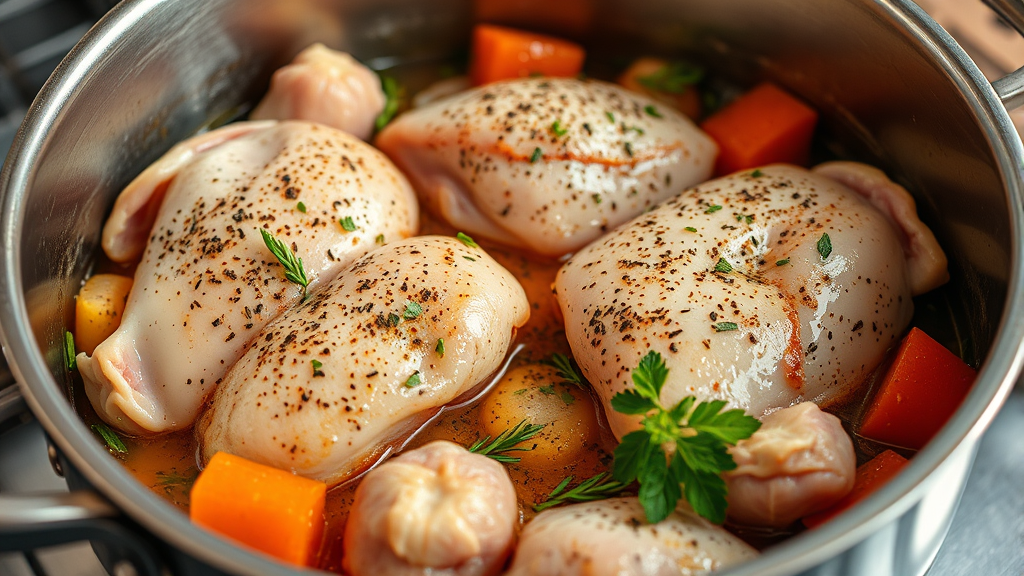
Poaching is a gentle cooking method that yields incredibly tender results. Understanding how long to boil chicken properly is essential, as overcooking leads to tough, stringy meat. Bring seasoned liquid to a gentle simmer, add chicken, and cook until the internal temperature reaches 165°F (74°C). The cooking liquid can be enhanced with aromatics like onions, carrots, celery, herbs, and wine for additional flavor.
Oven braising combines the best of both roasting and poaching. Sear seasoned chicken pieces in an oven-safe pot until golden, then add liquid halfway up the sides of the meat. Cover tightly and braise in a 325°F (163°C) oven until fork-tender. This method develops deep, complex flavors through the initial browning while ensuring moist, tender results.
Pressure cooking dramatically reduces cooking time while maintaining excellent texture. Season chicken and add to the pressure cooker with liquid, then cook on high pressure for 8-10 minutes for breasts or 12-15 minutes for thighs. Allow natural pressure release for best results. The USDA recommends pressure cooking as a safe and efficient method for preparing poultry.
Proper Shredding Methods
The actual shredding process is crucial for achieving the desired texture. Allow cooked chicken to cool slightly until comfortable to handle, but work while it’s still warm for easiest shredding. Remove and discard skin and bones, then use two forks to pull the meat apart in the direction of the grain. This technique produces long, appealing strands rather than chunks.
For larger quantities, a stand mixer with paddle attachment can efficiently shred warm chicken. Place cooked chicken pieces in the bowl and mix on low speed for 30-60 seconds, monitoring closely to avoid over-processing. This method works particularly well for meal prep when preparing large batches.
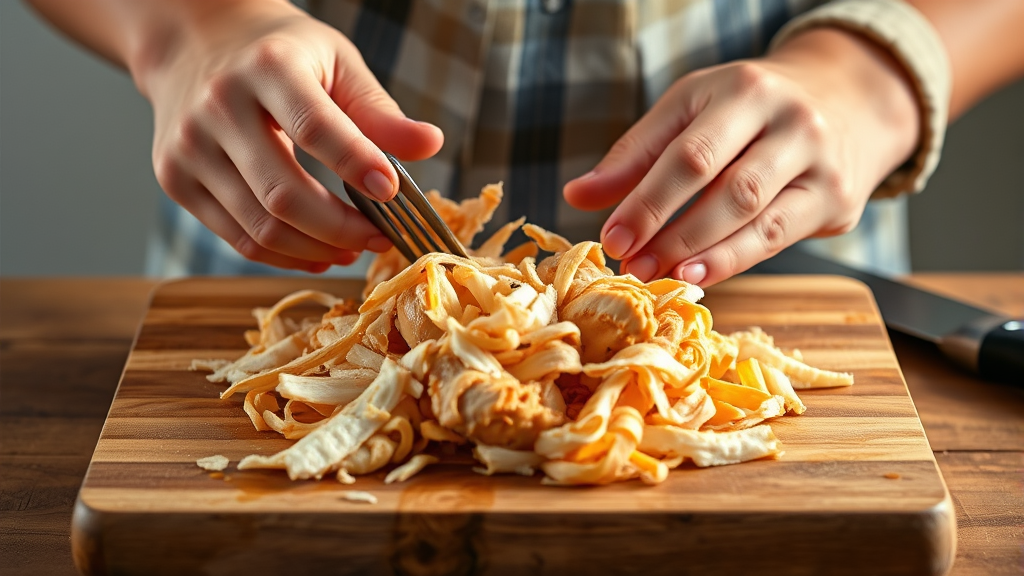
Hand shredding offers the most control over texture and allows you to remove any unwanted pieces like cartilage or excess fat. Work systematically through each piece, pulling apart the natural muscle fibers. For finer shreds, continue breaking apart larger pieces until you achieve the desired consistency.
Clean hands are often more efficient than utensils for shredding, especially when the chicken is at the proper temperature. The heat and oils from your hands can actually help separate the fibers more naturally. Just ensure hands are thoroughly washed and dried before handling the cooked chicken.
Storage and Meal Prep Tips
Proper storage techniques ensure your shredded chicken maintains quality and food safety standards. Cool shredded chicken completely before refrigerating, and store in airtight containers for up to 4 days in the refrigerator. For longer storage, freeze portions in freezer-safe containers or bags for up to 3 months.
When meal prepping, consider storing shredded chicken in the cooking liquid to maintain moisture. This technique works particularly well with poached or braised chicken, where the cooking liquid has developed rich flavors. Strain the liquid if desired, but reserve some for storage purposes.
Portion control becomes easy with pre-shredded chicken. Divide into meal-sized portions based on your typical recipes – perhaps 4-6 ounce servings for individual meals or larger portions for family dishes. Label containers with contents and date for easy identification and rotation.
For optimal texture after freezing, thaw shredded chicken in the refrigerator overnight rather than using quick-thaw methods. Reheat gently in the microwave with a splash of broth or water, or incorporate directly into hot dishes like soups or casseroles where it will heat through naturally.
Delicious Recipe Applications
Shredded chicken’s versatility shines in countless applications across various cuisines. Mexican-inspired dishes like chicken tacos, quesadillas, and enchiladas benefit from chicken seasoned with cumin, chili powder, and lime juice. Serve alongside how to make white rice for complete, satisfying meals.
Asian fusion options include chicken fried rice, lettuce wraps, and noodle soups. Season shredded chicken with soy sauce, ginger, garlic, and sesame oil for authentic flavors. The tender texture makes it perfect for quick-cooking stir-fries where it heats through rapidly without becoming tough.
Comfort food classics like chicken and dumplings, chicken pot pie, and chicken salad showcase the ingredient’s adaptability. For chicken salad, mix shredded chicken with mayonnaise, diced celery, grapes, and almonds. The quality of your base ingredient significantly impacts the final dish, much like knowing how to tell if eggs are good affects baking success.
Soup applications are endless, from classic chicken noodle to hearty tortilla soup and creamy chicken and wild rice soup. Add shredded chicken during the final minutes of cooking to warm through without overcooking. The USDA’s nutrition guidelines emphasize chicken as an excellent lean protein source for balanced meals.
Troubleshooting Common Issues
Dry, stringy shredded chicken typically results from overcooking or using insufficient liquid during the cooking process. If this occurs, try mixing the shredded chicken with some of the reserved cooking liquid, broth, or even a small amount of olive oil to restore moisture. For future cooking, monitor internal temperatures carefully and don’t exceed 165°F (74°C).
Tough, difficult-to-shred chicken often indicates undercooking or choosing the wrong cut. Chicken thighs are more forgiving than breasts due to their higher connective tissue content. If chicken doesn’t shred easily, return it to the cooking method for additional time until fork-tender. According to CDC food safety guidelines, properly cooked chicken should reach an internal temperature of 165°F.
Bland flavor can be addressed through proper seasoning and cooking liquid selection. Don’t rely solely on post-cooking seasonings; build flavor throughout the process with aromatic vegetables, herbs, spices, and flavorful cooking liquids. Wine, citrus juice, and quality broths all contribute depth that water alone cannot provide.
Mushy texture results from overcooking or too much acid in marinades. If chicken becomes mushy, it’s generally not recoverable, so prevention is key. Use gentle cooking methods, monitor temperatures carefully, and limit acidic marinades to appropriate timeframes. Fresh, high-quality chicken also helps prevent texture issues.
Frequently Asked Questions
How long does it take to cook chicken for shredding?
Cooking times vary by method and cut. Chicken breasts typically need 20-25 minutes when poached, 6-8 hours on low in a slow cooker, or 8-10 minutes in a pressure cooker. Chicken thighs require slightly longer: 25-30 minutes when poached, 6-8 hours on low in a slow cooker, or 12-15 minutes in a pressure cooker. Always cook to an internal temperature of 165°F regardless of time estimates.
Can I use frozen chicken to make shredded chicken?
Yes, but it’s best to thaw chicken first for even cooking and better texture. If cooking from frozen, increase cooking times by approximately 50% and ensure the internal temperature reaches 165°F. Pressure cookers handle frozen chicken particularly well, though texture may be slightly different than using thawed chicken.
What’s the best cut of chicken for shredding?
Chicken thighs, especially bone-in, skin-on varieties, produce the most flavorful and tender shredded chicken due to their higher fat content and connective tissue. However, chicken breasts work well too and offer a leaner option. Avoid chicken tenderloins as they can become tough and stringy when overcooked.
How do I prevent shredded chicken from drying out?
Store shredded chicken with some of its cooking liquid to maintain moisture. When reheating, add a splash of broth or water and heat gently. Avoid overcooking initially, and consider using fattier cuts like thighs. Proper storage in airtight containers and using within recommended timeframes also helps maintain moisture.
Can I season chicken after shredding?
While you can add seasonings after shredding, it’s much more effective to season before and during cooking for deeper flavor penetration. Post-shredding seasonings tend to sit on the surface rather than being absorbed into the meat. If adding seasonings after shredding, mix thoroughly and let rest for 15-20 minutes before serving.
How long does shredded chicken last in the refrigerator?
Properly stored shredded chicken lasts 3-4 days in the refrigerator when kept in airtight containers at 40°F or below. For longer storage, freeze for up to 3 months. Always reheat to 165°F before consuming leftovers, and discard if there are any signs of spoilage such as off odors or slimy texture.
What cooking liquid should I use for the most flavorful shredded chicken?
Chicken broth provides excellent baseline flavor, but consider wine, beer, or vegetable broth for variety. Adding aromatics like onions, garlic, herbs, and citrus to any cooking liquid enhances flavor significantly. Even water can work well when properly seasoned with salt, herbs, and spices. The key is ensuring enough liquid to prevent drying while concentrating flavors.

Related Posts

How Long to Boil Lobster Tails: Cooking Guide

How Long to Fly from New York to London? Travel Times
