
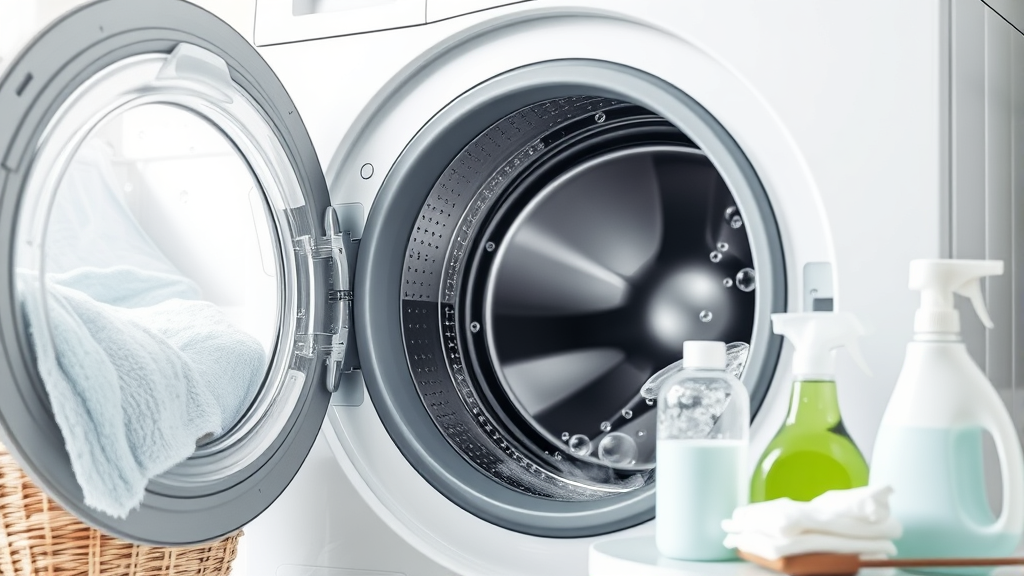
Revitalize Your Laundry: Easy Steps to Clean Your Washing Machine
A clean washing machine is essential for maintaining fresh, hygienic laundry, yet many homeowners overlook the importance of regularly cleaning this hardworking appliance. Over time, washing machines accumulate soap scum, mineral deposits, bacteria, and mold that can leave your clothes smelling musty and looking dingy. Understanding how to clean a washing machine properly will not only extend its lifespan but also ensure your laundry comes out truly clean and fresh.
Regular washing machine maintenance prevents costly repairs and ensures optimal performance. When left uncleaned, residue buildup can clog hoses, damage seals, and create an environment where harmful bacteria thrive. This comprehensive guide will walk you through simple, effective methods to restore your washing machine to peak condition using common household items and professional techniques.
Signs Your Washing Machine Needs Cleaning
Recognizing when your washing machine requires attention is crucial for maintaining clean laundry and preventing serious problems. Several telltale signs indicate buildup and contamination within your appliance that demands immediate action.
The most obvious indicator is a persistent musty or sour odor emanating from the machine, even when it’s not in use. This smell often transfers to freshly washed clothes, defeating the purpose of doing laundry. Visual signs include black spots or film around the door seal, soap scum accumulation in the detergent dispenser, and visible residue on the drum walls.
Performance issues also signal the need for cleaning. If clothes come out with white streaks, feel slimy, or don’t seem as clean as usual, residue buildup is likely interfering with the washing process. Additionally, if your machine takes longer to complete cycles or makes unusual noises, mineral deposits may be affecting its mechanical components.
Water quality in your area significantly impacts how frequently cleaning is needed. Hard water areas require more frequent maintenance due to increased mineral deposits, while homes with soft water may experience different types of buildup from soap residue.
Preparation and Safety Considerations
Before beginning any cleaning process, proper preparation ensures both safety and effectiveness. Start by unplugging the washing machine from its electrical source and turning off water supply valves if you plan to clean internal components. This prevents accidental operation during cleaning and protects you from electrical hazards.
Gather necessary supplies including white vinegar, baking soda, bleach (for appropriate machine types), old towels, a soft-bristled brush, and rubber gloves. According to the Environmental Protection Agency, proper ventilation is essential when using cleaning products, so ensure adequate airflow in your laundry area.
Remove all clothing and items from the machine, checking pockets and drum thoroughly. Clear the area around the machine to provide easy access to all components. If your machine has been experiencing drainage issues, similar to problems you might encounter when you need to unclog a toilet, address these first to prevent water backup during cleaning.
Review your washing machine’s manual for manufacturer-specific cleaning recommendations and warranty considerations. Some machines have self-cleaning cycles that work in conjunction with manual cleaning methods for optimal results.
Deep Cleaning Methods for Different Machine Types
Top-loading and front-loading washing machines require different approaches due to their distinct designs and common problem areas. Understanding these differences ensures thorough cleaning and prevents damage to sensitive components.
Front-Loading Machine Deep Clean
Front-loading machines are particularly susceptible to mold and mildew growth around the rubber door seal due to their horizontal drum design. Start by running an empty hot water cycle with two cups of white vinegar to break down mineral deposits and soap residue. The Consumer Reports testing laboratory recommends this method as highly effective for removing buildup.
Follow the vinegar cycle immediately with another hot water cycle using half a cup of baking soda. This combination neutralizes odors and removes stubborn residue. For machines with persistent odor issues, add one cup of bleach to a final hot water cycle, ensuring proper ventilation during this step.
Top-Loading Machine Deep Clean
Top-loading machines benefit from a soaking method that allows cleaning solutions to work longer on accumulated residue. Fill the machine with hot water and add four cups of white vinegar. Allow the machine to agitate for several minutes, then pause the cycle and let it soak for one hour.
After soaking, complete the cycle and run another with hot water and one cup of baking soda. This two-step process effectively removes mineral deposits and neutralizes odors throughout the entire drum and internal components.
Cleaning Individual Components
Beyond the drum, several components require individual attention to ensure comprehensive machine cleanliness. Each part serves specific functions and accumulates different types of residue requiring targeted cleaning approaches.
Door Seals and Gaskets
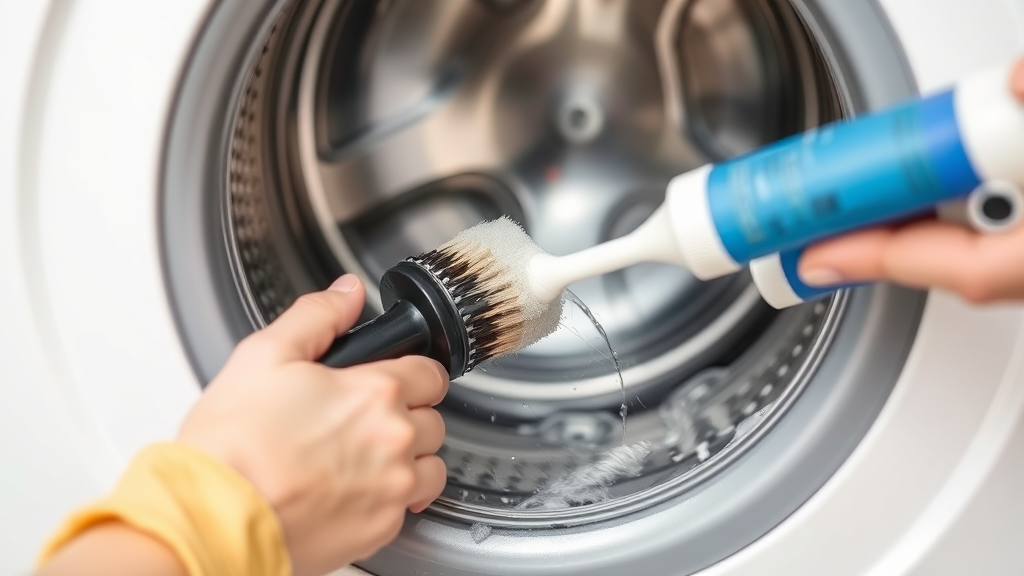
The rubber door seal in front-loading machines harbors the most bacteria and mold due to trapped moisture and debris. Create a cleaning solution using equal parts water and white vinegar, adding a few drops of dish soap. Using a soft cloth or old toothbrush, carefully clean all folds and crevices in the seal, paying special attention to the bottom where water typically pools.
For stubborn mold spots, make a paste using baking soda and water, applying it directly to affected areas. Allow it to sit for 15 minutes before scrubbing gently and rinsing thoroughly. Regular maintenance of this component prevents health hazards and extends seal lifespan.
Detergent Dispensers
Detergent dispensers often become clogged with hardened soap, fabric softener, and mineral deposits. Most dispensers can be completely removed for thorough cleaning. Soak removable parts in hot water with dish soap for 30 minutes, then scrub with an old toothbrush to remove stubborn residue.
For non-removable dispensers, use a mixture of hot water and vinegar, scrubbing with a bottle brush or old toothbrush. Ensure all compartments are completely clear of buildup, as blockages can affect proper detergent distribution during wash cycles.
Lint Filter and Drain
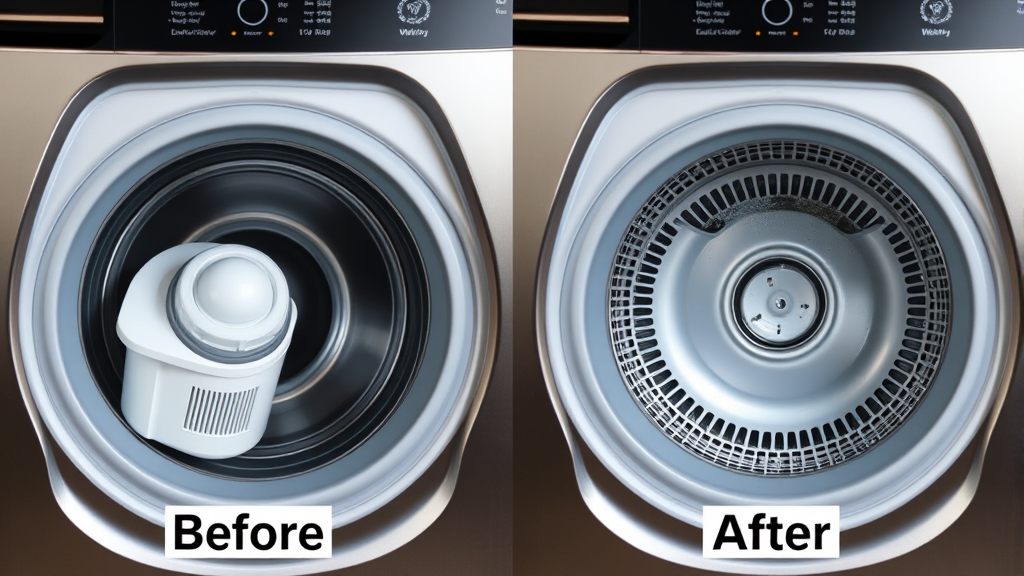
Many washing machines have lint filters that require regular cleaning, similar to how you might need to address other household maintenance issues like learning how to get rid of ants in your home. Locate your machine’s filter (usually near the bottom front panel or inside the drum) and remove it according to manufacturer instructions.
Rinse the filter under hot water, using a soft brush to remove accumulated lint and debris. If the filter appears damaged or excessively worn, replace it to maintain proper machine function. Clean the filter housing area as well, removing any visible debris or buildup.
Creating a Regular Maintenance Schedule
Establishing a consistent cleaning routine prevents major buildup and extends your washing machine’s lifespan significantly. The frequency of cleaning depends on usage patterns, water quality, and detergent types used in your household.
For average household use (6-8 loads per week), perform a deep cleaning monthly using the vinegar and baking soda method described earlier. Homes with heavy usage or hard water should increase frequency to bi-weekly cleaning. Between deep cleans, wipe down the door seal weekly and leave the door open after each use to promote air circulation and prevent mold growth.
Weekly maintenance tasks include cleaning the detergent dispenser, checking for visible residue buildup, and ensuring proper drainage after each use. Monthly tasks should include inspecting hoses for wear, cleaning the lint filter, and running a maintenance cycle with appropriate cleaning solutions.
The University of Minnesota Extension recommends keeping a maintenance log to track cleaning dates and identify patterns in machine performance. This proactive approach helps identify potential issues before they become costly repairs.
Troubleshooting Common Issues
Even with regular maintenance, washing machines may develop specific problems requiring targeted solutions. Understanding common issues and their remedies helps maintain optimal performance and prevents unnecessary service calls.
Persistent Odors
If odors persist after regular cleaning, check for hidden mold growth in areas like the overflow tube or beneath the drum. Run additional bleach cycles (where appropriate for your machine type) and consider using specialized washing machine cleaners designed for stubborn odor elimination.
Sometimes the issue stems from external factors like drain problems or ventilation issues. Ensure your laundry room has adequate ventilation and that drain hoses aren’t kinked or clogged, which can cause water to back up and create breeding grounds for bacteria.
White Residue on Clothes
White streaks or residue on clothing typically indicates excessive detergent use or hard water mineral deposits. Reduce detergent quantity and run additional rinse cycles to remove buildup. For hard water areas, consider using liquid detergent instead of powder and adding water softening agents to your routine.
Regular maintenance becomes as routine as other household tasks, whether you’re dealing with washing machine care or learning how to remove gel nail polish properly. Consistency in both areas ensures better long-term results.
Mechanical Issues
If your machine vibrates excessively or makes unusual noises after cleaning, check that all components are properly reinstalled and the machine is level. Ensure the drum is balanced and that no cleaning materials remain inside the machine.
For persistent mechanical issues, consult your owner’s manual or contact a qualified technician. Some problems may indicate worn components that require professional replacement, and attempting DIY repairs could void warranties or cause additional damage.
Frequently Asked Questions
How often should I clean my washing machine?
For typical household use, clean your washing machine monthly with a deep cleaning cycle using vinegar and baking soda. Households with heavy usage, hard water, or persistent odor issues should clean bi-weekly. Weekly maintenance like wiping door seals and cleaning dispensers helps prevent major buildup between deep cleans.
Can I use bleach to clean my washing machine?
Bleach can be effective for sanitizing and removing stubborn odors, but use it carefully and only in appropriate machine types. Never mix bleach with other cleaning products, ensure proper ventilation, and follow manufacturer guidelines. Some machine materials may be damaged by bleach, so consult your owner’s manual first.
Why does my front-loading washer smell worse than top-loading models?
Front-loading machines are more prone to odors due to their horizontal drum design and rubber door seals that trap moisture. The door seal creates perfect conditions for mold and bacteria growth when water pools in the folds. Regular seal cleaning and leaving the door open after use helps prevent this issue.
What’s the difference between commercial washing machine cleaners and homemade solutions?
Commercial cleaners are specifically formulated for washing machines and may be more effective for severe buildup or specific issues like iron stains. However, homemade solutions using vinegar and baking soda are equally effective for regular maintenance, more economical, and environmentally friendly. Both approaches work well when used consistently.
Should I clean my washing machine if it’s brand new?
New washing machines benefit from an initial cleaning to remove manufacturing residues and oils used during production. Run one empty hot water cycle with white vinegar before first use. This prevents potential residue from transferring to your first loads of laundry and establishes good maintenance habits from the start.
Can hard water damage my washing machine permanently?
Hard water mineral deposits can cause significant damage over time, including clogged valves, damaged heating elements, and shortened component lifespan. Regular cleaning with vinegar helps dissolve mineral buildup, but severe cases may require professional descaling or component replacement. Consider installing a water softening system for long-term protection.
Is it safe to use vinegar in all types of washing machines?
White vinegar is generally safe for most washing machines and is recommended by many manufacturers for regular maintenance. However, excessive use or using other types of vinegar may damage rubber seals or metal components over time. Stick to white vinegar, use recommended quantities, and always follow with a plain water rinse cycle to neutralize acidity.

Related Posts

How Long to Boil Lobster Tails: Cooking Guide

How Long to Fly from New York to London? Travel Times
