
Best Ways to Store Avocados: Chef’s Tips
Best Ways to Store Avocados: Chef’s Tips
Avocados are a prized ingredient in kitchens worldwide, but their notoriously short window of ripeness makes storage a critical skill. Whether you’re a home cook preparing guacamole or a chef managing inventory, knowing how to store avocados properly can mean the difference between creamy perfection and brown disappointment. This comprehensive guide reveals professional techniques used by culinary experts to extend avocado shelf life and maintain optimal texture and flavor.
The challenge with avocados lies in their nature: they ripen rapidly at room temperature, then deteriorate quickly once overripe. Understanding the science behind avocado ripening and applying targeted storage methods allows you to enjoy perfectly ripe fruit whenever you need it. We’ll explore everything from refrigeration strategies to creative preservation techniques that keep your avocados fresh for days or even weeks longer than conventional methods.
Understanding Avocado Ripeness Stages
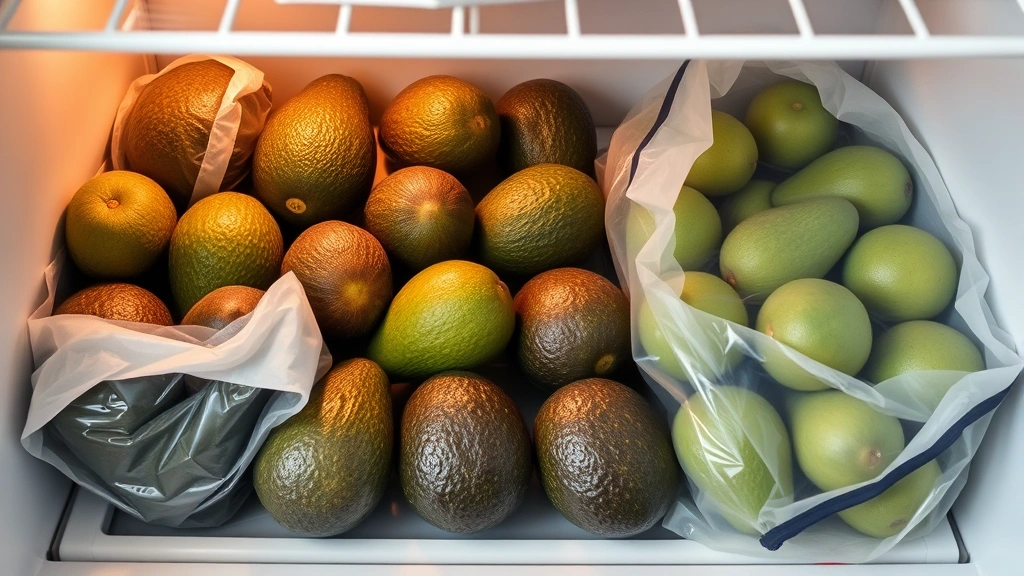
Before mastering storage techniques, you need to understand how avocados ripen. Avocados produce ethylene gas as they mature, a natural plant hormone that triggers ripening. Unlike many fruits, avocados don’t ripen on the tree—they ripen only after harvesting. This unique characteristic is why proper storage is so essential.
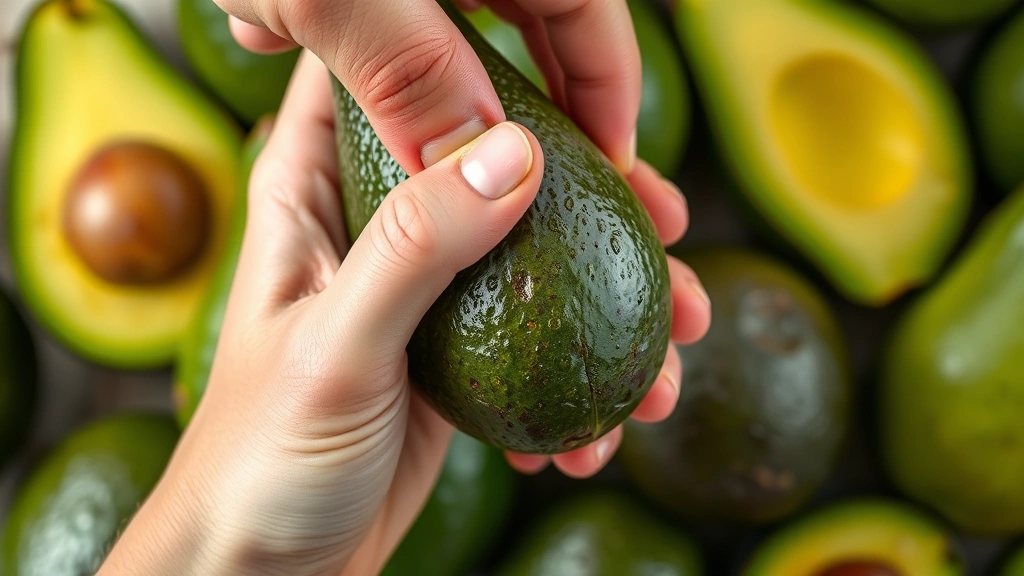
The four ripeness stages are: Hard and green (unripe), slightly yielding (nearly ripe), soft when gently squeezed (ripe), and very soft or dark (overripe). Professional chefs assess ripeness by holding the avocado in their palm and applying gentle pressure near the stem end, avoiding the sides which can bruise easily. An ideal storage avocado should be firm with just slight give, indicating it will reach peak ripeness within 24-48 hours.
Understanding these stages helps you determine which storage method to use. A hard avocado needs different conditions than one approaching optimal ripeness. Checking ripeness regularly ensures you use your avocados at their best moment, maximizing flavor and texture for your culinary creations.
Refrigerator Storage Methods
Refrigeration is the most effective way to slow avocado ripening and extend shelf life significantly. Cold temperatures dramatically reduce ethylene production and enzymatic activity responsible for ripening. When you place an avocado in the refrigerator, you essentially pause its maturation process, buying yourself valuable extra days.
Basic refrigerator storage: Place whole, uncut avocados in the crisper drawer where humidity levels remain higher and temperature stays consistently cold. Most refrigerators maintain temperatures between 35-40°F, which is ideal for avocado preservation. In these conditions, even fully ripe avocados can last 3-5 days without significant quality loss. Unripe avocados can last up to two weeks in the refrigerator.
For comprehensive how-to guidance on kitchen management, proper food storage is fundamental. Store avocados in a paper bag if you want to accelerate ripening slightly while still benefiting from cold storage—the bag traps ethylene gas, speeding maturation compared to loose storage.
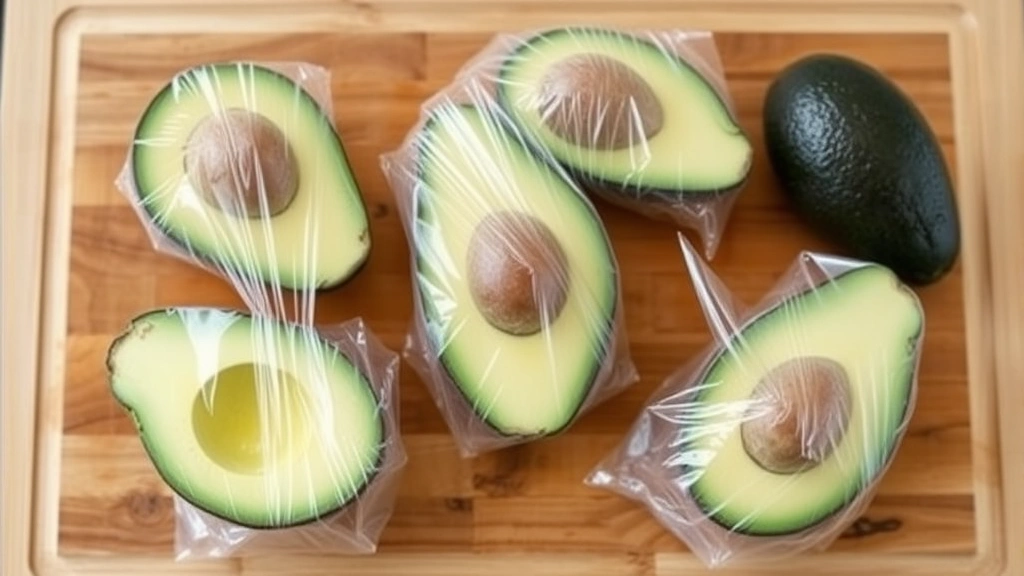
Cut avocado storage: Once you’ve cut an avocado, oxidation becomes your enemy. The exposed flesh turns brown within hours due to enzymatic browning when the flesh contacts oxygen. To store cut avocados, leave the pit in the flesh—this creates a barrier against oxidation. Wrap the halves tightly in plastic wrap, ensuring no air reaches the exposed surface. Place wrapped halves pit-side down on a plate and refrigerate. This method preserves cut avocados for 2-3 days, though some browning may still occur at the edges.
Another professional technique involves storing cut avocados in an airtight container with a small onion slice. The sulfur compounds in onions inhibit browning enzymes, extending the usable life of your cut avocado. Replace the onion every 24 hours for best results.
Room Temperature Storage Techniques
Sometimes you need avocados to ripen quickly, or you want to display them beautifully on your counter. Room temperature storage (68-72°F) allows avocados to ripen naturally and predictably. This method works best when you’re planning meals 2-3 days ahead and want to coordinate ripeness with your cooking schedule.
Accelerating ripeness at room temperature: Place avocados in a paper bag or cardboard box. This enclosed environment traps ethylene gas, accelerating ripening by 1-2 days compared to open air exposure. Add a banana or apple to the bag—these fruits produce abundant ethylene gas and will speed ripening even faster. Check avocados daily by gently squeezing; they can transition from unripe to overripe surprisingly quickly in warm conditions.
Keep avocados away from direct sunlight and heat sources when ripening at room temperature. Excessive heat can cause uneven ripening or damage the skin. A kitchen counter away from windows or appliances provides ideal conditions. If your kitchen runs warm, room temperature ripening may accelerate beyond your control, so monitor progress carefully.
Preventing over-ripening: Once avocados reach desired ripeness, immediately transfer them to the refrigerator to halt further ripening. This gives you a safety window—you can slow the ripening process anytime by moving avocados to cold storage. Professional kitchens use this strategy constantly, ripening avocados to order by moving them between room temperature and refrigeration based on demand.
Preventing Browning and Oxidation
Enzymatic browning is the primary enemy of cut avocados. When avocado flesh is exposed to oxygen, polyphenol oxidase (PPO) enzymes catalyze a reaction that turns the flesh brown. While this browning doesn’t make the avocado unsafe to eat, it’s visually unappealing and can affect flavor subtly.
Lemon and lime juice method: Citric acid denatures PPO enzymes and lowers pH, creating an inhospitable environment for browning. Brush or spray cut avocado halves with fresh lemon or lime juice immediately after cutting. Cover the juice-treated surface with plastic wrap and refrigerate. This method extends the usable life of cut avocados to 3-4 days with minimal browning. Professional chefs always keep citrus on hand for this purpose.
The acid also enhances flavor subtly, adding brightness that complements avocado’s rich creaminess. Use fresh juice rather than bottled for best results, as preservatives in bottled juice can impart off-flavors.
Oil barrier method: A thin layer of neutral oil (avocado oil, vegetable oil, or olive oil) creates a physical barrier preventing oxygen contact. Brush oil over cut surfaces and wrap tightly. This method works exceptionally well for guacamole or mashed avocado preparations—simply smooth the surface and cover with a thin oil layer before sealing.
Water submersion: For maximum protection, submerge cut avocado halves in water in an airtight container. Keep the pit in place if possible. The water creates an anaerobic environment preventing enzymatic browning entirely. Change the water daily to maintain freshness. This unconventional method can preserve cut avocados for up to a week, though texture may become slightly softer than ideal.
Plastic wrap and pit retention: The simplest method remains highly effective. Keep the pit in place within the cut avocado. Wrap each half individually in plastic wrap, pressing firmly to remove air pockets. Stack wrapped halves pit-side down on a plate and refrigerate. The pit acts as a natural barrier, and plastic wrap minimizes oxygen exposure. Expect 2-3 days of acceptable quality with minimal browning.
Freezing Avocados for Long-Term Storage
Freezing extends avocado storage to several months, though texture changes significantly. Frozen avocados work beautifully in smoothies, sauces, and baked goods, but aren’t suitable for fresh applications like salads or slicing. Understanding freezing techniques helps you preserve abundant avocados when they’re in season or on sale.
Freezing whole avocados: Wash, dry, and wrap whole unripe avocados individually in plastic wrap, then place in freezer bags. Remove as much air as possible using the water displacement method—partially seal the bag, submerge in water to compress out air, then fully seal. Whole frozen avocados last 4-6 months. Thaw at room temperature 24 hours before using. The texture becomes mushy, unsuitable for fresh eating, but works well in smoothies or as a base for spreads.
Freezing avocado halves: Cut ripe avocados in half, remove the pit, and scoop flesh into ice cube trays or muffin tins. Drizzle each portion with lemon juice to prevent browning and maintain color. Freeze until solid (4-6 hours), then transfer frozen cubes to freezer bags. Label with the date. Each cube represents roughly one-quarter avocado, convenient for portioning. Frozen cubes last 3-4 months and work perfectly for smoothie bowls or blended preparations.
Freezing mashed avocado: Puree ripe avocados with a squeeze of lemon juice and a pinch of salt. Spread the mixture in a thin layer on parchment-lined baking sheets and freeze until solid. Break frozen avocado into chunks, transfer to freezer bags, and store up to 4 months. Thaw portions as needed for guacamole, dips, or sandwich spreads. This method maximizes usable product and minimizes waste.
Freezing in oil: Pack mashed avocado into small freezer containers, cover the surface with a thin layer of olive oil, seal, and freeze. The oil prevents freezer burn and helps preserve color and flavor. This method keeps frozen avocado in excellent condition for 4-5 months.
Advanced Chef Preservation Methods
Professional chefs employ specialized techniques to maintain avocado quality in high-volume settings. These methods go beyond basic home storage, offering insights valuable for anyone serious about avocado preservation.
Vacuum sealing: Restaurant kitchens often vacuum-seal ripe avocados to dramatically extend shelf life. The process removes oxygen entirely, preventing oxidation and slowing ripening to a crawl. Vacuum-sealed avocados can last 10-14 days in the refrigerator, compared to 3-5 days with conventional storage. Home vacuum sealers work equally well. Cut avocados in half, remove pits, place pit-side down in vacuum bags, and seal. The avocado’s own moisture helps create an excellent seal.
Modified atmosphere packaging: Some specialty retailers use modified atmosphere packaging (MAP), replacing oxygen with nitrogen or carbon dioxide. This commercial technique isn’t practical for home use but demonstrates how effective oxygen removal is for preservation. Understanding this principle helps you appreciate why plastic wrap, oil barriers, and vacuum sealing work so well.
Temperature staging: Professional kitchens use temperature-controlled ripening chambers. Unripe avocados start at cold storage (35°F) where ripening nearly halts. As needed, batches move to intermediate storage (50°F) for slower ripening, then to room temperature (70°F) for final maturation. By controlling temperature precisely, chefs coordinate ripeness with demand perfectly. Home cooks can approximate this by using different kitchen zones—a cool pantry, a standard refrigerator, and room temperature counter space—moving avocados strategically.
Ethylene gas control: Some commercial kitchens use ethylene scrubbers or activate carbon filters to reduce ethylene concentration in storage areas, slowing ripening. While impractical for home use, understanding that ethylene accelerates ripening explains why sealed containers with trapped ethylene speed ripening, while well-ventilated areas slow it.
Controlled atmosphere storage: High-end restaurants sometimes employ controlled atmosphere storage chambers that reduce oxygen levels and adjust temperature and humidity precisely. These chambers can preserve avocados at peak ripeness for weeks. For home use, your refrigerator approximates this environment adequately, especially if you use sealed containers or vacuum bags.
Chemical preservation: Some producers use food-grade coatings or calcium chloride dips to extend shelf life, though these aren’t practical for home use. Understanding these commercial methods contextualizes why simple barriers like plastic wrap, oil, and citrus juice work—they all reduce oxidation or slow ripening through temperature or ethylene control.
When planning meals that require organized kitchen management, coordinating avocado ripeness with your schedule becomes easier. Apply these professional techniques to ensure you always have avocados at perfect ripeness when needed.
FAQ
How long do avocados last in the refrigerator?
Whole, unripe avocados last 2-3 weeks in the refrigerator. Ripe avocados last 3-5 days before becoming overripe. Cut avocados with the pit remaining last 2-3 days. Vacuum-sealed avocados can last 10-14 days. Storage duration depends on initial ripeness and how well you seal the avocado to prevent oxidation.
Can you refrigerate unripe avocados?
Yes, refrigerating unripe avocados is an excellent strategy. Cold temperatures dramatically slow ripening, allowing you to store unripe avocados for 2-3 weeks. When you need them ripe, remove avocados from the refrigerator and place at room temperature for 2-3 days until they reach desired ripeness. This gives you precise control over when avocados ripen.
Why do avocados turn brown so quickly?
Enzymatic browning occurs when avocado flesh contacts oxygen. Polyphenol oxidase enzymes in the flesh catalyze a chemical reaction that produces brown pigments. This process accelerates at room temperature and in the presence of light. Preventing oxygen contact through plastic wrap, oil barriers, or citrus juice prevents browning effectively.
Is it safe to eat brown avocado?
Brown discoloration from oxidation is safe to eat. It’s purely cosmetic and doesn’t indicate spoilage or food safety issues. However, brown avocado may taste slightly different or have a less appealing texture. If avocado develops dark spots, oozes liquid, or smells fermented, it’s overripe and should be discarded.
What’s the best way to ripen an avocado quickly?
Place avocados in a paper bag with a banana or apple at room temperature (70-72°F). Check daily by gently squeezing. This method typically ripens avocados in 1-2 days. Once they reach desired ripeness, immediately refrigerate to halt further ripening. Never use heat or sunlight to speed ripening, as this causes uneven maturation.
Can you freeze avocado toast?
You can freeze avocado components but not assembled avocado toast. Freeze mashed avocado separately and freeze toasted bread separately. Assemble fresh when ready. Freezing prepared avocado toast results in mushy, unappealing texture. However, freezing individual components allows quick assembly of avocado toast from frozen parts.
How do you store cut avocado without lemon juice?
Use oil barriers, water submersion, or plastic wrap with the pit intact. Brush cut surfaces with neutral oil, wrap tightly in plastic, or submerge in water in an airtight container. These methods prevent oxygen contact, preventing browning for 2-3 days without citrus. While lemon juice is most effective, these alternatives work well if you prefer to avoid citrus flavors.
Should avocados be stored stem-side up or down?
Avocados can be stored in any position. However, storing them pit-side down when cut helps protect the flesh from oxidation. The pit acts as a barrier. For whole avocados, position doesn’t matter significantly, though keeping them in the crisper drawer prevents rolling and potential bruising regardless of orientation.

Related Posts

Superscript in Google Docs: Expert Tips

Strikethrough in Excel: Easy Steps for Beginners
