
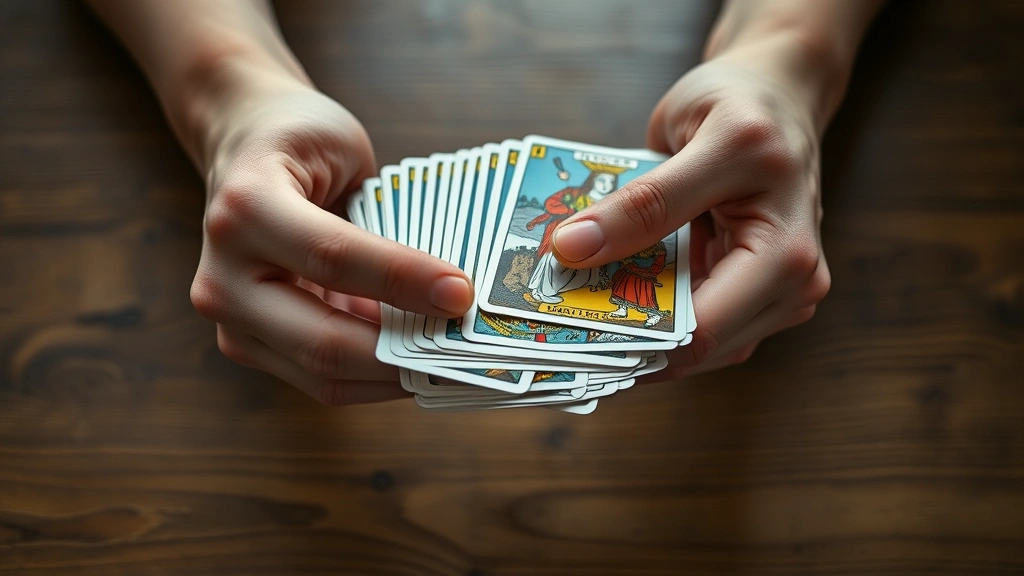
Shuffle Tarot Cards Like a Pro! Step-by-Step Guide
How to Shuffle Tarot Cards Like a Pro: A Complete Step-by-Step Guide
Learning how to shuffle tarot cards properly is one of the most fundamental skills for anyone working with tarot, whether you’re a seasoned reader or just beginning your spiritual journey. While shuffling might seem like a simple task, mastering various techniques can significantly enhance your card reading experience, improve your connection with the deck, and ensure a truly randomized selection for accurate readings. The way you handle and shuffle your cards reflects your respect for the practice and sets the energetic tone for your entire reading session.
Tarot shuffling is both an art and a practical necessity. Unlike standard playing cards where shuffling is purely mechanical, tarot shuffling carries intention and mindfulness. A well-shuffled deck ensures that cards are properly distributed, preventing patterns or clumps that might skew your readings. Whether you’re preparing for a personal meditation reading or conducting a professional session for clients, understanding the proper techniques will help you build confidence and maintain the integrity of your practice. This comprehensive guide walks you through multiple shuffling methods, best practices, and troubleshooting tips to help you become proficient with your deck.
Why Proper Shuffling Matters in Tarot Practice
Shuffling tarot cards serves multiple critical purposes beyond simply randomizing the deck. When you visit the FixWiseHub Blog for guidance on various techniques, you’ll find that consistency in method builds muscle memory and confidence. The physical act of shuffling creates a meditative moment where you can focus your intention and energy into the reading ahead. This mindful preparation helps you enter the right mental state for accurate interpretation.
From a practical standpoint, proper shuffling prevents the deck from becoming static or predictable. If cards always remain in the same order or groupings, your readings will lack the randomness necessary for genuine insight. Additionally, shuffling helps break in new decks, which often come with cards in their original printed order. The friction and movement of shuffling separates cards that might otherwise stick together, ensuring each card can be drawn independently during your reading session.
The psychological aspect of shuffling shouldn’t be overlooked either. The ritual of handling and shuffling your deck creates a tangible connection between you and the cards. This tactile engagement enhances your focus, signals to your subconscious that a reading is beginning, and allows you to infuse your question or intention into the process. Many professional readers spend considerable time perfecting their shuffle technique because they understand how this foundation impacts the quality of their entire practice.
The Overhand Shuffle Technique: Step-by-Step Instructions
The overhand shuffle is perhaps the most accessible and commonly taught method for shuffling tarot cards. This technique works well for most deck sizes and doesn’t require as much hand strength or coordination as some other methods. Here’s exactly how to perform an effective overhand shuffle:
- Hold the deck properly: Start by holding your tarot deck in your left hand (or right hand if left-handed) with the cards face-down. The deck should rest in your palm with your fingers supporting it from underneath and your thumb positioned on top for stability.
- Prepare your right hand: With your right hand (or left if left-handed), reach over the top of the deck and position your fingers to grab a small packet of cards from the top. Your thumb should be on one side and your fingers on the other, ready to pull cards downward.
- Execute the pull: Pull a small group of cards (roughly 5-10 cards) from the top of the deck downward toward your palm. This packet will drop into your opposite hand, creating the beginning of your shuffled pile.
- Repeat the motion: Continue pulling small packets from the top of the original deck and letting them fall into your other hand. Each new packet will land on top of the previous one, gradually transferring the entire deck.
- Vary the packet sizes: To ensure thorough shuffling, vary the number of cards you pull each time. Some pulls might be just 2-3 cards, while others could be 8-10 cards. This variation prevents patterns from forming.
- Complete multiple passes: Perform this overhand shuffle at least 7-10 times to adequately randomize the deck. Each pass through the shuffling process helps further distribute the cards.
The beauty of the overhand shuffle is that it’s gentle on your cards and allows you to maintain control throughout the process. You can perform this shuffle while seated, standing, or even while holding the deck at different angles. Many readers prefer this method because it feels meditative and allows them to maintain continuous focus on their intention or question.
The Riffle Shuffle Method: Mastering the Advanced Technique
The riffle shuffle, also known as the cascade or waterfall shuffle, creates a more dramatic shuffling action and is highly effective at randomizing cards. However, this method requires more practice and coordination than the overhand technique. If you’re interested in learning precision hand techniques, the same focus and practice apply to mastering the riffle shuffle.
To perform a riffle shuffle with tarot cards:
- Split the deck: Divide your deck into two roughly equal halves. Hold one half in each hand, with the cards face-down and the shorter edges of the cards pointing toward each other.
- Position your hands: Tilt both halves slightly so that the inner corners of the two packets touch each other. Your thumbs should be positioned on the outer edges of each packet, ready to release the cards.
- Release the cards: Using your thumbs, gently press upward on the outer edges while allowing the cards to cascade downward from both halves simultaneously. The cards from each half should interweave as they fall.
- Complete the cascade: Continue releasing cards from both halves until all cards have fallen and interwoven together. The result should be a single pile of cards that has come together in the center.
- Square the deck: Once all cards have cascaded, gently push them together to form a neat, aligned deck. You may need to tap the edges to ensure everything is properly aligned.
The riffle shuffle is particularly satisfying because you can see and hear the cards cascading together, which provides immediate feedback that shuffling is occurring. However, if your deck is new or the cards are slightly sticky, this method might be challenging. Start with smaller packets if needed, or return to the overhand shuffle until you’ve developed the necessary hand strength and coordination.

The Pile Shuffle Approach: A Structured Method
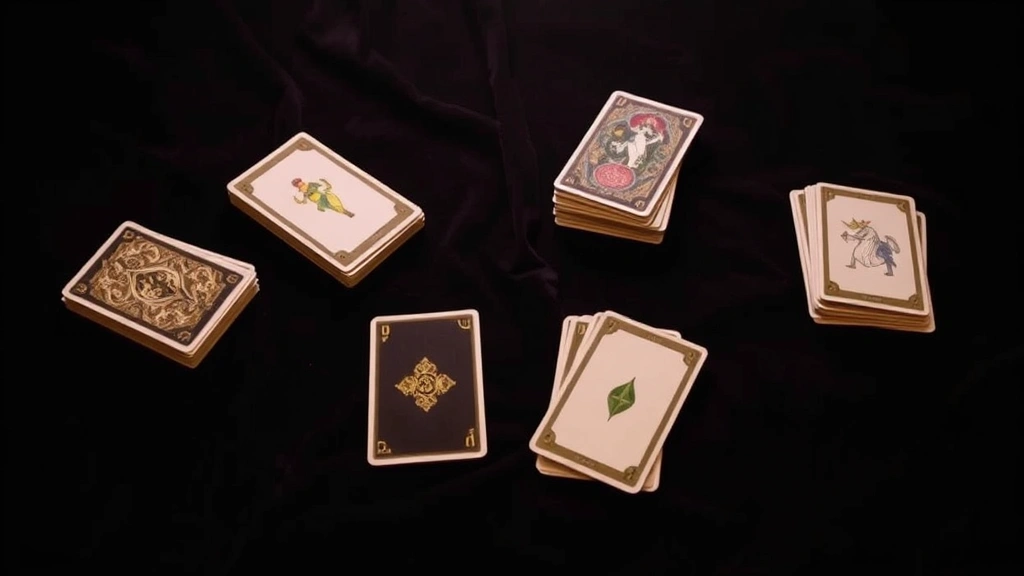
The pile shuffle offers a more structured and systematic approach to randomizing your tarot deck. This method is particularly useful when you want visible evidence that shuffling is occurring, and it works exceptionally well for readers who prefer a more meditative, deliberate pace. Unlike the continuous motion of other shuffles, the pile method involves distinct, intentional placements.
To execute a proper pile shuffle:
- Create your piles: Begin by dealing cards face-down into several piles (typically 4-7 piles work well for a standard 78-card tarot deck). Place one card in the first pile, then one in the second pile, continuing around until you’ve created your desired number of piles. Then start a new round, placing the next card on top of the first card in pile one, and so on.
- Continue dealing: Keep dealing cards in this circular pattern until your entire deck has been distributed among all piles. Each pile should contain roughly the same number of cards.
- Stack the piles: Once all cards are dealt, stack the piles on top of each other in a different order than they were laid out. This recombination begins the randomization process.
- Repeat as desired: Perform the pile shuffle 2-3 times for adequate randomization. Each repetition further distributes the cards throughout the deck.
The pile shuffle is excellent for readers who enjoy the visual and tactile aspects of card handling. It’s also a great method to use when working with clients, as they can clearly see that proper shuffling is occurring. Some readers combine the pile shuffle with an overhand shuffle for maximum effectiveness and thorough randomization.
Intuitive and Freeform Shuffling Techniques
Beyond the structured methods, many experienced readers develop their own intuitive shuffling styles based on what feels most natural and connected to their practice. This freeform approach honors the principle that tarot reading is a deeply personal practice, and your shuffling method should reflect your individual style and energy.
Intuitive shuffling might include:
- Circular shuffles: Moving cards in circular motions across a table or in your hands, allowing them to mix and blend organically
- Spreading and gathering: Spreading cards across a surface and then gathering them back together in random order
- One-handed shuffles: For readers comfortable with advanced hand techniques, one-handed shuffles can be both practical and meditative
- Shuffling with intention: Combining any shuffling method with focused visualization or spoken intention to infuse your energy into the deck
When practicing preparation techniques, remember that consistency matters more than complexity. Your shuffling method should feel natural and sustainable for your hands and body. If a particular technique causes strain or discomfort, modify it or choose a different approach that serves you better.
Best Practices for Tarot Shuffling
Developing excellent shuffling habits will improve your overall tarot practice significantly. Here are key best practices to implement:
Set your intention before shuffling. Before you begin, take a moment to clear your mind and focus on your question or the purpose of your reading. Some readers visualize light or energy flowing through the deck as they shuffle. This intentional preparation creates a stronger connection to your reading.
Shuffle in a clean, dedicated space. Whenever possible, perform your shuffling on a clean surface or while holding the deck carefully in your hands. Avoid shuffling near food, drinks, or cluttered areas. A dedicated space helps contain the energy of your practice and prevents cards from becoming damaged.
Handle your cards with respect and care. Your tarot deck is a tool that deserves gentle handling. Avoid bending cards excessively, and be mindful of moisture or dirt that could damage the deck. Many readers store their decks in special bags, boxes, or cloth wrappings to protect them between readings.
Take time to break in new decks properly. New decks often come in pristine condition with cards in their original printed order. Spend extra time shuffling new decks to break them in and allow the cards to become more flexible and easier to handle. This process typically takes 10-20 shuffling sessions before the deck feels truly ready.
Combine multiple shuffling methods. Rather than relying on a single technique, most professional readers combine different methods. You might do 5-7 overhand shuffles, followed by 2-3 pile shuffles, and finish with a riffle shuffle. This combination approach ensures thorough randomization while maintaining your focus and intention.
Practice regularly to build muscle memory. Like any skill, shuffling improves with consistent practice. Spend time shuffling your deck even when you’re not conducting formal readings. This practice builds your confidence, strengthens your hands, and helps you develop a personal style that feels authentic to your practice.
Allow cards to fall naturally. Don’t fight against cards that want to fall or shift during shuffling. Many readers believe that cards that fall out during shuffling are particularly important for the reading. Rather than forcing them back in immediately, note them and consider their significance after completing your shuffling process.
Common Mistakes to Avoid When Shuffling Tarot Cards
Even experienced readers can develop bad habits that compromise their shuffling effectiveness. Being aware of common mistakes helps you avoid them:
Shuffling too gently or too briefly. If you’re concerned about damaging your deck, you might shuffle with excessive caution. However, tarot cards are designed to withstand normal handling. Shuffle with enough force and repetition to genuinely randomize the deck. Aim for at least 7-10 complete shuffles before drawing cards.
Maintaining patterns in your shuffle. If you always shuffle in the same way, using the same hand motions and card packets, your shuffling becomes predictable. Vary your technique, the number of cards you pull, and the order of your shuffling methods to maintain true randomization.
Neglecting to shuffle between readings. If you’re conducting multiple readings, always shuffle thoroughly between each one. Failing to reshuffle can result in similar card combinations appearing repeatedly, which undermines the validity of your readings.
Using techniques that cause hand strain. If a particular shuffling method causes pain or discomfort in your hands, wrists, or arms, stop using it. There’s no benefit to a technique that damages your physical health. Choose methods that feel sustainable and comfortable for your body.
Shuffling over surfaces where cards can be lost. Always shuffle in a contained area or while holding your deck securely in your hands. Shuffling over a bed, couch, or other soft surface where cards can get lost or damaged is frustrating and wasteful.
Forgetting about reversed cards. Some readers intentionally avoid reversed (upside-down) cards by always shuffling with cards face-down in the same direction. However, if you work with reversed cards, ensure your shuffling allows them to appear naturally. Vary the direction cards face during shuffling to include this aspect of your readings.
When learning new techniques, remember that mistakes are part of the learning process. Each error teaches you something valuable about what works and doesn’t work for your unique practice and hand size.
Frequently Asked Questions About Tarot Card Shuffling
How many times should I shuffle my tarot deck?
There’s no magic number, but most readers shuffle between 7-10 times before drawing cards. Some use numerology and shuffle 7 times for spiritual significance, while others continue until they feel intuitively that the deck is properly randomized. Trust your instincts and adjust based on how thoroughly mixed the deck feels.
Is it okay if cards fall out while I’m shuffling?
Yes, absolutely. Many readers view cards that fall out during shuffling as especially significant for the reading. Rather than immediately pushing them back in, note them and consider adding them to your reading or placing them aside to examine after the shuffle is complete.
Should I shuffle my deck differently for different types of readings?
While you can adjust your approach based on the reading’s purpose, the primary goal is always proper randomization. Some readers use gentler shuffles for delicate readings and more vigorous shuffles for powerful ones, but this is more about setting intention than functional necessity.
Can I let someone else shuffle my tarot deck?
This is entirely up to your personal practice and comfort level. Some readers believe allowing others to handle their deck creates stronger energetic connection, while others prefer to maintain sole control. If you do allow others to shuffle, ensure they handle the cards respectfully and with care.
What should I do if my deck’s cards are sticking together?
New or humid-stored decks sometimes have sticky cards. Spread the deck face-down on a clean surface and fan the cards gently to allow air circulation. You can also perform frequent shuffles to help separate the cards. Avoid using oils or substances on the cards, as these can damage the artwork.
Is one shuffling method better than others?
No single method is objectively better. The best method is the one that feels most natural, comfortable, and sustainable for you. Experiment with different techniques and choose based on your hand strength, personal preference, and how effectively each method randomizes your specific deck.
How can I improve my shuffling technique?
Practice regularly, even outside of formal readings. Watch videos of experienced readers shuffling, try different methods, and pay attention to what feels comfortable. Don’t worry about appearing graceful or impressive; focus on functionality and your personal connection to the process. Consider preparing your practice space specifically for shuffling work so you can dedicate focused time to skill development.
Should I shuffle with my eyes closed?
Some readers prefer closed eyes to enhance their meditative state and intention-setting, while others keep their eyes open to ensure proper card handling. There’s no right answer—choose what helps you feel most connected and present during the shuffling process.

Related Posts

Superscript in Google Docs: Expert Tips

Strikethrough in Excel: Easy Steps for Beginners
