
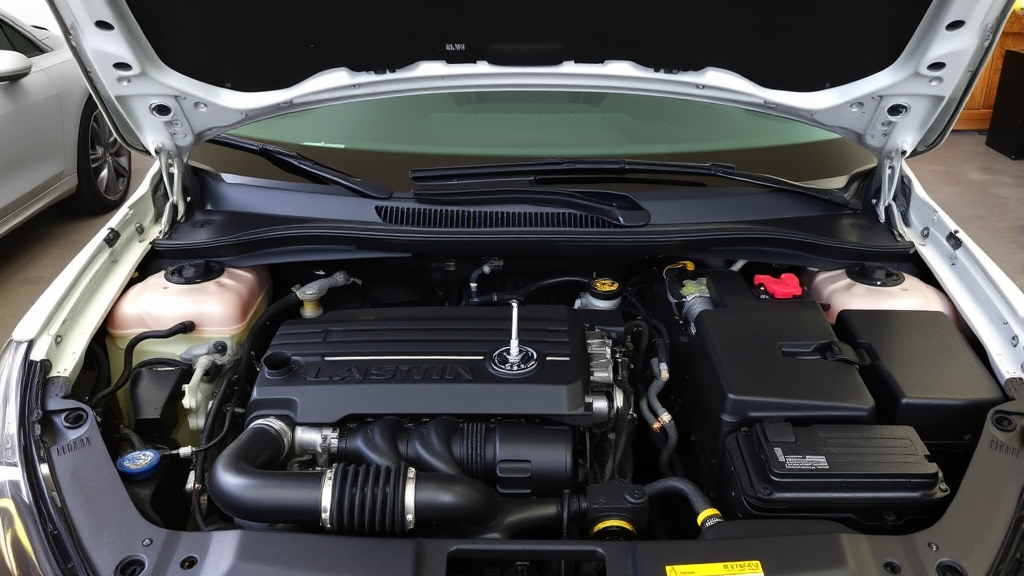
Check Your Transmission Fluid: A Simple Guide to Prevent Costly Repairs
Your vehicle’s transmission is one of the most critical and expensive components to repair or replace, making regular maintenance essential for long-term reliability. Transmission fluid serves as both a lubricant and coolant, ensuring smooth gear shifts and protecting internal components from wear and damage. Unfortunately, many drivers overlook this vital fluid until problems arise, often resulting in costly repairs that could have been easily prevented.
Learning how to check transmission fluid is a simple yet powerful skill that can save you thousands of dollars in repair costs while extending your vehicle’s lifespan. Unlike checking engine oil, transmission fluid inspection requires specific techniques and timing to get accurate readings. This comprehensive guide will walk you through the entire process, helping you identify potential issues before they become major problems.
Understanding Transmission Fluid and Its Importance
Transmission fluid performs multiple critical functions within your vehicle’s transmission system. It lubricates moving parts, reduces friction between components, helps regulate temperature, and enables hydraulic pressure for gear changes. Modern automatic transmissions rely heavily on precise fluid pressure to operate clutches and bands that control gear selection.
The fluid also acts as a coolant, preventing the transmission from overheating during normal operation. When fluid levels drop or the fluid becomes contaminated, these functions become compromised, leading to poor shifting performance, increased wear, and potential transmission failure. According to the National Highway Traffic Safety Administration, transmission problems account for a significant percentage of vehicle breakdowns and expensive repairs.
There are different types of transmission fluids designed for specific vehicle makes and models. Using the wrong type can cause seal swelling, poor shifting, or complete transmission failure. Always consult your owner’s manual or a qualified mechanic to determine the correct fluid specification for your vehicle.

Preparation Steps Before Checking
Proper preparation is crucial for obtaining accurate transmission fluid readings. Start by parking your vehicle on level ground to ensure the fluid settles evenly in the transmission pan. The engine should be warm but not hot, as transmission fluid expands when heated and contracts when cold, affecting the reading accuracy.
Most manufacturers recommend checking transmission fluid with the engine running and the transmission at operating temperature. This typically means driving the vehicle for 10-15 minutes before performing the check. However, some newer vehicles require the engine to be off, so always consult your owner’s manual for specific instructions.
Gather the necessary tools before beginning: clean rags or paper towels, a funnel (if fluid needs to be added), and the appropriate replacement fluid if needed. Ensure you have adequate lighting to properly inspect the fluid color and consistency. Just as you would prepare properly when learning how to clean appliances, taking time to prepare for transmission fluid checks ensures better results.
Step-by-Step Checking Process
Begin by locating the transmission dipstick, which is typically found near the back of the engine compartment and labeled clearly. Some vehicles have sealed transmissions without dipsticks, requiring professional service for fluid checks. If your vehicle has a dipstick, it will usually have a red, yellow, or orange handle to distinguish it from the engine oil dipstick.
With the engine running and the transmission warm, shift through all gear positions (Park, Reverse, Neutral, Drive) and hold each for a few seconds. This circulates the fluid throughout the transmission system and provides a more accurate reading. Return the shifter to Park and engage the parking brake for safety.
Remove the dipstick and clean it thoroughly with a lint-free rag. Insert it fully back into the transmission, ensuring it seats properly. Wait a moment, then remove it again to check the fluid level. The dipstick will have markings indicating minimum and maximum fluid levels, often labeled as “Cold” and “Hot” or “Add” and “Full.”
Read the fluid level on the “Hot” markings since the transmission should be at operating temperature. The fluid should fall between the minimum and maximum marks. If it’s below the minimum line, you’ll need to add fluid through the dipstick tube using a funnel.

Reading and Interpreting Results
Proper fluid level is just one aspect of transmission health assessment. The fluid’s color, smell, and consistency provide valuable insights into the transmission’s condition. Fresh transmission fluid is typically bright red or pink, with a slightly sweet smell and smooth consistency.
Dark brown or black fluid indicates oxidation and contamination, suggesting the need for a fluid change. If the fluid smells burnt, this often signals internal transmission damage from overheating. Milky or foamy fluid may indicate coolant contamination, while metal particles suggest internal wear and potential component failure.
The fluid should coat the dipstick evenly without forming droplets or appearing too thick. Thick, gummy fluid indicates severe oxidation, while thin, watery fluid may suggest dilution from coolant leaks. According to Department of Energy guidelines, regular fluid inspection helps identify problems before they require major repairs.
Maintenance Tips and Best Practices
Establishing a regular transmission fluid checking schedule is essential for vehicle longevity. Most manufacturers recommend checking fluid levels monthly and changing the fluid every 30,000 to 60,000 miles, though severe driving conditions may require more frequent service. Severe conditions include towing, stop-and-go traffic, extreme temperatures, and mountain driving.
When adding fluid, use only the manufacturer-specified type and add small amounts at a time. Overfilling can be as damaging as underfilling, causing foaming, poor shifting, and seal damage. Add fluid gradually, checking the level frequently to avoid overfilling.
Keep detailed maintenance records, including fluid check dates, levels, and observations about color or smell. This documentation helps identify patterns and provides valuable information for service technicians. Just as you might maintain records for other household maintenance tasks like plumbing repairs, tracking transmission maintenance prevents costly oversights.
Consider having the transmission serviced by a professional if you notice any abnormalities during your checks. Early intervention can prevent minor issues from becoming major repairs. Professional service includes filter replacement, pan cleaning, and complete fluid exchange, which DIY checks cannot accomplish.
Warning Signs That Require Immediate Attention
Several symptoms indicate transmission problems that require immediate professional attention. Slipping gears, where the engine revs but the vehicle doesn’t accelerate properly, suggests internal wear or low fluid levels. Delayed engagement when shifting from Park to Drive or Reverse indicates hydraulic pressure problems.
Unusual noises such as whining, grinding, or clunking during gear changes signal potential component failure. These sounds often worsen over time and may indicate the need for major repairs. Harsh or erratic shifting patterns also suggest internal problems that require professional diagnosis.
Fluid leaks under the parked vehicle indicate seal or gasket failure. Transmission fluid leaks appear as red or brown puddles and should be addressed promptly to prevent low fluid levels and subsequent damage. The Environmental Protection Agency emphasizes proper disposal of used transmission fluid to protect environmental resources.
Dashboard warning lights related to transmission or engine temperature should never be ignored. Modern vehicles have sophisticated monitoring systems that detect problems early, providing opportunities for preventive maintenance before catastrophic failure occurs.
Frequently Asked Questions
How often should I check my transmission fluid?
You should check your transmission fluid at least once a month, similar to checking engine oil. Regular monitoring helps detect leaks, contamination, or level changes before they cause damage. Additionally, check the fluid before long trips or when experiencing any shifting problems.
Can I check transmission fluid when the engine is cold?
Most vehicles require checking transmission fluid when warm for accurate readings, as the fluid expands when heated. However, some newer vehicles specify checking with the engine off and cool. Always consult your owner’s manual for manufacturer-specific requirements, as procedures vary between makes and models.
What does it mean if my transmission fluid is black or brown?
Dark brown or black transmission fluid indicates oxidation, contamination, or overheating. This condition suggests the fluid has exceeded its service life and should be changed immediately. Continuing to drive with severely degraded fluid can cause internal transmission damage and expensive repairs.
Is it safe to drive with low transmission fluid?
Driving with low transmission fluid is extremely dangerous and can cause immediate transmission failure. Low fluid levels prevent proper lubrication and hydraulic pressure, leading to component damage. If you discover low fluid levels, add the appropriate fluid immediately or have the vehicle towed to a service facility.
Can I add transmission fluid myself?
Yes, you can add transmission fluid yourself using the dipstick tube and a funnel. However, use only the manufacturer-specified fluid type and add small amounts at a time to avoid overfilling. If you’re uncomfortable performing this task, consult a professional mechanic for assistance.
Why does my transmission fluid look foamy or bubbly?
Foamy or bubbly transmission fluid typically indicates overfilling, which causes the fluid to aerate as internal components churn through it. This condition prevents proper lubrication and can cause shifting problems. Drain excess fluid to restore proper levels, or consult a professional if the problem persists.
How do I dispose of used transmission fluid properly?
Used transmission fluid must be disposed of at authorized recycling centers, auto parts stores, or service stations that accept used fluids. Never pour transmission fluid down drains, on the ground, or in regular trash, as it’s harmful to the environment. Many retailers that sell transmission fluid accept used fluid for recycling at no charge.

Related Posts

How Long to Boil Lobster Tails: Cooking Guide

How Long to Fly from New York to London? Travel Times
